 850-753-0041


Modified Bitumen Installation (7 Steps for Flat Roofs)
April 21, 2026
5 minutes Read
When it comes to durable, weather-resistant roofing solutions, modified bitumen remains one of the most reliable choices for flat and low-slope applications. Modern modified bitumen roofing systems are designed to handle everything from heavy rain to extreme temperatures, making them a practical option for both residential and commercial properties with a flat roof.
- Layered protection: Multiple plies create a strong, watertight system.
- Proven performance: A trusted option among advanced roofing materials.
- Flexible durability: Handles expansion and contraction in changing climates.
- Long-term value: Offers dependable protection with manageable maintenance needs.
In climates like Pensacola, where heat, humidity, and storms are common, choosing the right roofing materials and installation process is essential.
What Is Modified Bitumen Roofing?

Modified bitumen roofing is a type of system made from asphalt that has been enhanced with modifiers like rubber or plastic. These additions improve flexibility, durability, and resistance to environmental stress.
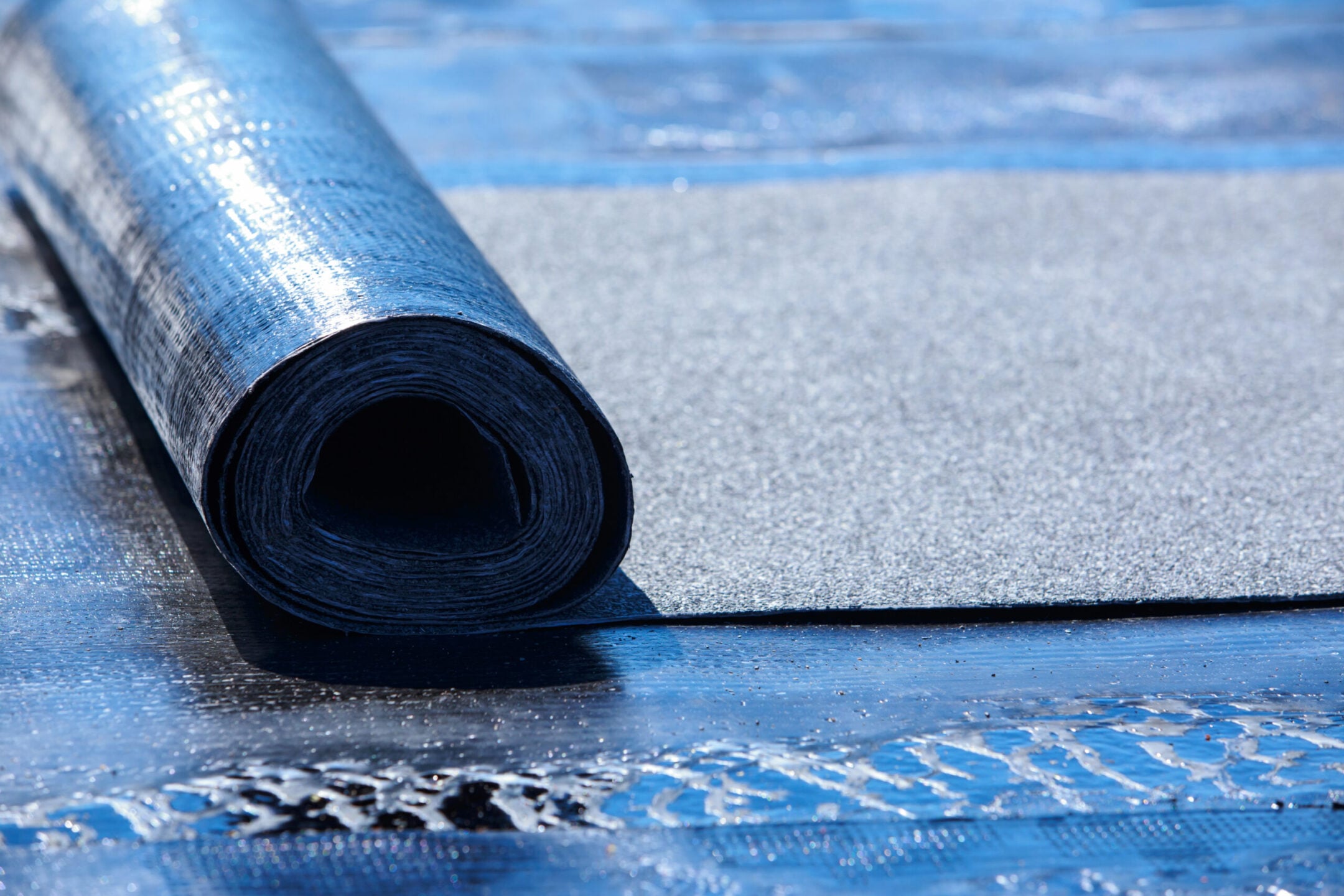
Unlike traditional built up roofing systems, this solution uses reinforced sheets known as modified bitumen membranes that act as a durable roof membrane. These membranes create a continuous barrier that protects the building from moisture intrusion, which is especially important for any low slope roof.
Key Components of the System
A mod bit roofing system is built as a multi ply system, meaning multiple layers work together to provide long-lasting protection.
- Base sheet: The foundational layer that attaches to the roof deck.
- Reinforced membrane: The primary waterproofing layer made of modified bitumen membranes.
- Cap sheet: The top layer that provides UV and weather resistance.
- Adhesive method: Used to secure each layer in place.
These components combine to form one of the most effective solutions for flat roof structures, especially in areas where foot traffic may occur for maintenance.
Types of Modified Bitumen Installation Methods
Before installation begins, it is important to choose the right application method. Each option affects how the roof membrane is bonded and how it performs over time.
Common Installation Options
Different methods are used depending on the building, safety considerations, and environmental conditions.
| Installation Method | Description | Ideal Use |
| Torch-applied | Uses heat to fuse the membrane to the surface | High durability applications |
| Cold-applied | Adhesives bond the membrane without heat | Safer for sensitive environments |
| Self-adhered | Peel-and-stick sheets | Residential or smaller projects |
| Hot asphalt | Traditional layered method similar to built up roofing systems | Large commercial properties |
Cold-applied systems are especially useful in environments where open flames are not ideal, while torch-applied installations are known for creating a strong, lasting seal.
7 Steps for Proper Modified Bitumen Installation
Installing a mod bit roofing system requires precision and attention to detail. Each step plays a critical role in ensuring long-term performance.
- Roof inspection: The existing structure is evaluated for damage, moisture, or structural concerns before installation begins.
- Surface preparation: The roof deck is cleaned and cleared to ensure proper adhesion of the roof membrane.
- Insulation installation: Insulation boards are installed to improve energy efficiency and provide a smooth base.
- Base sheet application: A base layer is secured to create a stable foundation.
- Membrane installation: The modified bitumen sheets are applied using torch, adhesive, or self-adhered methods.
- Seam sealing: All seams and overlaps are carefully sealed to prevent water infiltration.
- Final inspection: The completed system is thoroughly checked to ensure durability and performance.
Following these steps helps ensure the roof can withstand harsh conditions, including heavy rain and extreme temperatures.
Why Proper Installation Matters
Even high-quality roofing materials can fail if they are not installed correctly. Modified bitumen roofing systems rely heavily on proper sealing and layering to maintain waterproof integrity.
In areas like Pensacola, improper installation can quickly lead to leaks, especially during storm season. Moisture intrusion can damage both the roof and the interior of the building.
Common Problems From Poor Installation
When installation is not done properly, several issues can arise that shorten the lifespan of the roof.
- Blistering: Trapped air or moisture causes bubbles in the membrane.
- Seam failure: Weak sealing allows water to penetrate the structure.
- Ponding water: Poor drainage leads to standing water and deterioration.
- Premature aging: Exposure to UV rays and weather accelerates wear.

Performance in Cold Weather and Extreme Temperatures
One of the key benefits of modified bitumen roofing systems is their ability to perform well in both cold weather and extreme temperatures. The modified asphalt allows the roof membrane to remain flexible, reducing the risk of cracking during temperature swings.
This flexibility is especially important for any flat roof, particularly in buildings that experience regular foot traffic for HVAC servicing or inspections. Whether dealing with heat in Florida or colder seasonal shifts, modified bitumen continues to provide consistent performance.
Climate-Related Benefits
Modified bitumen provides reliable protection in a variety of environmental conditions:
- Temperature flexibility: Expands and contracts without breaking down.
- UV resistance: Reflective surfaces help reduce heat absorption.
- Moisture protection: Sealed layers prevent water intrusion.
- Durability under use: Holds up well in areas with occasional foot traffic.
These benefits make it a dependable choice for property owners looking for long-term performance.
Comparing Modified Bitumen to Other Roofing Materials
When evaluating different roofing materials, modified bitumen stands out for its balance of durability and flexibility. It offers a modern approach with easier installation and maintenance compared to traditional layered systems.
| Feature | Modified Bitumen | Traditional Layered Systems |
| Installation | Sheet-based membrane | Multi-layer application |
| Flexibility | High | Moderate |
| Maintenance | Easier repairs | More labor-intensive |
| Weight | Lighter | Heavier |
This comparison highlights why many property owners choose modified bitumen for commercial roof applications.
Built on Trust with Quality Roofing Solutions
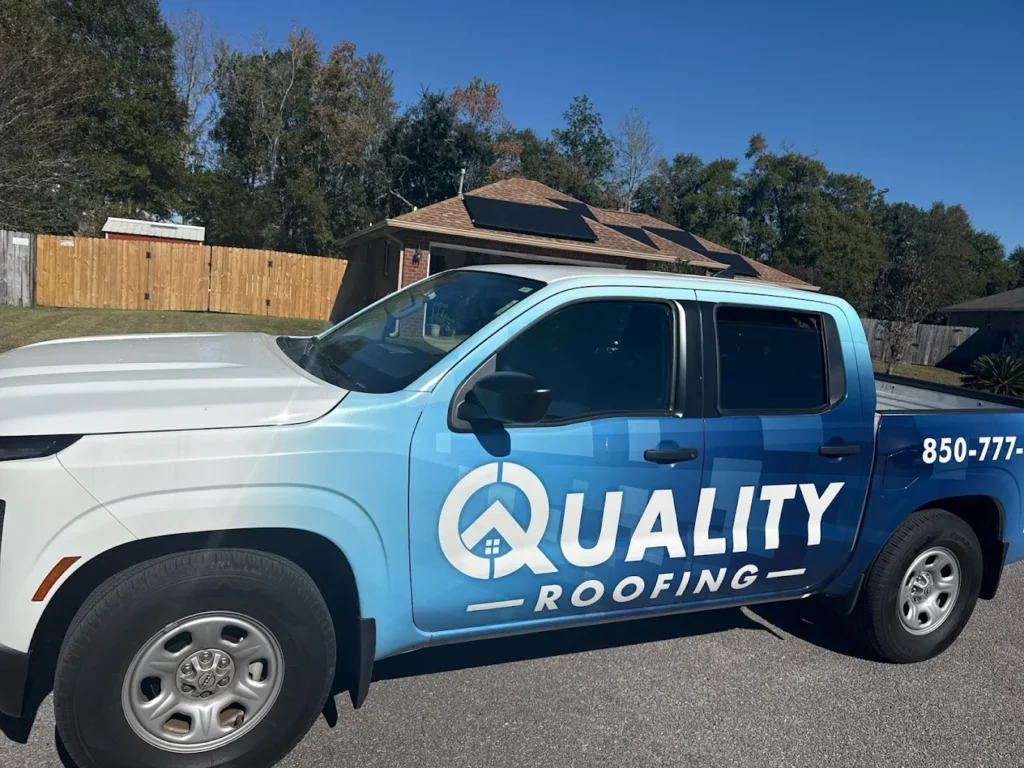
Choosing the right contractor is just as important as choosing the right materials. At Quality Roofing Solutions, we focus on delivering dependable results backed by clear communication and proven workmanship.
We’re proud to serve home and business owners in Pensacola, FL, and nearby communities with modified bitumen installation and more. Our team understands the unique challenges that come with a flat roof and works closely with each client to ensure the best possible outcome.
If you are considering a new roof membrane or exploring your options for durable roofing materials, reach out today to schedule an inspection or consultation. Let our team help you choose a solution built to last.