 (850) 753-0041


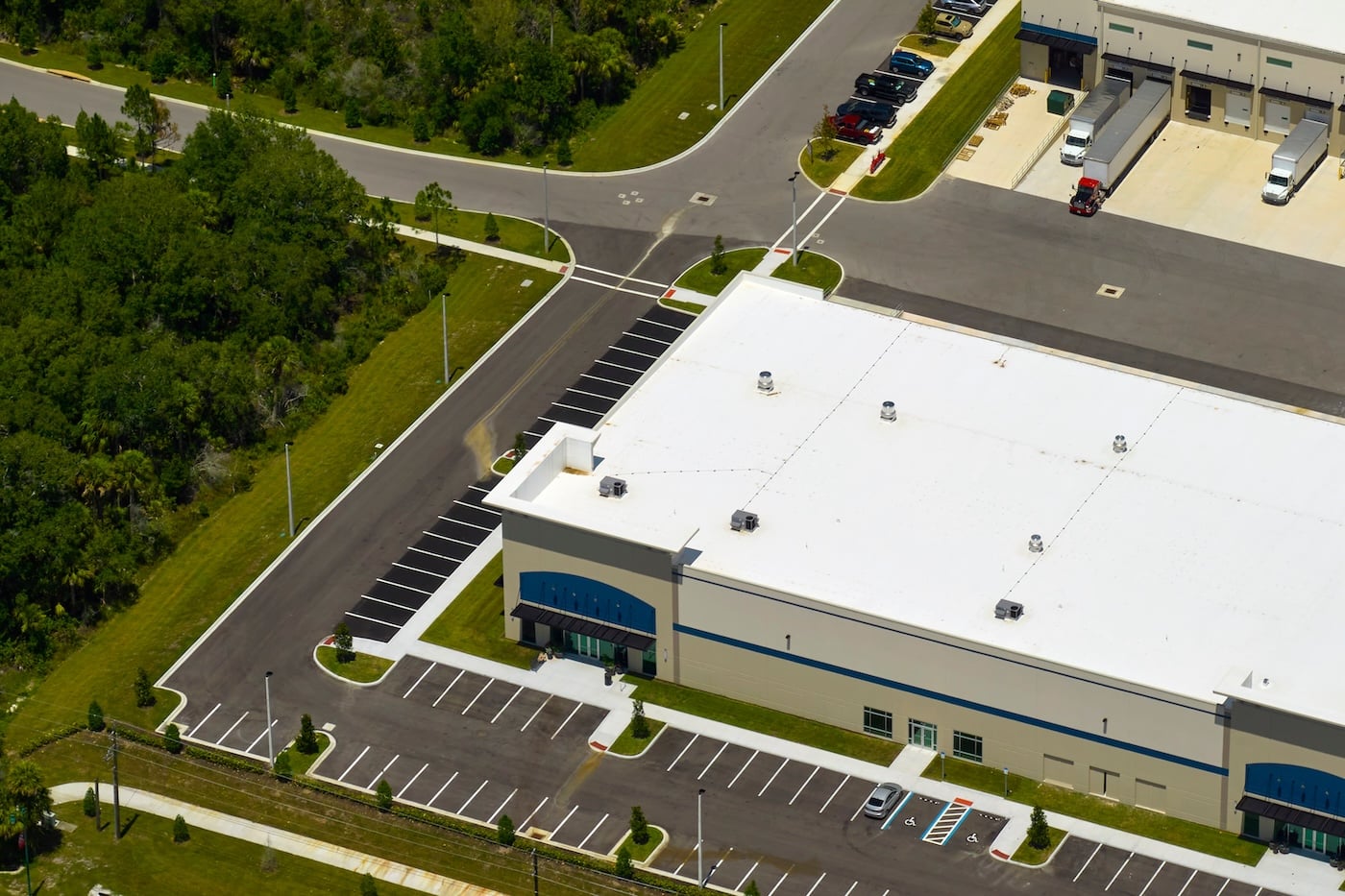
Industrial Roof Replacement: When and Why It’s Needed
June 11, 2026
7 minutes Read
An industrial roof replacement is a major investment that helps protect commercial and industrial buildings from structural damage, energy loss, and operational disruptions. Knowing when replacement is necessary can help property owners avoid costly repairs and extend the lifespan of their facilities.
- Structural protection: Prevents water intrusion and building damage.
- Operational reliability: Helps avoid interruptions to business operations.
- Energy efficiency: Modern roofing systems improve insulation and performance.
- Long-term savings: Replacement can reduce ongoing maintenance costs.
In areas like Pensacola, where industrial buildings experience heavy rain, humidity, and storm exposure, maintaining a durable roofing system is especially important.
What Is an Industrial Roof Replacement?
Industrial roof replacement involves removing and replacing an existing commercial roof with new materials. Unlike small roof repairs, replacement addresses widespread wear, aging materials, or structural issues that affect overall roof performance.

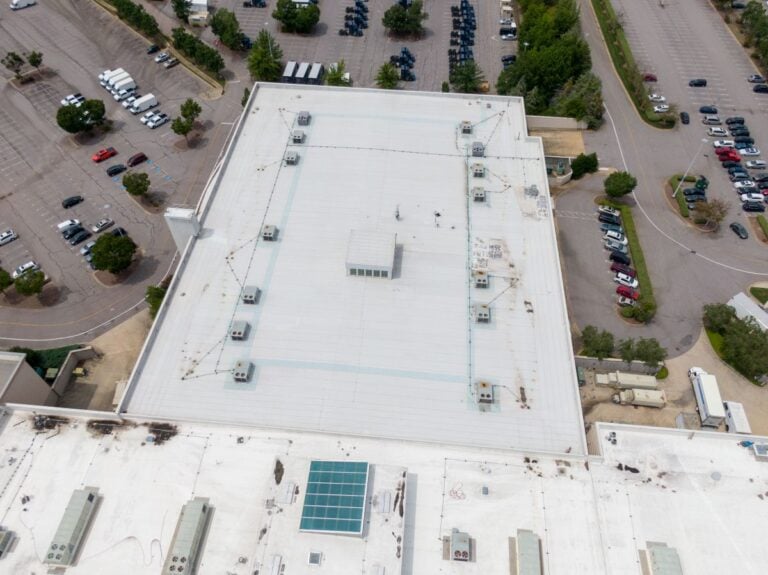
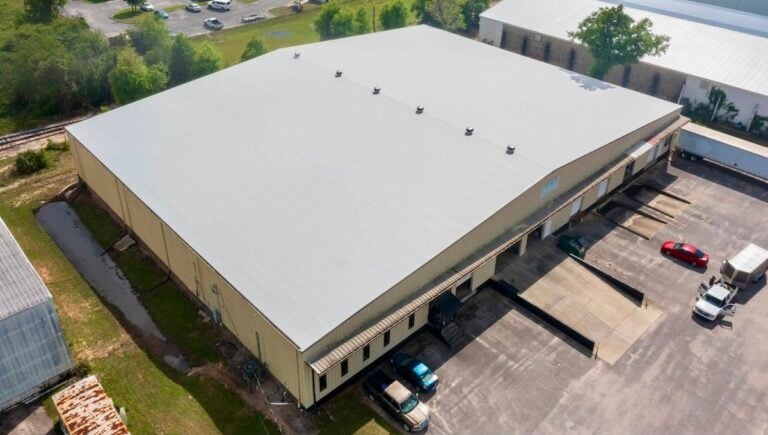
Industrial facilities often use specialized commercial roofing materials designed for large structures, including flat roof systems, low slope roof applications, and single ply membranes. Because these buildings protect equipment, inventory, and operations, roofing problems can create serious financial and safety concerns if ignored.
Signs an Industrial Roof Needs Replacement
Industrial roofing systems often show warning signs before complete failure occurs. Recognizing these indicators early can help building owners plan ahead and avoid emergency situations.
Frequent Leaks
Recurring leaks are one of the clearest signs that an industrial roof may be nearing the end of its lifespan. Temporary repairs may no longer provide effective protection.
- Water intrusion: Indicates compromised roofing materials.
- Interior damage: Can affect equipment and operations.
- Ongoing repairs: Suggest larger roofing problems.
Ponding Water
Standing water on flat roof systems can accelerate deterioration and weaken roofing materials over time. Poor drainage often shortens the lifespan of industrial roofing systems.
- Drainage issues: Prevent proper water runoff.
- Membrane deterioration: Increases wear on roofing surfaces.
- Structural stress: Adds extra weight to the roof.
Rising Energy Costs
Older roofing systems may lose insulation efficiency over time. This can increase heating and cooling costs for large industrial facilities.
- Poor insulation: Allows air loss and temperature changes.
- Higher utility bills: Reduces operational efficiency.
- Aging materials: Decrease thermal performance.
Visible Roof Damage
Cracks, punctures, seam separation, and damaged flashing can all indicate serious roofing deterioration. Industrial roofs exposed to severe weather often experience accelerated wear.
- Surface deterioration: Weakens roof protection.
- Membrane damage: Increases leak risk.
- Storm exposure: Can shorten roof lifespan.
6 Reasons Industrial Roof Replacement Becomes Necessary
Industrial roof replacement is often required when roofing systems can no longer provide reliable protection or cost-effective performance. Several factors commonly contribute to replacement needs.

1. Aging Roofing Materials
All roofing materials have a limited lifespan, especially under harsh weather conditions. Older industrial roofs eventually lose their effectiveness.
- Material breakdown: Reduces waterproofing ability.
- Weather exposure: Accelerates wear and deterioration.
- End of lifespan: Increases replacement needs.
2. Extensive Water Damage
Long-term moisture exposure can weaken roofing systems and structural components. Water intrusion often spreads beyond visible leak areas.
- Deck deterioration: Weakens structural integrity.
- Mold growth: Creates indoor air quality concerns.
- Insulation damage: Reduces energy efficiency.
3. Repeated Repair Costs
Constant repairs can become more expensive than investing in a full replacement. Frequent patchwork may only provide temporary solutions.
- Ongoing maintenance: Increases operational costs.
- Recurring leaks: Suggest deeper roofing issues.
- Limited effectiveness: Repairs may stop lasting long term.
4. Storm Damage
Industrial roofs in coastal regions are especially vulnerable to storms, strong winds, and heavy rainfall. Severe weather can cause widespread damage.
- Wind uplift: Damages roofing membranes and flashing.
- Debris impact: Creates punctures and tears.
- Water intrusion: Leads to interior damage.
5. Safety and Code Compliance
Older industrial roofs may no longer meet modern building codes or safety standards. Replacement can improve compliance and reduce liability risks.
- Code updates: Require modern roofing standards.
- Safety concerns: Reduce risks for occupants and workers.
- Inspection failures: May trigger replacement requirements.
6. Improved Energy Efficiency Goals
. Modern roofing systems often provide better insulation and reflective performance. According to the U.S. Department of Energy, substituting a cool roof for a conventional roof can reduce the annual air conditioning energy use of a single-story building by up to 15% — making modern reflective roofing systems one of the most practical long-term investments for industrial facilities looking to reduce operating costs.
- Reflective roofing: Helps reduce heat absorption.
- Better insulation: Improves indoor temperature control.
- Energy savings: Lowers cooling costs.
Industrial Roofing Material Comparison
Industrial roof replacement requires matching the building’s usage and budget to the appropriate material. Choosing the right system depends on climate conditions, facility operations, maintenance expectations, and long-term performance goals.
| Roofing System | Average Lifespan | Common Benefits |
| TPO roofing | 20 to 30 years | Energy efficiency and flexibility |
| EPDM roofing | 20 to 30 years | Excellent weather resistance |
| PVC membranes | 20 to 30 years | Chemical and moisture resistance |
| Modified bitumen | 15 to 25 years | Strong waterproofing |
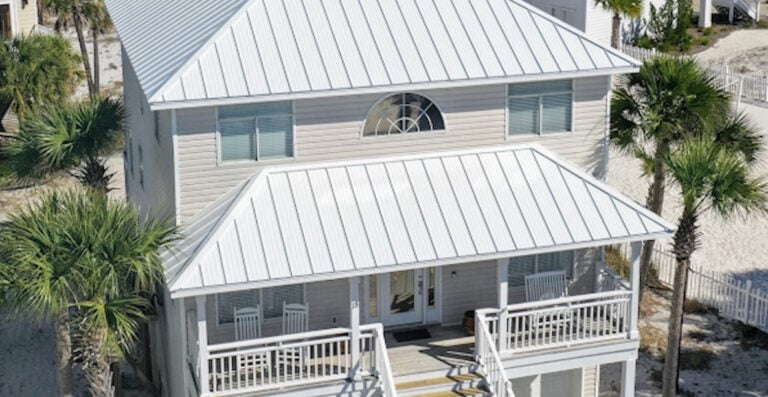
| Metal roofing systems | 40+ years | Long term protection |
Selecting the right commercial roofing materials depends on climate conditions, building design, and long-term maintenance goals.
On average, commercial roof replacement costs can range from $3.50 to $7.00 per square foot, depending on the materials and labor involved. Larger facilities, specialty systems, and structural repairs can increase overall project pricing.
How Industrial Roof Replacement Projects Work
Industrial roof replacement projects typically involve several stages from inspection through final installation. Proper planning helps minimize business interruptions and improve project efficiency.
The process usually begins with a roof inspection and condition assessment. Contractors then develop a replacement plan, coordinate materials, and schedule installation around operational needs whenever possible to help ensure minimal business disruption during the flat roof project.

Before any work begins, contractors must obtain local building permits and develop a safety and staging plan for scaffolding and heavy equipment. This planning process helps improve job site safety and keeps the project organized throughout installation.
During installation, the existing roofing materials may be removed and replaced with updated systems designed for durability and energy efficiency. Some projects may also include a roof coating system to improve weather resistance and extend roof lifespan. Final inspections ensure the roofing system meets performance and safety standards.
How to Extend the Life of an Industrial Roof
Preventative roof maintenance can help industrial roofing systems last longer and reduce the risk of premature replacement. Regular inspections are especially important for large facilities exposed to severe weather.
- Schedule inspections: Identify issues before they worsen.
- Maintain drainage systems: Prevent ponding water.
- Address repairs quickly: Reduce long-term damage.
- Monitor roof traffic: Limit unnecessary wear.
Consistent roof maintenance helps protect industrial roofing systems and improve long-term performance.
Why Professional Installation Matters
Industrial roofing projects require careful planning, experienced crews, and quality materials. Working with commercial roof replacement contractors helps ensure the roofing system is installed properly and performs as expected.
Professional installation also helps protect manufacturer coverage requirements. Many roofing systems include a manufacturer’s warranty that depends on approved installation methods and ongoing maintenance practices. Whether installing a new roof or replacing a new flat roof system, experienced contractors help provide a long term solution for industrial properties.
Protect Your Facility with Quality Roofing Solutions
Industrial roof replacement is an important investment in the safety, efficiency, and long-term performance of your building. At Quality Roofing Solutions, our roofing company provides reliable industrial roofing services designed to protect facilities from weather damage and operational disruptions.
We’re proud to serve property owners and businesses in Pensacola, FL, and nearby communities with industrial roofing solutions and more. Our experienced team works with high-quality commercial roofing materials and provides dependable installation services tailored to each facility’s needs.
If your commercial roof is showing signs of aging or damage, contact Quality Roofing Solutions today to schedule an inspection and consultation. Let us help you protect your property with a durable roofing solution built to last.