 (850) 753-0041


Acrylic Roof Coating: 7 Benefits and Best Uses
July 9, 2026
10 minutes Read
If your roof is showing its age but still has solid structural integrity, there is a smarter option than a full replacement. Acrylic roof coating is one of the most cost-effective ways to extend the life of an existing roof, improve energy efficiency, and add a layer of waterproofing protection without the disruption or expense of tearing off what is already there. If you want to understand whether a commercial roof coating makes sense for your property, this blog walks you through everything you need to know. Here is what we cover:
- What acrylic roof coating is and how it works
- The 7 key benefits that make it a popular choice in Florida
- Which roof types are best suited for acrylic coating
- How acrylic compares to other coating types
- Frequently asked questions homeowners and property owners commonly ask
What Is Acrylic Roof Coating?

Acrylic roof coating is a water-based, elastomeric liquid membrane applied directly to an existing roof surface. Once cured, it forms a seamless, flexible, highly reflective layer that bonds to the substrate and moves with the roof as temperatures shift and the structure expands and contracts. It is one of the most widely used roof coating systems in the country, particularly in warm, sun-heavy climates like northwest Florida, where UV exposure and heat are year-round concerns.
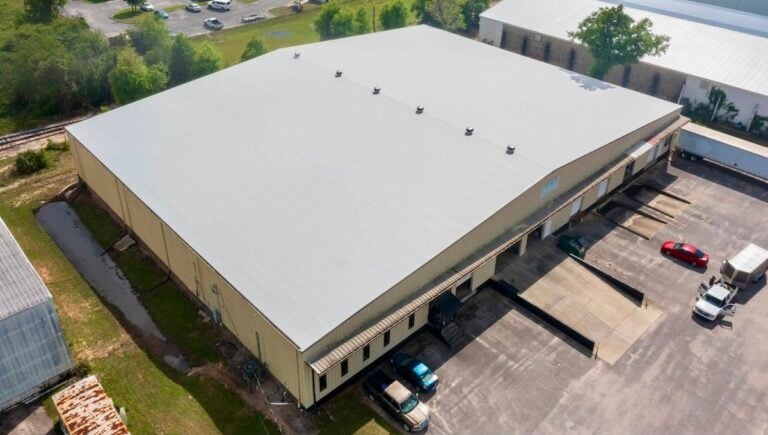
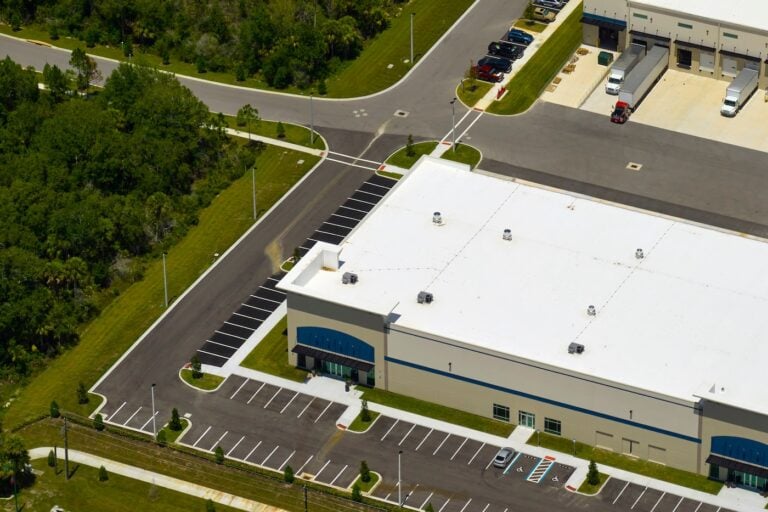
The coating itself is made from acrylic polymer resins suspended in water. When applied by a professional, it spreads across the surface and cures into a continuous film that resists UV degradation, repels water, and reflects a significant portion of the sun’s solar radiation away from the roof deck. This makes it especially well-suited to flat and low-slope roofs on both residential and commercial buildings.
How It Differs from Paint
Acrylic roof coating is not paint, though the two share a water-based chemistry. Standard exterior paint is designed to protect a vertical surface from moisture and UV damage at a relatively thin film thickness. Acrylic roof coatings are engineered to be applied at much greater thickness, creating a membrane with meaningful elasticity, waterproofing capability, and solar reflectance that paint cannot match. A properly applied acrylic coating system typically uses multiple coats to build up a mil thickness that meets manufacturer specifications for performance and warranty coverage.
Is Acrylic the Same as Elastomeric Roof Coating?
The two terms are often used interchangeably, and for good reason. Most elastomeric roof coatings are acrylic-based. The term elastomeric simply describes the coating’s ability to stretch and return to its original shape without cracking, which is one of the defining characteristics of acrylic roof coating systems. Not all elastomeric coatings are acrylic, but acrylic coatings are always elastomeric.
7 Benefits of Acrylic Roof Coating
Acrylic roof coating delivers a range of practical advantages that make it one of the most recommended roof restoration options for Florida property owners. Here are the seven benefits that matter most.
1. Outstanding UV and Solar Reflectance
Acrylic coatings are among the most reflective roof coating systems available, typically achieving a solar reflectance of 80 percent or higher when applied in white. This is significant in a state like Florida, where roofs absorb intense solar radiation for the majority of the year. According to the U.S. Department of Energy, white roofing products reflect approximately 60 to 90 percent of sunlight, making reflective coatings like acrylic one of the most effective tools for reducing roof surface temperatures and lowering cooling loads in hot climates.
2. Significant Energy Cost Savings
By reflecting solar radiation rather than absorbing it, an acrylic roof coating reduces the amount of heat transferred into the building below. This directly lessens the workload on air conditioning systems, which translates to lower monthly energy bills. For commercial property owners in Fort Walton Beach and nearby Okaloosa County communities, where cooling costs run high throughout long Florida summers, this benefit alone often justifies the investment in a coating system.
3. Extended Roof Lifespan
One of the most practical reasons property owners choose acrylic roof coating is the ability to add years to an existing roof without replacing it. By sealing the surface against UV degradation, water infiltration, and thermal cycling damage, the coating slows the deterioration of the underlying roofing material. Many properly maintained acrylic coating systems can extend a roof’s serviceable life by 10 years or more, deferring the much larger cost of a full replacement.
4. Seamless Waterproofing
When applied correctly, acrylic roof coating creates a continuous, seamless membrane with no seams, joints, or fasteners where water can penetrate. This is particularly valuable on flat and low-slope roofs, where standing water is a persistent concern and traditional roofing materials are vulnerable at their seams and terminations. The seamless nature of the cured coating eliminates many of the common entry points that allow water into a building.
5. Flexibility and Crack Resistance
Acrylic elastomeric coatings are formulated to stretch significantly without cracking, then return to their original shape. Florida’s climate puts roofs through significant thermal cycling, with surface temperatures swinging dramatically between cool mornings and sun-baked afternoons. A rigid coating would crack under this repeated stress, but the elastomeric properties of an acrylic system allow it to move with the roof deck without compromising the waterproofing layer.
6. Environmentally Friendly Chemistry
Acrylic roof coating is water-based, which means it contains very low levels of volatile organic compounds compared to solvent-based alternatives like some silicone or polyurethane coatings. This makes application safer for roofing crews and building occupants, reduces the environmental impact of the installation, and allows cleanup with water rather than harsh solvents. For property owners focused on sustainable building practices, acrylic is typically the preferred roof coating chemistry.
7. Cost-Effective Roof Restoration
Among the available options for restoring an aging roof, acrylic coating systems are generally the most affordable per square foot. When compared to the cost of a full roof tear-off and replacement, a professionally applied acrylic coating system can deliver meaningful performance improvements at a fraction of the price. This makes it an attractive option for commercial property owners managing large roof areas, as well as residential homeowners looking for a cost-effective way to protect their investment.

Which Roof Types Are Best Suited for Acrylic Coating?
Acrylic roof coating performs well on a wide range of substrates, but it is not the right solution for every roof. Understanding which roof types benefit most from acrylic helps property owners make an informed decision before committing to a coating project.
| Roof Type | Acrylic Coating Suitability | Key Consideration |
| Metal roofing | Excellent | Prep and priming are critical for adhesion |
| TPO / single-ply membrane | Good | Verify compatibility with membrane manufacturer |
| Modified bitumen | Good | Surface must be clean and free of active leaks |
| Built-up roofing (BUR) | Good | Smooth surface required for uniform application |
| Asphalt shingles (steep slope) | Limited | Acrylic is better suited to low-slope applications |
| Spray polyurethane foam (SPF) | Excellent | Acrylic is the most common SPF topcoat |
The most important qualification for any acrylic coating project is roof condition. The coating is a restoration tool, not a repair product. If a roof has active leaks, saturated insulation, or structural damage, those issues must be addressed before a coating is applied. A professional roof inspection is the essential first step to determining whether acrylic coating is the right path forward.
How Acrylic Compares to Other Coating Types
Property owners evaluating roof restoration options often want to understand how acrylic stacks up against silicone and polyurethane coatings before making a decision.
- UV resistance: Acrylic is excellent at resisting UV degradation, outperforming silicone in this category. Silicone is more resistant to ponding water but tends to attract dirt over time, losing reflectance faster than acrylic.
- Water resistance: Silicone outperforms acrylic in areas with frequent or prolonged ponding water. Acrylic can soften when submerged for extended periods, making proper drainage critical on flat roofs receiving an acrylic system.
- Application ease: Acrylic is the easiest coating type to apply, clean up, and recoat. It can be applied by brush, roller, or spray, and cleans up with water.
- Cost: Acrylic is typically the most affordable of the major coating types, making it the starting point for most budget-conscious restoration projects.
- Recoatability: Acrylic roofing systems can be recoated when needed to refresh reflectance and add additional membrane thickness, extending the system’s lifespan further.
Frequently Asked Questions About Acrylic Roof Coating

Property owners in Florida tend to have similar questions before committing to a roof coating project. Here are clear answers to the most common ones.
How long does acrylic roof coating last?
A professionally applied acrylic roof coating system typically lasts between 10 and 15 years depending on the quality of the product, the application thickness, and how well the roof is maintained. Many manufacturers offer warranty coverage in the range of 10 to 15 years when their systems are applied by certified contractors following product specifications. Recoating at the end of the warranty period can extend the system’s life further without requiring a full replacement.
Can acrylic roof coating be applied over an existing coating?
Yes, acrylic coating can generally be applied over an existing acrylic system in good condition, which is one of its key advantages over other coating types. The existing surface must be clean, properly adhered, and free of active moisture before recoating. Applying acrylic over silicone is not compatible, and vice versa, so it is important to know the existing coating chemistry before specifying a recoat product.
Does acrylic roof coating stop leaks?
Acrylic roof coating is a waterproofing membrane that, when applied at proper thickness to a suitable substrate, significantly reduces the risk of water infiltration. However, it should not be viewed as a leak repair product. Active leaks and damaged areas need to be repaired before coating, because applying acrylic over a compromised substrate seals the problem in rather than fixing it. We’re proud to serve home and business owners in Fort Walton Beach, FL, and nearby communities with comprehensive roof inspections and coating services that address underlying issues first.
Is acrylic roof coating right for my commercial flat roof?
Acrylic coating is one of the most popular choices for commercial flat roof restoration in Florida, particularly for metal and built-up roofing systems with good underlying structure. The combination of solar reflectance, seamless waterproofing, and cost efficiency makes it a logical fit for large commercial roof areas where energy savings scale with square footage. A professional assessment will confirm whether your specific roof is a good candidate.
What is the difference between acrylic and elastomeric roof coating?
Acrylic roof coating is a type of elastomeric coating. The term elastomeric describes any coating that has significant stretch and recovery capability, and most elastomeric roof coatings on the market use acrylic polymer chemistry as their base. When a product is labeled simply as elastomeric, it is usually an acrylic system. The two terms are largely interchangeable in the roofing industry.
Quality Roofing Solutions: Coating Your Roof the Right Way

An acrylic roof coating applied by the right team can be one of the smartest investments a Florida property owner makes. It extends roof life, lowers energy costs, and provides real waterproofing protection without the price tag of a full tear-off. But the results depend entirely on the quality of the inspection, the preparation work, and the application itself. Cutting corners on any of those steps produces a system that underperforms and underdelivers.
At Quality Roofing Solutions, we have been helping homeowners and commercial property owners across northwest Florida protect their roofing investments for over 20 years. Our team knows which substrates are right for acrylic coating, how to prepare a roof surface for maximum adhesion, and how to apply a system that holds up through Florida’s demanding climate. Contact our team today to schedule your free roof inspection and find out whether acrylic coating is the right next step for your property.