 (850) 753-0041


Hurricane Proof Roof: What Florida Homeowners Should Know
September 1, 2026
11 minutes Read
Every Florida homeowner with a mortgage has heard the phrase “hurricane proof roof” from contractors, from insurance agents, and from neighbors after every storm season. The honest answer is that no roof is completely impervious to a major hurricane. What actually exists is a spectrum of hurricane resistance, and understanding where your roof sits on that spectrum is one of the most practical things a homeowner in hurricane prone areas can do before storm season. Knowing which systems are built to withstand winds at your local design speed, and which fall short, shapes every roofing decision that follows. If you want an expert evaluation of your hurricane proof roof readiness, our residential roofing team is ready to help. Here is what we cover:
- What “hurricane proof” actually means for residential roofing
- How different roofing materials perform in hurricane conditions
- The 4 installation and structural details that determine real wind resistance
- What the IBHS FORTIFIED program means for Florida homeowners
- Frequently asked questions Florida homeowners commonly ask

What “Hurricane Proof” Actually Means
No residential roofing product carries a true hurricane-proof designation. What roofing systems carry instead are wind speed ratings, tested performance thresholds that indicate how much sustained wind and pressure loading a system can withstand before failure. These ratings are the most reliable tool available for comparing how well a roof for hurricanes will actually perform. Florida Building Code establishes minimum wind speed design requirements by county and coastal exposure zone, and roofing systems installed in Florida must meet those minimums at installation.
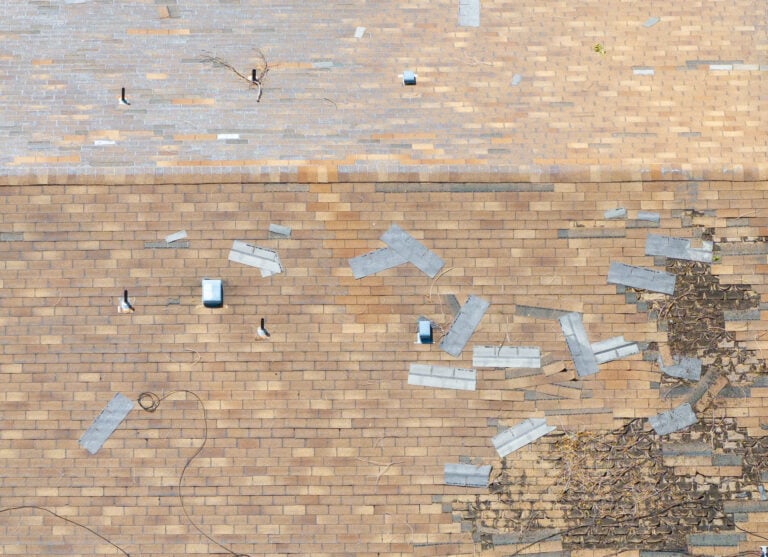
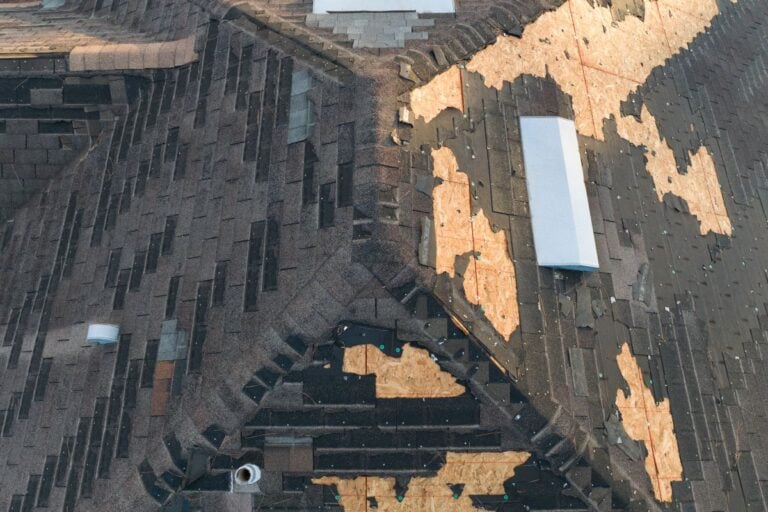
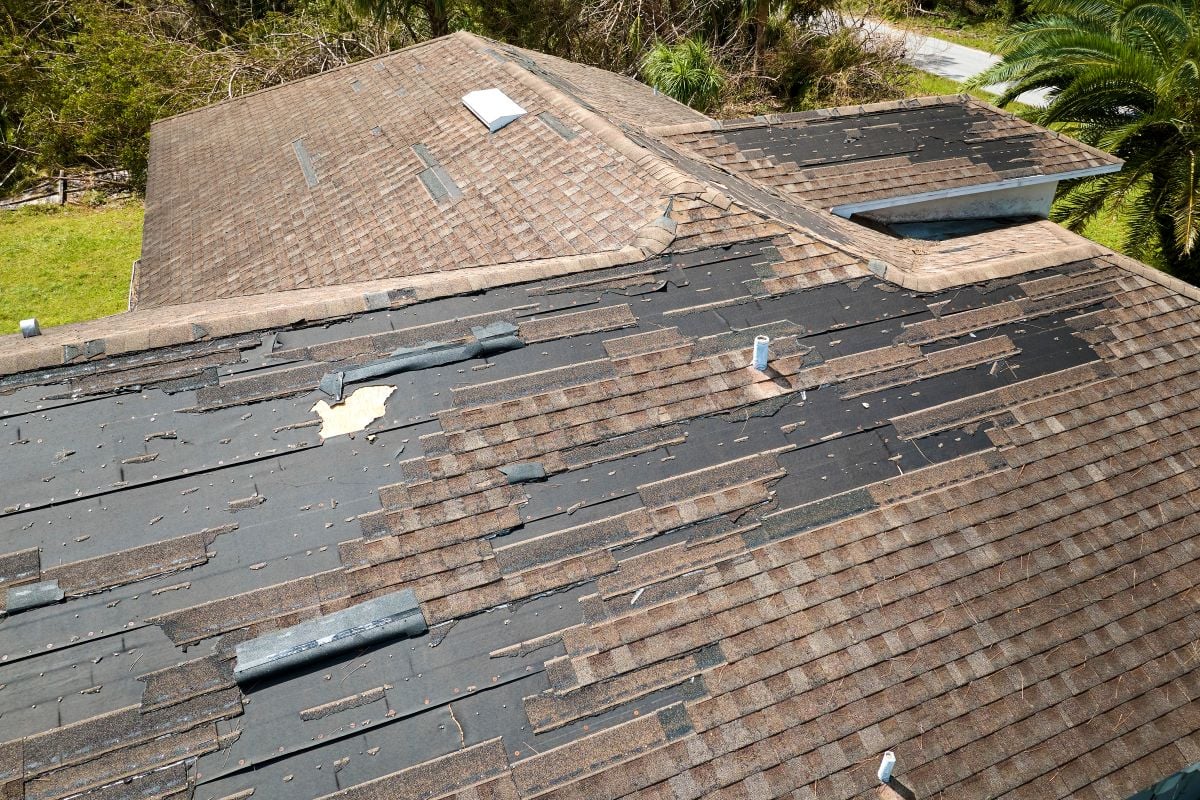
According to the Insurance Institute for Business and Home Safety (IBHS), a post-Hurricane Ian assessment found that approximately half of all asphalt shingle roofs in the storm’s impact zone had damage issues, while metal roofing systems held up well in winds below 130 mph — underscoring how dramatically roofing material choice and installation quality affect real-world hurricane outcomes. That gap in performance between roof types is not accidental. It reflects decades of engineering research on how different materials behave under wind uplift, impact loading, and wind-driven rain penetration.
The Role of Installation in Hurricane Performance
The single most important variable in a roof’s hurricane resistance is not the material; it is the installation. A premium standing seam metal roof installed with improper clip spacing and inadequate fastener penetration into the decking will fail at wind speeds that a correctly installed architectural shingle roof would survive. The IBHS research consistently identifies installation deficiencies, inadequate nailing, improper flashing, and skipped sealant as the primary driver of premature roof failure in hurricane events, more than material choice alone. We’re proud to serve home and business owners in Pensacola, FL, and nearby communities with roofing installations that meet Florida Building Code wind resistance requirements and are backed by proper documentation.
How Roofing Materials Perform in Hurricane Conditions
Understanding how each common roofing material responds to hurricane-force winds helps homeowners make informed decisions when replacing a roof or evaluating their current system.
| Roofing Material | Typical Wind Rating | Hurricane Ian Performance | Florida Suitability |
| 3-Tab Asphalt Shingles | 60-70 mph | High damage rate | Poor — below code in most coastal zones |
| Architectural Shingles | 110-130 mph | Moderate to high damage rate | Acceptable inland; marginal coastal |
| Impact-Resistant (Class 4) Shingles | 130-150 mph | Better performance than standard | Good for most Florida zones |
| Standing Seam Metal | 140-180+ mph | Held up well below 130 mph | Excellent — best asphalt alternative |
| Concrete tiles clay (Concrete or Clay Tile) | 150+ mph | Improved performance vs. 2004 | Good when properly attached |
| Wood Shakes | 60-90 mph | High damage rate | Poor — not recommended in hurricane prone areas |
| Exposed Fastener Metal | 90-120 mph | Fastener-dependent performance | Adequate inland; not coastal first choice |
Asphalt Shingles
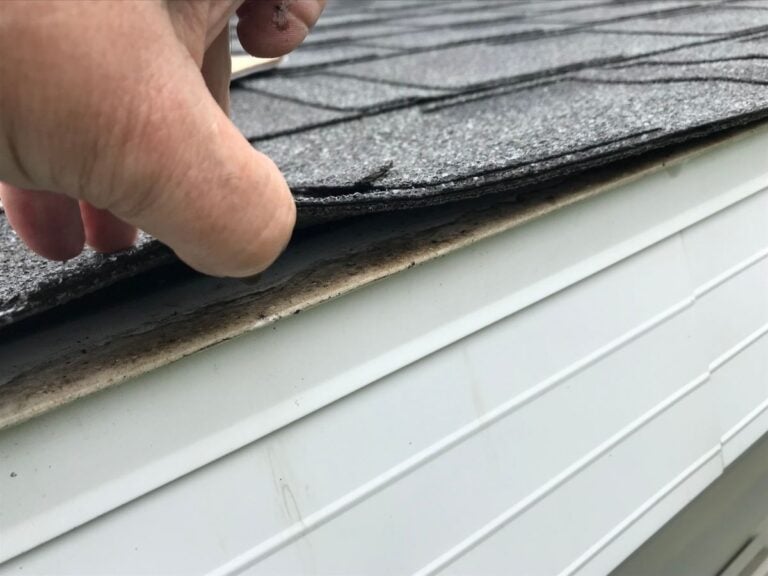
Standard architectural asphalt shingles are the most common roofing material in Florida and the most commonly damaged in major storms. Their Achilles heel is the adhesive sealant strip; the factory-applied adhesive that bonds shingle tabs to the course below. When this strip fails from age, heat cycling, or inadequate factory application, shingles are vulnerable to wind uplift at speeds well below their rated threshold. Roofs over 10 to 15 years old are especially vulnerable, as the sealant strip has typically lost meaningful adhesion in Florida’s heat.
Metal Roofing
Standing seam metal is the strongest performer among common residential roofing materials in hurricane conditions. The concealed fastener design eliminates the primary failure point of exposed fastener systems, and the mechanical seam between panels creates a continuous interlocked surface that resists wind uplift across the full panel run. Properly installed standing seam systems are rated to 140 mph or higher and can withstand winds at the extreme winds threshold encountered in Category 3 and 4 hurricane conditions. Metal is the most recommended material for homeowners in hurricane prone areas who want the maximum achievable hurricane resistance in a residential product.
Concrete Tiles and Clay Tiles
Concrete tiles and clay tiles, often grouped as concrete tile/clay systems, have improved significantly in hurricane performance since Hurricane Charley in 2004, largely due to upgraded installation standards requiring more robust mortar and mechanical attachment. These materials carry strong wind resistance when installed correctly, but their vulnerability lies at the eave and rake edges where wind uplift forces concentrate. Re-roofing with concrete tiles or clay tiles under current Florida Building Code requirements produces meaningfully better results than pre-2004 installations that remain on many homes.

4 Factors That Make a Roof Hurricane Resistant
Beyond material selection, four installation and structural details determine how a roof actually performs when a major storm arrives.
- Nailing pattern and penetration: Florida Building Code requires a minimum of four nails per shingle in most zones, driven to the manufacturer’s nail line without overdriving. Under-nailed or overdriven nails are among the most common installation deficiencies found during post-storm assessments.
- Roof deck attachment: The connection between the roof deck and the structural framing below it is the foundation of the entire system. Hurricane straps at each rafter-to-top-plate connection transfer wind uplift loads from the roof deck into the wall structure, preventing the deck from lifting under extreme winds. Homes built before the 2002 Florida Building Code update frequently lack hurricane straps and may have only toenail connections that offer far less resistance.
- Sealed roof deck: A self-adhering peel-and-stick underlayment applied over the full deck surface, not just at eaves, provides critical secondary protection if shingles or panels are displaced. A sealed deck is the difference between losing shingles in a storm and losing interior contents to rain intrusion through the exposed deck.
- Drip edge, roof overhang, and flashing integrity: Properly installed drip edge at all eaves and rake edges protects the roof overhang from wind-driven moisture intrusion — a critical detail since a compromised roof overhang can allow water to wick behind the fascia and into the wall assembly. Correct flashing at all penetrations and transitions eliminates the secondary entry points that allow wind-driven rain into the structure even when the primary roof cover is largely intact.
The IBHS FORTIFIED Program
The IBHS FORTIFIED Home program is a voluntary construction standard that goes beyond Florida Building Code minimums to provide a third-party certified level of hurricane resistance. FORTIFIED Roof is the entry level of the program and focuses specifically on strengthening the roof system.
FORTIFIED Roof requirements include a sealed roof deck with self-adhering underlayment over the full surface, enhanced nailing with ring-shank nails at specified spacing, upgraded drip edge attachment, and proper flashing at all penetrations. A FORTIFIED designation requires inspection by a certified third-party inspector; it cannot be self-certified by the contractor. For Florida homeowners, the practical benefit beyond improved storm performance is significant: many Florida insurers offer meaningful premium discounts for FORTIFIED-certified homes, and the certification provides documented proof of construction quality that carries value through any future sale.
Frequently Asked Questions About Hurricane Proof Roofing
Florida homeowners preparing for or recovering from hurricane season consistently ask the same questions. Here are direct answers to the most common ones.
What is the best roofing material for hurricane resistance in Florida?
For a roof for hurricanes, standing seam metal is the top performer: highest wind ratings, fewest failure points, and the best post-storm track record. Impact-resistant Class 4 shingles are the strongest asphalt option. Concrete tiles and clay tiles perform well under current installation standards. Wood shakes are among the worst choices for hurricane prone areas; they carry low wind ratings and are highly vulnerable to wind uplift and impact damage. The weakest options regardless of material are any system past 15 years old with degraded sealant adhesion, or any roof in a high-exposure zone that has not been verified for current code compliance. Roof shape also matters: a hip roof with four sloped sides performs better under extreme winds than a gable roof, which exposes large flat end walls to direct wind pressure.
Does homeowners insurance in Florida give discounts for hurricane-resistant roofing?
Yes — Florida’s insurance market increasingly recognizes wind mitigation features with premium discounts. A wind mitigation inspection, conducted by a licensed inspector, documents features including roof shape, deck attachment, roof cover type, and opening protection. The resulting report is submitted to your insurer and can produce meaningful premium reductions. FORTIFIED certification typically produces the largest documented discounts. Impact-resistant shingles, standing seam metal, and roofs with full peel-and-stick underlayment decks all commonly qualify for credits.
How old does a roof have to be before it becomes a hurricane liability?
Florida insurers and roofing professionals generally regard roofs past 15 years as meaningfully higher risk in hurricane conditions, and many insurers now require replacement of roofs over 15 to 20 years old to maintain coverage. The degradation of the asphalt sealant strip on shingles, the oxidation of exposed fastener washers on metal systems, and the general brittleness that develops in roofing materials under years of UV and thermal cycling all reduce effective wind resistance below the system’s rated performance. A professional wind mitigation inspection gives you an objective assessment of where your roof stands.
What is a wind mitigation inspection and do I need one?
A wind mitigation inspection is a formal assessment by a licensed inspector of the wind-resistant features of your home’s roof and structure. The inspection documents roof shape; a hip roof scores more favorably than a gable roof because its geometry reduces wind pressure on exposed end walls; roof cover material, roof deck attachment method, roof-to-wall connection type, and secondary water resistance features. The resulting form is submitted to your insurance carrier and can lower your premium. Any Florida homeowner with a roof newer than the original construction, or who has had recent work done, should schedule a wind mitigation inspection, as updated features may not be reflected in your current premium.
Can I hurricane-proof an existing roof without full replacement?
Partial improvements are possible but limited. Adding peel-and-stick underlayment requires removing existing shingles. Improving deck attachment requires access to the framing from inside. The most practical improvements on an existing roof without full replacement are confirming and upgrading flashing and sealant at all penetrations, ensuring drip edge is properly installed at the roof overhang edges, and installing hurricane straps in the attic at each rafter-to-wall connection if they are absent. Installing hurricane straps on an existing home requires attic access and is a straightforward retrofit that meaningfully improves wind uplift resistance without touching the roof surface. These details meaningfully reduce wind-driven rain intrusion risk without requiring a full replacement, but they do not substitute for the performance gains of a correctly installed, modern hurricane-resistant roofing system.

Quality Roofing Solutions: Built for Florida’s Storms
A hurricane-resistant roof is not a single product; it is a system of correctly specified materials, correctly installed details, and correctly documented wind resistance features. At Quality Roofing Solutions, we have been installing roofing systems across northwest Florida for over 20 years with the building code knowledge, installation standards, and post-storm experience that Florida’s climate demands. We know what holds up and what does not when the storms arrive.
Whether you want an assessment of your current roof’s hurricane readiness or you are planning a replacement ahead of storm season, our team is ready to give you a straight answer. Contact our team today to schedule your free roof inspection and find out exactly where your roof stands before the next storm.
We install FORTIFIED roofs across Northwest Florida and in Baldwin and Mobile County, Alabama.