850-753-0041


Roof Maintenance Tasks That Extend Your Roof’s Life
November 11, 2026
7 minutes Read
Your roof works around the clock to protect your home, but it rarely gets attention until something goes wrong. A little regular roof maintenance can catch small problems early, prevent costly leaks, and add years to the life of your roof. That’s especially true in Niceville, where intense sun, high humidity, and tropical storms all take a toll on roofing materials. Pairing simple homeowner tasks with professional residential roofing services is the best way to protect your investment for the long haul.
In this guide, you’ll learn:
- Why maintenance matters: How routine care protects your roof and your budget.
- Key tasks: Eight maintenance jobs that help your roof last longer.
- Maintenance schedule: A simple table showing what to do and when.
- Warning signs: Red flags that mean it’s time to call a professional.
- Common questions: Answers to what homeowners ask most about roof care.
Why Regular Roof Maintenance Pays Off

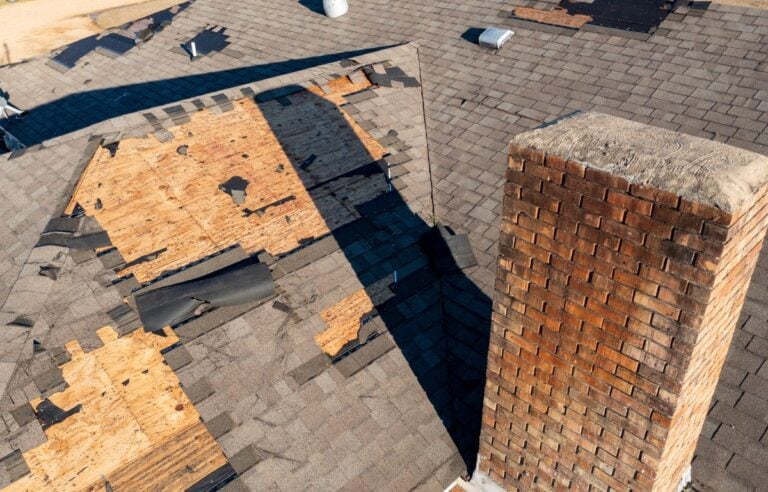
Most roof failures don’t happen overnight. They start as small issues like a lifted shingle or a clogged gutter and slowly grow into leaks, rot, and structural damage. Catching them early keeps minor repairs from turning into costly repairs.
The National Roofing Contractors Association recommends inspecting your roof system at least twice per year, preferably in the spring and fall, with additional checks after severe weather such as a hurricane. Regular inspections help spot seasonal wear early, when repairs are simpler and far less expensive.
Staying on top of maintenance also helps protect your warranty, keeps your home easier to insure, and gives you time to budget for future roofing work instead of being caught off guard.
8 Roof Maintenance Tasks That Make a Real Difference
You don’t need to climb onto your roof to keep it in good shape. Many of these tasks can be done from the ground or handled by a professional during a routine inspection.
- Clean your gutters: Clear leaves and debris at least twice a year so water drains freely and doesn’t back up under the roof edge.
- Trim overhanging branches: Cut back limbs that hang over the roof to reduce falling debris, scraping, and roof damage during high winds.
- Remove roof debris: Leaves, pine needles, and twigs trap moisture against shingles, so have them cleared from valleys, and pay extra attention to flat roofs, where debris and standing water collect easily.
- Check for damaged shingles: Use binoculars after storms to look for cracked, curled, or missing shingles and signs of hail damage from the ground.
- Inspect flashing and seals: Have a professional examine flashing around chimneys, vents, and skylights, and replace cracked caulk or sealant.
- Address algae and moss: Treat dark streaks with a roof safe cleaner instead of pressure washing, which can strip protective granules.
- Look inside your attic: Check for water stains, damp insulation, mold, or daylight coming through the roof deck.
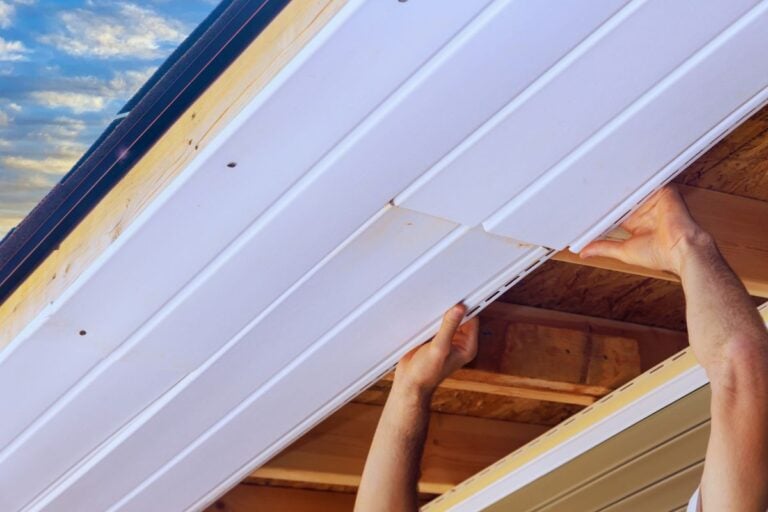
- Keep attic ventilation clear: Make sure soffit and ridge vents aren’t blocked so heat and moisture can escape.
A Simple Roof Maintenance Schedule
Spreading tasks throughout the year makes maintenance easy to manage. Use this schedule as a starting point and adjust it based on your roof’s age and surroundings.
| Task | How Often | Who Should Handle It |
| Gutter cleaning | Twice a year, more with heavy tree cover | Homeowner or professional |
| Visual check from the ground | After every major storm | Homeowner |
| Attic inspection | Twice a year | Homeowner |
| Professional roof inspection | Twice a year, plus after hurricanes | Roofing contractor |
| Flashing and sealant repairs | As needed | Roofing contractor |
| Algae and moss treatment | Every one to two years | Roofing contractor |
| Tree trimming | Once a year | Homeowner or arborist |
In Niceville and across the Panhandle, scheduling your spring inspection before hurricane season begins on June 1 gives you time to handle any roof repair before storm season reaches its peak.
Signs You Need Professional Help

Some issues go beyond basic upkeep and need an experienced roofer right away. Call a professional if you notice any of the following.
- Interior water stains: Brown spots on ceilings or walls usually point to an active leak.
- Granules in gutters: Heavy granule loss means shingles are wearing out faster than normal.
- Sagging areas: A dip in the roofline can signal damaged decking or structural problems.
- Widespread curling or cracking: Large areas of failing shingles often mean a full roof replacement is on the horizon.
- Storm damage: Missing shingles, dents, or lifted flashing after a storm should be inspected quickly.
We’re proud to serve home and business owners in Niceville, FL, and nearby communities with roof inspections, repairs, roof replacement, and more.
Common Roof Maintenance Questions
Roof care can feel confusing, especially if you’ve never had to think much about your roof before. Here are answers to the questions homeowners ask us most often.
How often should I have my roof inspected?
Industry guidance recommends at least two inspections per year, ideally in the spring and fall. Here on the Gulf Coast, it’s also smart to schedule an inspection after any hurricane, tropical storm, or severe hailstorm, even if you don’t see obvious damage from the ground. Strong wind can loosen shingles and break seals without leaving visible signs. A professional inspection gives you a clear picture of your roof’s condition, along with documentation that can help with insurance claims.
Can I do roof maintenance myself?
Many tasks are safe for homeowners, like checking your attic, looking for damage from the ground, and keeping trees trimmed back. However, walking on a roof is dangerous without proper training and safety gear, and it’s easy to damage shingles or miss subtle problems. Gutter cleaning on a single story home may be manageable, but flashing repairs, algae treatment, and anything that requires climbing onto the roof are best left to a professional roofing contractor.
Should I pressure wash my roof?

No. Pressure washing can blast protective granules off asphalt shingles, loosen roofing materials, and force water underneath them, which can shorten your roof’s life and may void your warranty. If your roof has dark streaks from algae, a soft wash using a cleaning solution designed for roofs is a much safer option. Zinc or copper strips installed near the ridge can also help slow future algae growth on many roofs.
How much longer will maintenance make my roof last?
There’s no exact number, since lifespan varies across roof types, from asphalt shingles to a metal roof, and also depends on installation quality and local climate. What’s clear is that a well maintained roof lasts longer than one that’s ignored. Catching loose shingles, failing seals, and clogged gutters early prevents the kind of water damage that leads to needing a new roof early. In a demanding climate like ours, consistent maintenance can be the difference between reaching your roof’s expected lifespan and replacing it years ahead of schedule.
Keep Your Roof in Top Shape With Quality Roofing Solutions
Routine maintenance is one of the smartest investments you can make in your home. For 20 years, Quality Roofing Solutions has helped owners of residential and commercial properties across the Gulf Coast keep their roofs strong through intense sun, humidity, and hurricane season. Our experienced team will give you an honest assessment of your roof’s condition, explain what needs attention, and recommend practical solutions that fit your budget.
We offer free roof inspections and free estimates, so there’s no cost to find out how your roof is holding up. Schedule your inspection today and give your roof the care it needs to last for years to come.