 (850) 753-0041


4 Best Roof Coating Options (Durability, Types & More)
December 12, 2025
6 minutes Read
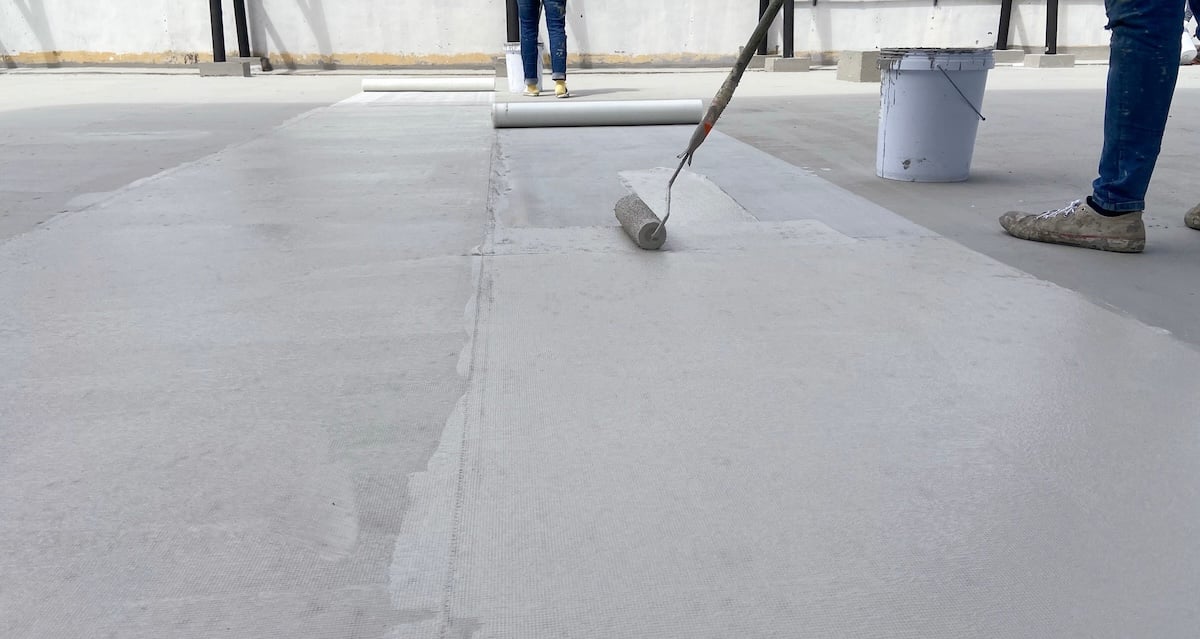
Choosing the right roof coating can make a major difference in how well your roof performs over time. A proper coating adds protection, boosts energy efficiency, and can even extend the life of yourroofing system. Understanding each coating’s benefits and limitations helps homeowners make an informed choice that fits their needs, budget, and local climate.
- Weather protection: Shields against sun, rain, and temperature extremes.
- Energy efficiency: Reflects sunlight to reduce indoor cooling costs.
- Longevity: Helps delay the need for roof replacement.
Why Roof Coatings Matter
Roofs in Florida face intense heat, UV exposure, and frequent rain. Without an added layer of protection, materials like asphalt, metal, and flat roofing membranes can degrade faster. Applying a roof coating enhances durability by sealing small cracks, reflecting heat, and creating a waterproof barrier.
For homeowners in Freeport and surrounding areas, the right coating also improves comfort and helps lower energy use during the long summer months. Even a small boost in reflectivity can make a noticeable difference in your cooling bills and overall indoor temperature.
4 Common Types of Roof Coatings
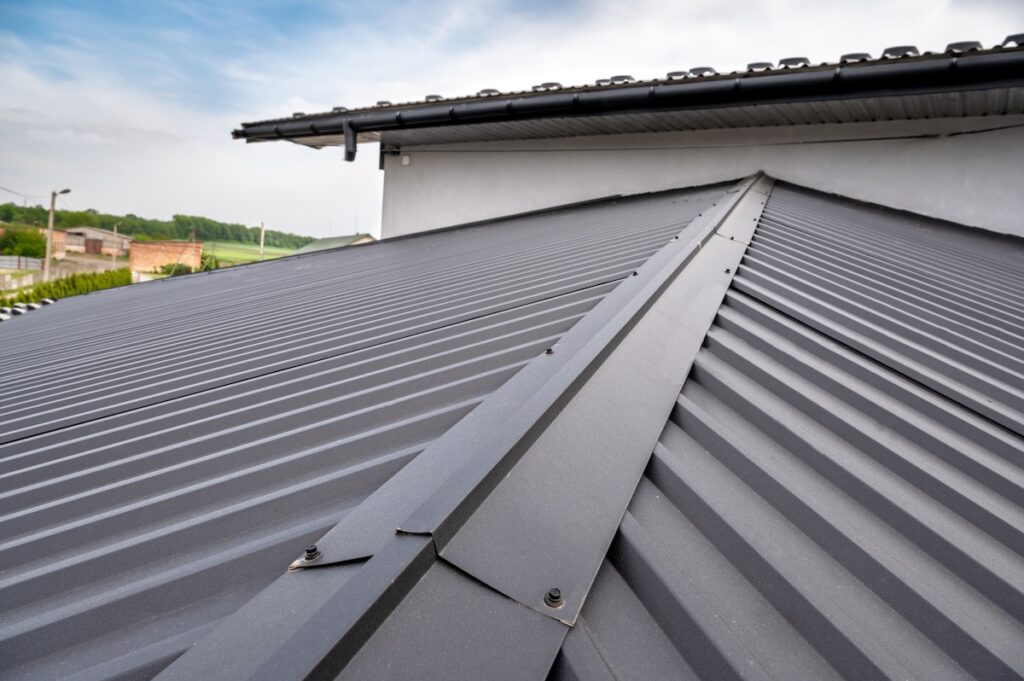
Each type of roof coating offers unique advantages depending on your roof’s material, age, and exposure to the elements.
1. Acrylic Roof Coatings
Acrylic coatings are among the most popular options due to their affordability and UV resistance. They’re water-based, easy to apply, and ideal for sloped roofs that don’t experience standing water.
- Reflective properties: Reduces heat absorption, keeping interiors cooler.
- Cost-effective: Offers great performance at an affordable price.
- Easy maintenance: Can be reapplied as needed to extend protection.
Acrylic coatings work best in mild-to-moderate climates and provide excellent solar reflectivity, which is ideal for sunny regions like Freeport and surrounding areas. However, they’re not as durable under ponding water conditions, so they’re better suited for sloped or pitched roofs.
2. Silicone Roof Coatings
Silicone coatings are designed for maximum waterproofing and weather resistance. They perform well in areas prone to heavy rain and humidity.
- Moisture resistance: Maintains adhesion even on wet surfaces.
- UV stability: Won’t crack or chalk under direct sunlight.
- Low maintenance: Requires minimal upkeep once applied.
Silicone is particularly beneficial for flat or low-slope roofs because it forms a seamless, watertight layer that resists ponding water. While it costs more upfront than acrylic, it provides excellent long-term value through durability and reduced maintenance needs.
3. Polyurethane Roof Coatings
Polyurethane coatings are known for their toughness and impact resistance, making them a great option for high-traffic areas or roofs with equipment like HVAC units.
- Durability: Withstands foot traffic and physical wear.
- Flexibility: Expands and contracts with roof movement.
- Weather resistance: Handles heavy rain and fluctuating temperatures.
There are two main types of polyurethane coatings—aromatic (less UV-resistant and more affordable) and aliphatic (UV-stable and longer-lasting). Combining both provides a balance of strength and weather protection.
4. Asphalt-Based Roof Coatings
Asphalt-based coatings have been used for decades and remain a reliable option for specific roof types like modified bitumen or built-up roofing systems.
- Waterproofing ability: Creates a strong seal against moisture.
- Adhesion strength: Bonds well with older or weathered roofs.
- Cost efficiency: Generally more affordable than synthetic options.
While not as reflective as modern coatings, asphalt-based products excel in sealing and extending the lifespan of flat roofs. They’re often used as part of regular maintenance to prevent leaks and weather-related deterioration.
Factors to Consider When Choosing a Roof Coating
Not all coatings perform the same in every situation. Before selecting one, it’s important to consider several key factors that impact long-term effectiveness.
Roof Material
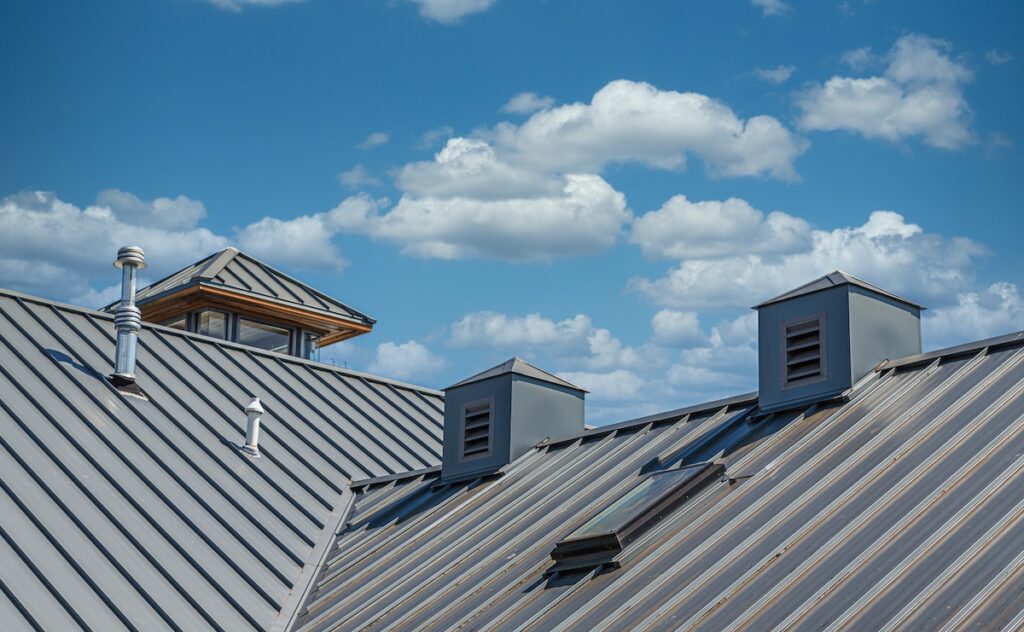
Different coatings work better on certain materials. Silicone and acrylic coatings are ideal for metal or single-ply membranes, while asphalt-based coatings are better suited for traditional bitumen systems.
Climate Conditions
In hot, sunny areas like Freeport and surrounding areas, UV stability and reflectivity are crucial. Silicone and acrylic options provide strong solar resistance, while polyurethane coatings offer better flexibility in areas with temperature swings.
Roof Slope
Flat and low-slope roofs often benefit from silicone coatings due to their ponding resistance. Sloped roofs, on the other hand, do well with acrylic coatings that shed water easily.
Budget and Longevity
While acrylic coatings are generally the most affordable, silicone and polyurethane deliver longer-lasting performance. Weigh upfront cost against durability and maintenance needs to find the best value.
Common Roof Coating Mistakes to Avoid
Even the best coating will fail prematurely if applied incorrectly or used in the wrong conditions.
- Skipping Surface Preparation: Roofs must be clean, dry, and free of loose debris before coating. Failing to remove dirt or moisture can prevent proper adhesion, leading to peeling or bubbling.
- Applying Too Thinly: A thin layer won’t provide full protection. Always follow manufacturer recommendations for coating thickness, typically measured in mils.
- Ignoring Weather Conditions: High humidity, rain, or extreme heat can affect how the coating cures. Choose a dry, moderate day to ensure an even finish.
- Overlooking Maintenance: Although coatings reduce the need for repairs, they still require periodic inspection. Reapplying every few years maintains their reflective and waterproof properties.
How Roof Coatings Extend Roof Lifespan
A properly applied roof coating can extend the life of a roof by 10–20 years. By forming a seamless, UV-resistant barrier, coatings help reduce cracking, corrosion, and thermal stress.
They also minimize energy loss by reflecting sunlight, keeping your home cooler and your HVAC system running efficiently. Over time, this not only reduces energy bills but also lessens environmental impact—a win for both your wallet and sustainability.
In humid coastal areas like Freeport and surrounding areas, coatings play a vital role in preventing premature wear caused by salt air and high temperatures.
Understanding the Limits of Roof Coatings
While roof coatings offer great protection, they are not a cure-all solution. They can’t fix severe structural damage, deep cracks, or extensive leaks. Coatings are best used as part of a maintenance plan on a roof that’s still structurally sound.
If your roof is nearing the end of its lifespan or has significant underlying damage, coating it may only provide temporary results. In those cases, professional evaluation is recommended before proceeding with any major application.
Making an Informed Choice
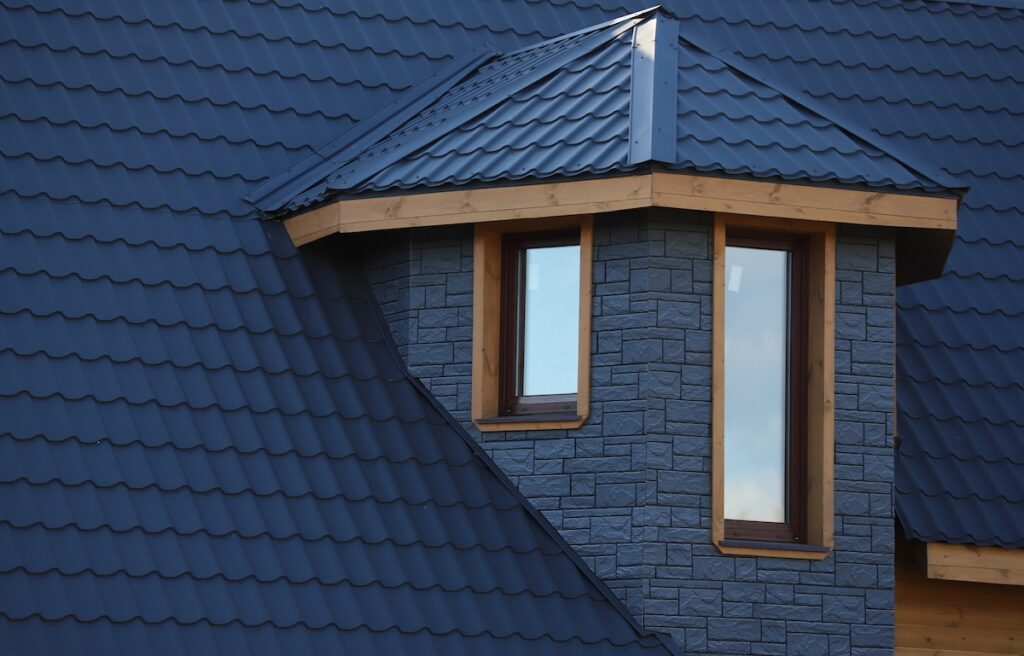
The right roof coating depends on your specific goals—whether that’s extending roof life, improving energy efficiency, or adding an extra layer of waterproofing. Each material performs differently under Florida’s unique conditions, so understanding how they function helps homeowners make the most practical decision.
By comparing factors like cost, durability, reflectivity, and maintenance needs, you can select the coating type that fits your roof and climate. Thoughtful planning ensures the product you choose performs as intended for years to come. Reach out today to learn more and find out how Quality Roofing can help you with your perfect roof!