850-753-0041


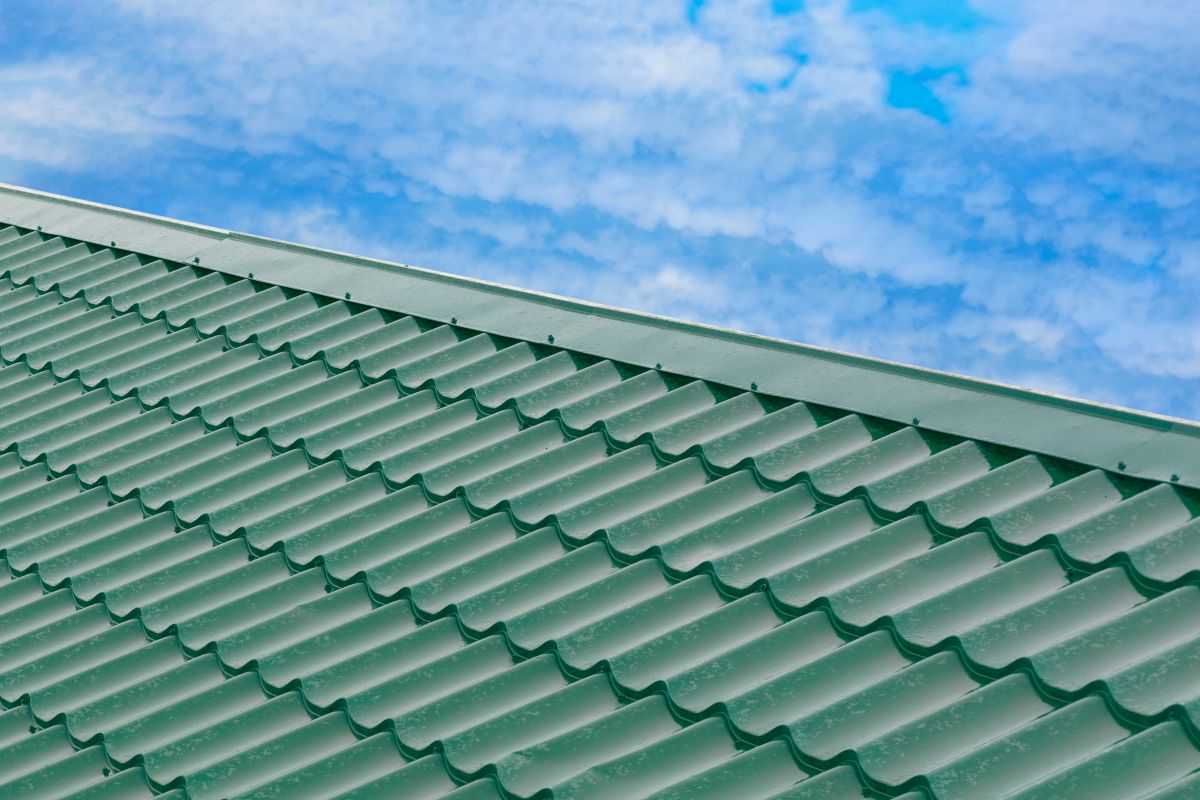
Metal Shingles (Pros, Cons & How They Compare)
October 22, 2026
10 minutes Read
Metal shingles sit in an interesting position in Florida’s roofing market: they deliver most of the performance advantages of standing seam metal roofing in a format that looks more like a traditional shingle or tile roof from the street. For homeowners who want a metal shingle roof with metal’s durability and wind resistance without the industrial appearance of long horizontal panels, metal shingles are the answer worth understanding. But they also come with trade-offs that differ from both standing seam metal and asphalt shingles, and those trade-offs matter more in Florida’s climate than in most other markets. If you are evaluating metal roofing options for your home, this guide covers the full picture and helps you determine whether metal shingles are the right roofing material for your specific home and location. Here is what we cover:
- What metal shingles are and how they are made
- 6 key pros of metal shingles for Florida homeowners
- The honest cons of metal shingles in Florida’s climate
- How metal shingles compare to standing seam metal and asphalt shingles
- Frequently asked questions homeowners commonly ask
The Growth of Metal Shingles in Florida’s Roofing Market

Metal roofing’s residential market share is expanding faster than any other major roofing category. According to The Roofing Brief citing Metal Roofing Alliance and FMI data, residential metal roofing captured roughly 18% of the residential market by 2023 and is forecast to grow approximately 19% in shipments from 2024 to 2028, reaching over 4.8 billion square feet. In the Southern United States, the growth appetite is even stronger: 81% of Southern contractors expected metal roofing sales to increase in 2025, the highest regional figure in the country.
Metal shingles represent one of the fastest-growing segments within that category. Homeowners researching a new metal roof increasingly consider metal shingles because they combine metal’s performance with an aesthetic that fits a wider range of Florida residential architecture than long-panel systems do. Stone-coated steel shingles that mimic tile or shake, stamped aluminum shingles styled after wood shake, and interlocking steel panels with a dimensional profile are all gaining traction in northwest Florida markets like Fort Walton Beach where coastal wind exposure makes performance the primary specification driver.
We’re proud to serve home and business owners in Fort Walton Beach, FL, and nearby Okaloosa County communities with metal shingle installations that are correctly specified for coastal wind exposure and corrosion resistance.
What Are Metal Shingles?
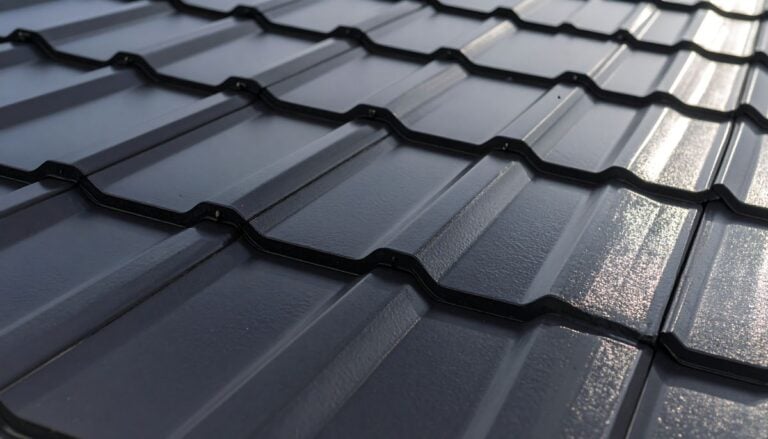
Metal shingles are a roofing material made from individual or interlocking units of steel, aluminum, copper, or zinc that are stamped, formed, or coated to create a dimensional profile resembling traditional shingles, slate, wood shake, or clay tile. Unlike standing seam metal, which uses long continuous panels running from ridge to eave, metal shingles are installed in courses like asphalt shingles, with each unit overlapping the one below it.
The most common types in Florida’s residential market:
- Stone-coated steel: A steel substrate coated with an acrylic base and stone granules that mimic the texture of tile or shake. The stone coating provides UV protection and sound dampening that bare steel lacks.
- Stamped aluminum shingles: Lightweight aluminum panels stamped into a shake or slate profile. Aluminum’s corrosion resistance makes it the preferred substrate for coastal Florida properties.
- Interlocking steel shingles: Steel panels with tongue-and-groove or clip interlocking systems that create a tight, dimensional roofline. Available in flat profiles resembling slate or textured profiles resembling shake.
- Copper shingles: Premium aesthetic option with an exceptionally long service life. Copper develops a natural patina over time and is compatible with coastal salt-air environments.
6 Pros of Metal Shingles for Florida Homeowners
Metal shingles deliver meaningful advantages over both asphalt shingles and standing seam metal in specific use cases. Here is what each advantage actually delivers in Florida conditions.
1. Superior Longevity
Asphalt shingles last 12 to 20 years on average in Florida conditions. Metal shingles outlast them by two to three times in Florida’s demanding climate. Stone-coated steel systems are typically rated for 40 to 50 years. Aluminum shingle systems can reach 50 to 60 years in coastal conditions where steel would corrode faster. That longevity means one installation cycle over the ownership period of most Florida homes rather than two or three asphalt replacements.
- Florida relevance: Coastal UV intensity and salt air accelerate asphalt degradation. Metal shingles are essentially unaffected by the UV exposure that shortens asphalt lifespans.
- Financial case: Two asphalt roof replacements at current Florida pricing often exceed the cost of a single metal shingle installation.
2. Wind Resistance
Most metal shingle systems carry wind ratings of 120 to 160 mph depending on the product and installation method. Interlocking systems, where each shingle clips into the adjacent unit, perform at the higher end of that range because the interlocking connection distributes wind uplift force across multiple fastener points rather than concentrating it at individual exposed fasteners.
- Florida relevance: Most of northwest Florida’s coastal markets carry design wind speed requirements of 120 to 150 mph. Metal shingle systems meeting those ratings qualify for wind mitigation credits that reduce homeowners insurance premiums.
- Class 4 impact resistance: Most stone-coated steel and interlocking aluminum shingle systems carry Class 4 impact resistance ratings, qualifying for additional insurance discounts in Florida’s market.
3. Aesthetic Flexibility
Metal shingles offer the widest aesthetic range of any metal roofing system. Stone-coated steel in a tile profile is visually indistinguishable from concrete tile at street level. Shake-profile aluminum shingles closely replicate cedar shake without the fire risk or maintenance requirements. Flat slate-profile interlocking panels deliver a clean, low-profile appearance that fits contemporary Florida coastal architecture.
- Florida relevance: In communities with HOA design requirements that specify tile or shake appearance, metal shingles can meet those requirements while delivering metal’s performance.
4. Energy Efficiency

Metal shingles with reflective coatings, stone-coated surfaces, or factory-applied pigments reduce solar heat absorption compared to dark asphalt shingles. Metal shingles with reflective coatings can reduce cooling costs by up to 40% in hot climates, working in combination with ridge vents and soffit intake to keep attic temperatures manageable throughout Florida’s long warm season.
- Florida relevance: Energy efficiency improvements from reflective metal shingles are most pronounced in Florida’s climate, where cooling season runs 8 to 10 months of the year and the difference in surface temperature between a dark asphalt shingle and a light-colored metal shingle can exceed 40 degrees Fahrenheit.
5. Lighter Weight Than Tile
Stone-coated steel shingles weigh approximately 100 to 150 pounds per square (100 square feet), compared to 900 to 1,000 pounds per square for clay or concrete tile. This weight difference means most Florida homes that are suitable for tile are also suitable for metal shingles without structural assessment, and homes that cannot support tile’s weight are often candidates for metal shingles as a performance upgrade.
6. Fire Resistance
Metal shingles carry a Class A fire resistance rating, the highest classification available in residential roofing. Metal roofs are also 100% recyclable at the end of their life cycle, making them one of the most environmentally responsible roofing options available. This is the same fire rating carried by tile and standing seam metal, and significantly better than the Class C rating of most standard asphalt shingles. In Florida communities where wildfire exposure is a consideration in some inland areas, Class A fire resistance is a meaningful specification advantage.
The Honest Cons of Metal Shingles in Florida
Metal shingles carry real trade-offs that should be understood before committing to the system.
- Higher upfront cost compared to asphalt: Metal shingle installation typically runs $10 to $20 per square foot installed for stone-coated steel and $12 to $25 for aluminum or specialty systems, a higher upfront cost compared to the $5 to $9 range for asphalt. That is 2 to 4 times the installed cost of traditional asphalt shingles in Florida’s market. The long-term value case is strong, but the upfront investment is real.
- Exposed fasteners on some systems: Unlike standing seam metal, most interlocking metal shingle systems use exposed fasteners at each unit’s top edge. Fastener maintenance, confirming gasket seals remain tight and touching up corrosion around fastener heads, is an ongoing requirement that standing seam avoids entirely.
- Oil canning on flat profiles: Flat-profile metal shingles can show visible waviness on the panel surface, called oil canning, that is a cosmetic issue inherent to the material. It does not affect performance, but it is visible and some homeowners find it objectionable.
- Painted finish maintenance: Painted finishes on metal shingles may need touch-ups every 25 to 30 years as coatings weather and fade in Florida’s UV-intense environment. Premium PVDF coatings hold color longer than standard polyester finishes.
- Harder to match for repairs: If a section of metal shingles is damaged and the product has been discontinued or reformulated, matching the color and profile for a repair is more difficult than with asphalt, where any architectural shingle in a similar color can blend in adequately.
- Denting from hail or falling debris: Stone-coated steel resists denting better than bare aluminum, but large hail events and falling debris can dent aluminum shingle panels. Dents are usually cosmetic rather than structural, but they affect appearance in a way that granule loss on asphalt does not.
How Metal Shingles Compare
| Feature | Metal Shingles | Standing Seam Metal | Architectural Asphalt |
| Wind rating | 120 to 160 mph | 140 to 180 mph | 110 to 130 mph |
| Florida lifespan | 40 to 60 years | 40 to 70 years | 15 to 22 years |
| Installed cost/sq ft | $10 to $25 | $12 to $22 | $5 to $9 |
| Aesthetic options | Widest range | Limited profiles | Wide range |
| Exposed fasteners | Most systems | None (concealed) | Yes |
| Fire rating | Class A | Class A | Class C |
| Impact resistance | Class 4 (most) | Class 4 | Class 4 (impact-resistant) |
| Repair ease | Moderate | Difficult | Easy |
| HOA compatibility | Best of metal options | Limited | Broad |
Frequently Asked Questions About Metal Shingles
Florida homeowners evaluating metal shingles tend to ask the same practical questions. Here are direct answers.
What happens during metal shingle installation?
A qualified installer begins by evaluating the existing deck condition before any material goes on. Installers check plywood sheathing for rot, soft spots, and delamination, replacing any compromised sections before the new system is installed. Underlayment goes on next, followed by installation of the metal shingle system according to the manufacturer’s specification for the local wind exposure zone. Installation typically takes two to five days for a standard residential Florida home, plus permit processing time.
Are metal shingles noisier than asphalt during rain?
Metal shingles installed over a solid deck with underlayment produce sound levels comparable to asphalt shingles during rain. The stone coating on stone-coated steel systems provides additional sound dampening. Open-frame installation without solid decking is significantly louder, but that method is not used on Florida residential homes. Noise is not a practical concern for properly installed metal shingles.
How do metal shingles perform in Florida hurricanes?

Systems with interlocking or clip-secured installation perform strongly in high-wind events. Properly installed interlocking metal shingles with a 150 mph or higher wind rating have shown strong performance in post-storm assessments. The key variables are the wind rating of the specific product, the fastening pattern, and whether the installation was done to the manufacturer’s specification for Florida’s wind exposure zone.
Do metal shingles qualify for insurance discounts in Florida?
Yes. Most metal shingle systems carry Class 4 impact resistance and wind ratings that qualify for wind mitigation credits under Florida’s OIR-B1-1802 form. A wind mitigation inspection documenting the product’s rating and installation is required to claim the credits. The combination of Class 4 impact resistance and high wind rating commonly produces meaningful annual premium reductions.
What is the best metal shingle for a coastal Florida home?
For coastal properties within a few miles of the Gulf, aluminum substrate is the preferred specification over steel because aluminum does not rust in salt-air environments. Stone-coated steel is adequate for inland markets but requires careful attention to any scratches or damaged coating at cut edges in coastal locations. Copper shingles are the premium coastal option, but the cost is significantly higher. Confirm the product carries a Florida Product Approval number before installation.
Quality Roofing Solutions: Metal Shingle Installations Built for Florida
Metal shingles are a strong choice for Florida homeowners who want metal’s performance in an aesthetic that fits their home and neighborhood. At Quality Roofing Solutions, we install metal shingle systems across northwest Florida with the product knowledge to match the right substrate, profile, and coating to your specific location and exposure conditions.
Explore your metal shingle options with a free consultation from our team.