 (850) 753-0041


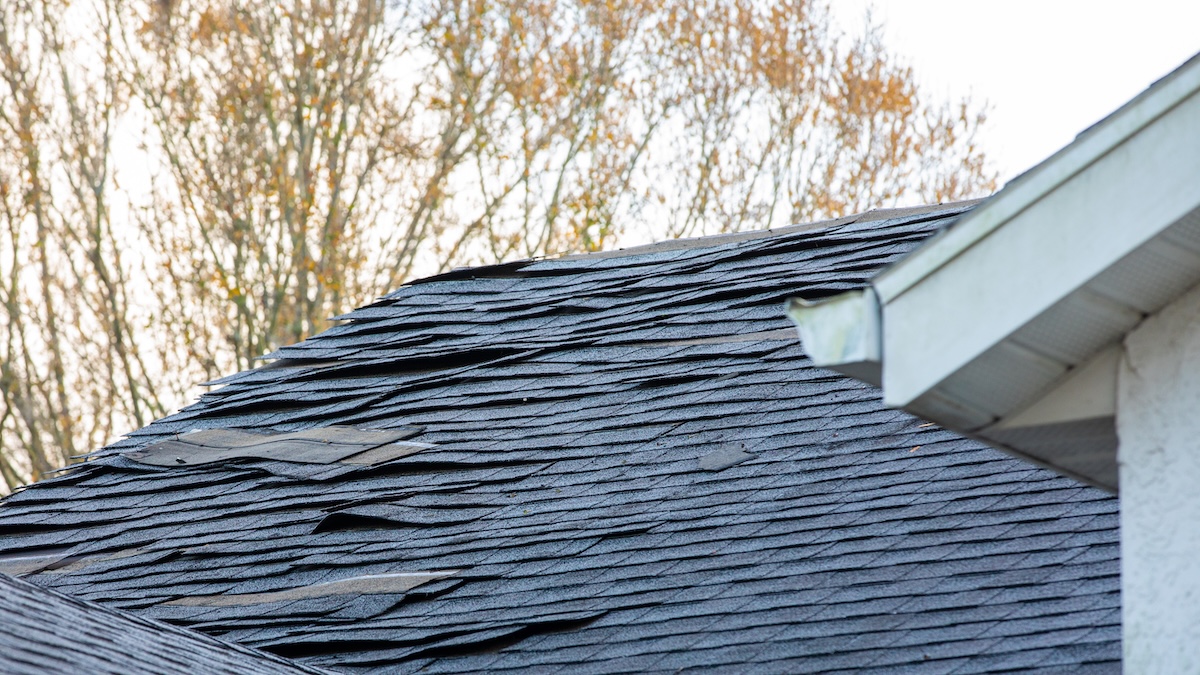
Wind Damage to Roof: 6 Signs You Shouldn’t Ignore
November 28, 2025
6 minutes Read
High winds can wreak havoc on your home, and recognizing the early signs of wind damage to roof materials can save you from costly repairs down the road. Florida homeowners are no strangers to intense weather, and strong gusts can lift shingles, loosen flashing, or expose the underlayment beneath. Knowing what to look for after a storm helps you take quick action before small problems turn into big ones.
- Early detection: Spoting damage early prevents leaks and structural issues.
- Storm preparedness: Understanding how wind affects roofs helps with prevention.
- Professional guidance: Knowing when to call a roofer ensures long-term protection.
Why Wind Damage Happens
Wind damage occurs when uplift forces exceed the strength of roofing materials or their fastening system. It typically starts at the edges, ridges, or corners of your roof, where gusts create suction that lifts shingles or panels. In coastal areas like Navarre and surrounding areas, high humidity and salt exposure can weaken materials over time, making them more vulnerable.
Even minor damage can expose the roof deck to water intrusion, leading to leaks, insulation damage, and mold growth. That’s why post-storm inspections are critical for Florida homeowners—especially after hurricanes or tropical storms.
6 Signs of Wind Damage You Shouldn’t Ignore
After a strong storm, your roof may look fine from the ground—but even minor wind damage can create hidden vulnerabilities that lead to leaks and costly repairs over time. Wind doesn’t always rip off shingles instantly; sometimes it loosens fasteners, weakens seals, or bends flashing in subtle ways that aren’t visible without a close inspection. In coastal regions like Navarre and surrounding areas, frequent gusts and salt air make these issues even more likely.
Taking the time to examine your roof after heavy winds—or better yet, having a professional do it—ensures that small problems are caught before they develop into major water intrusion or structural damage. Here are the key warning signs every homeowner should know.
1. Missing or Lifted Shingles
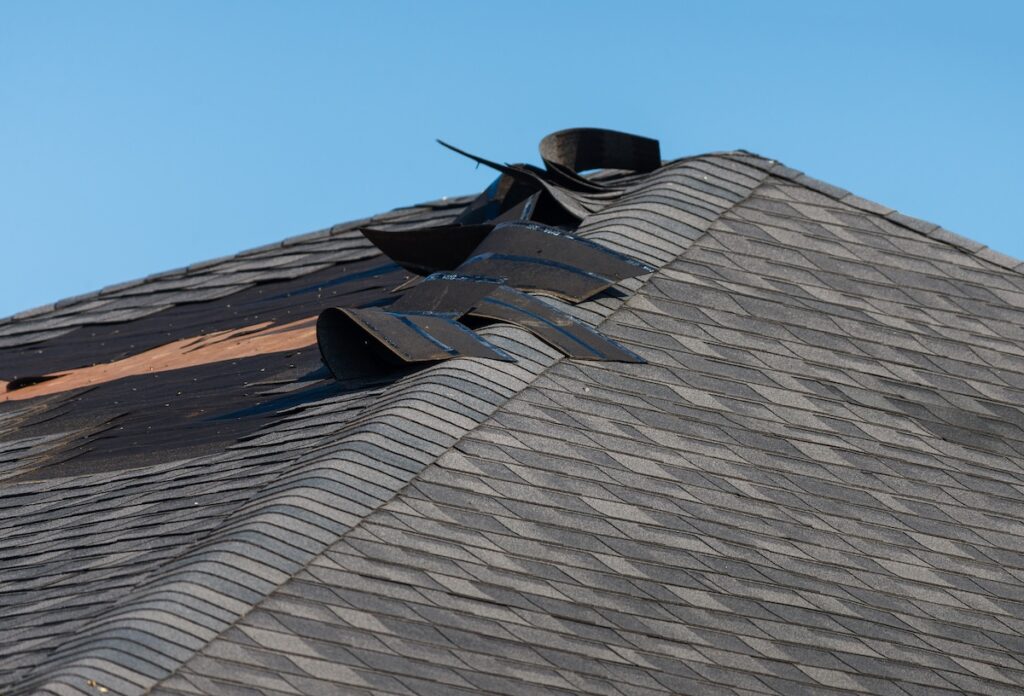
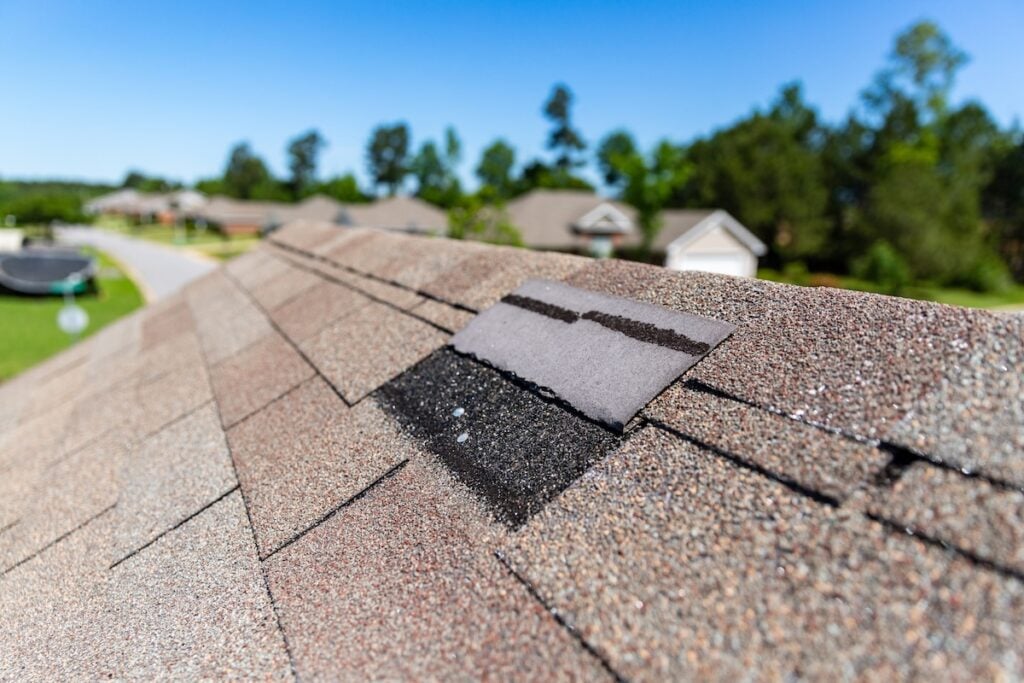
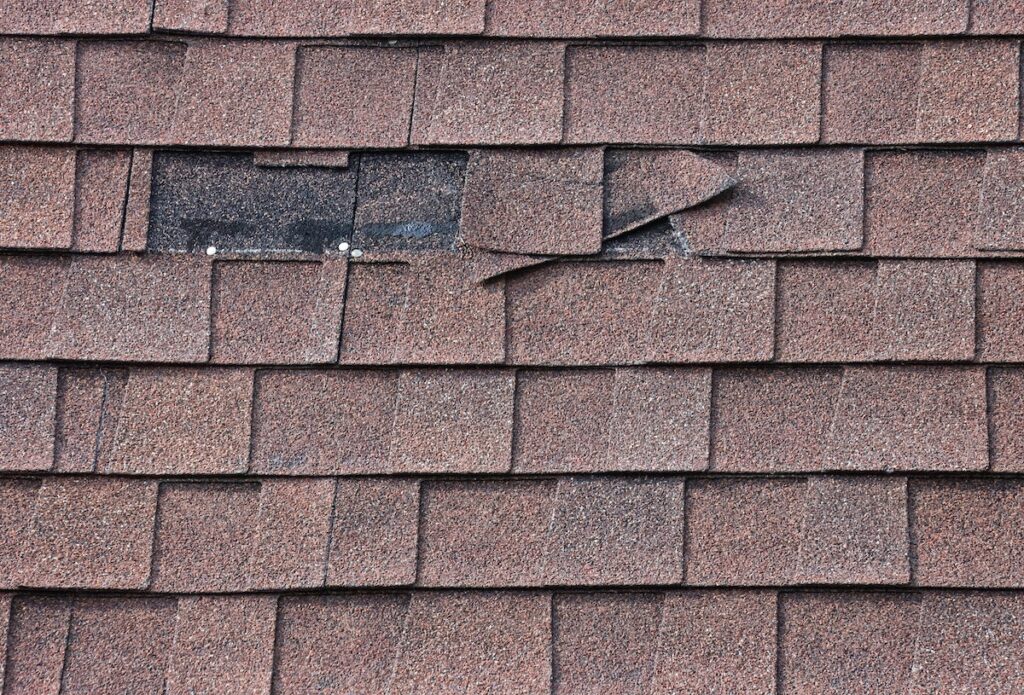
One of the most obvious signs of wind damage is missing shingles or shingles that appear raised at the edges.
- Loose tabs: Shingles lifting slightly may allow water to seep underneath.
- Bare patches: Exposed underlayment or decking indicates shingles have blown off.
- Debris pattern: Shingles scattered around your yard are a telltale sign.
Even if only a few shingles are missing, the underlying materials could be compromised. Always have a roofer inspect for hidden damage.
2. Cracked or Creased Shingles
High winds can bend shingles back on themselves, leaving visible creases or cracks.
- Creased lines: Often appear horizontally across shingle tabs.
- Brittle material: Heat and age make shingles less flexible, increasing risk.
- Future failure: Even minor cracks can expand with rain and UV exposure.
Cracked shingles may continue to look intact from the ground but can leak during the next heavy rain.
3. Damaged Flashing and Roof Edges
Flashing around chimneys, skylights, and vents is particularly vulnerable to wind uplift.
- Loose metal: Wind can bend or tear flashing from its seal.
- Open seams: Exposed gaps around joints invite leaks.
- Edge damage: Wind pressure is strongest along the perimeter.
If flashing is compromised, water can easily enter and cause hidden structural rot.
4. Granule Loss and Surface Wear
Granules on asphalt shingles protect against UV rays and weathering. After high winds, granule loss may accelerate.
- Check gutters: Granules often wash into downspouts after storms.
- Discoloration: Patches that look darker or smoother indicate loss.
- Aging signs: Heavy granule loss shortens roof lifespan.
Excessive granule loss exposes asphalt layers underneath, making shingles brittle and less waterproof.
5. Roof Leaks or Water Stains
Water intrusion is one of the most dangerous results of wind damage.
- Ceiling stains: Yellow or brown rings signal leaks.
- Attic dampness: Check insulation and rafters for moisture.
- Dripping sounds: Indicates active leaks during rainfall.
Even small leaks can spread quickly through insulation and drywall. Professional inspection ensures you address both surface and hidden moisture damage.
6. Sagging or Uneven Rooflines
In severe cases, wind can cause structural strain or loosen the roof decking.
- Visible dips: A sagging area may indicate underlying damage.
- Internal cracks: Inspect ceilings for new drywall fractures.
- Uneven ridges: Could mean roof trusses have shifted.
If you notice sagging or warping, contact a roofer immediately. Structural problems can worsen rapidly under the next storm.
How to Check for Wind Damage Safely
It’s tempting to climb up and look for damage yourself, but safety should always come first.
- Stay on the ground: Use binoculars to inspect visible areas.
- Look for debris: Fallen branches, torn shingles, or lifted flashing are red flags.
- Check the attic: Look for light shining through the roof boards or damp insulation.
- Document everything: Take photos of visible damage for insurance claims.
If you suspect significant roof damage, don’t attempt temporary repairs in unsafe conditions—especially on wet or steep surfaces.
Preventing Wind Damage Before It Happens
While Florida’s weather is unpredictable, some preparation helps protect your roof from future storms.
- Schedule Regular Inspections: Have your roof inspected at least once a year—or after major storms. Routine checks identify loose shingles or weak spots before winds exploit them.
- Reinforce Roof Edges: A roofer can install reinforced drip edges and secure starter shingles to strengthen perimeter areas that are most exposed.
- Maintain Gutters and Flashing: Clean gutters prevent water from backing up and damaging roof edges. Tightening or resealing flashing helps prevent uplift during windstorms.
- Trim Nearby Trees: Branches can scrape, puncture, or tear shingles during high winds. Keeping trees pruned minimizes impact risk.
- Upgrade Fasteners and Materials: If your roof is older, upgrading to impact-resistant shingles or enhanced nailing patterns can improve wind resistance. Ask your roofer about products rated for Florida’s building codes and coastal conditions.
When To Call a Roofing Professional
Not all storm damage is obvious from the ground. Professionals have the equipment to safely assess your roof and identify subtle signs of trouble.
- Hidden damage detection: Experts find leaks beneath shingles and underlayment.
- Insurance documentation: Detailed reports simplify claim processing.
- Preventive solutions: Roofers can reinforce vulnerable areas to prevent future issues.
For homeowners in Navarre and surrounding areas, hiring a local roofer ensures familiarity with coastal weather and building requirements.
Why Timely Repairs Matter
Delaying repairs after wind damage only increases the risk of interior water intrusion and mold. Even a few lifted shingles can cause thousands in structural and drywall repairs if left unaddressed. Prompt repairs protect:
- Roof integrity: Prevents spreading leaks and deck deterioration.
- Energy efficiency: Keeps attic insulation dry and effective.
- Home value: Maintains curb appeal and resale potential.
A small investment in immediate repair saves significant money in long-term restoration costs.
Protect Your Home With Quality Roofing Solutions
If you suspect wind damage to roof shingles or flashing, don’t wait for the next storm to make it worse. Early action ensures your home remains safe and watertight.
At Quality Roofing Solutions, we specialize in storm and wind damage repair for homeowners in Navarre and surrounding areas. Our experienced team performs detailed inspections, completes reliable repairs, and works directly with your insurance provider when needed.Contact us today for a free estimate and protect your home from future wind damage.