 (850) 753-0041


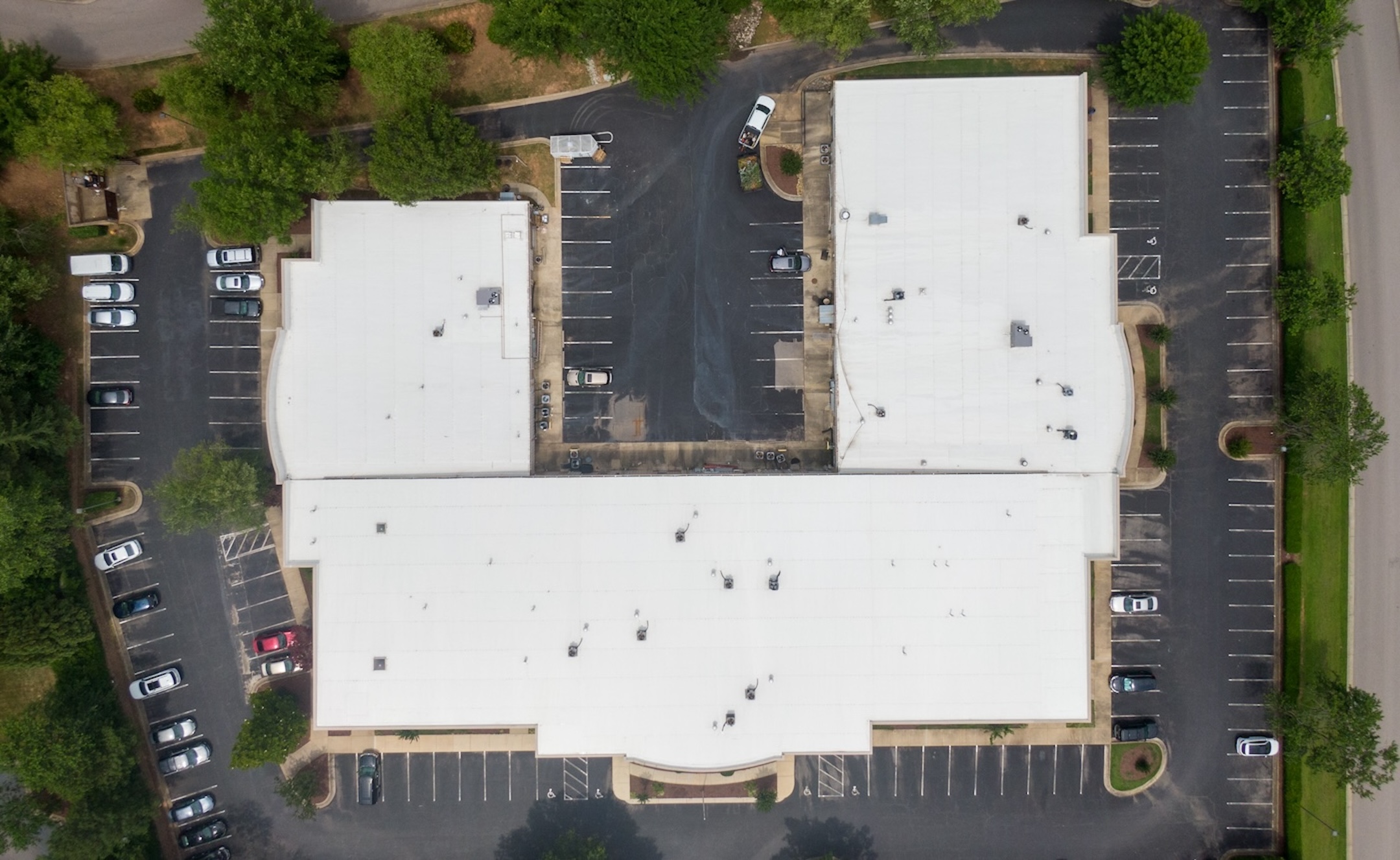
TPO Roofing (Cost, Benefits & Lifespan Explained)
October 17, 2025
6 minutes Read
If you have been researching commercial roofing systems, you have likely come across TPO roofing as one of the most popular options available today. TPO, short for thermoplastic polyolefin, has become a leading choice for business owners because of its durability, cost-effectiveness, and energy efficiency. Understanding how TPO performs, what it costs, and how long it lasts can help you decide if it is the right system for your building.
- Affordable protection: TPO offers a balance of performance and price that appeals to many businesses.
- Energy efficiency: The reflective surface helps lower cooling costs in hot climates.
- Longevity: A properly installed TPO roof can serve your building for decades.
What Is TPO Roofing?
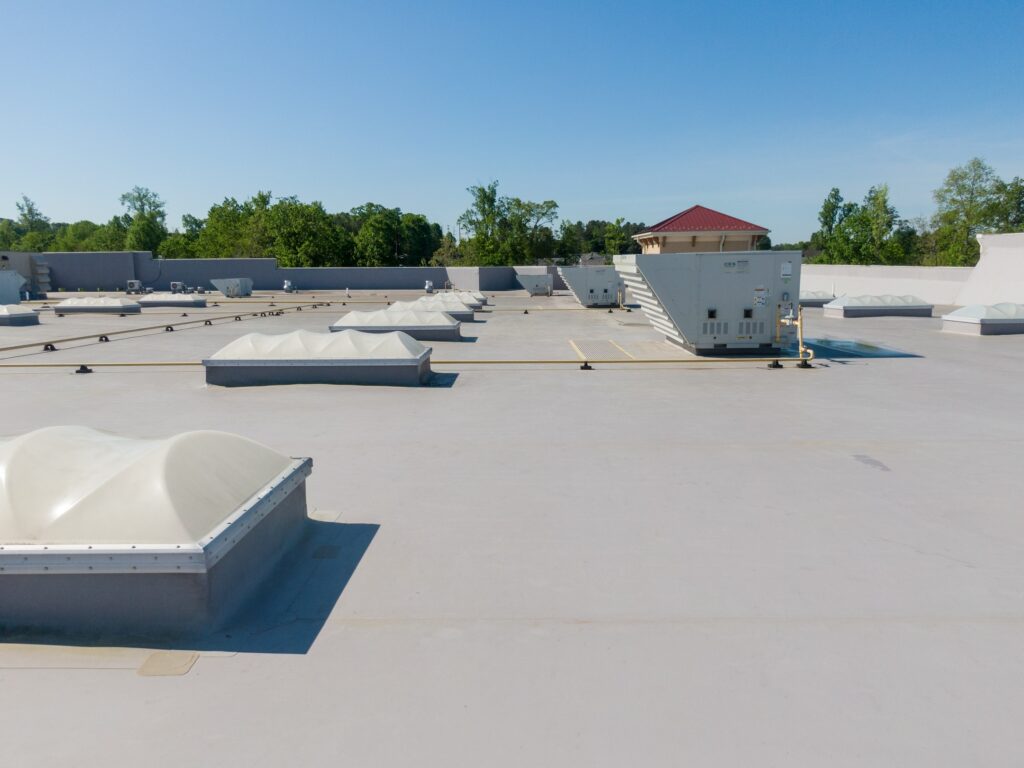
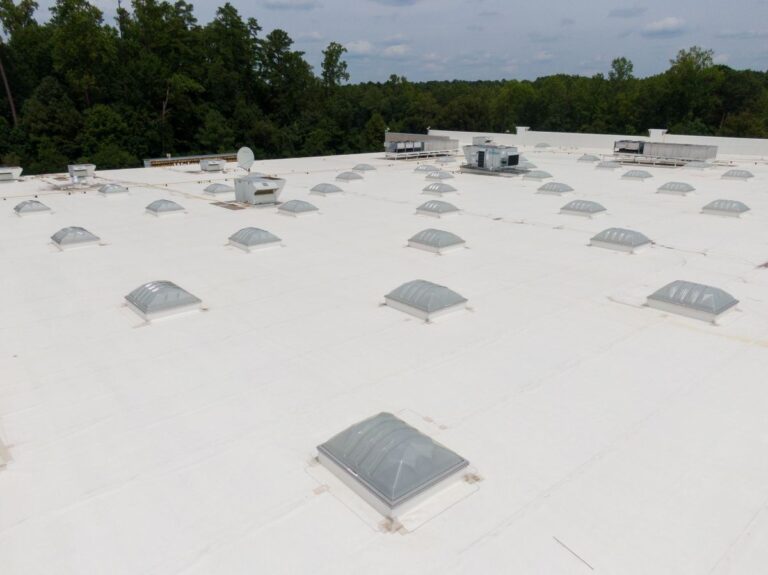
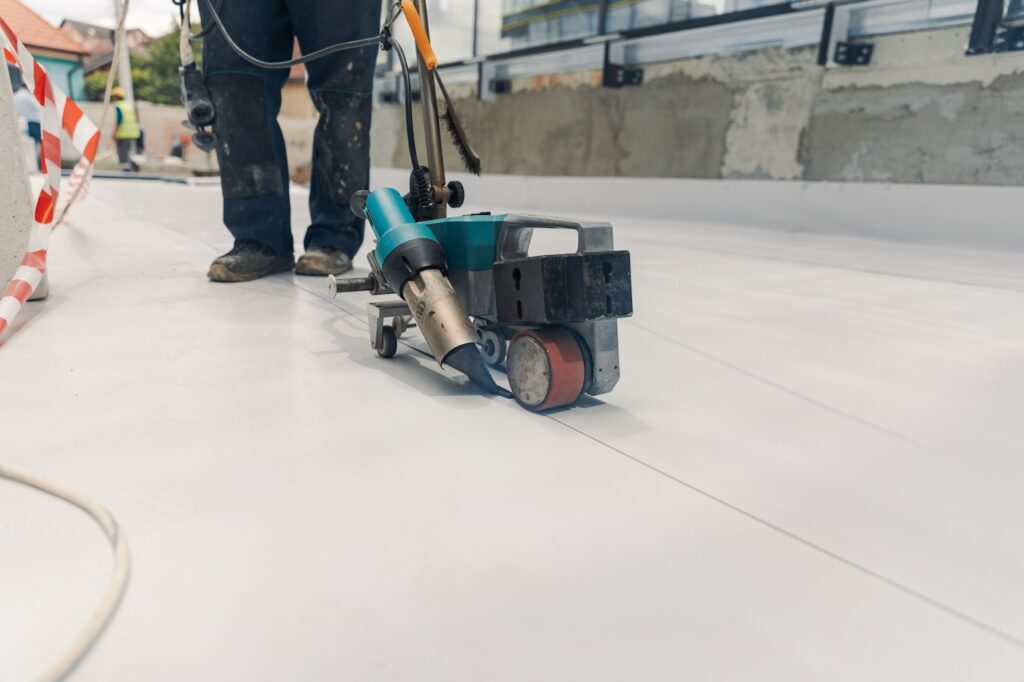
TPO roofing is a single-ply membrane system made from a blend of polypropylene and ethylene-propylene rubber. It is designed to provide reliable waterproofing for flat and low-slope commercial roofs. The membrane sheets are typically white and heat-welded at the seams, creating a continuous, watertight barrier that resists leaks. TPO has gained popularity over the past two decades because it combines affordability with features usually found in more expensive roofing systems.
Benefits Of TPO Roofing Systems
Business owners often choose TPO roofing because it provides a wide range of benefits that address both performance and cost concerns.
Energy Efficiency
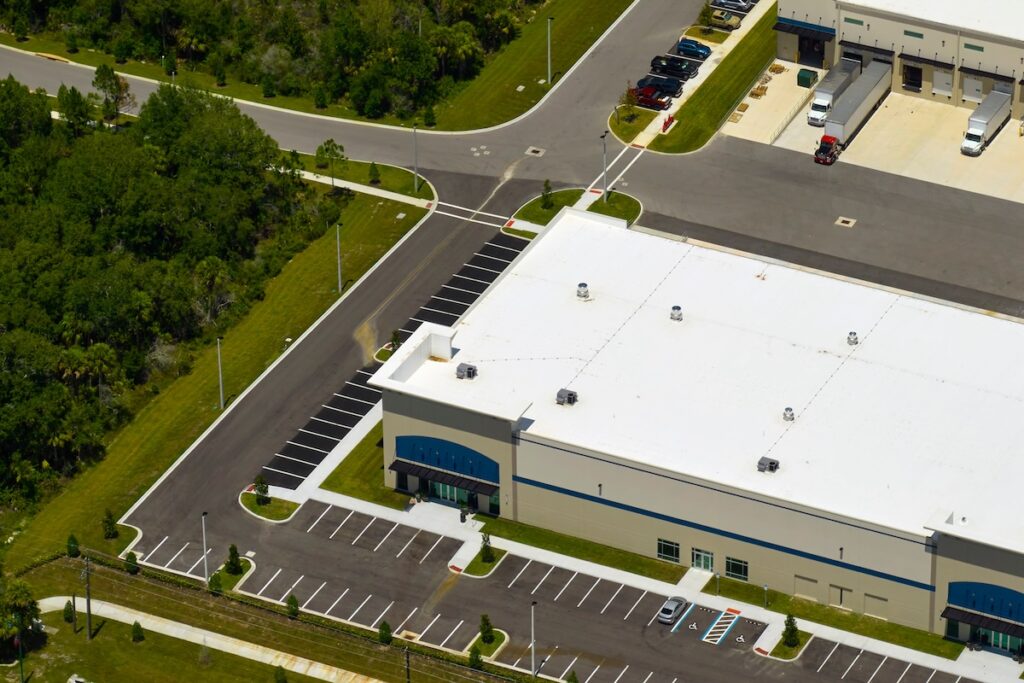
TPO’s white reflective surface significantly reduces heat absorption, keeping buildings cooler in the summer. For businesses in hot climates like Florida, this can lead to substantial savings on air conditioning costs. Reflective surfaces also help reduce the urban heat island effect, making TPO an environmentally friendly option.
Durability And Strength
TPO membranes are designed to withstand punctures, tears, and chemical exposure. The heat-welded seams create a stronger bond than adhesives, ensuring the roof remains watertight even under tough conditions. This durability makes TPO an excellent choice for commercial roofs with frequent foot traffic or rooftop equipment.
Cost-Effectiveness
Compared to PVC or EPDM roofing, TPO offers many of the same advantages at a more budget-friendly price. It strikes a balance between upfront affordability and long-term performance, making it an attractive option for property managers and business owners.
Flexibility
TPO is lightweight and flexible, which allows it to accommodate building movement and temperature fluctuations without cracking. This flexibility also makes installation easier and reduces stress on the underlying structure.
Cost Of TPO Roofing
The cost of TPO roofing varies depending on several factors, including building size, roof complexity, and contractor expertise. On average, TPO roofing costs between $5 and $11 per square foot, including materials and installation. While this is higher than basic asphalt systems, it is generally more affordable than PVC.
Factors That Affect Price
- Roof size and shape: Larger roofs benefit from economies of scale, while complex layouts may increase costs.
- Membrane thickness: TPO is available in different thicknesses, with thicker membranes offering greater durability and a higher price tag.
- Installation method: Fully adhered, mechanically fastened, or ballasted systems can vary in labor and material costs.
- Location: Regional labor rates and climate conditions may affect pricing.
Lifespan Of TPO Roofing
With proper installation and maintenance, a TPO roof typically lasts 20 to 30 years. Regular inspections and prompt repairs are key to maximizing this lifespan. Applying protective coatings when needed can also help extend the service life. While TPO is relatively new compared to other materials, many buildings have already demonstrated its ability to perform reliably for decades.
Maintenance Tips For TPO Roofing
Like any roofing system, TPO benefits from consistent care and attention.
- Regular Inspections: Schedule professional inspections twice a year and after major storms. Look for signs of seam separation, punctures, or damage from rooftop equipment. Identifying issues early prevents costly leaks and structural problems.
- Keep Roof Clean: Remove debris, leaves, and standing water to maintain the membrane’s integrity. Dirt and algae buildup can reduce reflectivity and increase cooling costs. Regular cleaning helps the roof maintain peak performance.
- Protect Against Punctures: Limit foot traffic on the roof and use walkway pads around frequently accessed areas. While TPO is durable, sharp objects or heavy equipment can still cause damage.
- Prompt Repairs: If damage is discovered, repairs should be completed immediately. Heat-welding new patches into place ensures the roof remains watertight and extends its life.
TPO Roofing Compared To Other Systems
When evaluating TPO, it helps to compare it with other common commercial roofing options. Each system has strengths and drawbacks, and understanding these differences will help you decide which is the right fit for your property.
TPO vs. PVC
PVC and TPO are similar in appearance and installation, but PVC generally costs more due to its superior chemical resistance. For businesses dealing with grease or harsh chemicals, PVC may be the better choice, but for most others, TPO provides excellent performance at a lower price.
TPO vs. EPDM
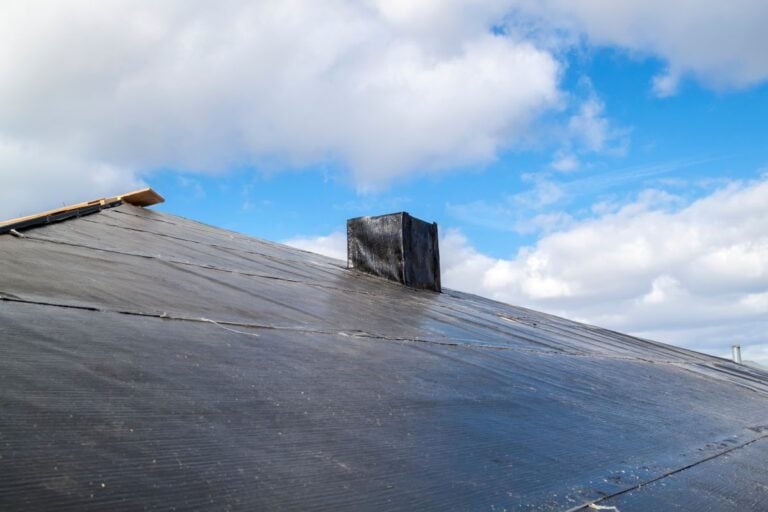
EPDM is a black rubber membrane known for its affordability and durability. However, EPDM absorbs heat, which can increase cooling costs in hot climates. TPO’s reflective surface makes it more energy-efficient, especially in Florida’s sun.
TPO vs. Modified Bitumen
Modified bitumen is durable but more labor-intensive to install. TPO’s large sheets and heat-welded seams make installation faster and often less expensive. TPO also offers better energy efficiency compared to darker modified bitumen surfaces.
Comparison Table
| Feature | TPO | PVC | EPDM | Modified Bitumen |
|---|---|---|---|---|
| Cost | Moderate ($5–$11 per sq. ft.) | Higher ($6–$12 per sq. ft.) | Lower ($4–$8 per sq. ft.) | Lower to Moderate ($4–$8 per sq. ft.) |
| Energy Efficiency | High – reflective white surface reduces cooling costs | High – reflective surface, excellent energy savings | Low – black surface absorbs heat (reflective coating optional) | Moderate – darker surface, less reflective |
| Durability | 20–30 years with proper care | 25–30+ years, strong chemical resistance | 20–30 years, reliable durability | 15–20 years, strong but shorter lifespan |
| Best For | Businesses seeking balance of cost, durability, and energy savings | Facilities exposed to chemicals, grease, or harsh substances | Properties in cooler climates where heat absorption is beneficial | Businesses seeking a traditional, rugged system with moderate cost |
| Installation | Heat-welded seams, large sheets, fast installation | Heat-welded seams, precise installation needed | Adhered or mechanically fastened, simple installation | Labor-intensive, layered application |
Is TPO Roofing Right For Your Business?
Choosing the right commercial roof depends on your building’s needs, budget, and environment. TPO is an excellent fit for businesses looking for a cost-effective, energy-efficient system that balances durability with affordability. It is particularly beneficial in warm climates where cooling costs are a concern. However, consulting with a professional contractor ensures you select the system that provides the best long-term value for your property.
Secure Your Commercial Roof With Confidence
TPO roofing delivers a combination of affordability, energy efficiency, and long-lasting protection that makes it one of the most popular choices for commercial properties. With proper installation and regular maintenance, it can serve your business for decades while keeping operating costs under control. At Quality Roofing Solutions, we specialize in TPO roofing systems and provide expert guidance to help you make the right choice. Contact us today for a free estimate and discover why so many Florida businesses trust us to protect their most important investment.