 (850) 753-0041


How Long Does A Roof Last? 7 Key Factors To Consider
October 8, 2025
6 minutes Read
If you have ever wondered how long does a roof last, the answer depends on several important factors such as materials, climate, and maintenance. A roof is one of the biggest investments you will make in your home, so understanding its potential lifespan is essential for planning repairs, replacements, and budgeting. By knowing what affects roof longevity, you can take steps to extend its life and protect your home.
- Better financial planning: Knowing your roof’s expected lifespan helps you prepare for replacement costs in advance.
- Improved home protection: Taking preventive steps can avoid damage from leaks or structural issues.
- Higher resale value: A well-maintained roof makes your home more attractive to buyers.
Why Roof Lifespan Varies
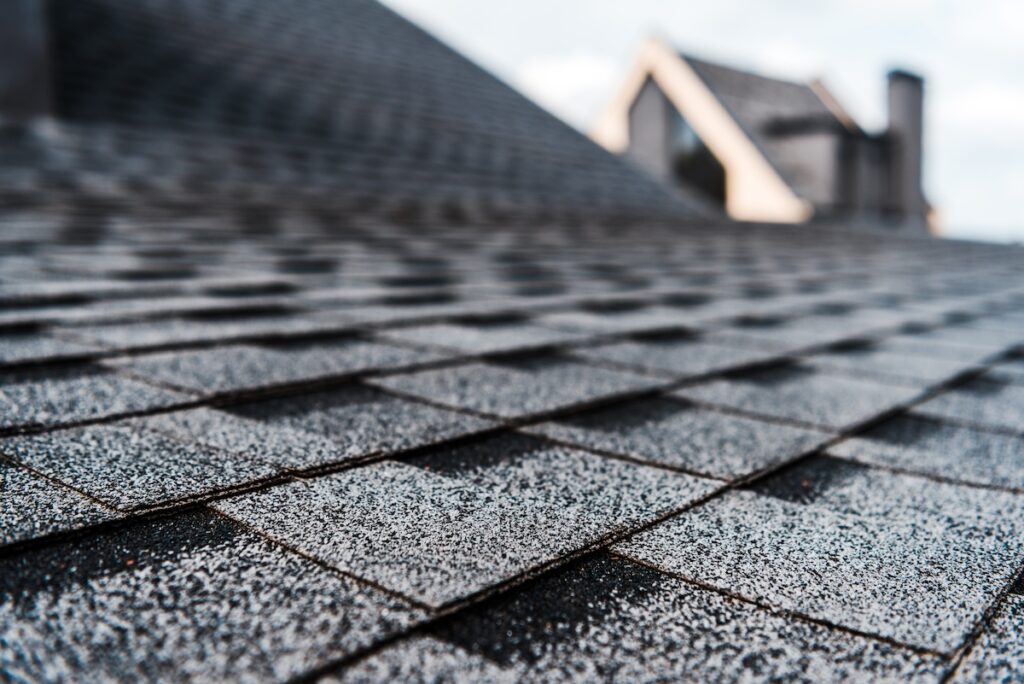
Not all roofs age the same way. Materials, installation quality, and environmental conditions all play a role in how long your roof will remain effective. Even two homes in the same neighborhood can have drastically different roof lifespans based on maintenance habits and exposure to the elements.
1. Roofing Material
The type of roofing material you choose is the biggest factor in determining how long your roof will last.
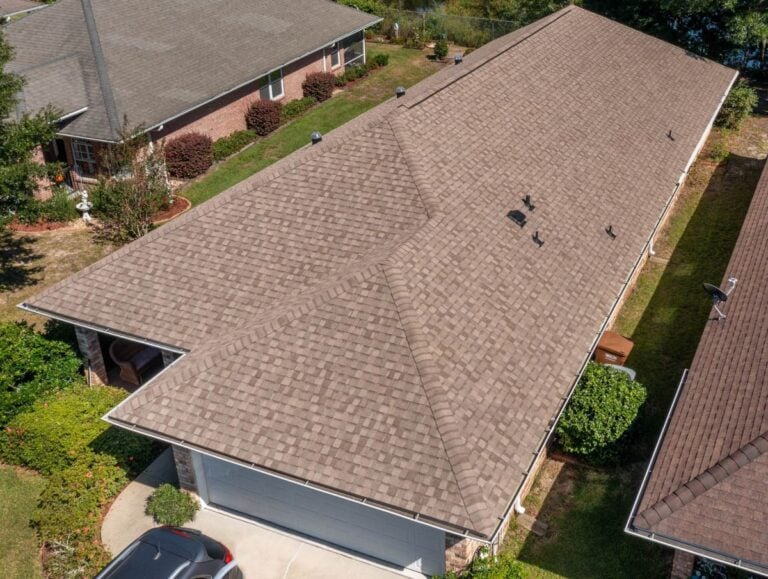
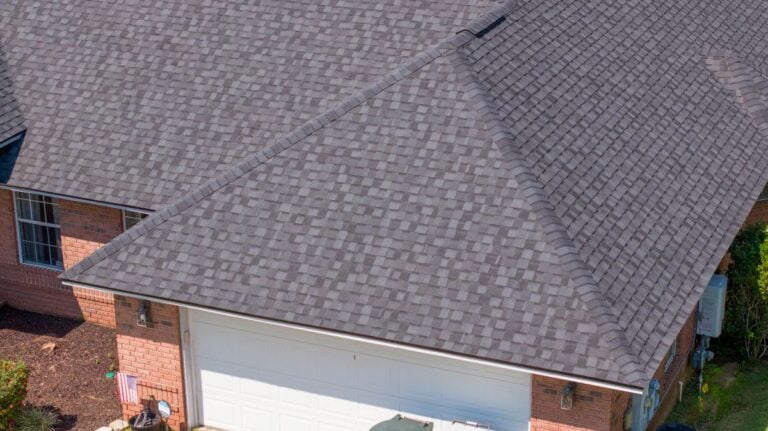
- Asphalt Shingles: Asphalt shingles typically last 15–30 years depending on the quality and whether they are three-tab or architectural shingles. Architectural shingles have a thicker design that adds durability.
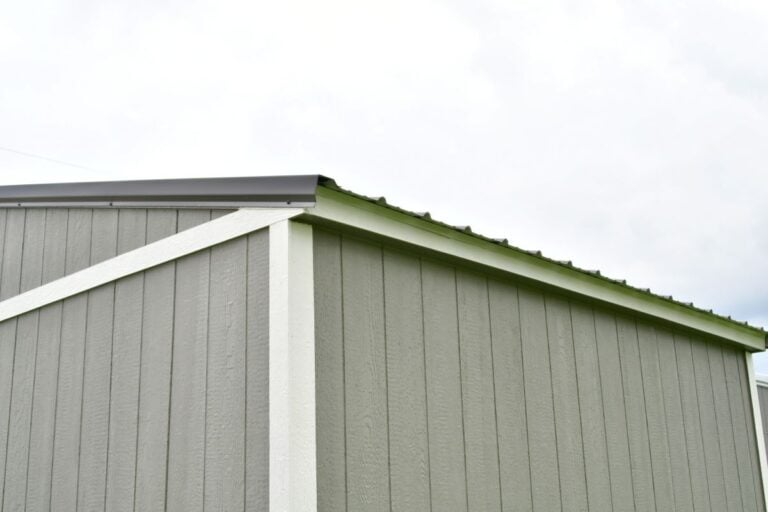
- Metal Roofing: Metal roofs can last 40–70 years when properly maintained. They are highly resistant to weather damage, making them ideal for areas with heavy storms.
- Tile Roofing: Clay and concrete tiles can last 50–100 years but require a strong roof structure to support their weight. They are also excellent for hot, sunny climates.
- Slate Roofing: Slate is one of the most durable roofing materials, lasting over 100 years in many cases. However, it comes with a higher upfront cost and weight considerations.
2. Climate And Weather
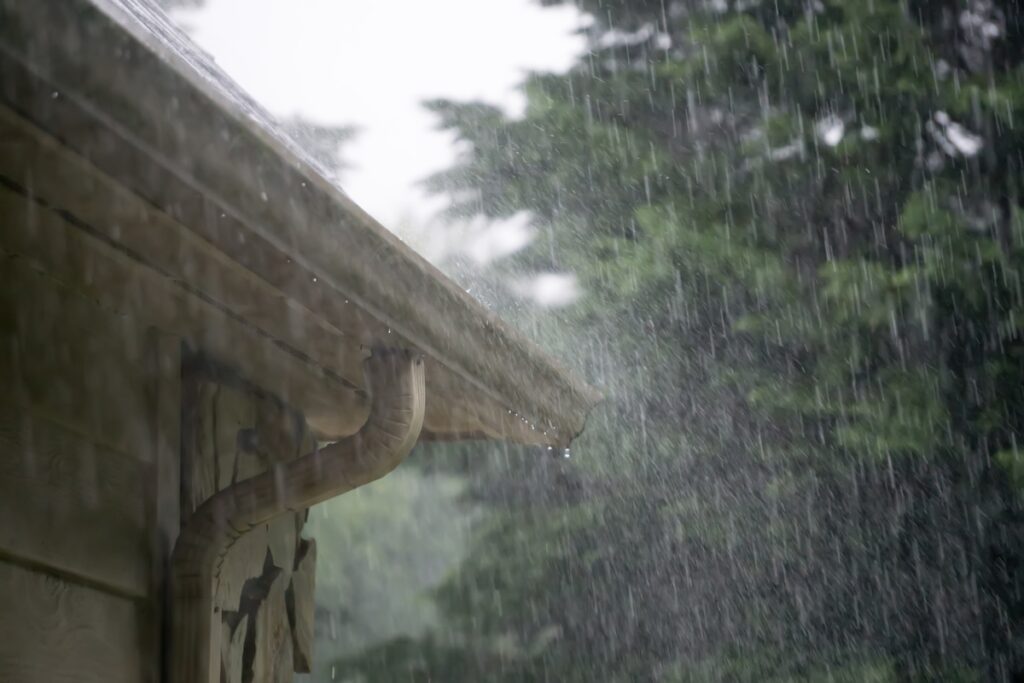
The environment your roof faces every day greatly influences its longevity. Roofs in Florida, for example, deal with intense sun, high humidity, heavy rainfall, and occasional hurricanes.
- Sun exposure: UV rays can break down roofing materials over time, especially asphalt.
- Wind: High winds can loosen or remove shingles entirely.
- Rain and humidity: Excess moisture can lead to mold, algae, and rot.
3. Installation Quality
Even the most durable roofing material will not reach its full lifespan if it is installed poorly. A professional installation ensures that shingles, flashing, and ventilation are placed correctly to prevent premature wear and leaks. Always hire a licensed roofing contractor with strong reviews and references.
4. Roof Ventilation
Proper ventilation helps regulate attic temperature and moisture levels. Without it, heat and humidity can build up under the roof, causing shingles to warp and wood to rot. Ridge vents, soffit vents, and gable vents work together to maintain airflow.
5. Maintenance And Inspections
Regular maintenance is one of the simplest ways to extend your roof’s life.
- Annual inspections: Catch small issues like loose shingles or damaged flashing early.
- Gutter cleaning: Prevent water backup that can damage the roof edge.
- Prompt repairs: Address damage immediately to stop it from spreading.
6. Color And Reflectivity
Light-colored or reflective roofs tend to last longer in hot climates because they absorb less heat. Darker roofs may fade more quickly and experience faster material degradation due to higher surface temperatures.
7. Surrounding Environment
Nearby trees can shorten a roof’s lifespan by dropping branches, causing shade that promotes moss growth, and increasing debris buildup. Trimming overhanging limbs helps protect your roof from damage and excess moisture.
Why Work With A Professional Roofing Contractor
Attempting roof repairs or installation on your own can void warranties and lead to costly mistakes. A professional ensures the work meets local building codes, uses proper installation techniques, and stands behind their craftsmanship.
- Expertise: Trained roofers understand how to work with different materials and climates.
- Safety: Professionals have the tools and training to work at heights safely.
- Quality assurance: A reputable company will inspect and guarantee their work.
Signs Your Roof May Be Nearing The End Of Its Life
Even if you know the general lifespan of your roofing material, you should watch for visible signs of aging.
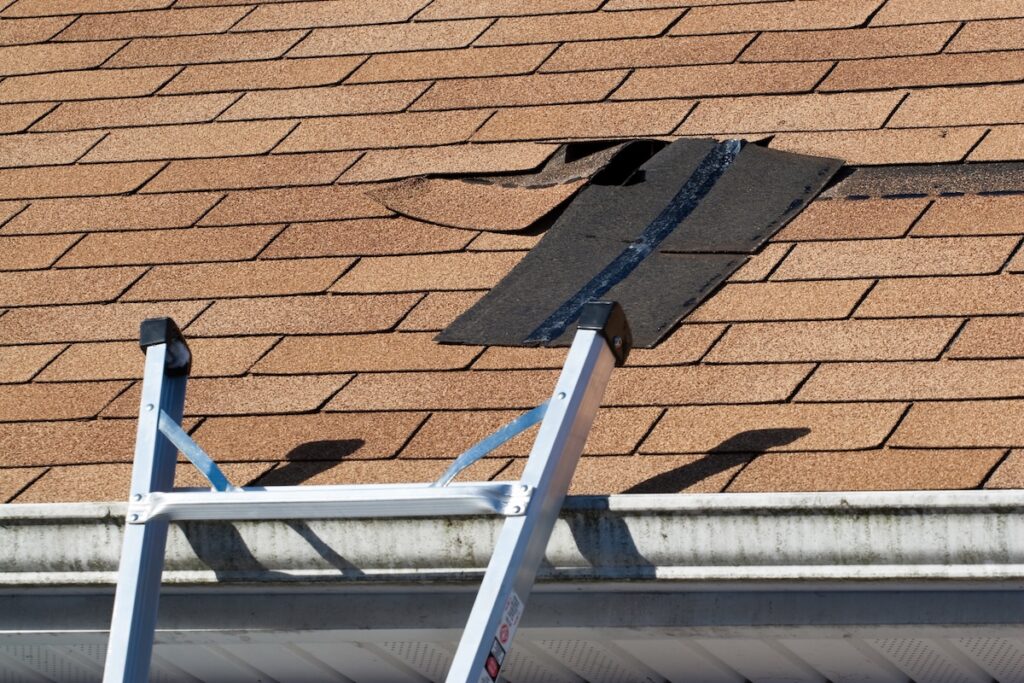
- Curling Or Missing Shingles: This can indicate that the shingles have reached the end of their useful life and are no longer protecting your home effectively.
- Granule Loss: If you notice granules from asphalt shingles accumulating in your gutters, it is a sign of significant wear.
- Leaks Or Water Stains: Water intrusion is a major sign that your roof’s protective layers are failing.
How To Extend Your Roof’s Lifespan
Taking proactive steps can add years to your roof’s life and save you money in the long run.
- Schedule Regular Inspections: Have your roof checked by a professional at least once a year and after major storms.
- Clean Your Roof Safely: Remove moss, algae, and debris that can trap moisture and cause deterioration.
- Upgrade Materials When Possible: If replacing your roof, consider higher-grade materials that offer longer lifespans and better resistance to local weather conditions.
Average Lifespan By Roofing Material
Here is a quick reference guide to typical lifespans under normal conditions:
- Asphalt shingles: 15–30 years
- Architectural shingles: 25–35 years
- Metal roofing: 40–70 years
- Clay or concrete tile: 50–100 years
- Slate roofing: 75–100+ years
- Synthetic roofing materials: 30–50 years
Planning For Roof Replacement
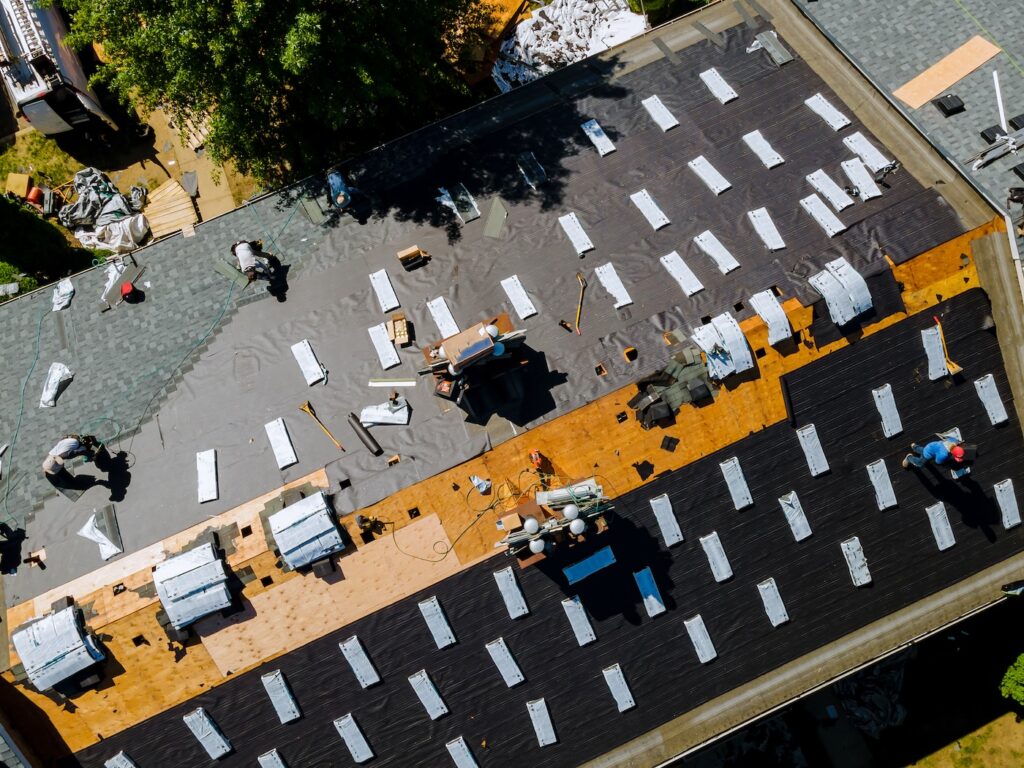
Even the best-maintained roof will eventually need to be replaced. Knowing when that time is approaching allows you to budget and choose the right replacement without rushing.
- Get Multiple Quotes: Comparing estimates from several reputable roofing companies ensures you get a fair price and quality workmanship.
- Consider Timing: Replacing your roof during the off-season may result in better availability and potentially lower prices.
- Explore Financing Options: Some roofing companies offer financing plans to make replacement more affordable.
The Role Of Warranties
Manufacturer warranties can range from 20 years to lifetime coverage, depending on the material and brand. Workmanship warranties from contractors add another layer of protection. Understanding both types can help you plan for potential repairs without unexpected costs.
Get Your Free Estimate Today
When it comes to answering the question “how long does a roof last,” the truth is that your choices today will determine your roof’s performance for decades. By selecting quality materials, ensuring proper installation, and keeping up with maintenance, you can maximize your investment. At Quality Roofing Solutions, we combine expert workmanship with premium products to deliver roofs that last. Contact us today for a free estimate and see why Florida homeowners trust us with their most important asset—their roof.