 (850) 753-0041


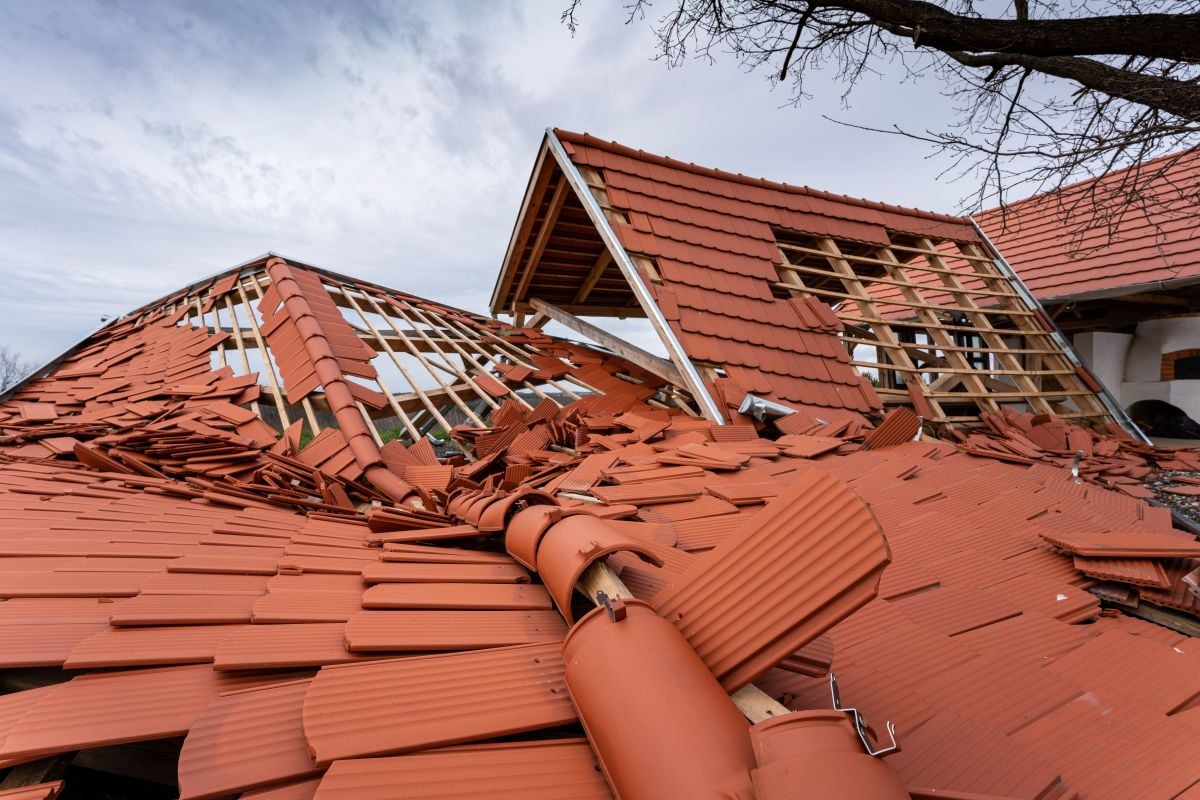
Storm Damage Restoration (What the Process Looks Like)
September 15, 2026
10 minutes Read
After a major storm passes through northwest Florida, the damage assessment begins. Missing shingles, punctured membranes, bent gutters, and water intrusion that does not show itself until the next rain event: storm damage is often more extensive than it first appears, and the process of getting a roof properly restored is more involved than most homeowners expect. Understanding what storm damage restoration actually looks like: from the post-storm inspection to the final insurance settlement and completed repair: helps homeowners and property owners navigate the entire recovery process with confidence and avoid the mistakes that lead to denied claims or inadequate repairs. If you need professional storm damage restoration services, our team offers roof inspections and storm damage restoration across northwest Florida. Here is what we cover:
- 6 steps in the storm damage restoration process from start to finish
- How to document damage correctly for an insurance claim
- What the insurance claims process looks like for roof damage
- How to choose the right storm damage restoration contractor
- Frequently asked questions homeowners commonly ask

Why Storm Damage Restoration Matters
Roof damage from storms is the leading driver of property insurance claims in the United States, affecting residential or commercial property owners alike. According to the Insurance Information Institute, approximately 70 to 90 percent of total insured residential catastrophic losses arise from roof-related damage: a figure that underscores how central the roof is to a home’s ability to withstand severe weather events. In Florida, where hurricane season runs June through November and severe thunderstorm activity is a year-round feature of the climate, that exposure is not theoretical. Wind damage, flood damage, hail impact, and debris intrusion are all recurring threats: and when any of them compromise the roof, mold growth, structural deterioration, and further damage to the interior follow quickly if the restoration process is not started promptly.
What makes storm damage restoration more complex than standard roof repair is the insurance component. Navigating the entire recovery process correctly: with the right documentation, the right contractor, and the right sequence of steps: is the difference between a claim that funds complete storm damage restoration services and one that is denied, underpaid, or delayed long enough to allow further damage to compound.
We’re proud to serve home and business owners in Fort Walton Beach, FL, and nearby Okaloosa County communities with storm damage inspections and restoration services that are thoroughly documented from the first assessment through project completion.
6 Steps in the Storm Damage Restoration Process
Storm damage restoration follows a defined sequence. Skipping or rushing any stage creates problems downstream: either with the insurance claim, the quality of the repair, or both.
1. Safety Assessment and Temporary Protection
Before anything else, confirm the home or building is safe to occupy. Downed power lines, structural instability, and compromised roof sections create hazards that are not always visible from the outside. Once safety is confirmed, arrange for a licensed contractor to begin temporary protection: emergency tarping over open roof areas, board up services for any window or wall openings created by the storm, and debris removal from the roof surface and immediate perimeter. These measures prevent further damage during subsequent rain events and the costs are typically covered as part of an approved storm damage claim. Document all temporary work with timestamped photographs before and after.
2. Professional Storm Damage Inspection
Once the roof surface is safe to access and debris removal has cleared the inspection path, a licensed roofing contractor experienced in storm damage assessment conducts a full inspection of the roof surface, flashing, gutters, skylights, and any roof-mounted equipment. For storm damage claims, this inspection must be thorough and specifically documented. Key items the inspector looks for include:
- Hail impact marks: Circular bruising on asphalt shingles, dents on metal components, and cracked or chipped tile surfaces
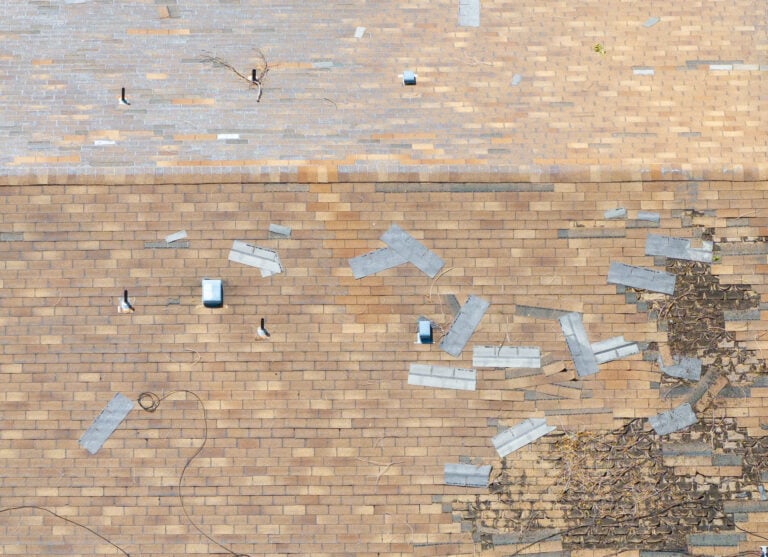
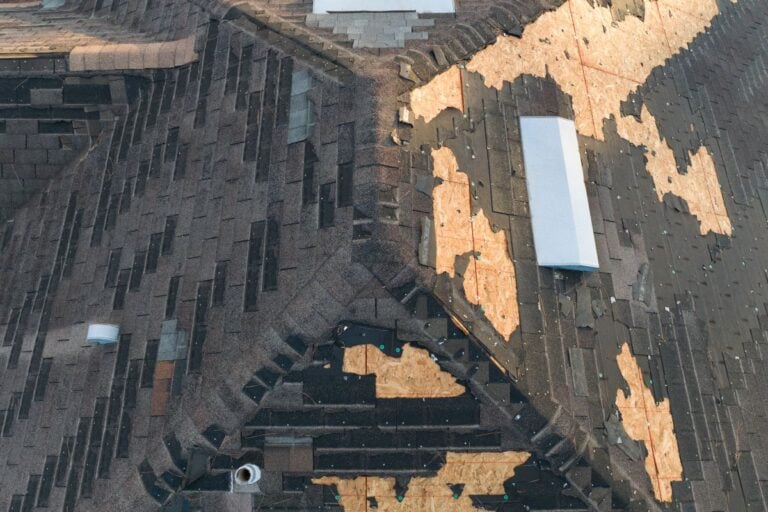
- Wind damage: Lifted, creased, or missing shingles: particularly at the eaves, rakes, and ridgeline where uplift forces concentrate
- Flashing displacement: Storm winds often lift or displace flashing at chimneys, pipe boots, valleys, and roof-to-wall transitions
- Gutter damage: Dented, bent, or detached gutters are a documented part of storm damage scope
- Collateral damage: Skylights, roof vents, exhaust caps, and any HVAC equipment on the roof surface
The inspection report must include written findings, photographs of each damage point, and measurements of affected areas. This documentation is the foundation of the insurance claim.
3. Insurance Claim Filing
With the inspection report in hand, the homeowner files a storm damage claim with their insurance carrier. Key steps and considerations include:
- File promptly: Florida homeowners insurance policies have claim filing deadlines: typically one year from the date of loss for hurricane claims. Filing as early as possible prevents deadline issues and gives the adjuster time to evaluate the damage before secondary deterioration complicates the picture.
- Reference the storm event: Claims must tie the damage to a specific storm event. Having the storm date and any NOAA or National Weather Service data for the area supports the claim.
- Request a detailed adjuster inspection: The insurance adjuster will conduct their own inspection. The homeowner’s contractor should be present during the adjuster inspection to ensure all documented damage points are reviewed and that nothing is missed.
- Do not accept the first estimate without review: Insurance adjuster estimates often use pricing tools that underestimate actual contractor costs in the current Florida market. The contractor’s scope and pricing should be compared against the adjuster’s estimate before accepting a settlement.

4. Scope Agreement and Supplement Process
It is common for the homeowner’s contractor and the insurance adjuster to have different scopes of damage or different line-item pricing. When this occurs, the supplement process, a formal back-and-forth between the contractor and the carrier, is how discrepancies are resolved. A contractor experienced in storm damage restoration knows how to document and justify supplemental line items with photographs, measurements, and current pricing data. Homeowners should be involved in this process and should not sign off on a settlement that their contractor identifies as insufficient to complete the documented repairs.
5. Restoration Work
With an approved settlement and a signed contract, restoration work begins. For roof storm damage, this typically involves:
- Full tear-off and replacement if the damage is widespread or if re-covering the damaged area would not produce a uniform, warranted system
- Targeted section replacement for damage limited to isolated roof areas
- Flashing replacement at all damaged transition points
- Gutter repair or replacement for storm-damaged sections
- Structural repairs to any framing, decking, or wall assemblies compromised by wind uplift or water intrusion: documented and permitted as part of the full scope
- Structural drying if moisture has penetrated insulation or wall cavities: required before any interior finishes are closed up to prevent mold growth from establishing in concealed spaces
- Debris removal from interior spaces if wind or water carried material inside during the storm event
All restoration work should be permitted and inspected by the local building department, producing a final inspection record that documents the work to current code.
6. Final Documentation and Closeout
The restoration is not complete until the homeowner has received all closeout documentation: the building permit final inspection record, the manufacturer’s material warranty registration, the contractor’s workmanship warranty, and photographs of the completed work. This package protects the homeowner’s warranty coverage, supports future insurance coverage decisions, and provides a documented baseline for the next inspection cycle.
What to Look for in a Storm Damage Restoration Contractor
The period immediately following a major storm in Florida brings a surge of contractors offering storm damage restoration services: some local and reputable, many not. Choosing the right one protects both the quality of the restoration and the integrity of the entire recovery process.
- Florida state license: Verify a valid Florida Certified Roofing Contractor license before signing anything. Storm chasers operating without a Florida license are common after major events.
- Local presence: A contractor with a documented local presence, a physical address, verifiable past projects in the area, and local references is accountable in ways that out-of-state storm chasers are not.
- No assignment of benefits pressure: Florida’s Assignment of Benefits (AOB) issues have been significant in recent years. Be cautious of any contractor who pressures homeowners to sign over insurance rights before work begins.
- Inspection before contract: A reputable contractor inspects before proposing. A contractor who proposes replacement before inspecting is not giving you an accurate scope.
- Experience with insurance claims: Storm damage restoration involves insurance documentation and supplement processes that general roofing contractors may not handle effectively. Ask specifically about the contractor’s experience navigating Florida insurance claims.
Frequently Asked Questions About Storm Damage Restoration
Homeowners dealing with storm damage tend to have the same urgent questions. Here are direct answers to the most common ones.
How quickly do I need to file a storm damage claim in Florida?
Florida statutes generally require hurricane claims to be filed within one year of the date of loss and non-hurricane storm damage claims within two years. Filing as quickly as possible after the storm is always the stronger approach: it allows the adjuster to evaluate fresh damage rather than deteriorated conditions, and it reduces the risk of the carrier arguing that secondary damage resulted from delayed reporting rather than the storm event itself.
My insurance adjuster said the damage does not meet my deductible. What should I do?
Get an independent assessment from a licensed roofing contractor before accepting that determination. Adjuster inspections can miss hail impact damage on darker shingles, wind damage to flashing, and secondary damage inside the roof assembly that is not visible on the surface. If your contractor’s assessment identifies damage that the adjuster’s does not, the supplement process is the appropriate path to resolving the discrepancy.
What is the difference between storm damage repair and storm damage restoration?
Repair addresses isolated, specific damage points: a few missing shingles, a single flashing failure, a damaged gutter section. Restoration is a more comprehensive process that addresses the full scope of storm damage across the roof system and returns the property to pre-storm condition, typically with insurance funding. The distinction matters because insurance policies cover restoration to pre-loss condition, not piecemeal repair of whichever items the adjuster or contractor spots first.
Can storm damage restoration include interior repairs?
Yes: if the storm damage allowed water intrusion that damaged ceilings, insulation, decking, or interior finishes on a residential or commercial property, those repairs are part of the covered loss under most Florida homeowners policies. Structural drying of wet wall and ceiling cavities is a critical step that must precede interior finish repairs: skipping it leads to mold growth in concealed spaces that creates further damage and health concerns months after the roof is repaired. Interior damage should be documented with the same thoroughness as roof damage, and the scope should be clearly separated between the roofing contractor and any interior contractor involved. Public adjusters can be valuable in ensuring the full interior scope is captured before a settlement is accepted.

Quality Roofing Solutions: Storm Damage Restoration You Can Count On
Storm damage restoration is not just about putting new shingles on a roof. It covers the entire recovery process: from debris removal and board-up services immediately after the storm, through structural repairs and structural drying, to the final permitted and warranted restoration of the roof system. At Quality Roofing Solutions, we have been delivering storm damage restoration services for residential or commercial property owners across northwest Florida for over 20 years: with the documentation experience, the insurance claim knowledge, and the installation quality that each stage of recovery demands.
Schedule your storm damage inspection and let our team assess the full scope of what your roof needs before the next rain event arrives.