 (850) 753-0041


Does Homeowners Insurance Cover Roof Leaks? (Florida Guide)
October 6, 2026
10 minutes Read
Does homeowners insurance cover roof leaks in Florida is one of the most searched questions among homeowners after a storm, and the answer is more conditional than most people realize before they need to file. Florida’s insurance market is among the most complex in the country, and what your policy covers for a roof leak depends heavily on the cause, the documentation, the age of your roof, and whether the damage happened suddenly or accumulated over time. If your roof has sustained damage and you need an inspection to confirm what your policy will cover roof damage for, our storm damage roofing team is ready to help. Here is what we cover:
- The 4 coverage scenarios Florida homeowners encounter most often
- What Florida’s 2026 roof age rules mean for your policy
- What is and is not covered under a standard Florida homeowners policy
- How to give your claim the best chance of approval
- Frequently asked questions homeowners commonly ask
Why Florida Roof Leak Coverage Is More Complex Than Most States

Florida homeowners insurance policies operate under a different set of pressures than policies in most other states. The state’s hurricane exposure, high litigation rates, and ongoing market instability have led every major insurance company operating in Florida to tighten underwriting standards, write in more exclusions, and apply stricter scrutiny to roof-related claims than homeowners in other markets typically experience.
According to Blanchard Insurance’s 2026 Florida roof coverage guide, Senate Bill 808 prohibits insurers from automatically denying coverage or canceling a policy solely because a roof is over 15 years old, with provisions slated to take effect July 1, 2026. Before that date, carriers have wide latitude to non-renew or restrict coverage based on roof age alone. After that date, they must obtain an inspection confirming the roof’s remaining useful life before making a coverage decision. For Florida homeowners with aging roofs, this is one of the most consequential regulatory changes in recent years.
We’re proud to serve home and business owners in Gulf Breeze, FL, and nearby Santa Rosa County communities with storm damage inspections and roofing services that produce the documentation your insurance claim needs.
4 Coverage Scenarios Florida Homeowners Encounter
Coverage for a roof leak in Florida is not a yes or no question. It depends on the cause of the leak and how your policy is written. These are the four most common scenarios and what each typically means for your claim.
1. Storm and Wind Damage Leaks
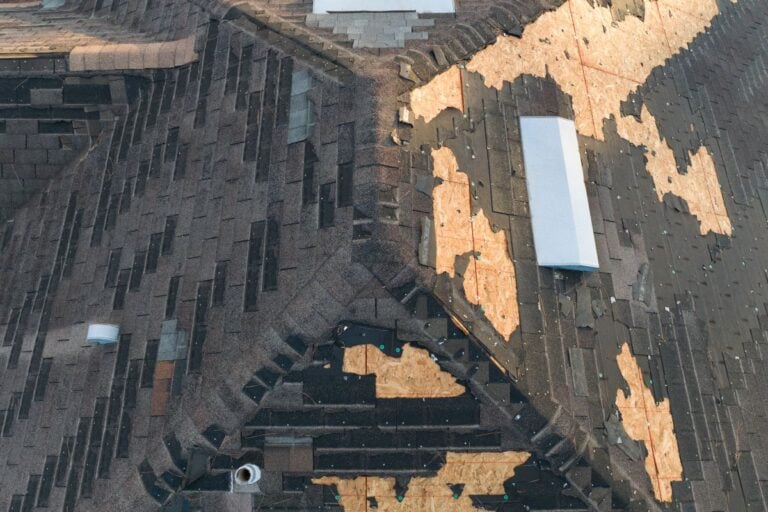
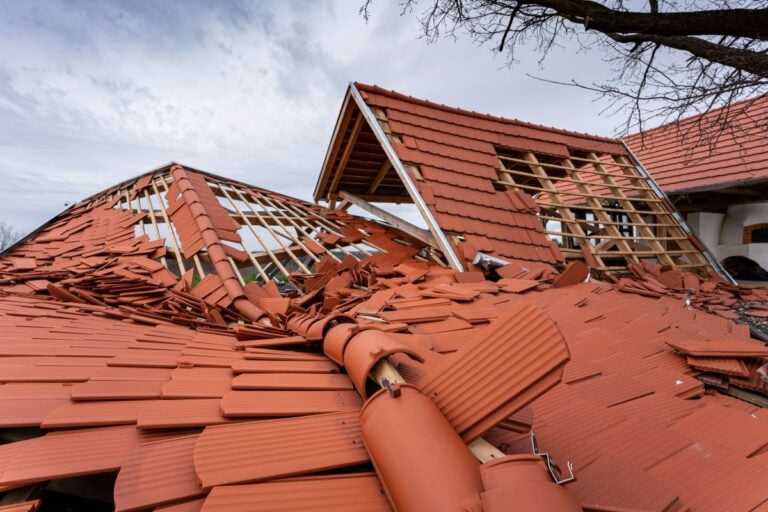
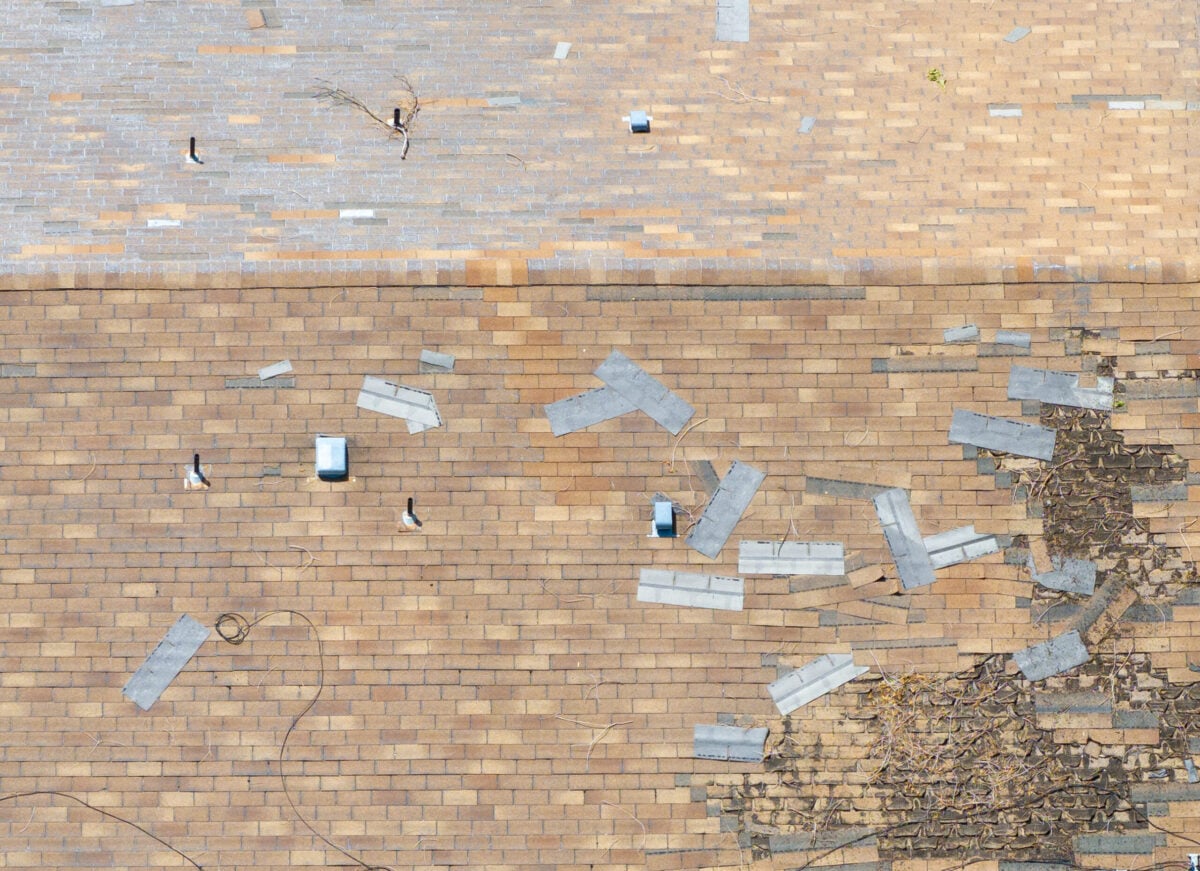
If wind, hail, a falling tree, or another sudden weather event damages the roof and water enters through the damaged area, the leak is almost always covered under a standard Florida homeowners policy. This is the clearest coverage scenario. The insurer pays for the storm-created damage to the roof and the resulting interior water damage. However, if your roof is older and the insurer can argue that pre-existing wear contributed to the extent of the damage, they may attempt to reduce the payout or classify a portion as maintenance-related.
- What helps your claim: A professional roof inspection report documenting the storm roof damage before any cleanup, dated photos from immediately after the event, and a contractor scope that clearly ties the damage to the weather event.
- What to watch for: The hurricane deductible. Florida policies carry a separate hurricane deductible of 2 to 5 percent of the insured dwelling value that applies when a named storm triggers the claim. On a home insured for $400,000, a 2 percent hurricane deductible means $8,000 out of pocket before coverage begins.
2. Gradual Leak from Wear and Maintenance Issues
A leak that developed over time from aging shingles, deteriorated flashing, cracked caulk around a pipe boot, or any condition that a reasonable maintenance program would have caught is not covered under a standard homeowners insurance policy in Florida. This is the most common basis for roof leak claim denials. The insurer’s position is that the damage resulted from deferred maintenance or normal wear and tear rather than a sudden, accidental event.
- What helps your case: Records of past roof inspections, receipts for maintenance and repairs, and the absence of visible deferred maintenance in the contractor’s inspection report. Homeowners who can demonstrate the leak appeared suddenly and was not preceded by visible deterioration have a stronger argument.
- What to know: Even if you did not know the leak was happening, Florida insurers can deny coverage on the basis that the condition causing it was gradual. Documentation of prompt discovery and reporting is critical.
3. Rain Intrusion Without Wind Damage

Rain that enters through worn shingles, old flashing, or any pre-existing opening in the roof is typically not covered unless wind or another covered peril first created the opening. If water enters through an existing vulnerability rather than through storm-created damage, the claim is likely to be denied on the basis of pre-existing conditions. This distinction is one of the most contested in Florida roof leak claims, because homeowners often cannot easily prove which came first: the storm or the opening.
- What helps: A contractor’s inspection report that identifies storm-related damage at the specific entry point. A pre-storm inspection report showing the roof was in sound condition is particularly valuable if one exists.
- What to know: Flood damage from storm surge or rising water requires a separate flood insurance policy through the NFIP or a private flood insurer. Standard homeowners policies do not cover rising water regardless of the cause.
4. Older Roof Coverage Complications
Each insurance provider in Florida has increasingly applied age-based restrictions to roof coverage. Before SB 808 takes effect, many carriers can and do non-renew or restrict coverage on roofs past 15 years old. Some policies apply a Roof Surface Payment Schedule (RSPS) that pays the depreciated value of the damaged roofing material rather than full roof replacement cost, which can result in a significantly lower payout on older roofs. Homeowners with ACV (actual cash value) policies rather than RCV (replacement cost value) policies face the largest exposure here.
- What helps: Getting a professional inspection before a policy renewal that documents remaining useful life. Roofs with documented sound condition have a better chance of maintaining favorable coverage terms.
- What to know: After July 1, 2026, SB 808 requires insurers to conduct an inspection rather than automatically denying coverage based on age alone. If your roof is over 15 years old, scheduling a professional inspection before your next renewal puts you in a stronger position regardless of when SB 808 takes effect.
What Is and Is Not Roof Damage Covered Under Florida Policies
Understanding exactly what qualifies as roof damage covered by your policy versus what falls outside it saves time, money, and frustration when a claim is filed. Here is how the most common scenarios break down.
| Typically Covered | Typically Not Covered |
| Wind or hail damage creating a roof breach | Gradual leak from aging or worn materials |
| Rain entering through a storm-created opening | Rain entering through pre-existing wear or damage |
| Falling tree or debris impact | Improper installation or manufacturer defect |
| Lightning strike damage | Mold damage from long-term moisture accumulation |
| Sudden structural failure | Pest damage (termites, rodents) |
| Interior damage from covered roof breach | Flood or storm surge (requires flood policy) |
How to Give Your Roof Leak Claim the Best Chance of Approval
The outcome of a Florida roof leak insurance claim is determined as much by documentation and timing as by the nature of the damage itself.
- Document immediately and thoroughly: Photograph and video every aspect of the damage, inside and out, before any cleanup or temporary repairs begin. Date-stamped documentation establishes when the damage appeared and what condition it was in at first discovery.
- Apply temporary protection promptly: Tarp open areas and mitigate interior damage as quickly as possible. Florida law and most policy terms require homeowners to take reasonable steps to prevent further damage. Failure to do so can give the insurer grounds to deny coverage for secondary damage.
- Get a professional inspection before the adjuster visits: A licensed roofing contractor’s written inspection report establishes an independent, documented baseline of the damage. Your contractor should be present when the adjuster inspects to ensure all documented damage is reviewed.
- File promptly: Hurricane claims in Florida must generally be filed within one year of the date of loss. Non-hurricane storm claims carry a two-year deadline. Filing as soon as temporary protection is in place prevents deadline complications.
- Review the adjuster’s estimate before accepting: Adjuster estimates frequently undervalue the actual scope and cost of roof leak repairs. Your contractor’s scope should be compared against the adjuster’s estimate before any settlement is signed.
Frequently Asked Questions About Roof Leak Insurance Coverage in Florida

Florida homeowners navigating a potential roof leak claim tend to ask the same questions. Here are direct answers to the most common ones.
Will my insurance go up if I file a roof leak claim in Florida?
Filing a roof leak claim can increase your homeowners insurance premium. Florida data suggests a single property claim can raise premiums by 9 to 15 percent on average, and some insurers non-renew policies after a claim. For leaks where the estimated repair cost is close to your deductible, paying out of pocket may be the more cost-effective decision. For significant storm damage with repair costs well above your deductible threshold, filing is almost always the right call.
What is the difference between a wind damage claim and a maintenance claim for a roof leak?
A wind damage claim ties the roof leak to a specific storm event that created damage requiring repair. A maintenance claim involves damage the insurer attributes to deferred upkeep, gradual deterioration, or conditions that should have been addressed through regular maintenance. The distinction is critical because wind damage is typically covered and maintenance-related damage is not. A professional roofing inspection that clearly documents storm causation is the most important tool for supporting a wind damage claim and countering a maintenance classification.
Can I file a roof leak claim if my roof is over 15 years old?
Yes, though it is more complicated. Before SB 808 takes effect on July 1, 2026, carriers have broad authority to restrict coverage or apply depreciation schedules on older roofs. After that date, they must inspect rather than automatically deny. If your roof is over 15 years old, a professional inspection documenting its current condition is the most important step you can take before filing a claim or renewing your policy.
My roof leak claim was denied. What can I do?
A denial is not always final. Review the denial letter for the specific reason cited and gather additional documentation that addresses it. A licensed roofing contractor can provide a supplemental assessment that counters the insurer’s basis for denial. If the insurer’s handling appears unreasonable or their evidence does not support the denial, Florida Statute 627.7011 gives policyholders specific protections against bad faith claims handling, and a licensed public adjuster or property damage attorney can assess whether those protections apply.
Quality Roofing Solutions: The Inspection That Supports Your Claim
A roof leak insurance claim in Florida moves fastest and lands closest to full value when the contractor behind it documents thoroughly and understands what insurers look for. At Quality Roofing Solutions, we have been providing storm damage inspections and roof leak assessments for homeowners across northwest Florida for over 20 years, producing written reports that give adjusters a clear, documented picture of what happened and why.
Schedule your storm damage inspection and get the documentation your claim needs from day one.