 850-753-0041


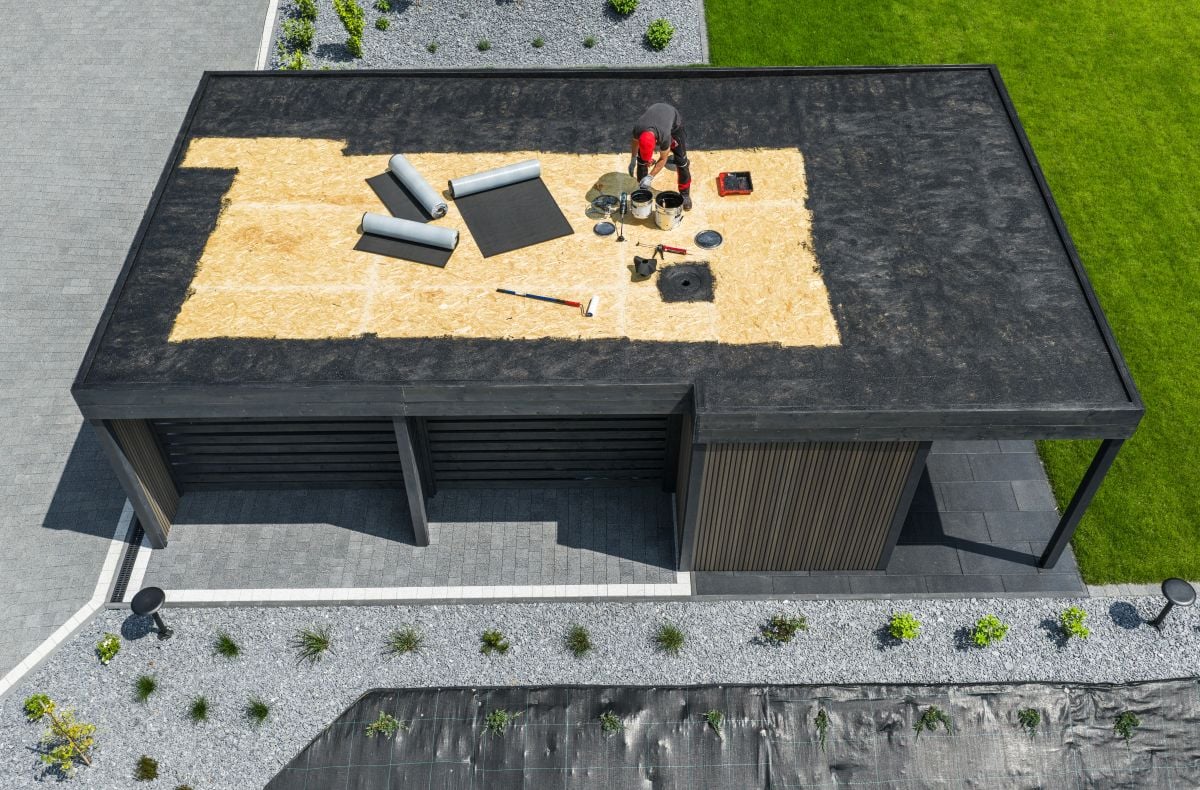
Roof Waterproofing Services: How They Protect Florida Homes
September 26, 2026
11 minutes Read
Roof waterproofing services are among the most underutilized protective investments available to Florida homeowners and property managers, and they are also among the most misunderstood. Many people assume waterproofing is only for flat commercial roofs or properties with active leaks, when in reality a properly applied waterproofing system is one of the most effective ways to extend the life of an existing roof, prevent costly water intrusion, and protect a building from Florida’s relentless combination of rainfall, humidity, and UV exposure. If you are exploring roof protection options for your home or property, this guide covers what you need to know. Here is what we cover:
- Why roof waterproofing matters in Florida’s climate
- The 6 main types of roof waterproofing systems and how they work
- Which roof types benefit most from waterproofing
- What the waterproofing process looks like from assessment to completion
- Frequently asked questions homeowners and property managers commonly ask
Why Roof Waterproofing Matters in Florida
Florida receives more rainfall than nearly any other state, and that rainfall arrives with intensity. During wet season, several inches can fall in a single hour, putting every element of a roof system under pressure. Flat and low-slope roofs that do not shed water as quickly as pitched surfaces are especially vulnerable, but even sloped roofing systems develop waterproofing vulnerabilities over time as sealants degrade, flashing separates, and membrane surfaces crack from UV exposure and thermal cycling.
The consequences of inadequate roof waterproofing in Florida go beyond a ceiling stain, and the water damage that follows an unaddressed vulnerability compounds quickly in the state’s heat and humidity. Water that enters through a compromised roof surface travels horizontally through insulation and decking, often surfacing far from the entry point. By the time it is visible inside, structural components may already be compromised. Mold establishes within 24 to 48 hours in Florida’s heat. Insulation loses all thermal value when wet. The cost of addressing these secondary problems consistently exceeds the cost of the waterproofing that would have prevented them.
We’re proud to serve home and business owners in Navarre, FL, and nearby Santa Rosa County communities with roof waterproofing services that address the actual sources of water intrusion rather than surface-level symptoms.
6 Types of Roof Waterproofing Systems

Not all waterproofing systems are the same, and the right waterproofing method depends on the roof type, substrate condition, drainage situation, and the property’s specific vulnerability profile. Choosing the wrong waterproofing method is one of the most common reasons systems underperform. Here is how the six main systems compare.
1. Elastomeric Roof Coatings
Elastomeric coatings are water-based acrylic or rubber-based products applied in liquid form that cure to a flexible, seamless membrane over the existing roof surface. They stretch and return to their original shape as the roof expands and contracts with temperature changes, making them well-suited to Florida’s daily thermal cycling. White elastomeric coatings also reflect solar radiation, which reduces cooling costs by lowering surface temperatures during Florida’s long warm season.
- Best for: Flat and low-slope roofs with structurally sound membranes showing surface wear
- Application: Brush, roller, or spray in multiple coats to specified dry film thickness
- Lifespan: 10 to 15 years depending on coating weight and maintenance
- Cost range: $2 to $5 per square foot installed
2. Silicone Roof Coatings
Silicone coatings are solvent-based or waterborne systems that cure to an extremely durable, UV-resistant membrane. They outperform acrylic coatings in resistance to ponding water, which makes them the preferred waterproofing choice for flat roofs that experience standing water after rain events. Silicone does not absorb water, does not degrade from UV exposure the way acrylic can, and maintains its waterproofing integrity through Florida’s extended sun seasons.
- Best for: Flat roofs with ponding water issues where drainage is marginal
- Application: Spray or roller; requires primer on most substrates
- Lifespan: 15 to 20 years
- Cost range: $3 to $6 per square foot installed
3. Fluid-Applied Waterproofing Membranes
Fluid-applied membranes are single or multi-component systems applied as a liquid that cure to a fully adhered, seamless waterproofing layer. They are more robust than surface coatings and are typically specified where a higher performance threshold is needed, such as over occupied spaces, mechanical rooms, or substrates with significant surface irregularities. They can be applied over concrete decks, wood decking, metal surfaces, and existing membrane systems.
- Best for: Higher-demand applications over occupied spaces or compromised substrates
- Application: Requires surface preparation and primer; applied in multiple passes with reinforcing fabric at transitions
- Lifespan: 15 to 25 years depending on product and application weight
- Cost range: $4 to $10 per square foot installed
4. Sheet-Applied Waterproofing Membranes
Sheet-applied systems use pre-formed waterproofing sheets, typically EPDM, TPO, or modified bitumen, that are mechanically attached, fully adhered, or ballasted over the roof deck. These systems are common on new commercial flat roof construction and major reroofing projects. They provide predictable, uniform thickness and are well-established in Florida roofing practice for both new construction and full replacement projects.
- Best for: Full reroofing or new construction flat roof applications
- Application: Requires tear-off of existing material; professional equipment required
- Lifespan: 20 to 30 years depending on material and maintenance
- Cost range: $5 to $12 per square foot installed
5. Polyurethane Foam (SPF) Roofing

Spray polyurethane foam is applied as a two-component liquid that expands on contact to form a rigid, closed-cell insulating and waterproofing layer over the entire roof surface. It fills seams, transitions, and irregular surfaces without mechanical attachment points, creating a fully adhered seamless system. SPF roofing is then topcoated with an elastomeric or silicone coating to protect the foam from UV degradation.
- Best for: Roofs with complex geometry or significant insulation deficiencies
- Application: Requires experienced certified applicators; weather-sensitive installation
- Lifespan: 20-plus years with proper topcoat maintenance every 10 to 15 years
- Cost range: $4 to $8 per square foot installed
6. Penetration and Flashing Waterproofing
Penetration and flashing waterproofing addresses the specific vulnerability points rather than the full roof surface. Pipe boots, HVAC curbs, parapet wall flashings, roof drains, and skylight perimeters are the most common sources of water intrusion on Florida roofs. A targeted waterproofing service that reseals or replaces failed flashings and penetration seals can resolve the majority of active leaks on an otherwise sound roof system at a fraction of the cost of a full coating or membrane application.
- Best for: Roofs with localized leaks at identifiable penetration or flashing points
- Application: Hand-applied sealants, compatible membrane patches, and metal flashing replacement
- Lifespan: 5 to 15 years depending on product and scope of work
- Cost range: $500 to $5,000 depending on the number of penetrations addressed
Which Roof Types Benefit Most From Waterproofing
Roof waterproofing services are applicable to a wide range of roof types, but some benefit more than others based on their design and exposure profile.
| Roof Type | Waterproofing Priority | Recommended System |
| Flat / low-slope commercial | High | Silicone or fluid-applied coating |
| TPO or EPDM membrane | Medium | Elastomeric or silicone topcoat on aged systems |
| Modified bitumen | Medium-High | Acrylic or elastomeric coating over sound membrane |
| Metal standing seam | Medium | Elastomeric coating when surface oxidation is present |
| Concrete deck or parapet | High | Fluid-applied membrane or crystalline waterproofing |
| Sloped asphalt shingles | Low-Medium | Targeted penetration and flashing sealing |
What the Waterproofing Process Looks Like
A professional roof waterproofing service follows a defined sequence. Skipping any stage produces a result that fails before it should, and surface preparation is the single most common place where inadequate waterproofing projects cut corners. Here is what a quality engagement looks like from start to finish.
- Moisture assessment: The process begins with visual inspection, moisture meters, core sampling, or infrared thermal scanning to identify existing moisture in the roof assembly and assess substrate condition. The ability to accurately identify moisture pathways before application is what separates a lasting waterproofing result from one that fails at the next rain event.
- Surface preparation: No waterproofing system performs as designed when applied over a wet or degraded substrate, and surface preparation is the single most important factor in the success of any waterproofing application. The surface is cleaned, repaired, and primed as required for the specified system.
- Defect repair: Cracks, failed seams, and deteriorated flashing are addressed before any coating or membrane is applied. Applying waterproofing over unrepaired defects traps the problem rather than solving it.
- System application: The waterproofing system is applied in multiple passes to achieve the required dry film thickness, with reinforcing fabric embedded at all transitions and penetrations where movement is likely.
- Testing and closeout: Upon completion, a professional contractor performs a water test or electronic leak detection scan to verify the completed system is performing as specified before closing out the project.
Frequently Asked Questions About Roof Waterproofing Services

Property owners researching waterproofing services tend to have the same practical questions. Here are direct answers to the most common ones.
Is roof waterproofing the same as a roof coating?
The terms are often used interchangeably, but there is a distinction. All waterproofing coatings are applied as a liquid coating, but not all roof coatings are specified primarily for waterproofing. Some coatings are applied primarily for reflectivity and energy performance on already-waterproof surfaces. A waterproofing coating is specifically formulated to create or restore the primary waterproofing barrier on the roof surface, with performance requirements specified at a minimum dry film thickness. Understanding the requirements of the specific roof type and use case is what drives the right product selection. The distinction matters when selecting the right product for a specific application.
How do I know if my roof needs waterproofing versus full replacement?
The key indicator is the condition of the substrate below the membrane. If the roof deck and insulation are structurally sound and dry, a waterproofing coating or membrane overlay is typically a viable and cost-effective alternative to full replacement. If the insulation is saturated or the deck is rotted or structurally compromised, waterproofing over those conditions traps moisture and accelerates deterioration. An infrared moisture survey is the most reliable way to determine what condition the underlying assembly is in before committing to either path.
How long does roof waterproofing last in Florida?
Lifespan varies by system type, application weight, and maintenance. Elastomeric coatings typically perform 10 to 15 years in Florida conditions with annual inspections and touch-up maintenance at penetrations and transitions. Silicone coatings and fluid-applied membranes extend toward 15 to 20 years. Sheet-applied systems and SPF roofing with proper topcoat maintenance can reach 20 to 30 years. All waterproofing systems perform longer when drainage issues are addressed, surfaces are maintained free of debris, and penetration seals are inspected and refreshed periodically.
Can waterproofing be applied while the building is occupied?
In most cases, yes. Water-based elastomeric and acrylic coatings have low odor and can be applied to occupied buildings with normal precautions. Solvent-based systems and two-component polyurethane or silicone products may require temporary ventilation measures or off-hours application in occupied facilities. The contractor should provide a clear plan for managing any VOC or odor concerns before work begins, particularly for occupied residential or medical buildings.
What maintenance does a waterproofed roof need?
A waterproofed roof benefits from an annual inspection that checks the coating surface for cracks, delamination, or wear at high-traffic areas and penetration points. Drains should be cleared at the beginning of each wet season. Any crack or lifted section in the coating surface should be addressed with compatible patch material promptly. This is particularly important in Florida, where a small coating breach left through a wet season can allow moisture into the insulation assembly below. Many coating manufacturers also recommend a recoat at the midpoint of the system’s rated life to restore film thickness and extend the system through its full design period.
Quality Roofing Solutions: Waterproofing That Works for Florida
Roof waterproofing services are only as effective as the assessment that precedes them and the preparation that follows it. A coating applied over a dirty, wet, or compromised surface will fail, and a penetration seal applied with the wrong product will outlast only the next rain event. This is why expertise matters as much as materials in any roof waterproofing engagement. At Quality Roofing Solutions, we have been diagnosing and waterproofing roofs across northwest Florida for over 20 years with the assessment process, product knowledge, and installation standards that produce lasting results in Florida’s demanding climate.
Schedule your roof waterproofing assessment today and find out which system is the right fit for your roof’s current condition and protection needs.