 (850) 753-0041


Roof Leak Repair: What to Do Before the Damage Spreads
August 20, 2026
9 minutes Read
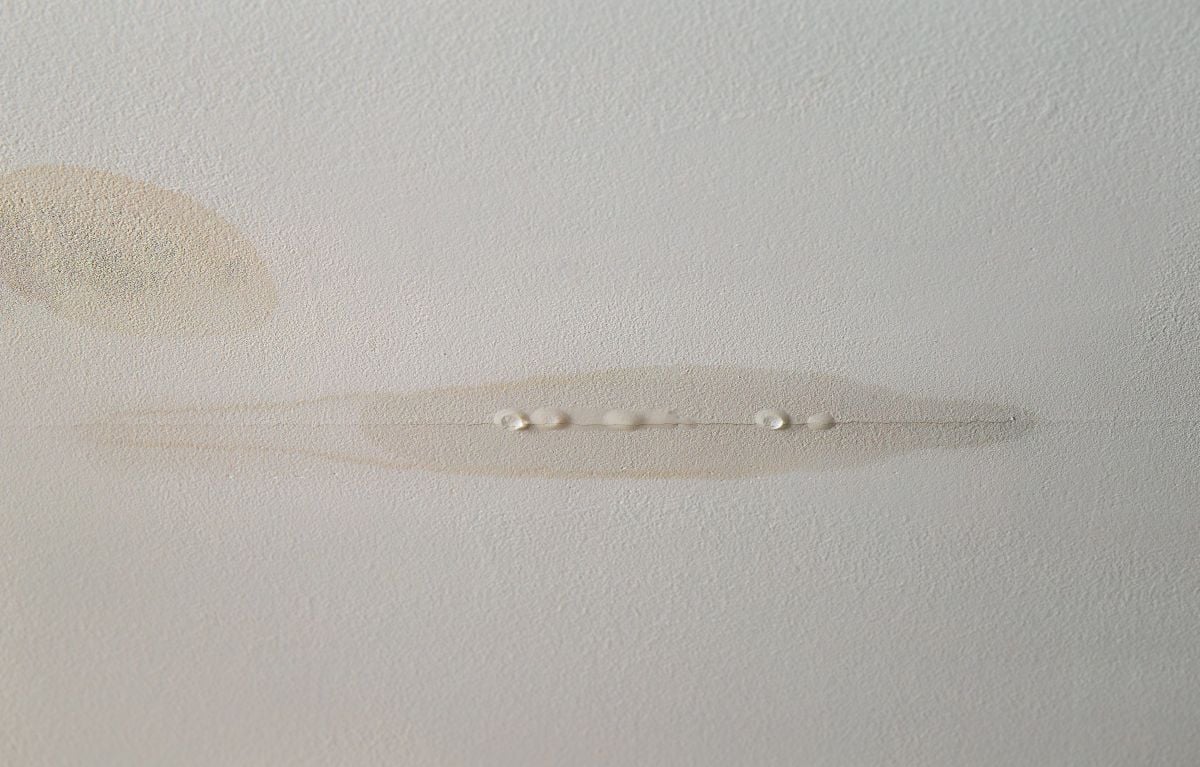
A roof leak rarely announces itself at a convenient time. It shows up as a ceiling stain after a storm, a drip in the middle of the night, or a musty smell that you cannot quite locate. Whatever form it takes, the one thing a leaking roof has in common with every other home emergency is that waiting makes it worse. Roof leak repair is not just about fixing the roof; it is about stopping cascading damage to insulation, drywall, framing, and personal property before costly repairs multiply. If you need a professional to assess and fix your roof leak, explore our residential roofing services or contact our team directly. Here is what we cover:
- Why timely roof leak repair matters in Florida
- Immediate steps to take when you discover a leaking roof
- The most common causes of roof leaks
- What professional roof leak repair involves
- Frequently asked questions homeowners commonly ask

Why Speed Matters With Roof Leak Repair
Water damage moves fast and compounds quickly. According to the Insurance Information Institute, water damage and freezing account for 22.6% of all home insurance claims, making it the second most common type of property damage claim behind only wind and hail. A significant portion of those claims originate from leaking roofs that went unaddressed long enough to saturate insulation, rot framing, and produce mold growth in wall and ceiling cavities.
In Florida’s climate, the compounding effect is even more aggressive. What starts as a minor flashing failure or a cracked pipe boot seal can quickly lead to higher energy bills as wet insulation loses its R-value, structural damage to rafters and decking as moisture accelerates wood rot, and mold growth that turns a straightforward roof leak repair into a multilayer remediation project. Timely roof leak repair is the difference between a few hundred dollars and a problem that requires roof replacements and interior rebuilding. We’re proud to serve home and business owners in Pensacola, FL, and nearby communities with roof leak repair services that address the actual source, not just the visible symptom.
4 Immediate Steps to Take When You Discover a Leaking Roof
The actions you take in the hours immediately following the discovery of a leaking roof determine how much secondary damage occurs before professional repair can be completed.
1. Contain the Water
Place buckets, towels, or plastic sheeting beneath active drip points to protect flooring and furnishings. If water is pooling in a ceiling that appears to be bulging, carefully puncture the lowest point of the bulge with a screwdriver to allow controlled drainage; a bulging ceiling retains water and will eventually collapse under its own weight, causing more structural damage than a controlled release.
2. Move Valuables and Document Everything
Relocate items from the affected area and photograph or video the damage before beginning any cleanup. Date-stamped documentation of the leak, the visible interior damage, and any roof damage you can safely observe from the ground is essential for an insurance claim and for roof leak repair specialists who will need to assess the full scope.
3. Apply a Temporary Roof Covering
If it is safe to access the roof and the source area can be identified, a heavy-duty polyethylene tarp secured over the damaged area provides temporary protection against additional water entry. Tarps should extend past the ridge if possible and be secured with lumber or weighted edges rather than fastened directly through the roofing material. This is a temporary measure only, not a substitute for professional roof leak repair.
4. Call Licensed Roof Leak Repair Specialists
Temporary containment buys time, but professional roof leak repair is the only permanent solution. Contact licensed roof leak repair specialists as soon as possible to schedule an inspection. The longer a leaking roof goes unaddressed, the greater the risk of structural damage, mold growth, and costly repairs that far exceed the original fix.

The Most Common Causes of Roof Leaks in Florida
Understanding where roof leaks originate helps homeowners communicate clearly with contractors and evaluate repair proposals. These are the most frequent sources.
- Damaged flashing: Damaged flashing at chimneys, skylights, pipe boots, roof vents, and wall-to-roof transitions is the most common source of roof leaks. Roof sealant that protects these joints degrades from Florida’s UV exposure and thermal cycling, creating gaps that allow water entry, often far from where the interior damage appears.
- Damaged or missing asphalt shingles: Asphalt shingles that have cracked, curled, or blown off in a storm leave the underlayment and roof deck exposed. Even partial shingle displacement, a lifted tab, or a broken corner creates a water entry pathway during heavy rain.
- Pipe boots and penetration seals: Every pipe, vent, and penetration that passes through the roof deck is a potential leak point. Rubber pipe boots crack and shrink over time, and neoprene seals around penetrations fail under prolonged UV exposure. In Florida, pipe boot failure is one of the most common sources of slow, intermittent leaks that are difficult to trace.
- Valley deterioration: Roof valleys concentrate the highest volume of water flow during rain events. Valley flashing that has degraded or separated at overlaps channels water into the decking rather than off the roof, often producing interior damage that appears far from the actual entry point.
- Flat roof membranes: On commercial properties and homes with flat roofs, flat roof membranes are especially vulnerable to ponding water, seam separation, and UV degradation. Flat roofs require different repair approaches than sloped systems — roof sealant alone is rarely sufficient when flat roof membranes have developed active separation or punctures.
- Improper roof installation: Roofs with installation errors — improperly overlapped asphalt shingles, missed flashing at penetrations, or underlayment installed without proper laps — are more vulnerable to leaks from the start and often require costly repairs or full roof replacements well before the material’s rated lifespan.
What Professional Roof Leak Repair Involves
A professional roof leak repair is a multi-step process that begins with finding the actual source of the leaking roof — not just the location of the interior damage.
| Repair Type | Common Cause | Typical Scope |
| Damaged flashing repair | Roof sealant failure, thermal movement | Reseal or replace flashing at transition points |
| Pipe boot replacement | UV cracking, rubber shrinkage | Remove and replace boot with compatible product |
| Asphalt shingle replacement | Wind damage, age-related failure | Replace damaged shingles, reseal surrounding courses |
| Valley repair | Flashing separation or wear | Re-flash valley with compatible material |
| Flat roof membrane repair | Seam separation, puncture, ponding | Patch, re-weld seams, or apply fluid-applied coating |
| Deck repair | Rot from long-term moisture | Replace compromised sheathing before new material |
The inspection process matters as much as the repair itself. A contractor who simply applies roof sealant to whatever is visible on the roof surface without tracing the leaking roof to its actual source is providing a temporary fix that will fail within the next rain event. Professional roof leak repair starts in the attic, where water staining on rafters and insulation reveals the travel path and works outward to confirm the entry point before fixing leaks begins.
Frequently Asked Questions About Roof Leak Repair
Homeowners dealing with an active or recent leaking roof typically have the same urgent questions. Here are direct answers to the most common ones.
How do I find where my roof is leaking?
From inside, start in the attic directly above the interior damage and look for water stains, wet insulation, or daylight through the roof deck. The entry point is often several feet upslope from where water staining appears, because water travels along rafters and sheathing before dripping down. From outside, check all damaged flashing points, pipe boots, ridge cap, and any asphalt shingles that appear lifted, cracked, or missing above the interior stain.
Can I repair a roof leak myself?
Minor repairs, applying fresh roof sealant to a cracked pipe boot or replacing one or two damaged asphalt shingles, are manageable for a homeowner comfortable on a sloped roof. Most Florida roof leaks, however, involve damaged flashing or multiple simultaneous issues that require professional diagnosis. Incorrectly applied roof sealant and missed secondary leak points often result in recurring leaks that are more costly to fix than the original issue would have been.
Will homeowners insurance cover roof leak repair?
Florida homeowners insurance typically covers roof leak repair when the leaking roof results from a sudden covered event, a named storm, wind damage, or hail impact. Leaks that developed gradually due to deferred maintenance or age-related deterioration are generally excluded. Documenting when the leak was discovered, obtaining a professional inspection report identifying the cause, and filing promptly are all important steps. Insurers look for evidence of neglect as grounds for denial, which is why timely roof leak repair protects both your home and your coverage.
How much does roof leak repair cost in Florida?
Roof leak repair costs vary based on the source, scope, and secondary damage involved. Roof sealant application or a pipe boot replacement typically runs a few hundred dollars. Shingle replacement, valley re-flashing, flat roof membrane repair, or deck repair can run into the thousands depending on extent. The earlier a leaking roof is caught, the lower the total cost; leaks active long enough to cause structural damage or saturate insulation require significantly more work and often lead to costly repairs that dwarf what timely repair would have cost.
How do I prevent future leaks?
The most effective strategy to prevent future leaks is a professional roof inspection every one to two years and after every significant storm. Inspections catch developing issues — cracking pipe boot seals, damaged flashing, lifting asphalt shingles — before they become active leaks. Keeping gutters clean, maintaining attic ventilation, and addressing visible damage promptly are the habits that keep minor maintenance from becoming costly repairs. Roof leak repair specialists can also identify areas of the roof approaching end of life before they fail.

Quality Roofing Solutions: Stop the Leak, Protect the Home
Timely roof leak repair is most manageable when it is caught and addressed early. The longer a leaking roof runs, the more of the home it involves — structural damage, higher energy bills from compromised insulation, and mold remediation costs that dwarf what fixing leaks early would have required. At Quality Roofing Solutions, roof leak repair specialists have been finding and fixing roof leaks for homeowners across Pensacola and northwest Florida for over 20 years. We trace leaks to their actual source, repair them correctly, and give you a clear picture of the overall roof condition, so you know what to expect going forward.
Contact our team today to schedule your roof inspection and get the leak repaired before the damage spreads any further.