 (850) 753-0041


How to Remove Moss from Roof: Safe Cleaning Methods
May 12, 2026
6 minutes Read
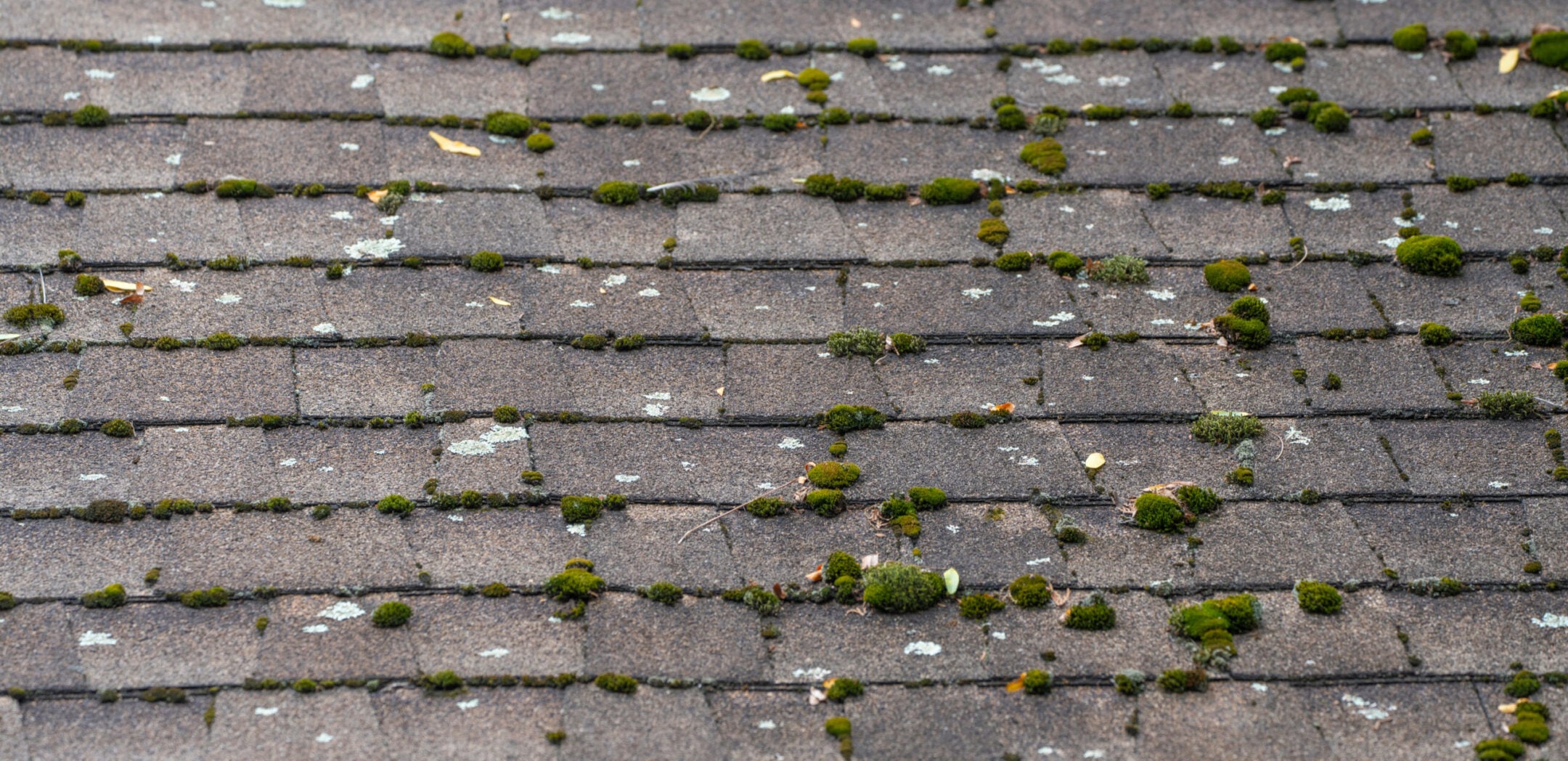
If you’re wondering how to remove moss from roof surfaces safely, the key is using the right methods that protect your roofing materials while eliminating growth at the source. Moss may seem harmless, but it can trap moisture and lead to long-term roof damage if left untreated.
- Moisture control: Moss holds water against the roof surface.
- Damage prevention: Reduces risk of shingle deterioration.
- Improved appearance: Restores your roof’s clean look.
- Long-term protection: Helps extend the life of your roofing system.
In areas like Pensacola, where humidity and rainfall are frequent, moss and algae growth can develop quickly without proper maintenance.
Why Moss on Your Roof Is a Problem

Moss thrives in damp, shaded environments and spreads quickly across roofing materials. While it may start as a small patch, it can expand and create serious issues over time.
As moss grows, it lifts shingles and traps moisture underneath. This can weaken the roof structure, lead to water damage, and create conditions for mold growth. If ignored, it may even shorten the lifespan of your roof or lead to premature roof replacement. Moss can also contribute to clogged gutters and impact your gutter system, especially when loose debris accumulates during storms or wind damage events.
Safe Methods to Remove Moss from Your Roof
Removing moss requires a careful approach to avoid damaging your roof. Using safe, proven methods ensures effective results without causing unnecessary wear. These methods focus on gentle cleaning and targeted treatment rather than aggressive techniques.
- Soft washing: Uses low-pressure water and cleaning solutions to safely break down moss at the root without damaging shingles.
- Moss removal treatments: Apply solutions to treat moss at the source and support complete removal.
- Soft bristle brush use: Allows for gentle manual removal after treatment without stripping protective layers.
- Natural solutions: White vinegar or baking soda can be lightly applied in some cases to help dry out moss and slow its spread.
- Leaf blower use: Helps remove loose debris like leaves and twigs before cleaning begins.
- Preventative strips: Installing zinc or copper strips helps reduce future moss buildup over time.
- Professional cleaning: Hiring a roofing contractor ensures proper techniques are used for safe and thorough results.
Moss Removal Methods Comparison
Different cleaning methods vary in effectiveness, safety, and long-term results. Understanding the differences can help you choose the best option for your roof.
| Method | Effectiveness | Roof Safety | Longevity |
| Soft washing | High | Very safe | Long-lasting |
| Manual brushing | Moderate | Safe if done gently | Short-term |
| Chemical treatments | High | Safe if applied properly | Long-lasting |
| Pressure washing | Low | High risk of damage | Short-term |
| Natural methods like baking soda | Moderate | Safe | Temporary |
This comparison shows why soft wash roof cleaning and professional roof moss removal methods are typically the safest and most effective options.

Methods to Avoid When Removing Moss
Not all cleaning methods are safe for your roof. Some approaches can cause more harm than good and lead to costly repairs.
- High-pressure washing: Can damage shingles and force water underneath.
- Harsh chemicals: May weaken roofing materials.
- Scraping aggressively: Can remove protective layers.
- Ignoring safety: Walking improperly on the roof can cause damage.
Avoiding these methods helps preserve the integrity of your roofing system.
7 Tips to Prevent Moss from Coming Back
Preventing moss growth is just as important as removing it. Taking proactive steps can keep your roof clean and reduce future maintenance needs.
1. Keep Your Roof Clean
Regular cleaning helps remove loose debris and organic buildup that can trap moisture and encourage moss growth.
- Debris removal: Use tools like a leaf blower to remove loose debris regularly.
- Surface care: Maintain a clean roofing surface.
- Moisture reduction: Prevents conditions moss needs to grow.
2. Trim Overhanging Trees
Shade creates the perfect environment for moss. Reducing shade helps keep your roof dry.
- Sun exposure: Increases drying time after rain.
- Debris reduction: Limits buildup on the roof.
- Damage prevention: Reduces risk of falling branches during wind damage events.
3. Improve Roof Ventilation
Proper ventilation helps regulate moisture levels and keeps your roof dry.
- Airflow improvement: Reduces trapped moisture.
- Temperature control: Helps prevent damp conditions.
- System efficiency: Supports overall roof performance.
4. Clean Gutters Regularly
Clogged gutters can cause water to back up and create moisture issues on your roof.
- Water flow: Ensures proper drainage through your gutter system.
- Overflow prevention: Reduces standing water.
- Roof protection: Keeps moisture away from shingles.
5. Address Minor Issues Quickly
Small problems can create the perfect environment for moss growth if left untreated.
- Early repair: Fix minor damage before it worsens.
- Problem areas: Monitor vulnerable sections of the roof.
- Cost savings: Prevent larger repairs.
6. Use Preventative Treatments
Applying treatments periodically can help stop moss before it starts.
- Protective layer: Helps treat moss early and reduce growth.
- Long-term care: Keeps roof cleaner longer.
- Easy maintenance: Reduces cleaning frequency.
7. Schedule Regular Roof Inspections
Routine inspections help identify conditions that may lead to moss growth.
- Professional evaluation: Detects early warning signs.
- Preventative care: Keeps your roof in good condition.
- Peace of mind: Ensures long-term performance.
Why Safe Moss Removal Matters
Using safe cleaning methods is essential to protect your roof from unnecessary damage. Improper techniques can weaken shingles, damage the roof structure, and lead to costly repairs.
In fact, moisture and mold can damage building materials and lead to structural issues if not addressed, which highlights the importance of removing moss safely and preventing moisture buildup.
Proper care not only improves the appearance of your roof but also helps extend its lifespan and maintain its performance.
Moss Removal FAQs
Moss removal often raises questions for homeowners who want to protect their roof without causing damage. Below are some common questions to help guide your decisions.
How often should I remove moss from my roof?
Moss should be removed as soon as it appears. In humid climates like Pensacola, this may mean checking your roof at least once or twice a year to prevent buildup from spreading.
Is it safe to remove moss yourself?
It can be safe if you use proper methods like a soft bristle brush and avoid pressure washing. However, hiring a professional is often the safest option, especially for larger areas or steep roofs.
Will moss come back after cleaning?
Moss can return if conditions remain favorable. Preventative steps like trimming trees, improving ventilation, and using zinc strips can help reduce regrowth.
Can moss cause permanent roof damage?
Yes, if left untreated, moss can trap moisture and lead to water damage, weakened shingles, and structural issues over time.
Keep Your Roof Clean with Quality Roofing Solutions
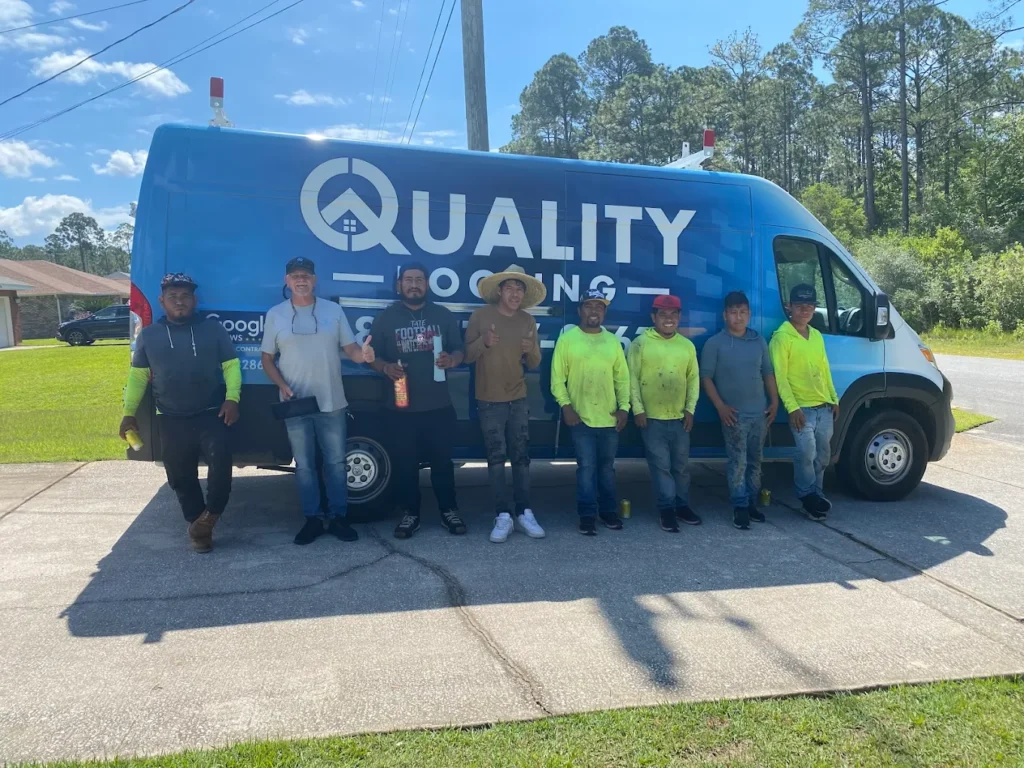
Moss removal requires the right approach and expertise to ensure lasting results. At Quality Roofing Solutions, we use safe and effective methods to clean and protect your roof without causing damage.
We’re proud to serve home and business owners in Pensacola, FL, and nearby communities with roof cleaning and maintenance services. Our team understands how local conditions impact roofing systems and provides solutions tailored to your needs.
If you’re dealing with moss buildup or want to prevent future growth, contact Quality Roofing Solutions today to schedule a professional cleaning or inspection. Let us help you keep your roof in top condition year-round.