 (850) 753-0041


Average Cost to Tear Off and Replace Roof in 2026
June 4, 2026
7 minutes Read
The average cost to tear off and replace roof systems in 2026 depends on several factors, including roof size, roofing materials, labor costs, and the condition of the existing roof. Homeowners planning for a roof replacement should understand what impacts pricing so they can budget more effectively.
- Roof size: Larger roofs require more materials and labor.
- Material choice: Premium materials increase project costs.
- Labor expenses: Installation complexity affects pricing.
- Structural repairs: Hidden damage can add unexpected costs.
In places like Pensacola, weather conditions such as heavy rain, humidity, and storms can also influence roofing costs and replacement timelines.
What Does Roof Tear Off Mean?
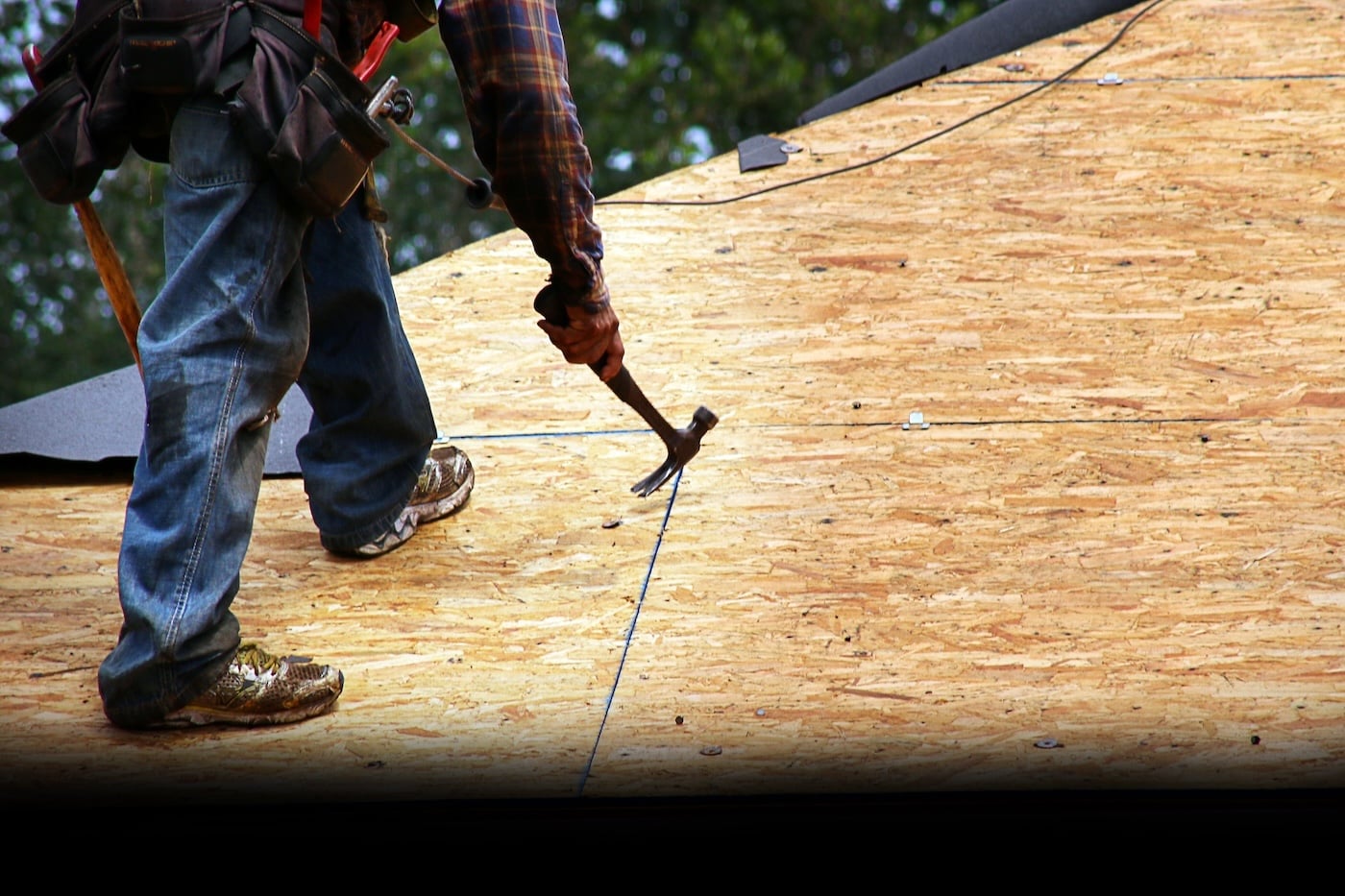
A roof tear off involves removing the existing roofing materials before installing a new roofing system. This process allows roofing contractors to inspect the roof decking and identify hidden issues that may not be visible from the surface.

While some homeowners consider overlaying new shingles on top of old shingles, a complete tear off is often the better long-term option. Removing the old materials creates a clean installation surface and helps improve the performance and lifespan of the new roof. According to the Insurance Institute for Business & Home Safety, about half of all asphalt shingle roofs in areas impacted by Hurricane Ian had damage issues — with roofs 10 years or older especially vulnerable — reinforcing why a complete tear off that reveals hidden deterioration is so critical for homes in storm-prone coastal areas like Pensacola.
Average Roof Replacement Costs in 2026
Roof replacement costs can vary significantly depending on the type of roofing material and the complexity of the project. Labor rates and regional pricing also play a major role in overall costs.
| Roofing Material | Average Cost Range |
| Asphalt shingle roof | $8,000 to $15,000 |
| Metal roofing | $12,000 to $25,000 |
| Tile roofing | $15,000 to $35,000 |
| Flat roofing systems | $7,000 to $14,000 |
| Luxury roofing materials | $20,000+ |
These estimates typically include labor, tear off, disposal, and installation costs, though final pricing depends on the condition of the property and the total square foot coverage required.
Factors That Affect Roof Replacement Costs
Several important factors influence the average cost to tear off and replace roof systems. Understanding these details helps homeowners make informed decisions when planning a roofing project.
Roof Size and Complexity
Larger roofs naturally require more materials and labor to complete. Complex roof designs with multiple slopes, valleys, or steep sections can also increase installation difficulty.
- Larger surface area: Requires more roofing materials.
- Steep roof pitch: Increases labor difficulty and safety requirements.
- Complex layouts: Add installation time and labor costs.
Roofing Material Selection
Different roofing materials vary greatly in cost, durability, and installation requirements. Choosing the right common roofing material depends on budget, appearance, and long-term performance goals.
- Asphalt shingles: Often the most affordable option.
- Architectural shingle products: Provide enhanced durability and appearance.
- Metal roofing: Offers long-term performance and energy efficiency.
Existing Roof Condition
The condition of the current roof can significantly affect project costs. Hidden structural issues often increase the amount of work required.
- Decking damage: May require roof decking repairs.
- Water damage: Adds repair and replacement costs.
- Ventilation problems: Can require system upgrades.
Labor and Disposal Costs
Labor costs vary depending on the roofing contractor, project complexity, and regional pricing. Disposal fees are also part of the tear off process.
- Material removal: Includes hauling away old roofing materials.
- Installation labor: Often calculated per square foot.
- Permit fees: May apply depending on local regulations.
8 Steps in a Roof Tear Off and Replacement Project
Roof replacement projects follow several important stages from inspection through final cleanup. Understanding these steps can help homeowners know what to expect during the process.
1. Roof Inspection
The roofing contractor begins by inspecting the current roof to assess damage and determine project scope. This helps establish accurate pricing and timelines.
- Damage evaluation: Identifies leaks and weak areas.
- Structural assessment: Reviews roof decking condition.
- Project planning: Establishes installation needs.
2. Estimate and Material Selection
After the inspection, homeowners review pricing and select roofing materials that fit their budget and goals. Reputable roofing contractors will explain the differences between material types and installation methods.
- Material comparison: Reviews available roofing products.
- Budget planning: Helps determine project costs.
- Timeline discussion: Establishes scheduling expectations.
3. Permit and Scheduling
Some roofing projects require permits before work can begin. Scheduling also depends on weather conditions and contractor availability.
- Permit approval: Ensures local code compliance.
- Project coordination: Schedules labor and delivery.
- Timeline preparation: Helps avoid delays.
4. Tear Off Process
Old roofing materials are removed so the roof deck can be inspected and prepared. This stage often reveals hidden damage beneath the surface.

- Shingle removal: Clears away existing shingles and underlayment.
- Debris disposal: Removes old roofing waste.
- Deck exposure: Allows full structural inspection.
5. Decking Repairs
If damaged decking is discovered, repairs must be completed before installation can continue. This helps create a stable foundation for the new roof.
- Structural reinforcement: Repairs weakened areas.
- Moisture damage repair: Replaces rotted sections.
- Surface preparation: Creates secure installation conditions.
6. Underlayment and Flashing Installation
Protective layers are installed before the roofing material is applied. These components help prevent leaks and water intrusion.
- Underlayment placement: Adds moisture protection.
- Flashing installation: Seals roof penetrations and edges.
- Water resistance: Improves roof performance.
7. New Roof Installation
The selected roofing materials are installed according to manufacturer specifications. Proper installation is critical for long-term durability.
- Material application: Completes the roofing surface.
- System integration: Ensures proper ventilation and drainage.
- Quality workmanship: Supports roof longevity.
8. Cleanup and Final Inspection
After installation, the roofing team removes debris and performs a final inspection. This ensures the project meets quality standards.
- Property cleanup: Removes nails and leftover materials.
- Final walkthrough: Reviews completed work.
- Project approval: Confirms installation quality.
Tear Off vs Roof Overlay
Some homeowners consider installing new shingles over existing shingles instead of performing a full tear off. While overlays may reduce upfront costs, they are not always the best long-term solution.
| Option | Benefits | Drawbacks |
| Full tear off | Better long-term performance | Higher upfront cost |
| Roof overlay | Lower initial cost | Can hide existing damage |
A full tear off often provides better durability because roofing contractors can inspect and repair hidden issues before installation begins.
Cost Per Square Foot for Roof Replacement
Many roofing contractors estimate roof replacement pricing based on the total size of the roof per square foot. Material choice, labor difficulty, and roof complexity all affect this calculation.

An asphalt shingle roof generally costs less per square foot than premium materials like tile or metal roofing. However, investing in higher-quality roofing materials can sometimes reduce long-term maintenance and replacement costs.
Is a Roof Tear Off Worth the Cost?
Although a roof tear off increases upfront project costs, it often provides better long-term value. Removing old roofing materials allows contractors to identify structural problems, improve ventilation, and ensure the new roofing system performs properly.
For homes in humid climates like Pensacola, addressing hidden moisture damage during replacement can help prevent future repairs and extend the lifespan of the roof.
Work with Quality Roofing Solutions for Your Roof Replacement
Understanding the average cost to tear off and replace roof systems helps homeowners prepare for one of the most important exterior investments they will make. At Quality Roofing Solutions, we provide detailed inspections, transparent pricing, and reliable roof replacement services tailored to each property.
We’re proud to serve home and business owners in Pensacola, FL, and nearby communities with roof replacement services and more. Our experienced team works with high-quality roofing materials and delivers dependable workmanship designed for long-term durability.
If you are considering a roof replacement in 2026, contact Quality Roofing Solutions today to schedule an inspection and estimate. Let us help you protect your home with a durable new roofing system.