 (850) 753-0041



Roof Flashing Repair vs Replacement: When to Swap It Out
May 21, 2026
6 minutes Read
If you’re dealing with leaks or moisture issues, roof flashing repair is often one of the first solutions to consider. Flashing plays a critical role in protecting vulnerable areas of your roofing system, but knowing whether to repair or fully replace it can make a big difference in long-term performance.
- Leak prevention: Roof flashing helps stop water from entering through seams and joints.
- Critical protection: Shields chimneys, vents, edges, and other vulnerable areas.
- Cost factor: Repairs are cheaper upfront, but replacement may be more effective long term.
- Longevity impact: Proper decisions reduce the need for frequent roof repairs.
In areas like Pensacola, where heavy rain and humidity are common, flashing is especially important for preventing water damage.
What Is Roof Flashing and Why It Matters

Roof flashing is a thin material, typically made of metal, installed around joints, seams, and penetrations in your roof. These areas are naturally more vulnerable to leaks, making roof flashing a key part of any roofing system.
Flashing directs water away from critical areas such as chimneys, skylights, roof valleys, and drip edge flashing along the edges. Without it, water can easily seep into the roof structure, damage roof components, and lead to rot, mold, and structural issues. In areas around chimneys, worn mortar can also create small holes where water can enter if flashing is not properly sealed. Over time, even minor problems with current flashing can develop into major concerns if not addressed.
Signs Your Roof Flashing Needs Attention
Flashing problems are not always immediately visible, but there are several warning signs that indicate it may need repair or replacement.
- Water stains: Interior stains often point to flashing failure.
- Rust or corrosion: Metal flashing can deteriorate over time.
- Cracked sealant: Gaps and small holes allow water to penetrate.
- Loose flashing: Movement can break the seal and create leaks.
Catching these signs early can help you avoid more extensive roof damage and costly repairs.
8 Key Differences Between Repair and Replacement
Deciding between repair and replacement depends on the condition of your flashing and the extent of the damage. Below are the most important factors to consider.
1. Extent of Damage
Minor cracks or small gaps can often be repaired, while widespread deterioration usually requires full replacement.
- Repair option: Suitable for isolated issues.
- Replacement need: Necessary for severe or widespread damage.
2. Age of Flashing
Older flashing is more likely to fail and may not respond well to repairs.
- Repair option: Works for newer materials.
- Replacement need: Recommended for aging systems.
3. Type of Material
Different flashing materials have different lifespans and repair capabilities.
- Repair option: Aluminum and steel can sometimes be patched.
- Replacement need: Required if material is heavily corroded.
4. Leak Severity
The severity of leaks plays a major role in determining the best solution.
- Repair option: Minor leaks can often be sealed to stop water intrusion.
- Replacement need: Persistent leaks usually require new flashing.
5. Roof Condition
The overall condition of your roof can influence whether repair or replacement is the better choice.
- Repair option: Works if the rest of the roofing system and shingles are in good shape.
- Replacement need: Needed if the roof is nearing the end of its lifespan.
6. Cost Considerations
Budget plays a role, but short-term savings should not outweigh long-term performance.
- Repair option: Lower upfront cost.
- Replacement need: Higher cost but longer-lasting solution.
7. Installation Quality
Improper installation can cause flashing to fail prematurely.
- Repair option: May fix minor installation issues.
- Replacement need: Required if installation was done incorrectly.
8. Long-Term Performance
Thinking ahead can help you avoid repeated issues.
- Repair option: Short-term solution.
- Replacement need: Better for long-term reliability.

Repair or Replace Roof Flashing?
Choosing between repair and replacement depends on the condition of your flashing, the extent of the damage, and the overall health of your roofing system. While repairs can be effective in certain situations, replacement may provide a more reliable long-term solution when problems are more severe.
Making the right decision early helps prevent recurring leaks, protects your roof structure, and ensures your roofing system continues to perform as expected.
When Roof Flashing Repair Is Enough
In many cases, repairing roof flashing is a practical solution when the damage is minor and limited to a specific area. Addressing these issues early can prevent them from spreading and causing more serious problems.
- Minor cracks or gaps: Small openings can often be sealed effectively.
- Loose sections: Flashing that has shifted slightly can be secured and resealed.
- Isolated problem areas: Damage limited to one section is easier to repair.
- Good surrounding materials: When nearby shingles and materials are still in solid condition, repair is often sufficient.
Repairs work best when handled quickly by a qualified roofing contractor. Acting early helps stop water from reaching deeper layers and avoids more extensive damage over time.
When It’s Time to Replace Flashing
There are situations where repair is no longer effective, and replacement becomes the better option. Ignoring these signs can lead to ongoing leaks and more serious structural concerns.
- Severe corrosion: Rusted or deteriorated flashing cannot be reliably repaired.
- Improper installation: Poorly installed flashing often needs full replacement.
- Multiple failure points: Widespread issues indicate a larger problem.
- Recurring leaks: Repeated issues suggest repairs are no longer enough.
Replacing current flashing ensures a fresh, secure seal and restores protection to vulnerable areas of your roof. It also allows roofing professionals to inspect surrounding materials and confirm there is no hidden damage beneath the surface.
Repair vs Replacement Comparison
Understanding the differences between these options can help you make a more informed decision.
| Factor | Repair | Replacement |
| Cost | Lower upfront | Higher upfront |
| Lifespan | Shorter | Longer |
| Effectiveness | Temporary | Long-term |
| Best for | Minor issues | Severe damage |
| Maintenance | More frequent | Less frequent |
This comparison highlights why replacement is often the better option for long-term protection, even if repairs seem appealing initially.
Why Professional Inspection Matters
Determining whether to repair or replace flashing is not always straightforward. A professional roofing contractor can assess the condition of your flashing and recommend the best course of action.
An inspection ensures that all problem areas are identified, including hidden damage that may not be visible from the surface. This helps prevent repeated issues and ensures your roof performs as expected. Experienced professional roofers understand how flashing interacts with shingles and other components, allowing them to provide accurate recommendations and effective roof repairs.
Protect Your Roof with Quality Roofing Solutions
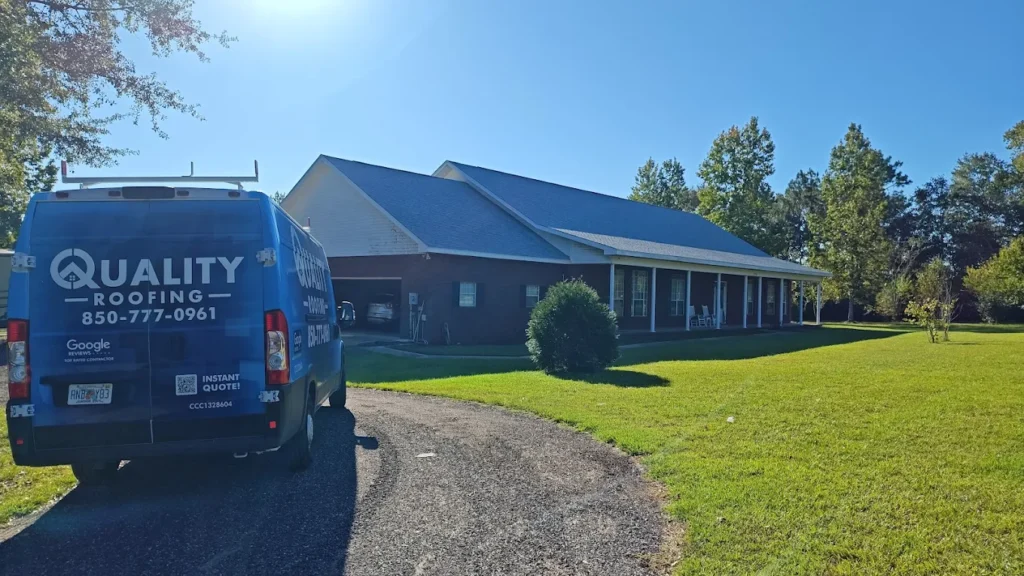
Whether you need roof flashing repair or full replacement, having the right team makes all the difference. At Quality Roofing Solutions, our roofing professionals provide expert inspections and reliable solutions to keep your roof protected.
We’re proud to serve home and business owners in Pensacola, FL, and nearby communities with roof flashing repair and more. As a trusted local roofing company, we understand how local weather conditions impact roofing systems and deliver solutions designed for long-term durability.
If you are experiencing leaks or suspect flashing issues, contact Quality Roofing Solutions today to schedule an inspection. Let our professional roofers help you protect your home, stop water intrusion, and avoid costly repairs.