850-753-0041


Skylight Installation (Process, Placement & What to Expect)
November 9, 2026
7 minutes Read
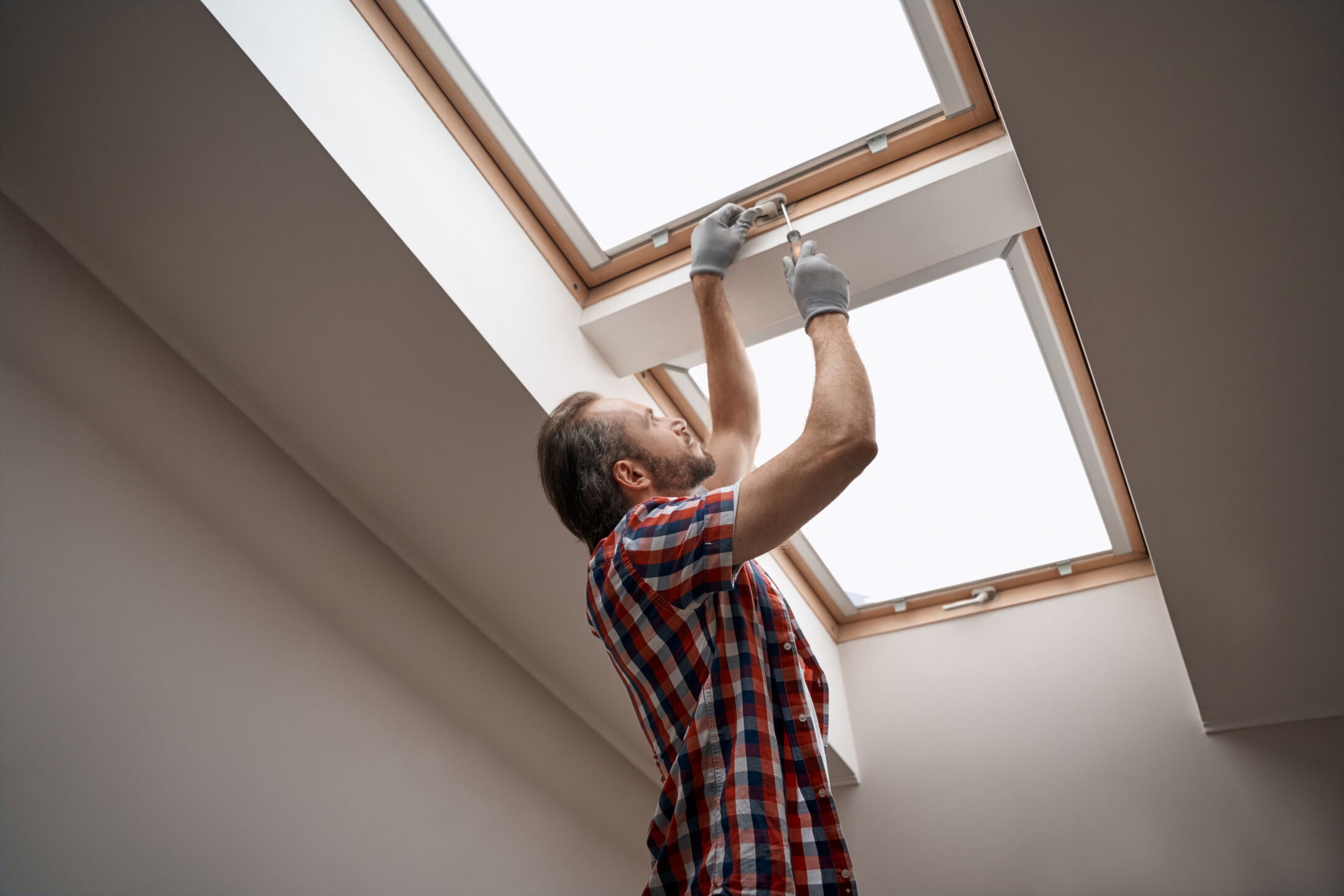
Natural light can completely change how a room looks and feels. Skylights brighten dark hallways, kitchens, and bathrooms while making smaller spaces feel open and airy. But skylight installation involves cutting into your roof, so getting the process, placement, and product right matters just as much as the light it brings in. For homeowners in Fort Walton Beach, where strong sun and heavy coastal storms are part of everyday life, those details make all the difference. If you’re thinking about adding one, it helps to work with a team that handles skylights and other roofing upgrades as part of your complete roof system.
In this guide, you’ll learn:
- Skylight types: The main styles and how they compare.
- Placement tips: How orientation and size affect light and heat.
- The installation process: What happens step by step, from consultation to cleanup.
- Installation day: What to expect while the work is underway.
- Common questions: Answers to what homeowners ask most about skylights.
Types of Skylights to Consider

Skylights, sometimes called roof windows, come in several styles, and each one serves a slightly different purpose. The right choice depends on the room, your budget, and whether you want light, airflow, or both.
| Skylight Type | How It Works | Best For | Ventilation |
| Fixed skylight | Sealed glass panel that does not open | Living rooms, vaulted ceilings, and hallways | No |
| Venting skylight | Opens manually or with a motor to release warm air | Kitchens and bathrooms | Yes |
| Tubular skylight | Small roof dome channels light through a reflective tube | Closets, small baths, and interior hallways | No |
| Solar powered venting skylight | Opens and closes using a built in solar panel, often with a rain sensor | Ceilings that are hard to reach | Yes |
A ventilating skylight is especially popular in humid climates because it lets trapped heat and moisture escape from the highest point in the room.
Choosing the Right Skylight Placement
Where you put a skylight affects how much light it delivers and how much heat it adds to your home. A well placed skylight brightens a space without turning it into a hot spot during summer afternoons.
Size and glazing matter just as much as location. An oversized skylight can overheat the room below and drive up cooling costs, and the right glass depends on where you live. ENERGY STAR notes that performance criteria for skylights vary by climate zone, so a model designed to keep heat in during northern winters may not be the best fit for a hot Gulf Coast home.
The direction your roof faces also plays a big role:
- North facing: Provides steady, even light with minimal heat gain, making it a strong choice in warm climates.
- East facing: Brings in bright morning light and warmth, then avoids the harsh afternoon sun.
- West facing: Delivers afternoon sun and significant heat gain, so it often needs shading or special glazing.
- South facing: Offers plenty of sunlight but can add unwanted heat during long Florida summers.
For many homes in Fort Walton Beach, a north or east facing placement paired with quality glazing offers the best balance of light and comfort. Shade from nearby trees and interior or exterior shades can also help control glare and heat.
7 Steps in the Skylight Installation Process

A professional installation follows a careful sequence to protect your roof and keep water out. Here’s what the process typically looks like.
- Consultation and roof inspection: A roofing professional evaluates the roof condition, roofing material, and attic space to confirm the location will work, since shingle, tile, and metal roofs each call for different flashing details.
- Product selection: You choose the skylight type, size, and glazing, ideally an ENERGY STAR certified model suited to a hot climate.
- Permits: Your contractor secures any required building permits before work begins.
- Cutting and framing the opening: The crew carefully removes shingles and roofing nails, cuts the roof deck, and reinforces the roof framing with headers between the roof rafters to support the skylight.
- Flashing and waterproofing: The skylight is mounted and sealed with underlayment, sill flashing along the bottom edge, and step flashing up the sides to direct water away.
- Building the light shaft: Inside, the shaft is framed, insulated, air sealed, and finished with drywall to match your ceiling.
- Final inspection and cleanup: The installer checks every seal, tests any venting features, and cleans up the work area.
What to Expect on Installation Day
Most homeowners are surprised by how quickly a skylight goes in. Knowing what to expect ahead of time makes the day go smoother.
- Timeline: Many standard skylight installations are completed in a single day, while interior finishing may take a bit longer.
- Noise: Expect some cutting and hammering while the roof opening is created.
- Dust: Crews typically protect furniture and floors in the room below, but it helps to clear the space beforehand.
- Weather: Work is usually scheduled around rain, since the roof is open during part of the job.
- Access: Plan to give the crew access to both the attic and the room where the skylight will go.
We’re proud to serve home and business owners in Fort Walton Beach, FL, and nearby communities with skylight installation, roof replacement, and more.
Common Questions About Skylights

Adding a skylight is an exciting project, but it’s natural to have questions before cutting into your roof. Here are answers to some of the most common ones.
Do skylights leak?
A properly installed skylight should not leak. Most leaks come from poor flashing, worn seals, or skylights installed without proper underlayment, not from the skylight itself. Quality installers use manufacturer flashing kits, self adhering waterproofing membranes, and careful detailing, especially around curb mounted skylights, to keep water out. Regular roof inspections also help catch small issues, like cracked seals or debris buildup around the frame, before they turn into leaks that damage your ceiling or insulation.
Will a skylight make my house hotter?
It can if the wrong product or placement is chosen, which is why planning matters so much in warm climates. Modern skylights use low emissivity coatings, tinted glass, and insulated glazing to reduce heat gain while still letting in natural light. Choosing a north or east facing location, keeping the skylight properly sized, and adding a shade can all help. Venting models can even help cool a room by letting hot air escape from the ceiling.
Can I add a skylight during a roof replacement?
Yes, and it’s often the best time to do it. Since the old roofing is already being removed, your contractor can frame and flash the skylight opening as part of the new roof system, which can save on labor and help ensure a watertight fit. It’s also a good opportunity to replace older skylights that are nearing the end of their lifespan, so they don’t need to be removed from a brand new roof a few years later.
Can I install a skylight myself?
Skylight kits are widely available at home improvement stores, but DIY skylight installation carries real risks. The job involves cutting through the roof deck, modifying roof rafters, and flashing the opening correctly, all while working at height with the proper safety equipment. A small mistake in framing or flashing can lead to leaks, wood rot, or structural problems that cost far more to fix than a professional installation would have cost. Some manufacturer warranties also depend on proper installation, so hiring an experienced roofer usually pays off.
How long do skylights last?
Many quality skylights last 20 years or more, though the exact lifespan depends on the materials, installation quality, and exposure to sun and weather. Glass skylights generally hold up better than plastic domes, which can yellow or become brittle over time. Seals and flashing may need attention before the skylight itself wears out. If your skylight is approaching the age of your roof, replacing both together is usually the most cost effective approach.
Brighten Your Home With Quality Roofing Solutions
A skylight can transform a room, but only when it’s planned and installed with care. For 20 years, Quality Roofing Solutions has protected homes across Northwest and Central Florida, and our team understands how every opening in your roof affects its long term performance. We’ll help you choose the right skylight, the right spot, and the right flashing details so you can enjoy natural light without worrying about leaks.
We offer free roof inspections, making it easy to find out whether your roof is ready for a skylight. Request your quote today and let the light in the right way.