850-753-0041


Gutter Sizes: How to Choose the Right Fit for Your Home
November 6, 2026
6 minutes Read
Gutters don’t get much attention until they overflow during a summer downpour. Choosing the right gutter sizes for your home is one of the simplest ways to protect your roof, fascia, siding, and foundation from water damage. In Navarre and across the Gulf Coast, where afternoon storms can drop inches of rain in a short time, an undersized system can quickly turn into an expensive problem. If you’re planning new gutter installation for your home, understanding your sizing options is the best place to start.
In this guide, you’ll learn:
- Why size matters: How much water your gutters actually need to handle.
- Standard sizes: The most common residential gutter and downspout dimensions.
- Sizing factors: What determines the right gutter size for your specific home.
- Warning signs: How to tell if your current gutters are too small.
- Common questions: Answers to what homeowners ask most about gutter sizing.
Why Gutter Size Matters More Than You Think

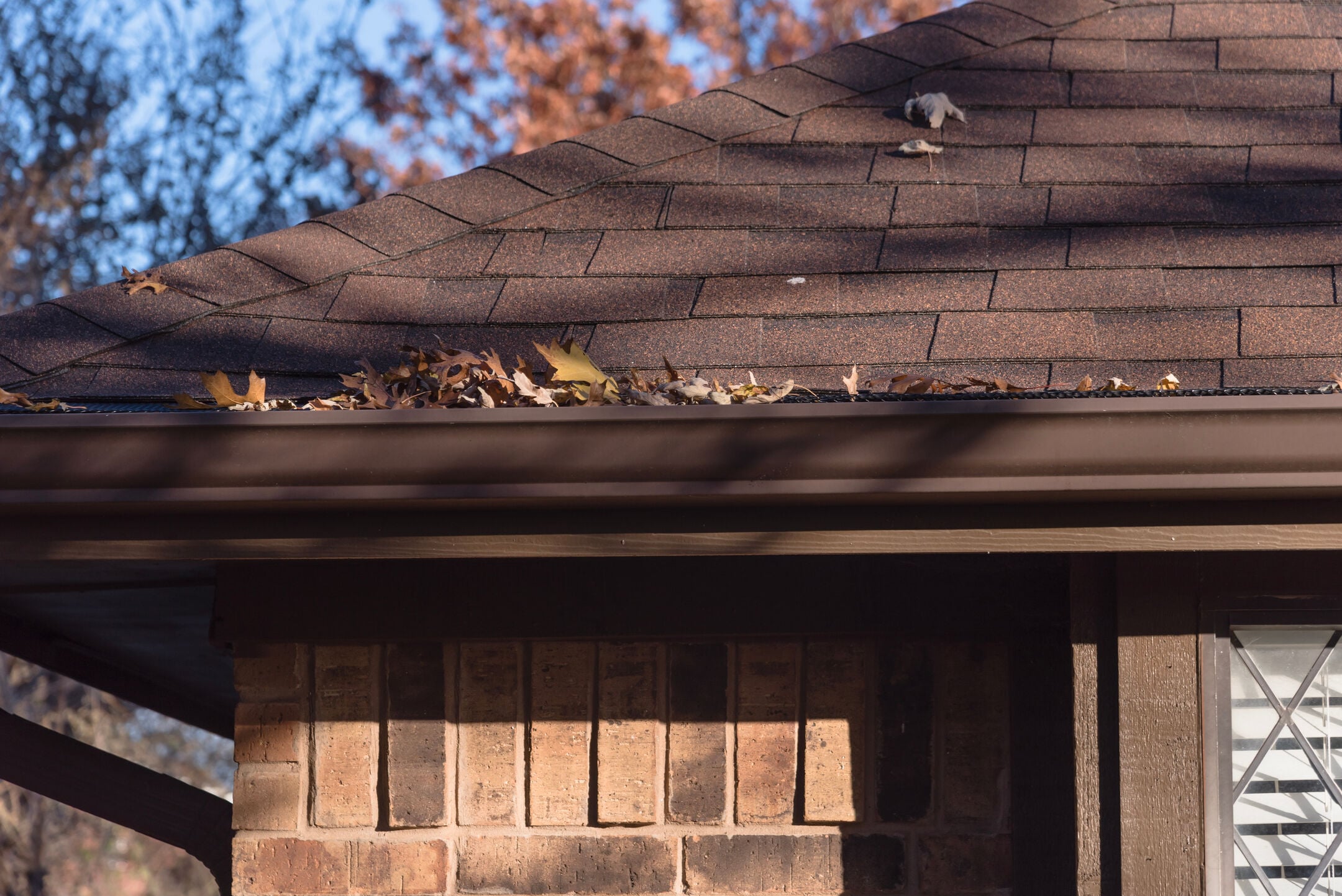
Your gutters have one job: carry rainwater off the roof and away from your home. When they’re too small for the volume of water hitting your roof, that job falls apart fast. When gutters can’t keep up, water spills over the edges and lands right where it causes the most damage, including fascia boards, landscaping, and the soil around your foundation.
Common Residential Gutter Sizes
Most homes use one of a few standard gutter and downspout sizes. Here’s how the most common options compare.
| Gutter Size and Style | Typical Use | Water Capacity | Matching Downspout |
| 5 inch K style | Average homes with moderate roof areas | Standard | 2 x 3 inch |
| 6 inch K style | Larger homes, steep roofs, and heavy rain areas | High | 3 x 4 inch |
| 5 inch half round | Historic or traditional homes | Lower | 3 inch round |
| 6 inch half round | Larger traditional homes | Moderate | 4 inch round |
| 7 inch K style | Very large roofs and commercial buildings | Very high | 3 x 4 inch or larger |
K style gutters are the most popular choice because their flat back and decorative front profile hold more water than a half round gutter of the same width. Half round gutters offer a classic look but generally need to be sized up to handle the same amount of rain.
6 Factors That Determine the Right Gutter Size
There’s no single gutter size that works for every home. A professional will look at several factors before recommending a system.
- Roof square footage: Larger roof areas collect more water, which means wider gutters or more downspouts are needed to keep up.
- Roof pitch: Steeper roofs send water into the gutters faster, increasing the chance of overshooting or overflow.
- Local rainfall intensity: Areas with frequent heavy downpours, like Navarre and the rest of the Florida Panhandle, often need larger gutters than regions with gentle, steady rain.
- Number of downspouts: More downspouts help drain gutters faster, which can sometimes allow a smaller gutter to perform well.
- Roof valleys: Valleys concentrate water into one spot, so the gutters below them need extra capacity.
- Tree coverage: Homes surrounded by trees collect more debris, and larger gutters are less likely to clog and overflow.
Signs Your Gutters Are Too Small

Many homeowners don’t realize their gutters are undersized until damage starts to show. Watch for these warning signs after a heavy rain.
- Overflowing water: Rain spills over the front edge even when the gutters are clean.
- Water stains: Streaks or discoloration appear on siding or fascia below the gutters.
- Pooling near the foundation: Puddles or soil erosion form along the base of your home.
- Peeling paint or rotting wood: Constant moisture damages fascia boards and soffits.
- Sagging sections: Gutters pull away from the house under the weight of standing water.
We’re proud to serve home and business owners in Navarre, FL, and nearby communities with gutter installation, roof replacement, and more.
Common Questions About Gutter Sizing
Choosing gutters can raise more questions than you’d expect. Here are answers to the ones we hear most often from homeowners.
What is the most common gutter size for homes?
The 5 inch K style gutter has long been the most common choice for residential homes, usually paired with 2 x 3 inch downspouts. It handles average roof sizes and normal rainfall well. However, 6 inch gutters have become increasingly popular, especially in areas with heavy storms. They carry significantly more water, resist clogging better, and are often recommended for homes with large or steep roofs. Your installer can help you decide which size fits your home best.
Are 6 inch gutters worth the extra cost?
For many Gulf Coast homes, yes. Six inch gutters usually cost a bit more than 5 inch gutters, but the added capacity can make a big difference during intense summer thunderstorms and tropical weather. Fewer overflows mean less risk of fascia rot, foundation problems, and landscape erosion. Pairing them with larger 3 x 4 inch downspouts improves drainage even more. Over the life of the system, that extra protection often outweighs the small upfront price difference.
How do I measure my gutter size?
Measure across the top opening of the gutter, from the front edge to the back edge where it meets the fascia. That width tells you the gutter size, with 5 and 6 inches being the most common results. For downspouts, measure the outside width and depth of a rectangular downspout or the diameter of a round one. If you’re unsure, a roofing professional can confirm your current sizes during an inspection and tell you whether they’re adequate for your roof.
Should I replace my gutters when I replace my roof?

It’s often a smart move. Gutters attach to the fascia, and a roof replacement is a good opportunity to inspect and repair the boards behind them. If your current gutters are aging, undersized, or damaged, installing new ones at the same time can save on labor and ensure everything works together as one system. Even if your gutters are in good shape, your contractor should check that they’re properly aligned with the new roof edge and drip edge.
Upgrade Your Drainage With Quality Roofing Solutions
The right gutter size keeps rainwater moving away from your home instead of into it. For 20 years, Quality Roofing Solutions has helped Gulf Coast homeowners protect their properties with roofing and gutter systems designed for Florida’s heavy rains. Our team will measure your roof, evaluate your drainage needs, and recommend a gutter size that makes sense for your home, with honest guidance and no pressure.
We offer free inspections, so it costs nothing to find out whether your current gutters are up to the job. Schedule your free inspection today and keep your home dry through every storm season.