 (850) 753-0041


Why Soft Wash Roof Cleaning Is Better Than Pressure Washing
April 28, 2026
6 minutes Read
When it comes to maintaining your roof, soft wash roof cleaning has become the preferred method for homeowners who want effective results without risking damage. While pressure washing may seem like a faster solution, it can actually cause more harm than good, especially for delicate roofing materials.
- Gentle cleaning: Uses low pressure to protect shingles and roof surfaces.
- Long-lasting results: Eliminates algae, mold, and bacteria at the source.
- Safer approach: Reduces the risk of damage compared to high-pressure methods.
- Better for materials: Helps extend the life of your roof.
In coastal areas like Pensacola, where humidity encourages algae growth, choosing the right cleaning method can make a major difference in how well your roof performs over time.
What Is Soft Wash Roof Cleaning?
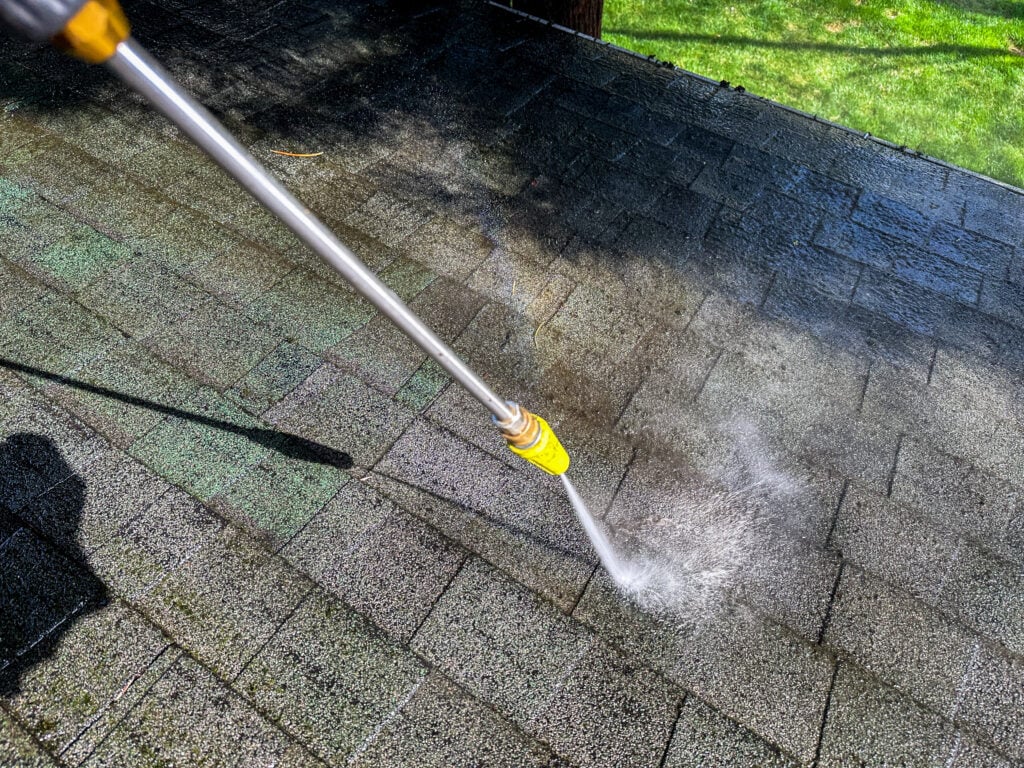
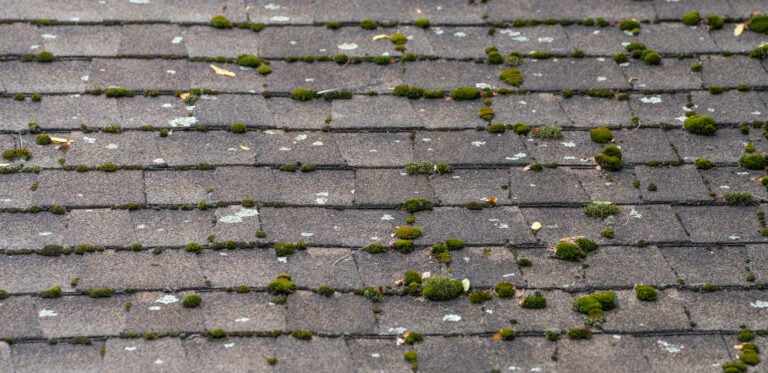
Soft wash roof cleaning is a method that uses low-pressure water combined with specialized cleaning solutions to remove dirt, algae, mold, and mildew. Instead of relying on force, it targets the root cause of buildup and growth.
This method is especially effective for asphalt shingles and other common roofing materials that can be damaged by high-pressure washing. By treating the surface carefully, soft washing preserves the integrity of the roof while still delivering a deep clean.
How Soft Washing Works
Soft washing focuses on cleaning at a chemical level rather than a mechanical one. The process involves applying a cleaning solution that breaks down organic growth before rinsing it away.
- Cleaning solution: Breaks down algae, mold, and mildew at the source.
- Low-pressure rinse: Safely removes debris without damaging the surface.
- Preventative treatment: Helps slow future growth and buildup.
This approach is particularly beneficial for maintaining both residential and commercial roofing systems.
Why Pressure Washing Can Damage Your Roof
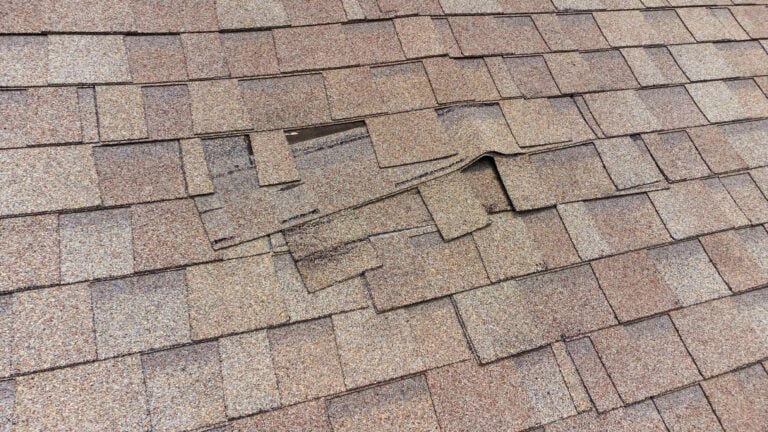
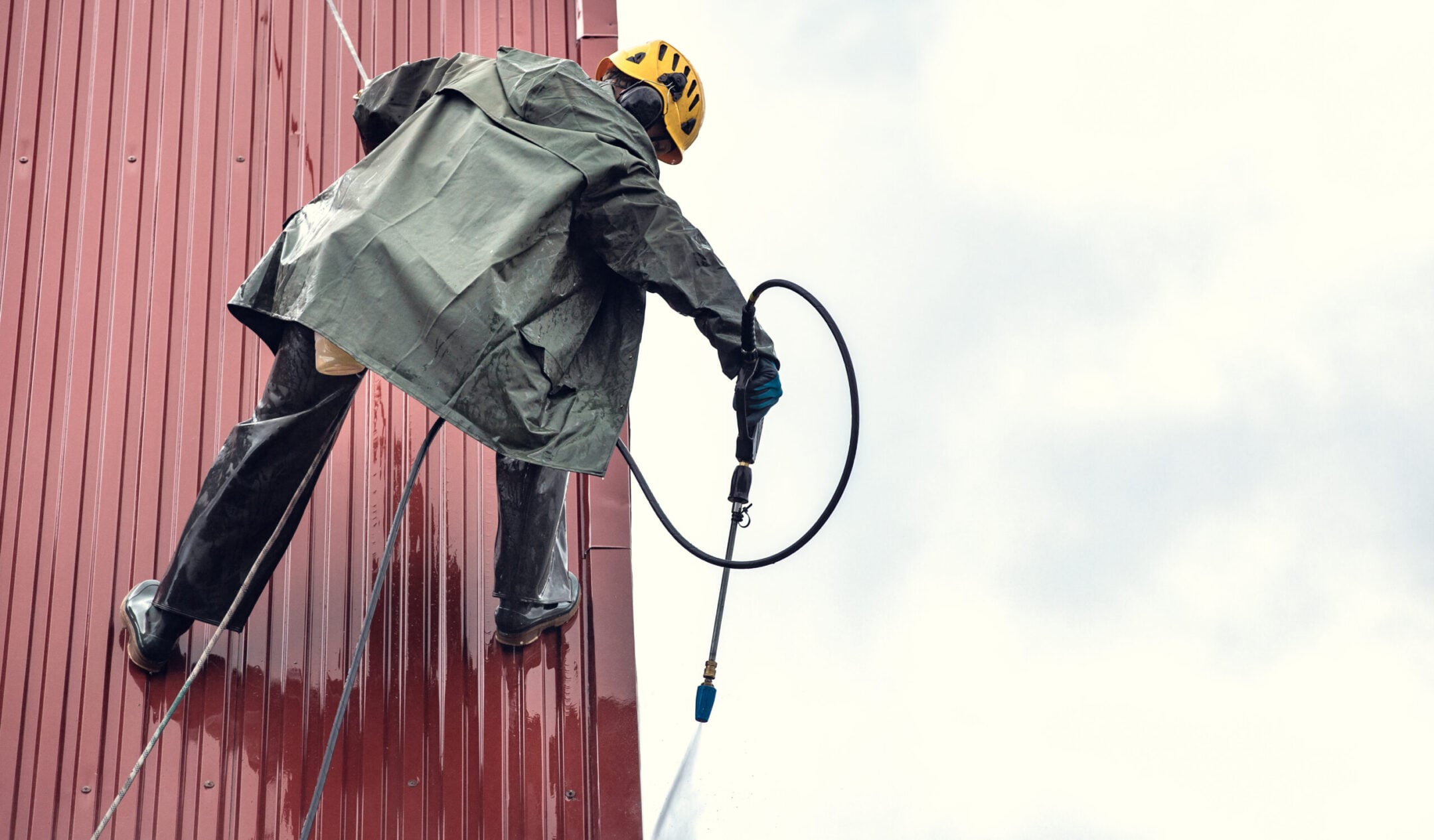
Pressure washing uses high-powered water to remove debris, but that force can be too aggressive for most roofing surfaces. While it may remove visible dirt quickly, it often causes underlying damage that leads to costly repairs.
High-pressure cleaning can negatively impact your roof in several ways:
- Shingle damage: Strips away protective granules from asphalt shingles.
- Water intrusion: Forces water under shingles, increasing leak risk.
- Shortened lifespan: Weakens roofing materials over time.
- Surface erosion: Can crack or dislodge roofing components.
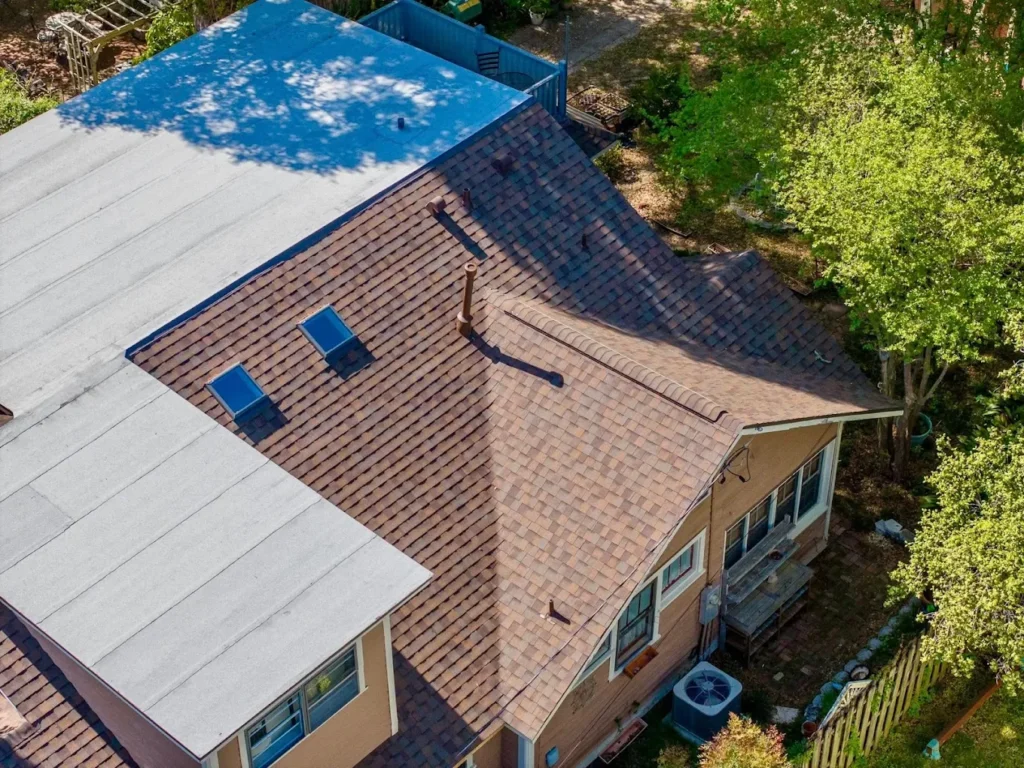
For a flat roof or low slope roof, pressure washing can also disturb seams and membranes, especially in systems like modified bitumen roofing systems.
Key Benefits of Soft Wash Roof Cleaning
Soft washing offers several advantages that make it a better long-term solution for roof maintenance. It not only cleans the surface but also helps protect the overall structure. Soft wash roof cleaning provides results that go beyond surface-level appearance and supports the long-term durability of roofing materials.
- Extended roof life: Protects roofing materials from unnecessary wear.
- Deeper clean: Removes organic growth at its root.
- Improved curb appeal: Restores the look of your roof without damage.
- Reduced maintenance needs: Slows the return of algae and mildew.
Because it is less invasive, this method supports the longevity of various roofing systems, including those with modified bitumen membranes.
5 Reasons Homeowners Choose Soft Washing
Soft washing continues to grow in popularity because it delivers consistent results without compromising the condition of your roof. Homeowners are increasingly aware that cleaning methods can either protect or damage their investment, which is why soft wash roof cleaning stands out as a safer and more effective approach.
1. Better Protection for Roofing Materials
Soft washing is designed to clean without harming the surface, which is critical for preserving roofing materials. High-pressure washing can strip away protective layers, but soft washing avoids that risk by using low pressure and specialized solutions that clean effectively without abrasion.
- Surface preservation: Keeps shingles and membranes intact.
- Granule protection: Prevents loss of protective coating on shingles.
- Reduced wear: Minimizes stress on the overall structure.
2. More Effective Removal of Algae and Mold
Unlike pressure washing, which often only removes surface buildup, soft washing targets the root of algae and mold growth. This leads to a more thorough clean and helps prevent the problem from returning quickly.
- Deep cleaning action: Eliminates organic growth at its source.
- Longer-lasting results: Slows regrowth of algae and mildew.
- Health benefits: Reduces mold exposure around the home.
3. Safer for Roof Structure and Seals
Your roof includes more than just shingles. Flashing, seams, and underlying components can all be affected by high-pressure cleaning. Soft washing protects these areas by avoiding unnecessary force.
- Seam protection: Prevents disruption in low slope roof systems.
- Membrane safety: Protects modified bitumen membranes from damage.
- Leak prevention: Reduces the risk of forced water intrusion.
4. Ideal for Regular Maintenance
Routine cleaning is important for extending the life of your roof, and soft washing makes it easier to maintain your system without causing wear over time. It supports ongoing care without introducing new risks.
- Maintenance-friendly: Safe to perform on a regular schedule.
- Consistent performance: Maintains roof appearance and function.
- Cost savings: Reduces need for frequent repairs.
5. Better Long-Term Value
While pressure washing may seem faster or cheaper upfront, it can lead to damage that increases costs later. Soft washing provides better value by protecting your investment and reducing long-term expenses.
- Lower repair risk: Minimizes damage that leads to costly fixes.
- Extended lifespan: Helps roofing materials last longer.
- Stronger ROI: Supports long-term property value.
Soft Washing vs Pressure Washing Comparison
Understanding the differences between these two methods can help you make the right decision for your property.
| Feature | Soft Washing | Pressure Washing |
| Cleaning Method | Low pressure + solution | High-pressure water |
| Surface Safety | Safe for roofing materials | Risk of damage |
| Effectiveness | Targets root of growth | Removes surface debris |
| Longevity | Longer-lasting results | Short-term cleaning |
| Best Use | Roofs and delicate surfaces | Hard surfaces like concrete |
This comparison clearly shows why soft wash roof cleaning is the better choice for maintaining your roof safely and effectively.
A Cleaner Roof Starts with Quality Roofing Solutions
Choosing the right cleaning method is only part of protecting your roof. Working with experienced professionals ensures the job is done safely and correctly. At Quality Roofing Solutions, we understand how different roofing materials respond to cleaning methods and use approaches that protect your investment.
We’re proud to serve home and business owners in Pensacola, FL, and nearby communities with soft wash roof cleaning and more. Our team is committed to helping you maintain a clean, durable, and long-lasting roof.
If your roof is showing signs of algae, staining, or buildup, contact Quality Roofing Solutions today to schedule a professional cleaning service and keep your roof in top condition.