 (850) 753-0041


How Long Does a Metal Roof Last? Lifespan Explained
April 30, 2026
6 minutes Read
If you’re wondering how long does a metal roof last, the answer depends on several key factors, but in most cases, metal roofing is one of the longest-lasting options available. Known for its durability and resistance to extreme temperatures, a properly installed metal roof can protect your home for decades.
- Long lifespan: Often lasts significantly longer than traditional roofing materials.
- Weather resistance: Performs well in heat, rain, and coastal conditions.
- Low maintenance: Requires less frequent repair compared to other systems.
- Strong investment: Offers long-term value for homeowners.
In areas like Pensacola, where storms, humidity, and heavy rain are common, choosing a roofing material that can handle the environment is essential.
Average Lifespan of a Metal Roof

Metal roofs typically last between 40 and 70 years, depending on the type of material, installation quality, and maintenance over time. Some premium systems, such as standing seam designs, can last even longer due to their concealed fasteners and enhanced durability.
Compared to asphalt shingles, which often need replacement much sooner, metal roofing provides greater longevity and long-term value. Its ability to resist cracking, shrinking, and erosion makes it a reliable option for homeowners who want a durable roofing solution without frequent repairs. With proper care and professional installation, a metal roof can remain structurally sound and visually appealing for decades.
Lifespan by Metal Type
Different metals offer different levels of durability and performance.
| Metal Type | Average Lifespan | Key Features |
| Steel | 40 to 60 years | Strong and cost-effective |
| Aluminum | 40 to 70 years | Corrosion-resistant, ideal for coastal areas |
| Copper | 70+ years | Extremely durable and long-lasting |
| Zinc | 60 to 100 years | Self-healing properties and high durability |
Each option provides reliable protection, but your choice will depend on cost, environment, and design preferences. In coastal areas like Pensacola, aluminum is often a popular choice due to its resistance to corrosion from salt air.
What Affects the Lifespan of a Metal Roof?
Several factors influence how long a metal roof will last. While the material itself is durable, installation quality and environmental conditions play a major role in overall performance.
- Installation quality: Proper professional installation ensures panels, seams, and fasteners are secure and long-lasting.
- Climate conditions: Exposure to extreme temperatures, humidity, and rain can affect durability over time.
- Coating and finish: Protective coatings help prevent rust and corrosion.
- Maintenance habits: Routine maintenance helps catch minor issues before they become major problems.
Homes in Pensacola benefit from corrosion-resistant materials and proper installation techniques that account for coastal weather conditions.
6 Ways to Extend the Life of a Metal Roof
While metal roofs are built to last, proper care can help maximize their lifespan even further. Taking a proactive approach ensures your roof continues to perform efficiently and reduces the likelihood of costly repairs over time.
1. Schedule Routine Maintenance
Routine maintenance is one of the most effective ways to extend the life of a metal roof. Regular inspections allow homeowners to identify small issues before they turn into major problems. A professional roofing contractor can evaluate the condition of panels and seams to ensure everything remains secure.
- Early detection: Identifies minor damage before it worsens.
- Professional evaluation: Ensures all components are properly inspected.
- Preventative care: Reduces the risk of unexpected failures.
2. Keep the Roof Clean
Keeping your roof clean helps prevent debris buildup that can trap moisture and lead to corrosion. This is especially important in areas with frequent rain or nearby trees.
- Moisture prevention: Reduces risk of rust and deterioration.
- Improved drainage: Keeps water flowing properly off the surface.
- Cleaner appearance: Maintains curb appeal and overall condition.
3. Check for Loose Fasteners
Fasteners can loosen over time due to expansion and contraction caused by temperature changes. Regular checks help maintain the structural integrity of the roof.
- Panel stability: Keeps roofing panels securely in place.
- Leak prevention: Reduces risk of gaps where water can enter.
- Long-term durability: Prevents unnecessary wear and movement.
4. Inspect After Storms
Storms can cause hidden damage, especially in areas like Pensacola where high winds and heavy rain are common. Inspecting your roof after severe weather helps catch issues early.
- Damage detection: Identifies dents, cracks, or displaced panels.
- Timely repair: Allows for quick fixes before problems worsen.
- Protection against leaks: Helps maintain a watertight system.
5. Maintain Sealants and Flashing
Sealants and flashing protect vulnerable areas such as joints and penetrations. Over time, these materials can degrade and should be checked regularly.
- Water resistance: Keeps moisture from entering critical areas.
- Joint protection: Maintains integrity around seams and edges.
- Extended lifespan: Supports overall roof performance.
6. Limit Unnecessary Foot Traffic
Walking on a metal roof can cause dents or damage if not done carefully. Limiting foot traffic helps preserve the surface and prevent avoidable issues.
- Surface protection: Prevents dents and scratches.
- Reduced stress: Minimizes wear on panels and fasteners.
- Safer maintenance: Encourages professional handling when needed.

Benefits of Choosing a Metal Roof
Metal roofing offers more than just a long lifespan. It also provides several practical advantages for homeowners.
- Energy efficiency: Reflects sunlight and helps reduce cooling costs by up to 25%.
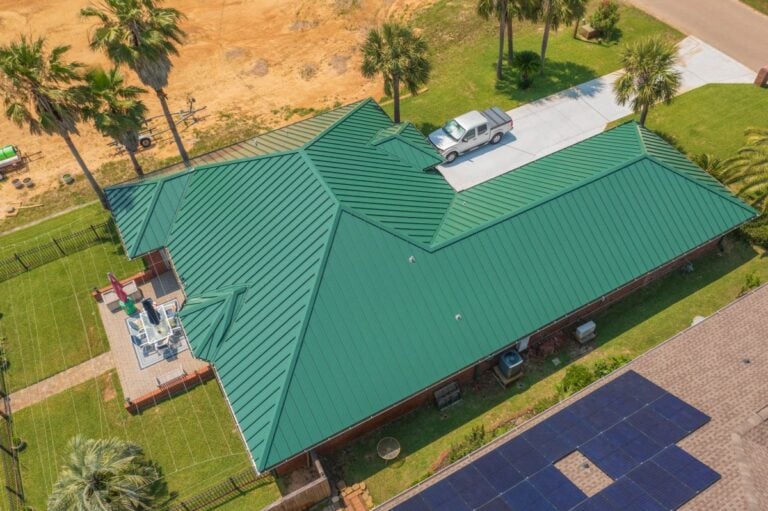
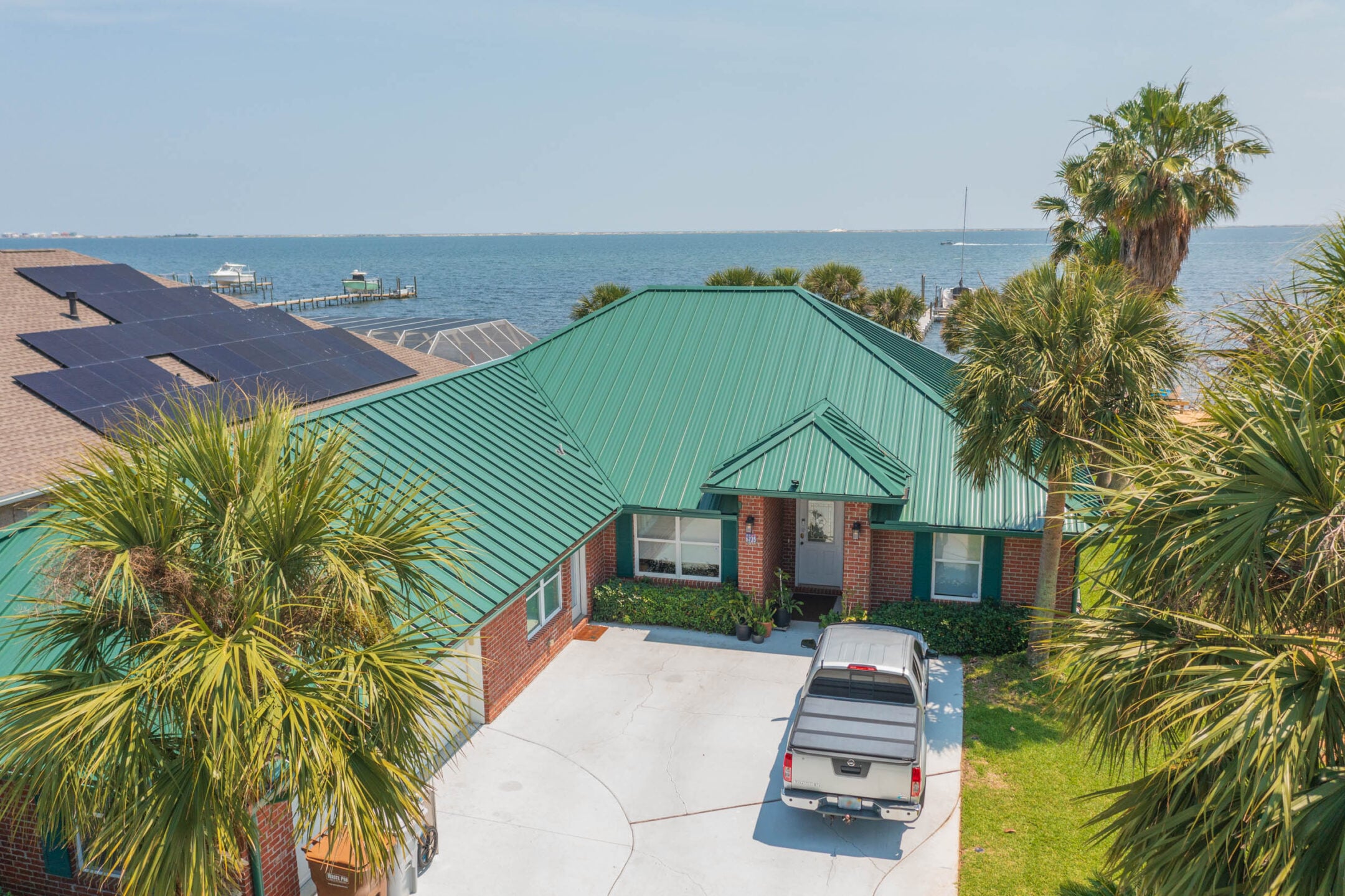
- Compatibility: Works well with solar panels for energy-efficient homes.
- Sustainability: Often made from recyclable materials.
- Durability: Holds up well against wind, rain, and severe weather.
These benefits make metal roofing a strong option for both residential and commercial properties.
How Climate Impacts Metal Roof Longevity
Environmental conditions play a major role in how long a metal roof lasts. In coastal regions like Pensacola, salt air, humidity, and frequent rain can affect certain materials over time. Proper installation and routine maintenance are especially important in these conditions to ensure long-term performance. Even though metal roofs last a long time, it is important to monitor for signs of wear.
- Rust spots: Indicate coating failure or exposure.
- Loose panels: Can lead to leaks if not addressed.
- Sealant deterioration: May allow water intrusion.
- Visible dents: Often caused by hail or debris.
Addressing these issues early helps extend the life of the roof and prevent more serious problems.
Built to Last with Quality Roofing Solutions
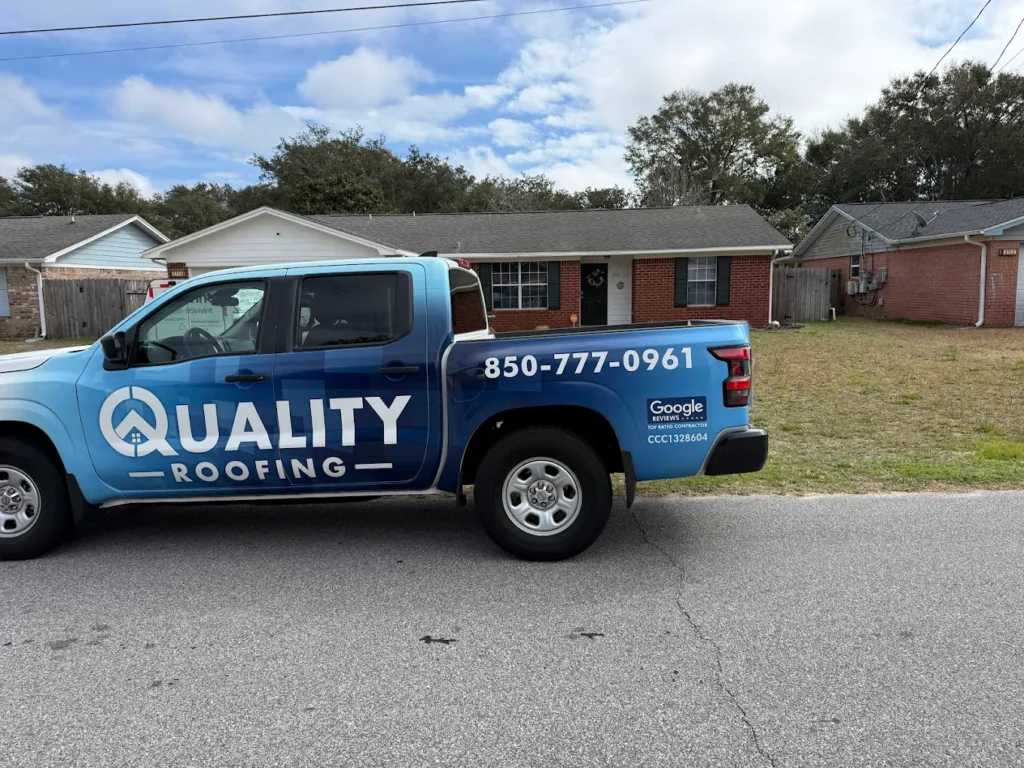
Choosing a metal roof is a long-term investment, and working with the right contractor makes all the difference. At Quality Roofing Solutions, we focus on delivering high-quality results through proper installation and expert guidance on roofing materials.
We’re proud to serve home and business owners in Pensacola, FL, and nearby communities with metal roofing and more. Our team understands how local conditions impact roof performance and helps you choose the right solution for your property.
If you are considering a metal roof or need an inspection, contact Quality Roofing Solutions today to schedule a consultation. Let us help you maximize the longevity and performance of your roof for years to come.