 (850) 753-0041


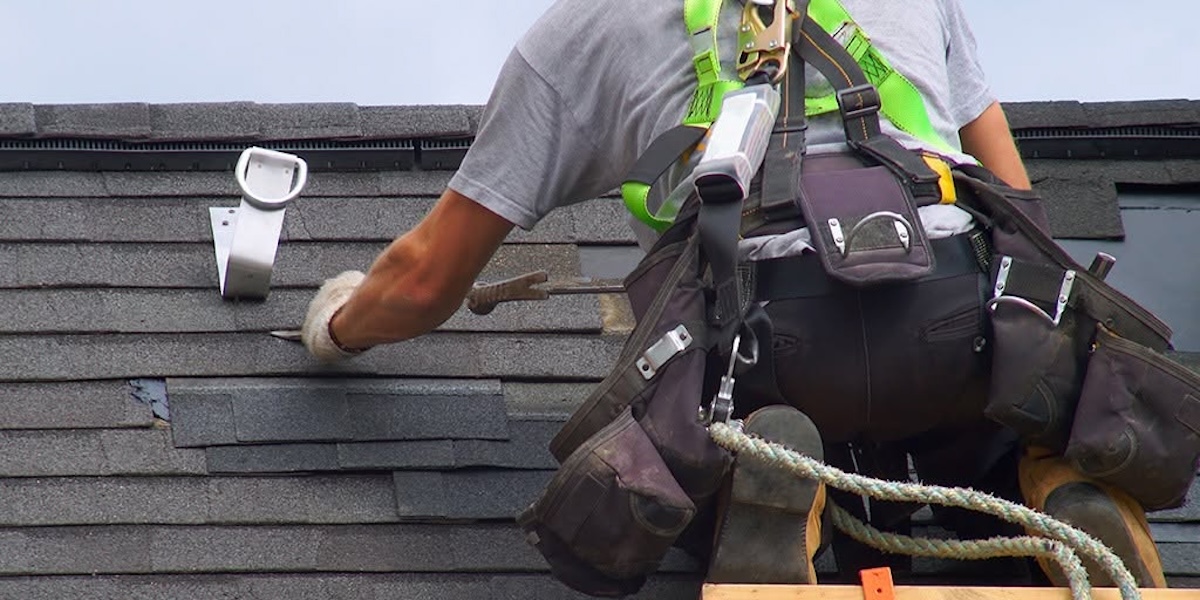
Curling Shingles: 6 Causes, Risks and Fix Options
August 6, 2026
7 minutes Read
If you have noticed lifted shingles or centers bowing upward on your roof, you are looking at a problem that will not fix itself. Curling shingles are one of the most visible warning signs that a roof is aging out, was improperly installed, or has been dealing with a ventilation or moisture issue for longer than you realize. Understanding what is driving the curling determines whether you need a targeted repair or a full replacement — and acting before the situation worsens keeps your options open. If you want an expert eye on your roof, our residential roofing team is ready to help. Here is what we cover:
- The two types of curling shingles and what each indicates
- The 6 most common causes of curling shingles
- The risks of leaving them unaddressed
- Fix options based on scope and severity
- Frequently asked questions homeowners commonly ask
The Two Types of Curling Shingles

Not all shingle curling looks the same, and the shape of the curl tells you something about the cause.
Cupping occurs when the edges of a shingle turn upward, forming a concave shape across its face. It is most commonly associated with moisture imbalance — the bottom layer absorbs more moisture than the top, causing the top to contract and pull the edges up. Cupping is strongly tied to poor attic ventilation and is especially common in Florida’s humid climate.
Clawing occurs when the edges stay flat but the center bows upward or the tabs curl downward. It typically signals an aging roof where the asphalt has become brittle and is losing its bond with the fiberglass mat — a natural end-of-life progression rather than an installation failure.
Both types leave the roof vulnerable to the same risks regardless of cause.
6 Causes of Curling Shingles
Identifying the right cause matters because it determines whether repair, ventilation upgrade, or replacement is the right path forward. Multiple causes can be present on the same roof, which is why a professional inspection is the most reliable first step before committing to any fix.
1. Poor Attic Ventilation
Inadequate attic ventilation is the single most common cause of premature curling shingles in Florida. According to the Asphalt Roofing Manufacturers Association, poor attic ventilation restricts the free flow of air beneath the roof deck, creating moisture and temperature problems that directly contribute to shingle deterioration. Without proper attic ventilation, excessive heat and humidity become trapped in the attic space, causing the asphalt binder to dry out and contract faster than the fiberglass mat and producing the moisture imbalance that drives cupping. Homes in Fort Walton Beach and across northwest Florida are particularly vulnerable during long, hot summers where proper attic ventilation is the primary defense against heat-driven shingle damage.
2. Natural Aging
As asphalt shingles age, the two asphalt layers gradually contract around the fiberglass base mat. The mat does not shrink, so as the asphalt pulls inward, lifted shingles at the edges are the result. Florida’s UV intensity and excessive heat accelerate this process significantly. Curling in shingles older than 12 to 15 years is a reliable indicator that the roof is in its second half of life and replacement is worth planning for.
3. Improper Installation
Curling on a newer roof — under eight to ten years old — often points to an installation problem. When shingles are installed with overdriven or misplaced nails, inadequate sealant strips, or underlayment that was laid with wrinkles, they cannot lie flat and bond properly to the course below. These issues become visible as curling within the first few years after shingles are installed.
4. Moisture in the Roof Deck
Moisture that penetrates the roof deck causes the decking to expand and shift. As the deck moves, shingles nailed to it distort — often in a pattern that follows the plywood panel joints. This typically results from chronic leak points at failed flashing or deteriorated valleys rather than the shingle surface itself.
5. Layering Over an Old Roof
Installing new roofing materials over an existing curling layer creates an uneven substrate. The new shingles installed on top conform to whatever is beneath them and develop waves and curls over time that mirror the deteriorating layer below. Florida building code limits allowable roof layers for exactly this reason.
6. Manufacturer Defects
Defective shingles with inconsistent asphalt saturation can begin curling within a few years of installation regardless of ventilation or workmanship. If curling appears uniformly across a relatively new roof without an obvious cause, a warranty claim supported by documentation from a licensed contractor is worth pursuing.
The Risks of Leaving Curling Shingles Unaddressed

Curling shingles are a structural vulnerability, not just a visual one. Lifted shingles give wind something to catch — in Florida’s storm-prone climate that means real risk during tropical weather. Gaps created by curled shingles allow wind-driven rain to be forced beneath the surface, bypassing the shingle and relying on aging underlayment as the last line of defense. The longer curling goes unaddressed, the faster the affected roofing materials continue to deteriorate — excessive heat, UV exposure, rain cycling, and thermal movement all work faster on a shingle that is no longer lying flat.
We’re proud to serve home and business owners in Fort Walton Beach, FL, and nearby Okaloosa County communities with roofing inspections and solutions that address curling shingles before they become a leak.
Fix Options for Curling Shingles
The right fix depends on the cause, roof age, and how widespread the curling is.
| Situation | Recommended Fix |
| Isolated curling, roof under 10 years old | Targeted shingle replacement and ventilation assessment |
| Curling driven by poor ventilation | Ventilation upgrade plus shingle evaluation |
| Widespread curling, roof 15+ years old | Full roof replacement |
| Curling over an existing shingle layer | Tear-off and full replacement |
| Manufacturer defect suspected | Document and pursue warranty claim |
Replacing individual curling shingles without addressing the underlying cause will produce more curling in adjacent roofing materials over time. For widespread curling on a roof approaching the end of its service life, full replacement with quality roofing materials delivers better long-term value than repeated spot repairs.

Frequently Asked Questions About Curling Shingles
Homeowners who spot curling shingles tend to have the same questions before deciding how to proceed. Here are direct answers to the most common ones.
Can curling shingles be fixed without replacing the whole roof?
Yes, in limited circumstances. Isolated curling on a roof that is otherwise sound and under 12 to 15 years old can be addressed with targeted shingle replacement. Widespread curling or curling that recurs after previous repairs on an older roof points toward replacement as the more practical solution.
How do I know if ventilation is causing my shingles to curl?
The most telling signs are curling that appears first on south- and west-facing slopes combined with an attic that feels significantly hotter than outdoor air temperature. A roofing professional can assess whether you have proper attic ventilation for your attic’s square footage — the standard minimum is one square foot of free vent area per 150 square feet of attic floor space — and recommend upgrades if it falls short.
How long can I leave curling shingles before they cause a leak?
There is no reliable answer because it depends on severity, underlayment condition, and what weather events occur before repairs happen. A professional inspection gives you an honest read on your actual risk level rather than leaving you to find out through a ceiling stain.
Are curling shingles covered by homeowners insurance?
Curling caused by a storm event may be covered under a standard Florida homeowners policy. Curling attributed to age or deferred maintenance is generally excluded. Documentation from a roofing professional identifying the cause is essential when submitting a claim.
Quality Roofing Solutions Has Seen Every Curl

Curling shingles are a message from your roof, and the message is worth reading before it turns into a leak. Whether the cause is ventilation, age, installation, or something else, the team at Quality Roofing Solutions has the experience to diagnose it accurately and give you a straight answer on what your roof actually needs. We have been serving homeowners across northwest Florida for over 20 years with honest assessments and quality work.
Contact our team today to schedule your free roof inspection and find out exactly where your roof stands.