 (850) 753-0041


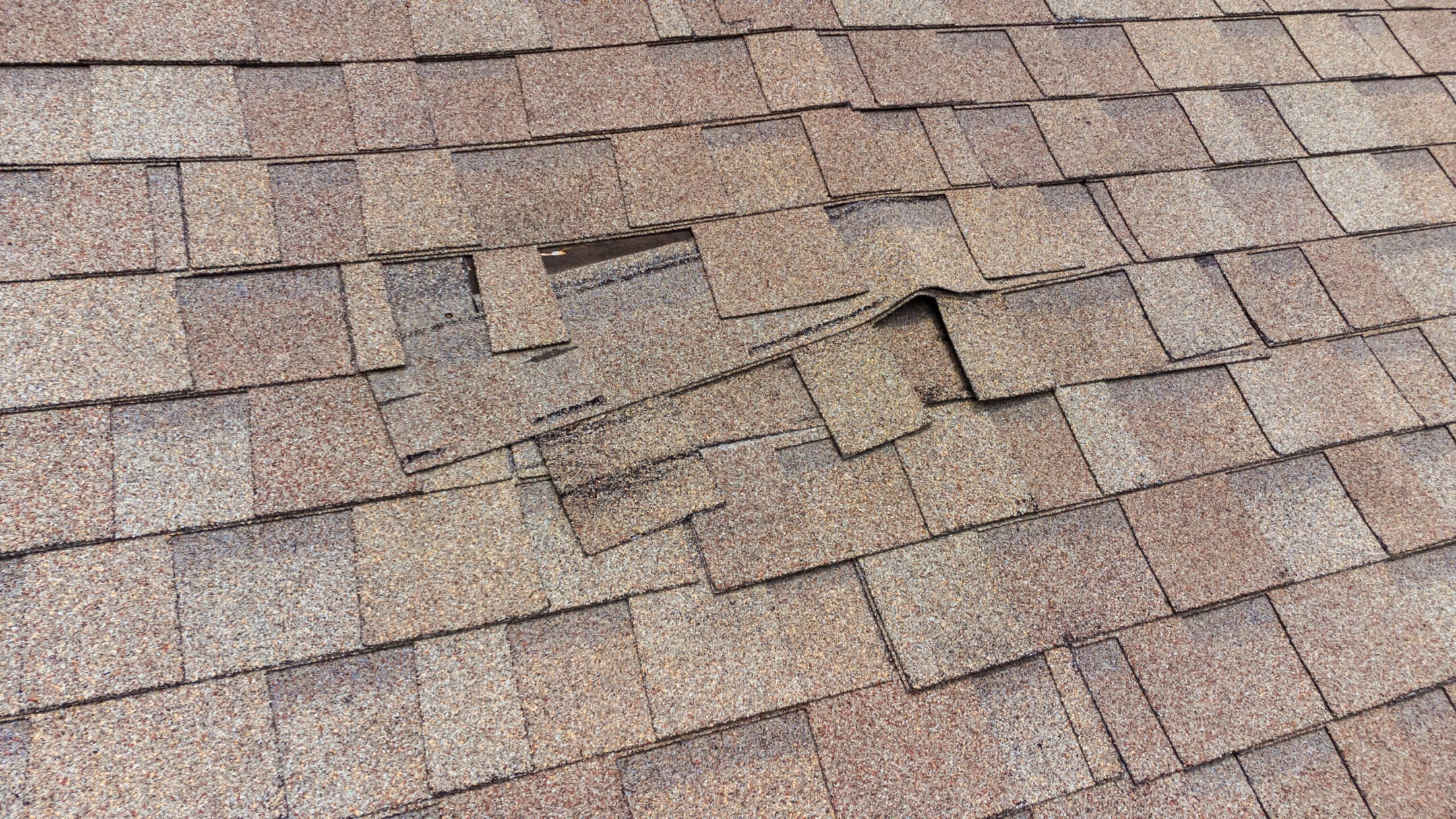
Sagging Roof: 10 Warning Signs You Shouldn’t Ignore
May 14, 2026
6 minutes Read
A sagging roof is one of the most serious issues a homeowner can face, often signaling structural problems that require immediate attention. While some roofing issues develop slowly, sagging is a clear indication that something beneath the surface is failing.
- Structural concern: Indicates potential issues within the roof structure or supports.
- Safety risk: Can lead to roof collapse if not addressed.
- Water damage: Often linked to long-term moisture problems and roof damage.
- Cost impact: Delayed action can lead to costly repairs or full roof replacement.
In areas like Pensacola, where heavy rain and humidity are common, excess moisture can weaken materials over time and contribute to roof sagging.
What Causes a Sagging Roof?
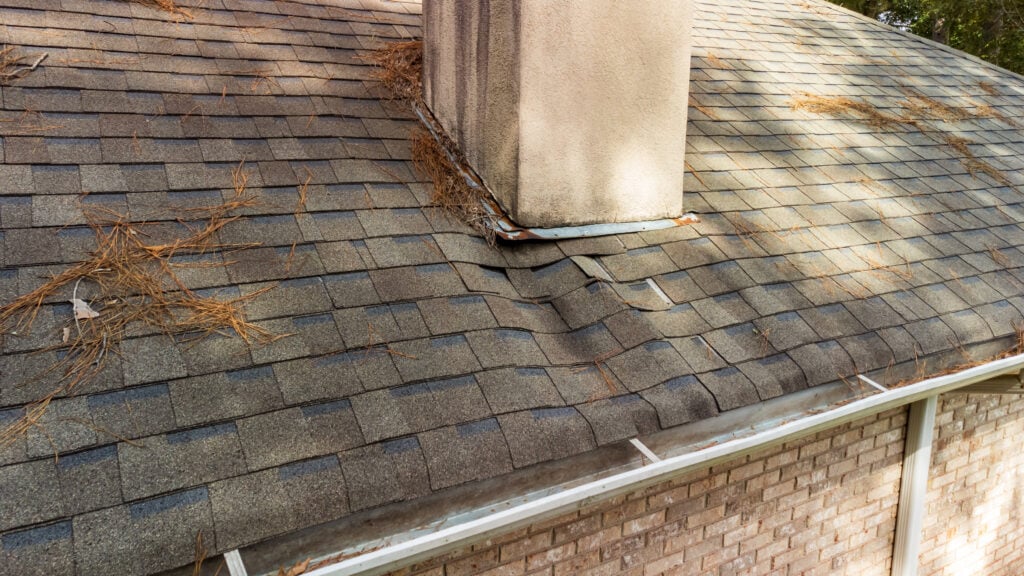
A sagging roof is typically the result of underlying structural issues rather than just surface damage. It often develops gradually as materials weaken, making early detection critical.
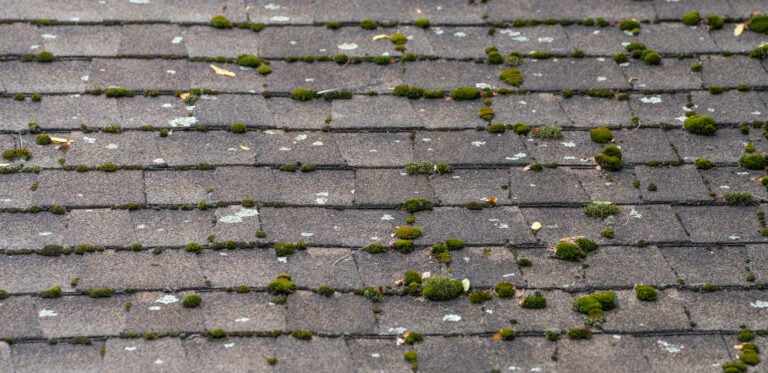
Moisture is one of the leading causes. When water infiltrates roofing materials, it can rot roof decking and compromise the integrity of the entire roofing system. Over time, this weakens the support system and causes visible sagging across the roof surface. Poor installation, aging materials, and excessive weight from debris or standing water can also contribute to the problem. In some cases, improper ventilation traps moisture inside the attic, accelerating deterioration and increasing the risk of structural failure.
Most roofs are designed to handle normal weather conditions, but prolonged exposure to moisture or improper construction can lead to long-term damage that affects stability.
10 Warning Signs You Shouldn’t Ignore
Recognizing the early signs of roof sagging can help you take immediate action before the problem becomes severe. Below are the most common indicators that your roof may need attention.
1. Visible Dips or Low Spots
One of the most obvious signs is a noticeable dip along the roofline. This often indicates that the structure underneath is no longer providing proper support.
- Uneven appearance: Roof surface looks wavy instead of straight.
- Structural shift: May indicate weakened framing or decking.
- Immediate concern: Requires professional evaluation.
2. Water Stains on Ceilings
Water stains are often a sign that moisture has been entering your home for some time. This can weaken materials and lead to sagging.
- Interior warning: Brown or yellow stains on ceilings.
- Moisture buildup: Indicates ongoing water damage.
- Hidden issue: May point to deeper structural problems.
3. Cracked or Bowing Walls
A sagging roof can place stress on the walls of your home, leading to visible damage.
- Wall deformation: Bowing or cracking drywall.
- Structural pressure: Caused by uneven weight distribution.
- Serious indicator: Often linked to advanced issues.
4. Roof Leaks or Moisture Intrusion
Leaks are a major contributor to sagging roofs. Over time, water weakens the internal structure.
- Persistent leaks: Ongoing water entry into the home.
- Rot risk: Leads to deterioration of roof decking.
- Progressive damage: Gets worse if not repaired.
5. Excess Weight on the Roof
Too much weight from debris, standing water, or heavy materials can strain the roof.
- Debris buildup: Leaves and other debris add pressure.
- Ponding water: Common on a low slope roof.
- Structural strain: Can lead to gradual roof sagging.
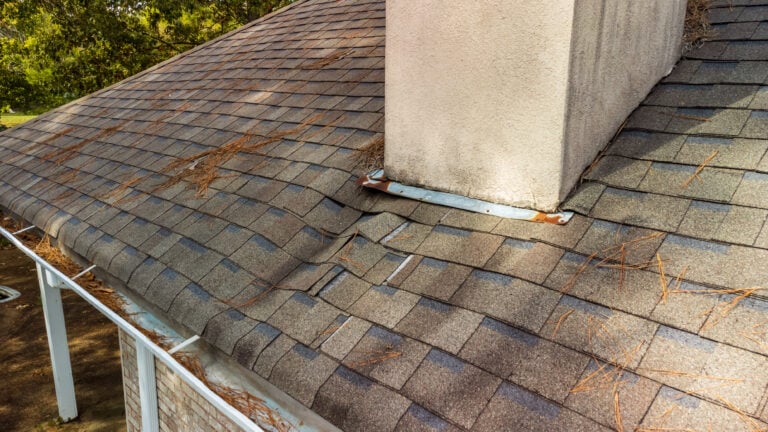
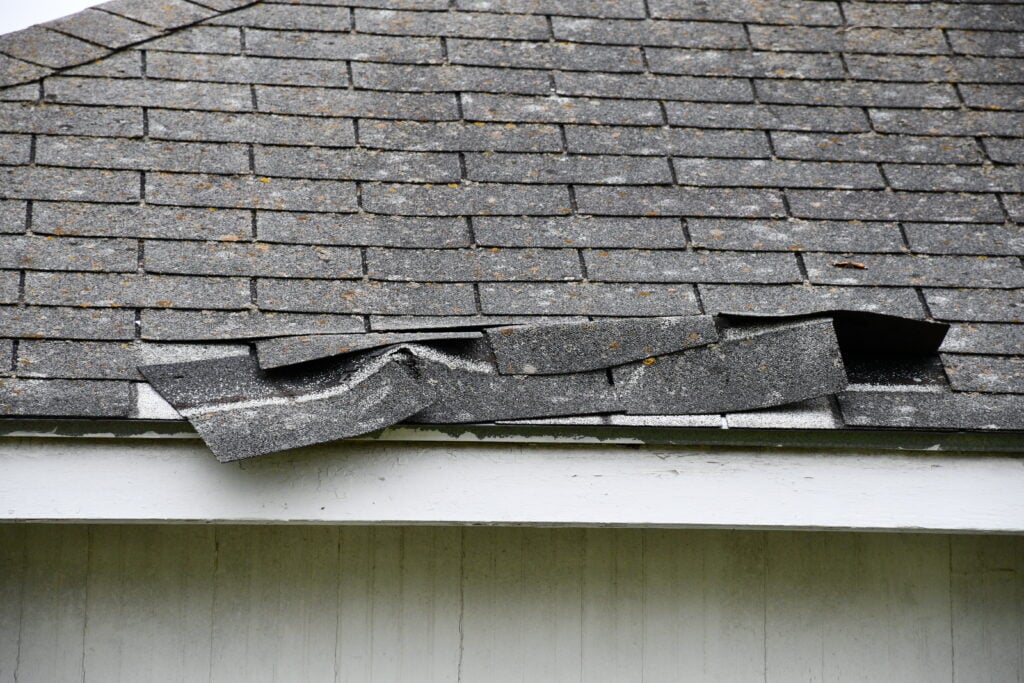
6. Damaged or Missing Shingles
Damaged shingles expose the roof to moisture, increasing the risk of structural issues.
- Surface vulnerability: Allows water to penetrate the roof surface.
- Accelerated wear: Leads to further roof damage.
- Repair need: Damaged shingles should be replaced quickly.
7. Separation at Roof Joints
Gaps or separation where sections of the roof meet can signal movement or failure.
- Visible gaps: Openings at seams or joints.
- Movement signs: Indicates shifting structure.
- Leak risk: Allows water intrusion.
8. Interior Ceiling Sagging
Sagging inside the home often reflects problems above the ceiling.
- Drooping ceiling: Visible sagging indoors.
- Moisture weight: Caused by trapped water.
- Urgent issue: Needs immediate attention.
9. Aging Roofing Materials
Older roofs are more prone to sagging due to natural wear over time.
- Material breakdown: Loss of strength with age.
- Reduced support: Weakens overall structure.
- Replacement risk: May require a roof replacement.
10. Increased Energy Bills
A sagging roof can affect insulation and ventilation, leading to higher energy costs.
- Poor insulation: Air leaks reduce efficiency.
- Ventilation issues: Trapped heat and moisture.
- Hidden damage: Indicates underlying problems.
Why You Should Act Quickly
A sagging roof is not just a cosmetic issue. It can lead to serious structural failure if left untreated. The longer the problem continues, the more extensive the damage becomes.
Ignoring early warning signs increases the likelihood of severe outcomes, including structural instability and potential roof collapse. Taking immediate action helps protect both your home and your safety.
In fact, moisture and mold can damage building materials and lead to structural issues if not addressed, which highlights the importance of addressing roof problems early. Taking action quickly can help prevent further damage, protect your home, and reduce the overall cost of repairs.
Repair vs Roof Replacement
Not all sagging roofs require full replacement, but many do, depending on the severity of the issue. Understanding your options can help you make the right decision.
| Condition | Recommended Solution | Key Consideration |
| Minor sagging | Targeted repair | Address early to prevent spread |
| Moderate damage | Structural reinforcement | May involve new rafters or support repairs |
| Severe sagging | Full roof replacement | Necessary to ensure safety and long-term stability |
A professional roofing contractor can assess the condition and recommend the best course of action based on the extent of the damage. In some cases, reinforcing the roof structure with new rafters can restore stability without requiring a full replacement.
How to Prevent Roof Sagging
Preventative care plays a major role in protecting your roof from structural issues. Regular inspections help identify early warning signs and maintain the strength of your roofing system. Consistent upkeep also ensures your roof can handle environmental stress, especially in areas like Pensacola, where storms and humidity are frequent.
- Regular inspections: Identify early signs of roof sagging.
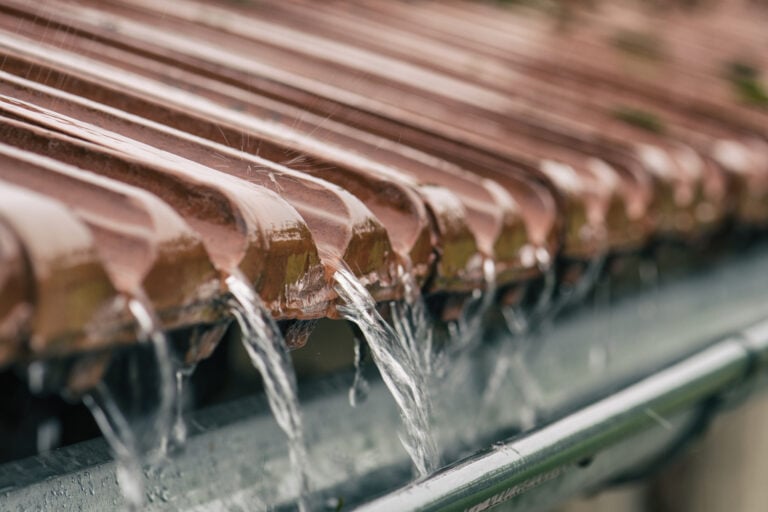
- Proper drainage: Prevent water buildup that leads to damage.
- Debris removal: Reduce excess weight on the roof surface.
- Timely repairs: Address minor issues before they become major problems.
Keeping your roof in good condition reduces the risk of sagging and extends its lifespan.
Protect Your Home with Quality Roofing Solutions
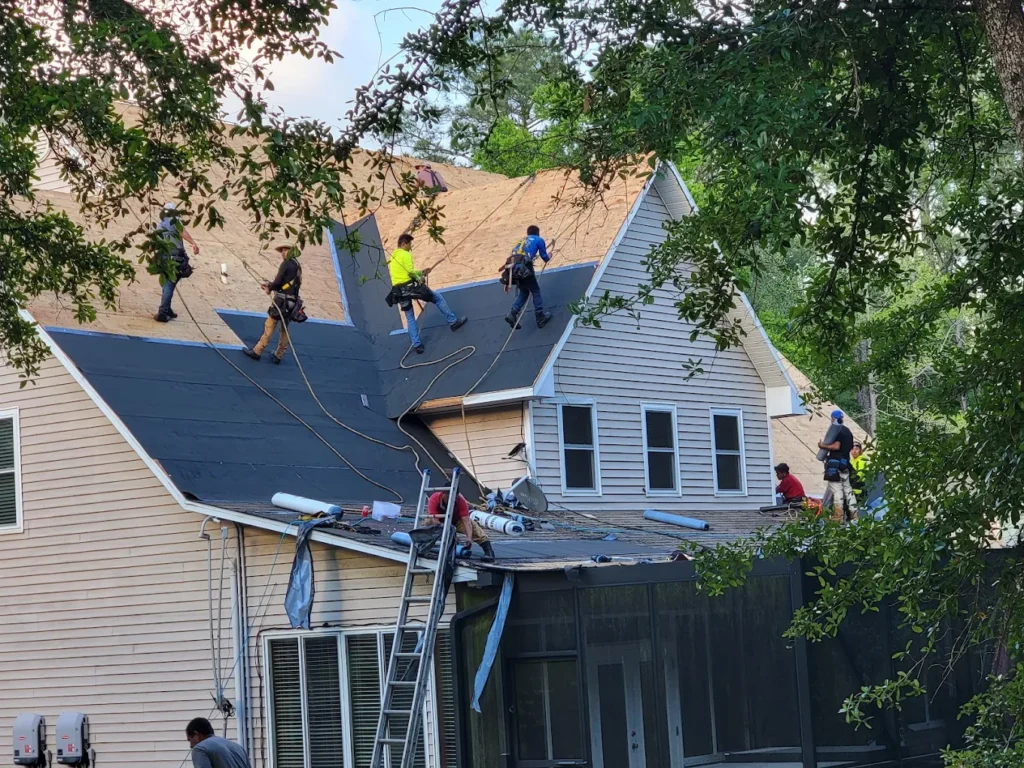
A sagging roof requires immediate attention from experienced professionals. At Quality Roofing Solutions, we provide thorough inspections and reliable repair solutions to restore the integrity of your roofing system.
We’re proud to serve home and business owners in Pensacola, FL, and nearby communities with roofing services and more. Our team understands how proper installation and maintenance impact long-term performance and durability.
If you notice signs of roof sagging or other structural concerns, contact Quality Roofing Solutions today to schedule an inspection. Let us help you protect your home and avoid costly repairs.