 (850) 753-0041


Roofing Maintenance for Rainy Seasons: 8 Essential Tips
May 7, 2026
6 minutes Read
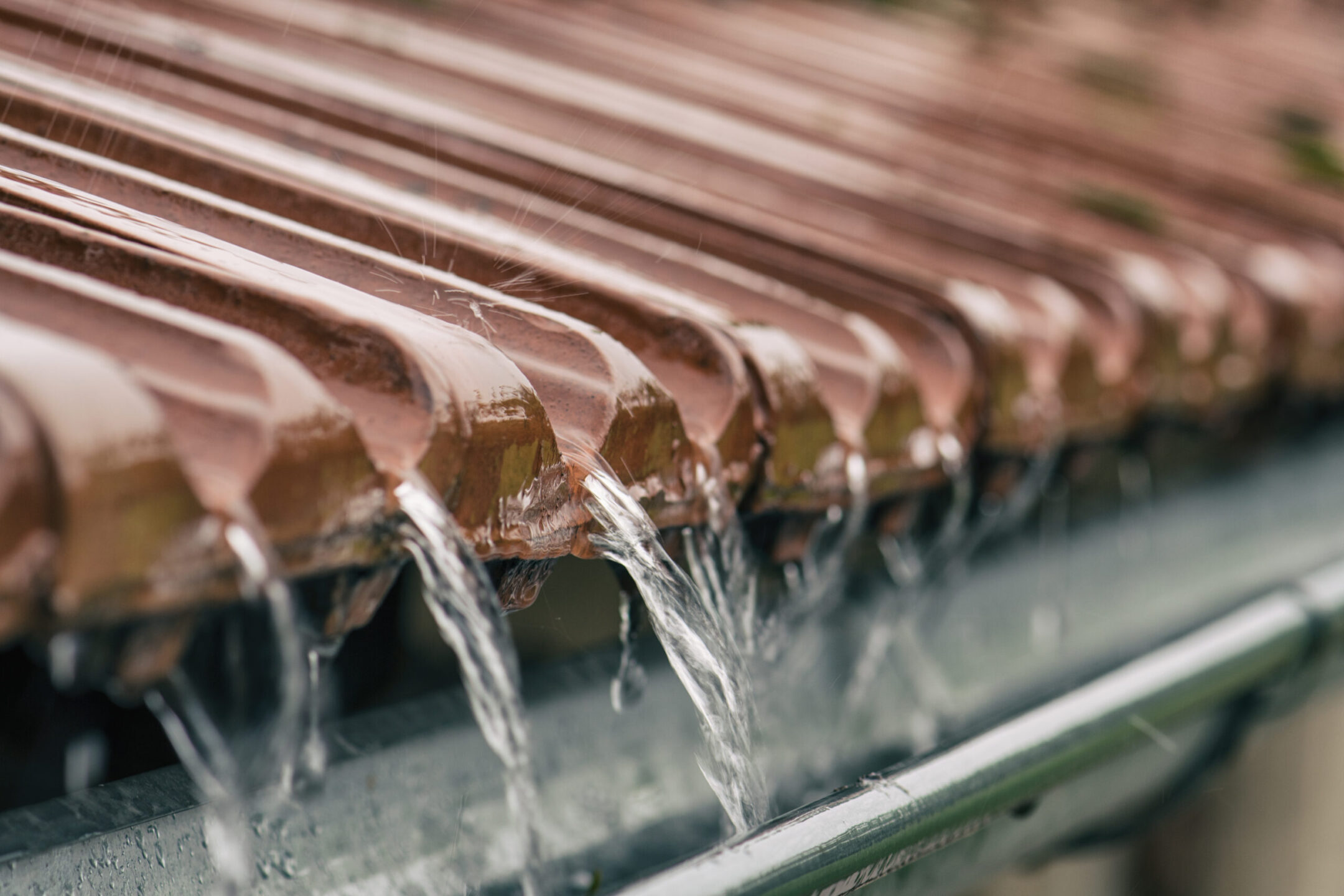
When it comes to protecting your home, roofing maintenance for rainy seasons is one of the most important steps you can take. Heavy rain can expose weak spots in your roof, turning small issues into costly damage if they are not addressed early.
- Moisture protection: Prevents leaks and long-term water damage.
- Early detection: Identifies small problems before storms make them worse.
- Cost savings: Reduces the risk of major repairs or premature replacement.
- System performance: Keeps your roof functioning properly during heavy rain.
In areas like Pensacola, where frequent rainstorms, humidity, and coastal weather patterns are common, proactive maintenance is essential for keeping your roof in good condition.
Why Rainy Season Roof Maintenance Matters
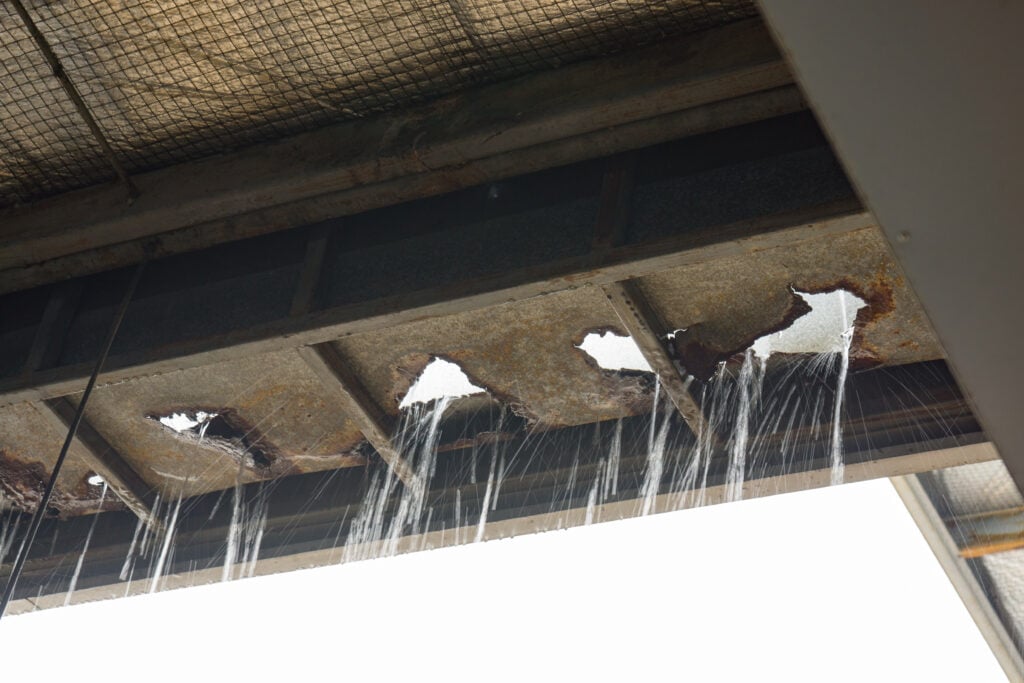
Rain puts consistent stress on your roofing system, especially if there are existing vulnerabilities. Even a minor issue can quickly become a major problem when water is allowed to seep into your home.
Proper maintenance ensures your roof can handle ongoing exposure to moisture. It also helps protect key structural components like wood decking and the overall roof structure, which are especially vulnerable to water damage. Over time, repeated exposure to moisture without proper care can weaken your entire roofing system and lead to costly repairs or even a full roof replacement. Regular upkeep also helps preserve your home’s energy efficiency by preventing moisture from affecting insulation and proper ventilation.
8 Essential Tips for Roofing Maintenance During Rainy Seasons
Taking the right steps before and during the rainy season can help you avoid leaks, structural damage, and costly repairs. Below are essential tips to keep your roof in top shape.
1. Inspect Your Roof Before the Rain Starts
A thorough inspection helps identify any potential problem area before heavy rain begins. Checking your roof early gives you time to schedule repairs and avoid emergency situations.
- Visible damage: Look for damaged or missing shingles or signs of wear.
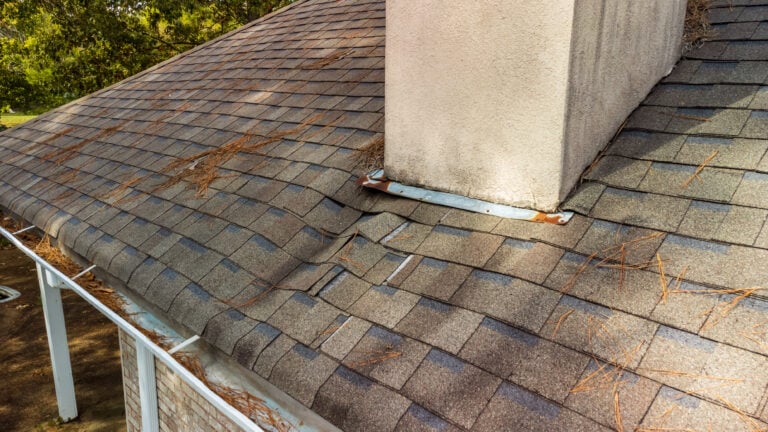
- Problem areas: Check around roof vents, chimneys, and flashing.
- Professional help: Consider scheduling a professional roofing inspection for a full evaluation.
2. Clean Gutters and Downspouts
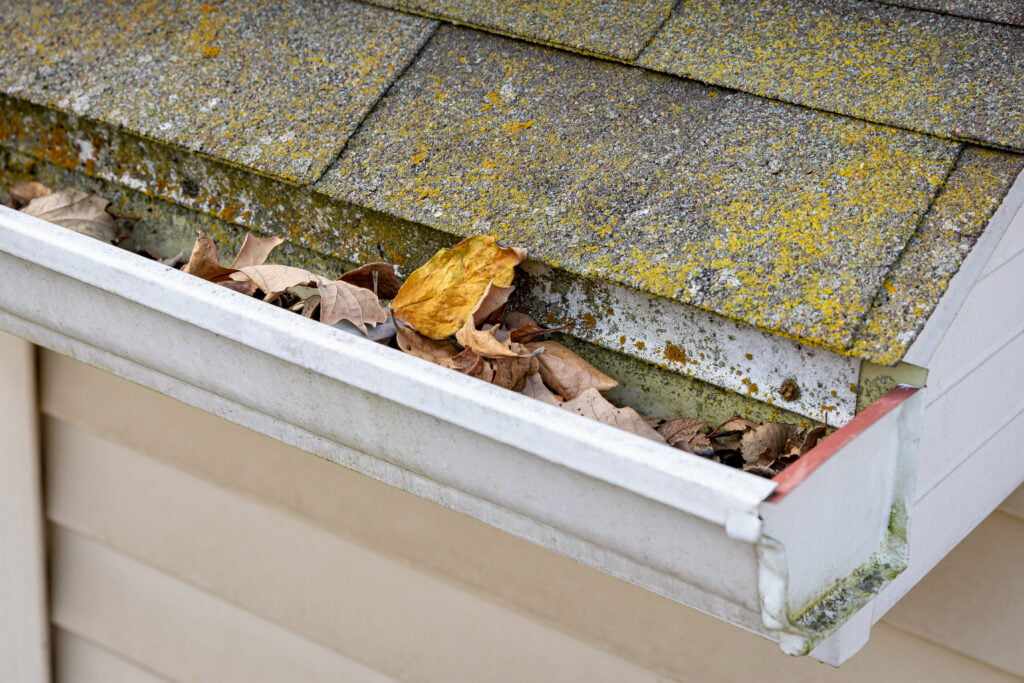
Clogged gutters can cause water to back up onto your roof, increasing the risk of leaks and water damage. Keeping them clear ensures proper drainage.
- Debris removal: Clear leaves and other debris regularly.
- Water flow: Ensure downspouts direct water away from your home.
- Overflow prevention: Maintain clear drainage systems to reduce pooling near the roofline.
3. Check for Roof Leaks and Moisture Signs
Early signs of a roof leak can include water stains on ceilings or walls. Identifying these signs early helps prevent further damage.
- Interior inspection: Look for water stains or damp spots.
- Attic check: Inspect insulation and wood decking for moisture.
- Quick action: Address leaks before they worsen.
4. Secure Flashing and Seals
Flashing protects vulnerable areas where water is most likely to enter. Ensuring these components are secure is critical during rainy seasons.
- Seal integrity: Check for cracks or gaps.
- Reinforcement: Reseal areas as needed.
- Critical points: Focus on chimneys, skylights, and roof vents.
5. Trim Overhanging Branches
Tree branches can drop leaves, sticks, and other debris onto your roof, which can trap moisture and cause damage. During storms, branches can also break and create immediate impact damage.
- Debris reduction: Limits buildup on the roof surface.
- Damage prevention: Reduces risk of branches breaking during storms.
- Improved drainage: Helps water flow freely off the roof.
6. Check for Ponding Water
Standing water is a common issue on a low slope roof and can lead to leaks over time. Identifying drainage problems early helps prevent long-term damage.
- Drain inspection: Ensure drains are clear and functional.
- Slope evaluation: Identify areas where water collects.
- Corrective action: Improve drainage systems to prevent buildup.
7. Schedule Professional Maintenance
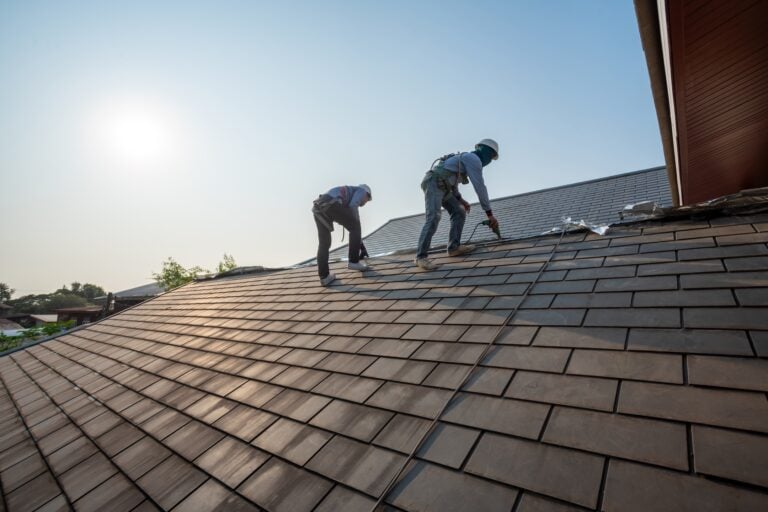
Routine inspections by a professional roofer can help catch issues that may not be visible from the ground. Professional maintenance ensures your roof is ready for heavy rain and performs reliably.
- Expert evaluation: Identifies hidden damage and weak spots.
- Preventative care: Keeps your roof well maintained and reduces risk of major repairs.
- Reliable service: Supports long-term performance through regular roof inspections.
8. Prepare for Emergency Repairs
Even with proper maintenance, unexpected issues can still occur during severe weather. Being prepared helps minimize damage and protect your home.
- Emergency plan: Know who to call for quick repairs.
- Temporary protection: Use tarps if needed to limit water intrusion.
- Fast response: Act quickly to prevent further damage.
Common Problems During Rainy Seasons
Rainy conditions can reveal underlying issues that may not be noticeable during dry weather. Understanding these problems can help you stay ahead of potential damage.
- Water damage: Prolonged exposure to moisture weakens roofing materials.
- Mold growth: Damp environments encourage mold development.
- Roof damage: Continuous rain can worsen existing wear.
- Drainage issues: Poor water flow leads to pooling and leaks.
These problems often develop gradually, which is why consistent monitoring during rainy months is so important. Addressing small warning signs early can prevent widespread damage throughout your home and preserve the integrity of your roof structure.
How Regular Maintenance Prevents Costly Repairs
Routine roofing maintenance is one of the most effective ways to protect your home during rainy seasons. By addressing minor issues early, you can avoid major structural damage and extend the life of your roof.
In fact, roof leaks can cause structural damage and mold growth if not addressed promptly, highlighting why proactive maintenance is essential during periods of heavy rain.
Regular care not only protects your home but also helps maintain the value of your property and reduces the likelihood of needing a full roof replacement. It also gives homeowners peace of mind knowing their roofing system is prepared to handle prolonged exposure to moisture.
Keep Your Roof Ready with Quality Roofing Solutions
Staying ahead of rainy season challenges starts with the right team. At Quality Roofing Solutions, we provide expert roofing maintenance and inspections to help protect your home from water damage and leaks.
We’re proud to serve home and business owners in Pensacola, FL, and nearby communities with roofing maintenance for rainy seasons and more. Our team understands how local weather conditions impact roofs and delivers solutions designed to last.
If you want to make sure your roof is ready for the next storm, contact Quality Roofing Solutions today to schedule a professional roofing inspection or maintenance service. Let us help you keep your home safe and protected year-round.