 (850) 753-0041


Roof Leak: 9 Common Causes and How to Fix Them
May 5, 2026
6 minutes Read
A roof leak can quickly turn from a minor issue into major damage if not addressed promptly. Whether you have asphalt shingles, metal panels, or a low slope roof, leaks can develop for a variety of reasons, often when you least expect them.
- Hidden damage: Leaks often start small and go unnoticed.
- Structural risk: Water intrusion can affect insulation, ceilings, and wood decking.
- Cost concerns: Delayed repair can lead to expensive fixes or even the need for a new roof.
- Weather impact: Rain and storms can worsen even minor issues.
In places like Pensacola, where heavy rain and humidity are common, identifying and fixing roof leaks early is critical to protecting your home.
What Causes a Roof Leak?
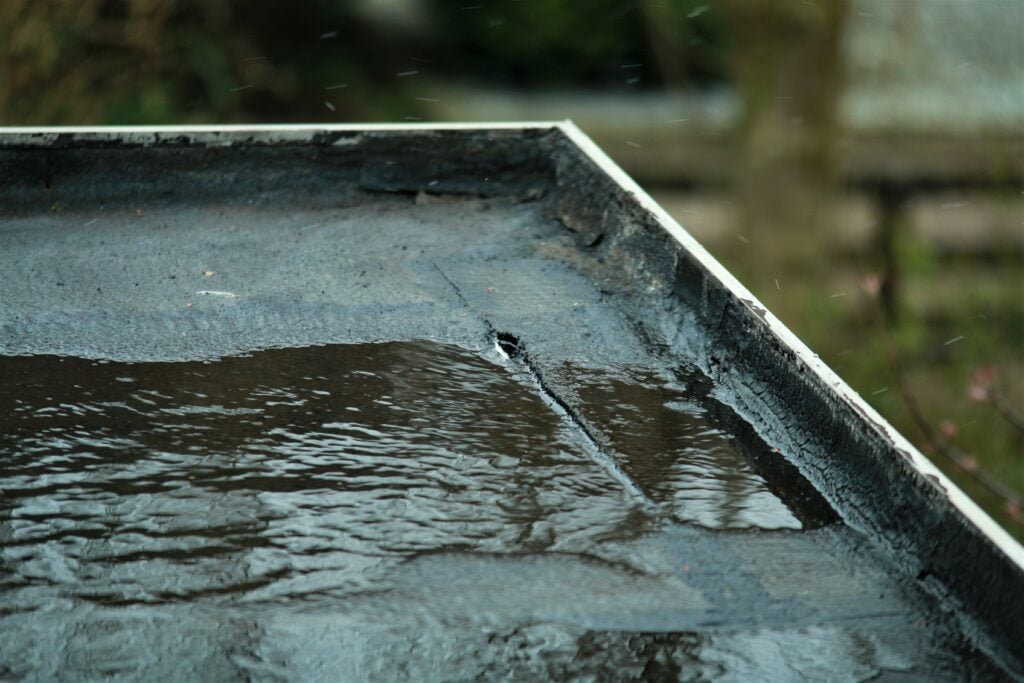
Roof leaks are typically the result of wear, damage, or installation issues. Over time, roofing materials can break down, and even small vulnerabilities can allow water to enter your home.
Environmental exposure plays a major role as well. Constant sun, moisture, and temperature changes gradually weaken roofing materials, making them more susceptible to roof damage. Even a well-built roof can develop issues if it is not properly maintained or inspected on a regular basis.
Understanding the most common causes helps homeowners take preventive steps and know when to call a professional roofer for proper repair.
9 Common Causes and How to Fix Them
Roof leaks can come from several different sources, and each requires a specific approach to fix properly. Below are the most common causes along with how they are typically addressed.
1. Damaged or Missing Shingles
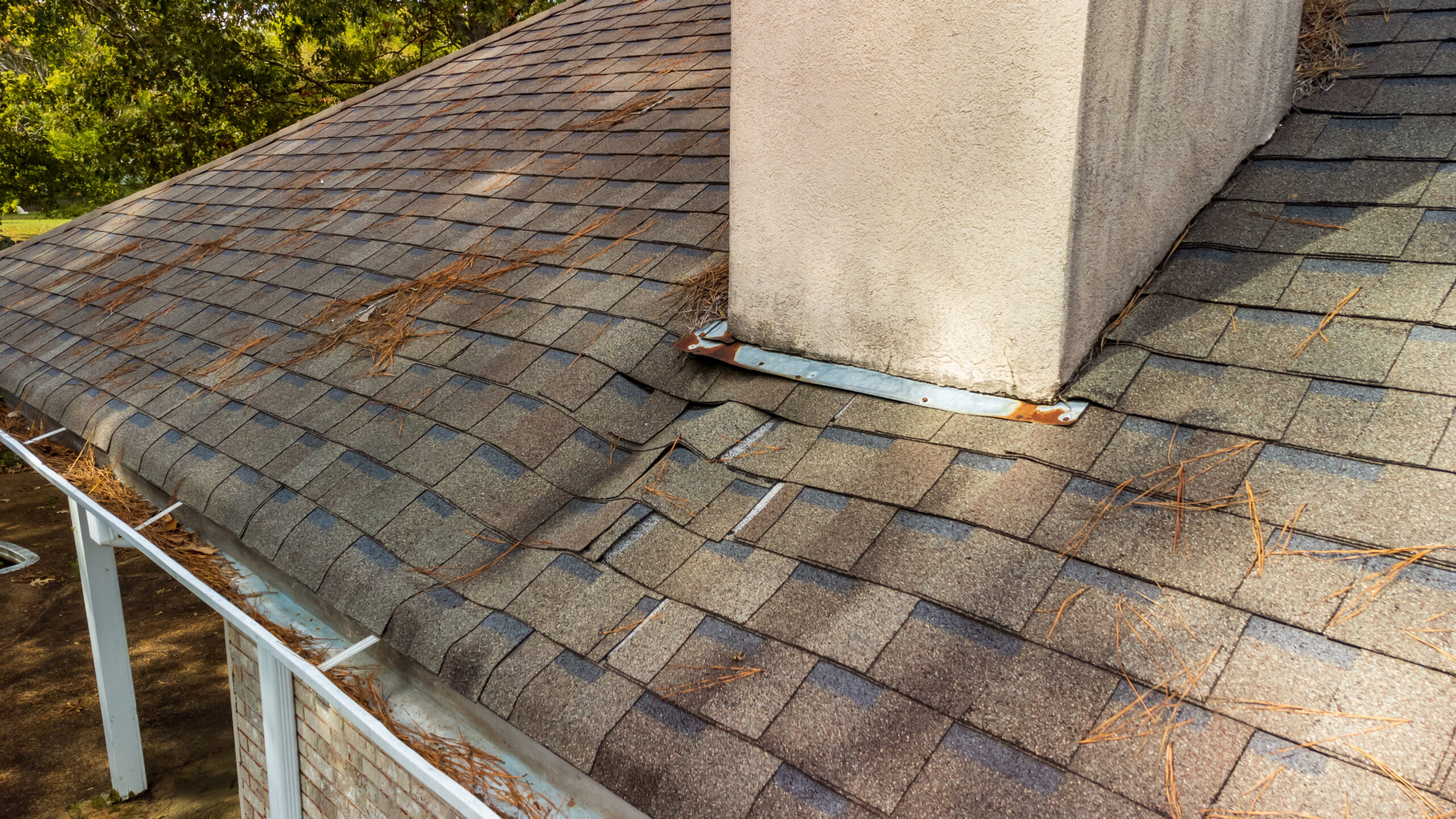
Shingles act as the first line of defense against water. When they are cracked, curled, or missing, water can easily penetrate the surface. This is one of the most common causes of a roof leak, especially after strong winds or storms.
- Cause: Age, wind damage, or storm impact.
- Fix: Replace damaged shingles and inspect surrounding areas for additional wear.
2. Worn or Cracked Flashing
Flashing seals areas around chimneys, vents, and roof edges. When it fails, water can seep through these vulnerable points. Because flashing protects joints and transitions, even a small crack can turn into a major problem area over time.
- Cause: Corrosion, improper installation, or age.
- Fix: Remove damaged flashing and install new, properly sealed flashing.
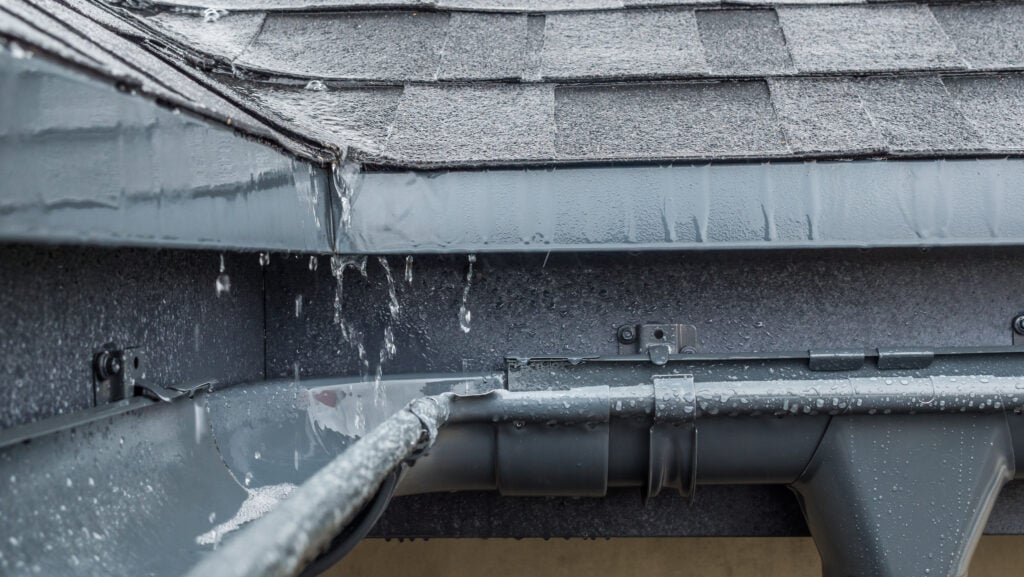
3. Clogged Gutters
Gutters are designed to direct water away from your roof. When they become clogged with leaves and other debris, water can back up and seep under roofing materials.
- Cause: Leaves, buildup, and other debris blocking drainage.
- Fix: Clean gutters regularly and ensure proper water flow away from the home.
4. Cracked Roof Vent Boots
Vent boots seal the area around vent pipes. Over time, they can crack or deteriorate due to sun exposure and weather conditions. Once compromised, water can easily enter through these openings.
- Cause: UV exposure and aging materials.
- Fix: Replace the vent boot and reseal the surrounding area.
5. Poor Installation
Improper installation can create weak points in the roofing system that lead to leaks over time. Even high-quality materials will fail if they are not installed correctly by a qualified professional roofer.
- Cause: Inexperienced contractors or shortcuts during installation.
- Fix: Have a professional roofer inspect and correct installation issues.
6. Ponding Water on Low Slope Roofs
Standing water can weaken roofing materials and eventually lead to leaks. This is more common on low slope roof systems where drainage is not properly designed.
- Cause: Poor drainage or structural sagging.
- Fix: Improve drainage systems or adjust the roof structure to prevent water buildup.
7. Damaged Roof Membrane
On flat or low slope roof systems, the roof membrane plays a key role in waterproofing. Damage from foot traffic, weather, or debris can compromise this layer.
- Cause: Foot traffic, aging materials, or impact from debris.
- Fix: Patch or replace sections of the membrane as needed.
8. Skylight Leaks
Skylights can be a common source of leaks if not properly sealed. Over time, seals can wear out or flashing can fail, allowing water to enter.
- Cause: Faulty seals or improper installation.
- Fix: Reseal or replace flashing around the skylight.
9. Ice Dams and Moisture Buildup
Ice dams form when heat escapes through the roof, melting snow that refreezes at the edges. This can trap water and force it under roofing materials, leading to leaks and water damage.
- Cause: Poor insulation and ventilation.
- Fix: Improve attic insulation and ventilation to prevent ice dams from forming.
Why Quick Roof Leak Repair Matters
Addressing a roof leak quickly is essential to preventing further damage. Water can spread rapidly once it enters your home, affecting insulation, drywall, and structural components like wood decking.
Even a small leak can escalate into a much larger issue if ignored. Moisture can travel along beams and surfaces, making the original problem area harder to locate and increasing repair costs. In fact, water damage accounts for nearly 30% of all property damage claims, which shows how costly delays can be when leaks are ignored.
- Mold growth: Moisture creates the perfect environment for mold.
- Structural damage: Water can weaken wood decking and framing.
- Insulation issues: Wet insulation loses effectiveness.
- Interior damage: Stains and deterioration can affect ceilings and walls.
Taking action early can help reduce repair costs and prevent the need for a full new roof.
How to Prevent Future Roof Leaks
Preventative maintenance is the best way to avoid leaks and extend the life of your roof. Regular inspections and upkeep can help identify potential issues before they worsen. Being proactive not only helps prevent leaks but also protects your home from long-term roof damage. Routine care ensures that small vulnerabilities are addressed before they turn into major repairs.
- Schedule inspections: Have a professional roofer check your roof regularly.
- Keep gutters clean: Ensure proper water drainage and remove other debris.
- Trim nearby trees: Reduce buildup and potential impact damage.
- Check after storms: Look for signs of wear or developing problem areas.
Staying proactive helps maintain the integrity of your roof and minimizes the risk of unexpected issues.
Protect Your Home with Quality Roofing Solutions
A roof leak is never something to ignore, and having a trusted team on your side makes all the difference. At Quality Roofing Solutions, we specialize in identifying the source of leaks and providing reliable repair solutions that last.
We’re proud to serve home and business owners in Pensacola, FL, and nearby communities with roof leak repair and more. Our team understands how local weather conditions impact roofing systems and works to keep your home protected year-round.
If you suspect a roof leak or need a professional inspection, contact Quality Roofing Solutions today to schedule a consultation. Let us help you fix the problem and prevent future damage.