
 (850) 753-0041


7 Common Issues and Fixes for Rain Gutter Repair
April 7, 2026
6 minutes Read
Rain gutter repair is one of the most important steps homeowners can take to protect their property from water damage and long-term structural issues. Gutters play a critical role in directing rainwater away from your home, especially in areas with frequent storms.
- Prevent foundation damage: Properly functioning gutters keep water from pooling around your home
- Avoid roof issues: Clogged or broken gutters can lead to leaks and rot
- Protect landscaping: Overflowing water can erode soil and damage plants
- Extend system lifespan: Timely repairs reduce the need for full replacement
Why Rain Gutter Problems Should Never Be Ignored
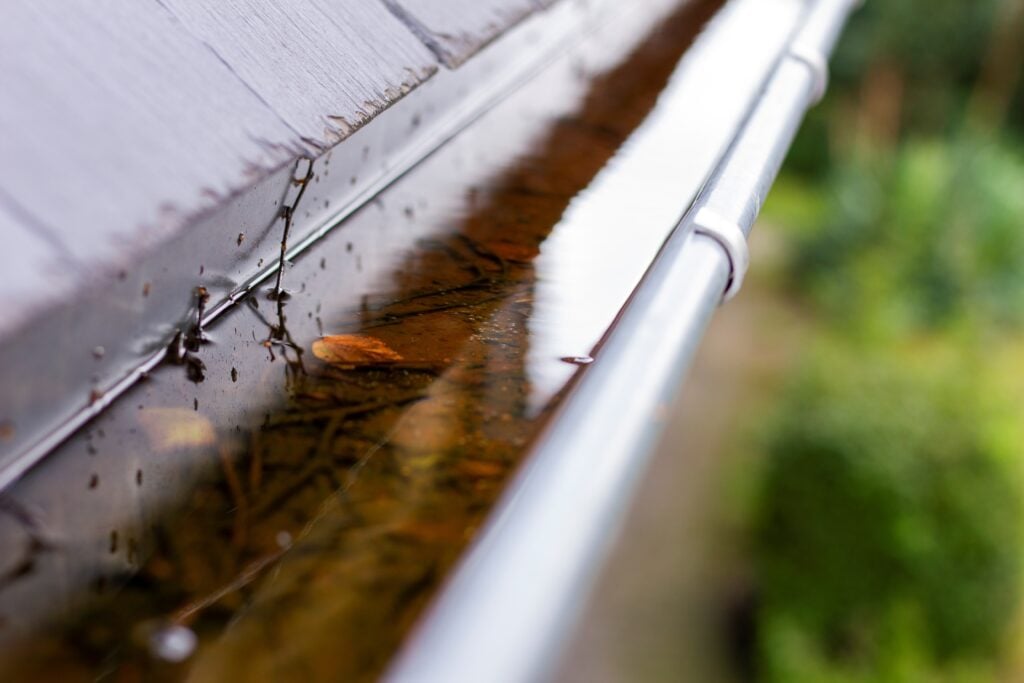
Gutter issues often start small but can quickly turn into expensive repairs if left unchecked. A minor clog or loose section can lead to water backing up onto your roof or spilling near your foundation. Over time, this can cause structural damage, mold growth, and even interior leaks.
According to the Insurance Information Institute, water damage accounts for nearly 30% of all homeowner insurance claims, showing how common and costly these issues can become when not addressed early.
We’re proud to serve home and business owners in Pensacola, FL, and nearby communities with rain gutter repair and more. Local weather patterns, including heavy rain and storms, make properly functioning gutters especially important for homes in this area.
7 Most Common Rain Gutter Problems
Understanding what can go wrong is the first step toward preventing damage. These issues often start small but can quickly lead to larger problems if not addressed early.
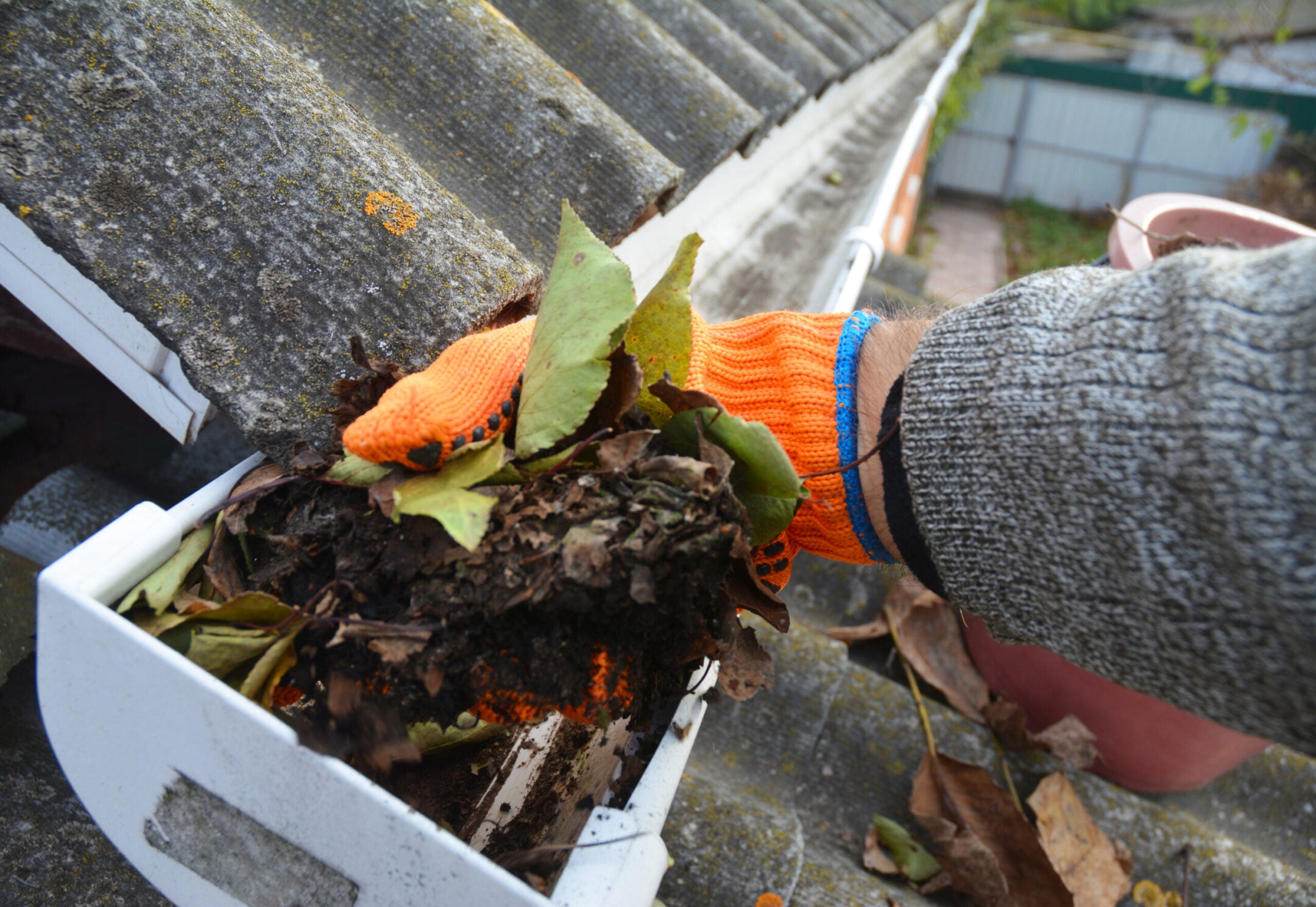
1. Clogged Gutters
Clogged gutters are one of the most common issues homeowners face. Debris buildup prevents proper water flow and causes overflow that can damage your roof, fascia, and foundation over time.
- Cause: Leaves, dirt, and debris collecting in corners and along the gutter line
- Impact: Water spills over edges and can damage siding and landscaping
- Fix: Regular cleaning using a ladder and flushing with a garden hose
2. Sagging Gutters
Sagging occurs when gutters are weighed down or improperly secured to the fascia. This prevents water from flowing toward the downspouts as intended and creates uneven drainage.
- Cause: Loose brackets, improper installation, or excess debris weight
- Impact: Water pooling and added stress on gutter sections
- Fix: Reinforcing hangers and correcting installation issues
3. Leaks and Holes
Even small cracks or openings can lead to water escaping before it reaches the downspouts. These leaks are often found at seams or corners and can worsen over time.
- Cause: Rust, corrosion, or worn-out gutter sealant
- Impact: Water dripping near the home and damaging surrounding areas
- Fix: Applying new gutter sealant or replacing affected sections
4. Improper Pitch
Gutters need a slight slope to function correctly. If the pitch is off, water will sit instead of flowing properly through the system and into the downspouts.
- Cause: Poor installation or shifting of the gutter system over time
- Impact: Standing water and increased debris buildup
- Fix: Adjusting slope to restore proper drainage
5. Downspout Issues
Downspouts play a key role in directing water away from your home. When they are blocked or disconnected, water cannot drain properly and may back up into the gutters.
- Cause: Debris clogs or loose connections at joints
- Impact: Overflow and water pooling near the foundation
- Fix: Clearing blockages with a garden hose and securing connections
6. Rust and Corrosion
Older gutter systems are especially prone to rust, which weakens the material and leads to holes or structural failure. This is more common in traditional systems compared to seamless gutters.
- Cause: Constant exposure to moisture and aging materials
- Impact: Deterioration and reduced structural integrity
- Fix: Replacing rusted sections or upgrading to seamless gutters
7. Poor Drainage Around the Home
Even if gutters are functioning properly, poor drainage at the ground level can still cause problems. Water needs to be directed far enough away from your home.
- Cause: Short downspouts or improper placement after installation
- Impact: Water pooling near the foundation and soil erosion
- Fix: Extending downspouts and improving water flow direction
Signs Your Gutters Need Immediate Attention
Knowing when to act can prevent small issues from turning into larger problems. Many gutter issues show early warning signs that are easy to spot if you know what to look for.
Water Overflow During Rain
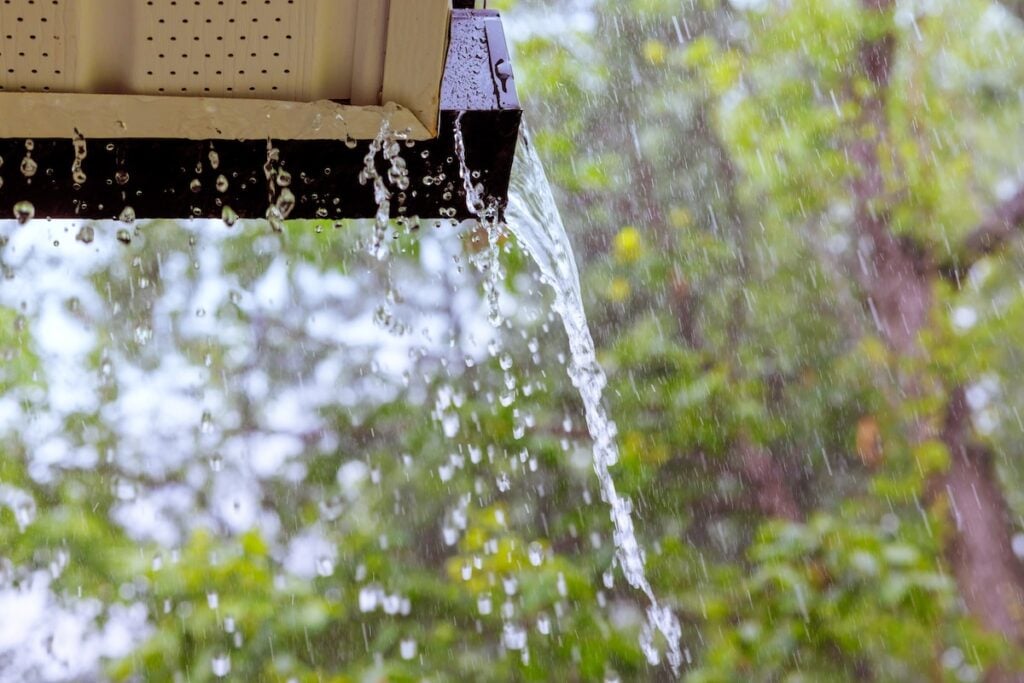
If water spills over the sides of your gutters during a storm, it is a clear sign of blockage or improper flow. This often indicates buildup in corners or improper pitch that needs correction.
Visible Sagging or Separation
Gutters pulling away from the fascia or appearing uneven are not functioning properly. This can lead to long-term damage if not addressed quickly.
Staining on Siding or Foundation
Water stains or streaks along your siding often indicate leaks or overflow issues. These can come from cracks, failed gutter sealant, or poor drainage.
Pooling Water Near the Home
Standing water around your foundation is a major warning sign that your gutter system is not directing water properly. This can lead to serious structural concerns over time.
- Watch for overflow: Water spilling over edges during storms
- Check connections: Loose sections or separation from fascia
- Look for leaks: Cracks, holes, or failed sealant
- Inspect drainage: Water collecting near your home
Common Gutter Problems and Their Fixes
Not all gutter issues require a full replacement. Many can be resolved quickly with the right repair approach.
| Problem | Cause | Solution |
| Clogged gutters | Debris buildup | Clean using ladder and garden hose |
| Sagging gutters | Loose brackets | Reinforce hangers and fascia attachment |
| Leaks | Worn sealant or cracks | Apply gutter sealant or replace sections |
| Improper pitch | Poor installation | Adjust slope for proper drainage |
| Downspout issues | Blockages | Clear and secure connections |
Frequently Asked Questions About Rain Gutter Repair
How often should gutters be cleaned?
Most homes benefit from cleaning at least twice a year. Homes with heavy tree coverage or frequent storms may require more frequent maintenance to prevent buildup in corners and downspouts.
Can small gutter leaks be repaired?
Yes, many leaks can be fixed using gutter sealant. However, widespread damage or corrosion may require section replacement or upgrading to seamless gutters.
What tools are needed for basic gutter maintenance?
A ladder, gloves, and a garden hose are commonly used for cleaning and inspection. These tools help remove debris and check for proper water flow.
When should gutters be replaced instead of repaired?
If gutters are severely rusted, sagging throughout, or repeatedly failing, replacement may be the better option. Modern seamless gutters offer improved durability and fewer leak points.
Keep Your System Working With Quality Roofing Solutions
Rain gutter repair is one of the most effective ways to protect your home from costly damage and long-term issues. Addressing problems early helps maintain your system and prevents larger repairs down the road.
At Quality Roofing Solutions, we focus on delivering dependable gutter repair services that keep your home protected through every season. From correcting installation issues to sealing leaks and improving drainage, our team provides solutions built for long-term performance. If your gutters are showing signs of wear or not performing properly, now is the time to take action. Contact Quality Roofing Solutions today to schedule an inspection and keep your home protected year-round.