 (850) 753-0041


Soffit and Fascia Repair: 8 Steps Guide for Homeowners
November 12, 2025
5 minutes Read
If your home’s soffit and fascia are showing signs of wear, it’s time to take action before the damage spreads. The soffit and fascia play vital roles in your roofing system—protecting rafters, improving ventilation, and enhancing curb appeal. Proper repair and maintenance prevent rot, pests, and water intrusion that can compromise your roof’s structure.
- Home protection: Prevents leaks, wood rot, and pest infestations.
- Aesthetic improvement: Keeps your home’s roofline looking sharp.
- Structural stability: Reinforces the edges of your roof for long-term durability.
Why Soffit and Fascia Are Important
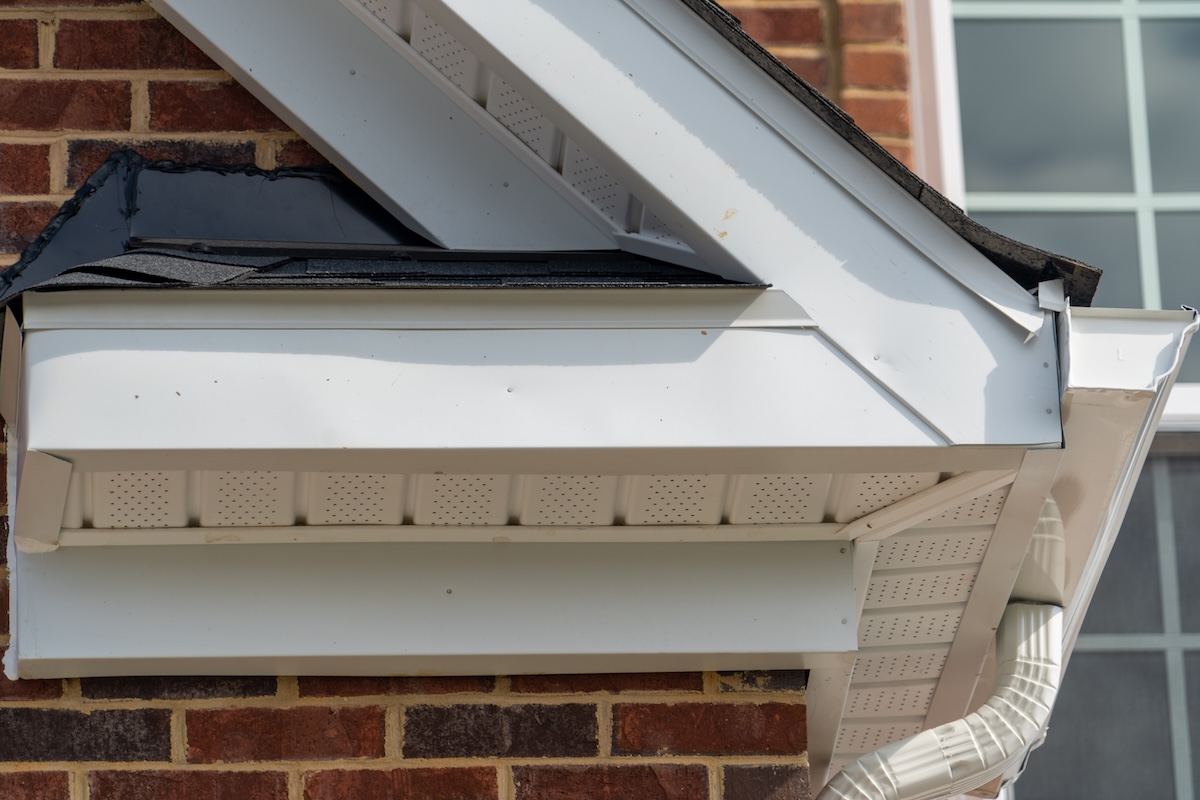
Many homeowners underestimate the importance of these components. The soffit—the horizontal board under the roof’s overhang—helps ventilate your attic and prevent moisture buildup. The fascia, the vertical band along the roof edge, supports gutters and creates a finished appearance.
For homeowners in Pensacola and surrounding areas, constant exposure to humidity and coastal weather can cause paint to peel, wood to rot, and metal to corrode. Addressing problems early helps avoid expensive roof or gutter repairs later.
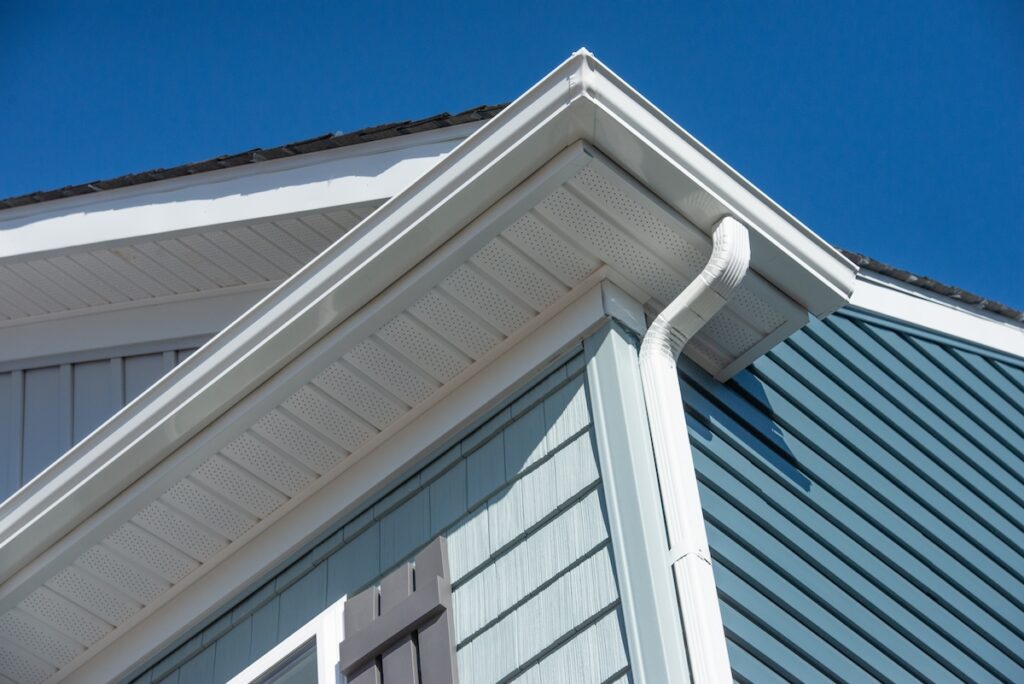
8 Steps for Effective Soffit and Fascia Repair
Here’s a step-by-step guide to help homeowners understand how professionals restore soffit and fascia systems safely and efficiently.
1. Inspect for Damage
Start with a detailed visual inspection of the roofline. Look for water stains, peeling paint, sagging boards, or evidence of pests. These are common signs of moisture intrusion or wood decay.
- Water stains: Indicate trapped moisture or roof leaks.
- Cracks and gaps: Allow birds, insects, or rodents to enter.
- Soft wood: Suggests rot beneath the surface.
2. Identify the Cause
Before repairing, determine what caused the damage. Common culprits include leaking gutters, roof flashing failures, or clogged vents.
- Leaky gutters: Water overflowing can rot fascia boards.
- Poor ventilation: Moisture trapped in the attic damages soffits.
- Storm exposure: High winds can dislodge panels or break seals.
3. Gather the Right Tools and Materials
Professionals use specific tools for efficient and safe soffit and fascia repair.
- Essential tools: Pry bar, saw, hammer, drill, and ladder.
- Replacement materials: Wood, vinyl, or aluminum boards that match existing trim.
- Safety gear: Gloves, goggles, and a stable ladder or scaffolding.
4. Remove the Damaged Sections
Carefully take out the damaged soffit or fascia pieces without harming the surrounding materials.
- Precision removal: Avoid splitting neighboring boards.
- Clean edges: Ensure new materials fit securely.
- Dispose properly: Old wood or metal should be recycled or discarded safely.
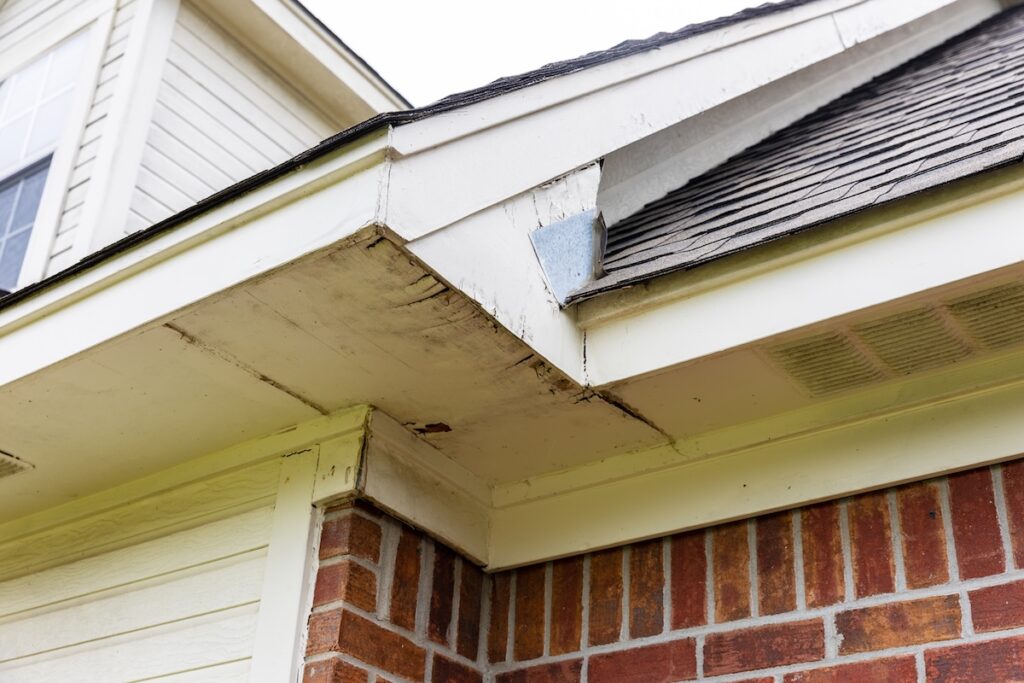
5. Repair Underlying Structures
Sometimes the rafter tails or subfascia underneath may also be damaged. These must be repaired before new boards are installed.
- Replace rotted sections: Use treated wood for longevity.
- Seal gaps: Prevent future moisture infiltration.
- Check roof edges: Ensure shingles or drip edges are intact.
6. Install New Soffit and Fascia
Once the area is prepped, new materials are installed. Many homeowners now choose low-maintenance options like vinyl or aluminum.
- Vinyl benefits: Resistant to moisture and insects.
- Aluminum durability: Withstands Florida’s coastal conditions.
- Proper alignment: Ensures even, seamless installation.
7. Seal, Paint, or Finish
To ensure long-term protection, seal or paint the new boards to match your home’s exterior.
- Sealants: Provide waterproof protection against humidity.
- Paint: Adds UV resistance and enhances curb appeal.
- Color match: Keeps your home’s exterior cohesive and stylish.
8. Maintain and Monitor
Ongoing maintenance is key to preventing future problems. Check your soffit and fascia twice a year—especially after major storms.
- Clean gutters: Prevent water overflow that damages fascia boards.
- Inspect vents: Keep airflow unobstructed.
- Repaint periodically: Protects wood and extends lifespan.
Common Mistakes to Avoid During Repair
Even DIY-minded homeowners can make costly mistakes if they’re not careful.
Using the Wrong Materials
Mixing incompatible materials (like untreated wood with aluminum trim) can cause expansion issues or corrosion over time. Always use materials designed for exterior use in humid climates like Pensacola and surrounding areas.
Ignoring Ventilation
The soffit’s primary job is to ventilate the attic. Blocking vents with insulation or paint traps moisture and accelerates damage.
Overlooking Gutter Issues
Fascia damage is often caused by faulty gutters. Replacing fascia without fixing drainage issues will lead to repeated problems.
When To Call a Professional
While minor touch-ups are manageable, full soffit and fascia repair should be left to roofing specialists. Professional contractors:
- Inspect for hidden damage: Identify issues beneath the surface.
- Use specialized equipment: Ensure safety and precision.
- Provide warranties: Guarantee quality materials and workmanship.
A professional repair not only restores the roofline but also ensures the problem doesn’t recur.
Restore Your Roofline With Quality Roofing Solutions
Your soffit and fascia may not be the most visible parts of your roof, but they’re essential for protecting your home from moisture, pests, and decay. If you notice peeling paint, sagging boards, or visible damage, don’t wait for the problem to worsen.
At Quality Roofing Solutions, we provide expert soffit and fascia repair for homeowners in Pensacola and surrounding areas. Our skilled team ensures lasting protection, beautiful finishes, and efficient installation.Contact us today for a free estimate and restore your roofline with confidence.