 (850) 753-0041


Rubber Roof (Lifespan, Benefits & More)
February 19, 2026
7 minutes Read
A rubber roof is a common flat roofing solution for commercial buildings because it offers flexibility, durability, and long-term water resistance. Often associated with EPDM roofing systems, rubber roofs are designed to handle the unique challenges of low-slope commercial structures. Understanding how rubber roofing performs, how long it lasts, and where it works best helps property owners make informed decisions about roof replacement or long-term planning.
- Commercial suitability: Designed for flat and low-slope roof systems.
- Proven durability: Performs well under temperature changes.
- Water resistance: Engineered to handle ponding and heavy rainfall.
What Is a Rubber Roof?
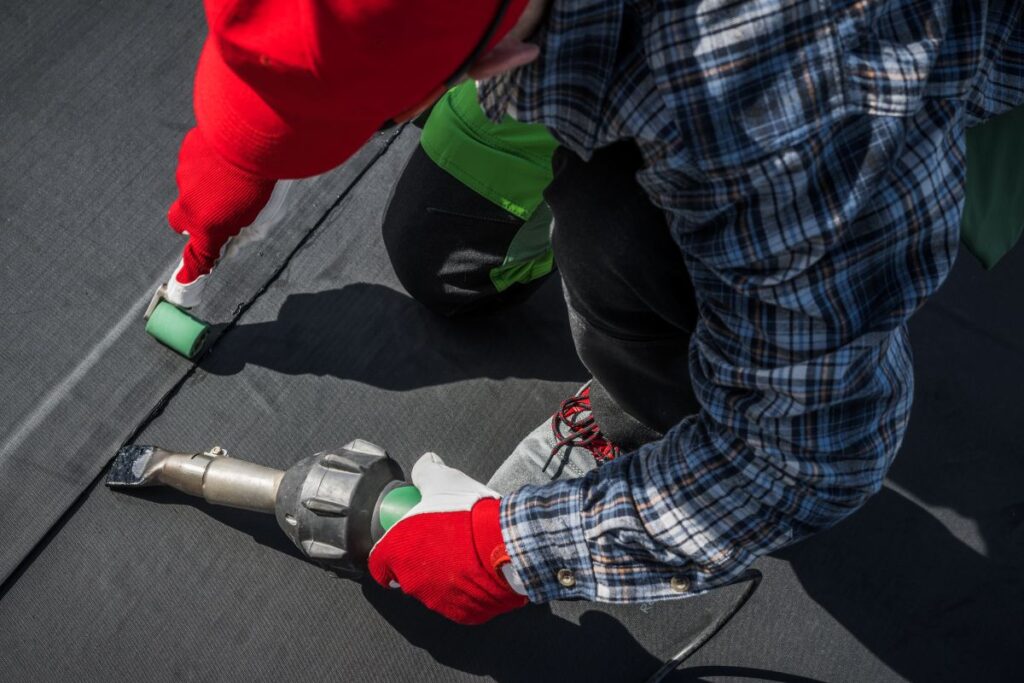
A rubber roof typically refers to an EPDM roofing system, which stands for ethylene propylene diene monomer. This single-ply membrane is made from synthetic rubber and installed in large sheets to create a continuous waterproof barrier. Rubber roofing is most commonly used on flat or low-slope commercial roofs.
For commercial properties in Pensacola Beach and surrounding areas, rubber roofs are valued for their ability to withstand humidity, UV exposure, and frequent rain. The material remains flexible over time, which helps it resist cracking and splitting as buildings expand and contract.
Why Rubber Roofing Is Common on Commercial Buildings
Commercial roof systems face different demands than residential roofs. Large surface areas, rooftop equipment, and limited slope all require materials designed for durability and water control.
Rubber roofing systems address these challenges by providing a seamless, flexible membrane that adapts to structural movement. This makes rubber roofs a practical option for warehouses, office buildings, retail centers, and industrial facilities.
Rubber Roof Lifespan Expectations
One of the most common questions commercial property owners ask is how long a rubber roof lasts. While lifespan varies based on installation quality, maintenance, and environmental exposure, rubber roofs are known for long service life.
- Average lifespan: Typically 20 to 30 years.
- Maintenance impact: Regular inspections can extend lifespan.
- Environmental exposure: UV and weather conditions influence longevity.
When properly installed and maintained, many rubber roofs perform well beyond their expected service life.
Key Benefits of a Rubber Roof for Commercial Properties
Rubber roofing systems offer several advantages that make them appealing for commercial use. These benefits address both performance and long-term ownership considerations.
Flexibility and Movement Resistance
Rubber roofing remains flexible across a wide temperature range. This flexibility allows it to accommodate building movement without tearing.
- Expansion tolerance: Handles thermal movement effectively.
- Crack resistance: Less likely to split compared to rigid materials.
- Structural compatibility: Adapts well to large roof spans.
This flexibility is especially beneficial for large commercial buildings.
Strong Waterproofing Performance
Water management is critical on flat roofs. Rubber roofing provides a continuous barrier designed to prevent leaks.
- Seam integrity: Seams are sealed to prevent water intrusion.
- Ponding tolerance: Performs well under standing water conditions.
- Leak prevention: Reduces common flat roof failure points.
Proper drainage design further enhances waterproofing performance.
Low Maintenance Requirements
Compared to multi-layer systems, rubber roofs generally require less ongoing maintenance. This helps reduce operational disruptions.
- Simple inspections: Visual checks often identify issues early.
- Repairability: Small punctures are typically easy to fix.
- Reduced upkeep: Fewer components mean fewer failure points.
Lower maintenance demands appeal to property owners managing multiple facilities.
Cost-Effective Long-Term Value
Rubber roofing is often selected for its balance between cost and performance. While not the least expensive option, it offers strong long-term value.
- Moderate installation cost: Typically lower than some premium systems.
- Extended service life: Reduces replacement frequency.
- Repair efficiency: Repairs are usually localized.
These factors contribute to predictable long-term roofing expenses.
Rubber Roof Installation Methods
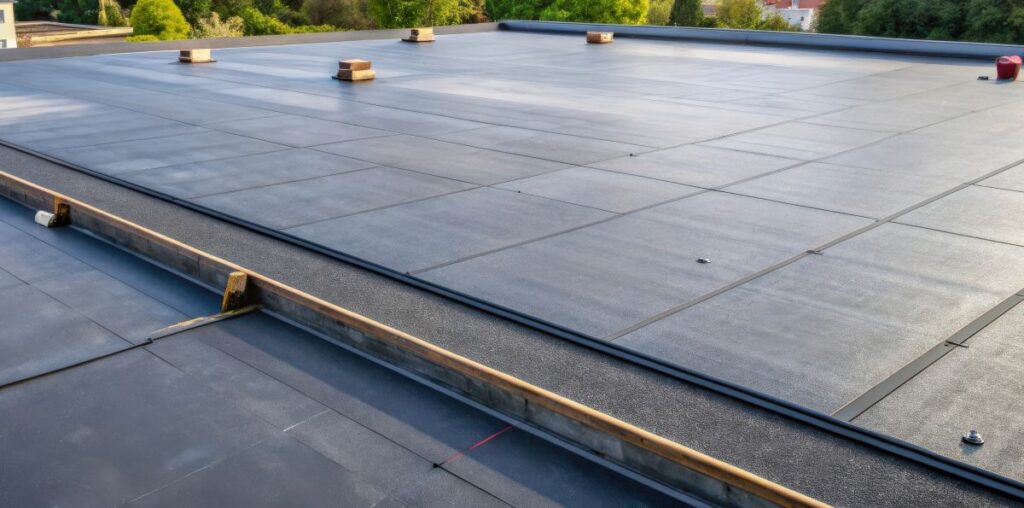
Rubber roofs can be installed using several methods depending on building design and performance requirements. Installation approach affects durability and maintenance needs.
- Fully adhered systems: Membrane bonded directly to the substrate.
- Mechanically attached systems: Fastened with plates and fasteners.
- Ballasted systems: Held in place with stone or pavers.
Each method has advantages depending on roof size, wind exposure, and structural capacity.
How Rubber Roofs Perform in Coastal and Humid Environments
Coastal and humid environments place constant stress on commercial roofing systems, especially flat roofs with large surface areas. Salt air, prolonged moisture exposure, intense sunlight, and sudden storms all accelerate material breakdown if the roof system is not designed to handle them.
Rubber roofing performs well in these conditions because it resists moisture absorption and remains flexible despite temperature changes. This flexibility helps prevent cracking, while UV-resistant formulations slow surface degradation.
- Moisture resistance: Rubber does not absorb water like porous materials.
- UV stability: Engineered to withstand prolonged sun exposure.
- Salt air tolerance: Less prone to corrosion compared to metal components.
- Thermal flexibility: Expands and contracts without splitting.
For commercial buildings in Pensacola Beach and surrounding areas, these characteristics support consistent performance when proper drainage and installation practices are in place.
Rubber Roof vs Other Flat Roofing Materials
Not all flat roofing materials perform the same under commercial conditions. Comparing rubber roofing to other common systems helps property owners align material choice with building use, exposure, and maintenance expectations.
- Compared to TPO: Rubber offers superior flexibility, while TPO focuses more on heat reflectivity.
- Compared to PVC: Rubber has fewer chemical resistance advantages but provides strong durability and easier repairs.
- Compared to modified bitumen: Rubber has fewer seams and typically requires less ongoing maintenance.
- Compared to built-up roofing: Rubber is lighter and simpler to repair than multi-layer asphalt systems.
Each flat roofing material serves a specific purpose. Rubber roofing is often favored where flexibility, repairability, and predictable performance are priorities.
4 Common Misconceptions About Rubber Roofing
Despite its widespread commercial use, rubber roofing is often misunderstood. Many concerns are based on outdated systems rather than modern EPDM technology.
- “Rubber roofs are fragile”: Modern membranes are engineered for durability and puncture resistance.
- “Rubber doesn’t last”: Properly installed rubber roofs routinely last decades.
- “Repairs are complicated”: Rubber membranes are among the easiest flat roofs to repair.
- “Rubber is outdated”: EPDM remains widely specified due to proven performance.
Understanding current materials helps property owners evaluate rubber roofing accurately rather than relying on misconceptions.
Signs a Rubber Roof May Need Attention
Rubber roofs are durable, but they still require periodic inspection. Early warning signs often appear before leaks become severe.
- Membrane punctures: Common near rooftop equipment or walk paths.
- Loose or separating seams: Can develop as adhesives age.
- Ponding water: Indicates drainage or slope issues.
- Surface wrinkling: May signal substrate movement or installation issues.
- Interior moisture signs: Suggest membrane compromise.
Addressing these signs early helps prevent disruption to building operations and interior damage.
Is a Rubber Roof the Right Choice for Your Building?
Rubber roofing works best for commercial property owners who prioritize reliability, flexibility, and manageable maintenance. It is particularly effective on large, low-slope roofs where expansion, contraction, and drainage must be carefully managed.
- Building size: Ideal for wide roof spans.
- Roof slope: Best suited for flat or low-slope designs.
- Maintenance goals: Appeals to owners seeking simple upkeep.
- Climate exposure: Performs well in humid and coastal regions.
Evaluating these factors together helps determine whether rubber roofing aligns with your building’s operational needs.
Why Rubber Roofing Remains a Reliable Commercial Option
Even with newer flat roofing systems available, rubber roofing continues to be widely used due to its consistent performance record. Its balance of durability, repairability, and cost predictability keeps it relevant for many commercial applications.
- Proven track record: Decades of successful commercial use.
- Repair efficiency: Localized issues rarely require full replacement.
- Predictable lifespan: Easier long-term planning for owners.
- Material stability: Performs consistently under varying conditions.
This reliability makes rubber roofing a practical long-term solution rather than a short-term compromise.
Make Informed Decisions About Your Commercial Roof
A commercial roof protects more than a building. It safeguards inventory, tenants, equipment, and daily operations. Choosing the right roofing system requires understanding performance, maintenance demands, and long-term value.
If you’re evaluating rubber roofing or comparing flat roof systems for your property, reach out to Quality Roofing for expert advice and solutions tailored to your specific needs.