 (850) 753-0041


Roof Washing: 6 Tips to Avoid Damage While Cleaning
January 28, 2026
5 minutes Read
Roof washing is an effective way to remove algae, dirt, and debris, but doing it incorrectly can cause serious damage to your roofing materials. Many homeowners underestimate how delicate certain roof components can be when exposed to pressure, chemicals, or improper techniques. Understanding safe cleaning practices helps you protect your roof’s appearance and lifespan while avoiding costly repairs.
- Surface protection: Prevents premature wear and material damage.
- Appearance improvement: Removes stains and buildup safely.
- Longevity support: Helps roofing materials last longer when done correctly.
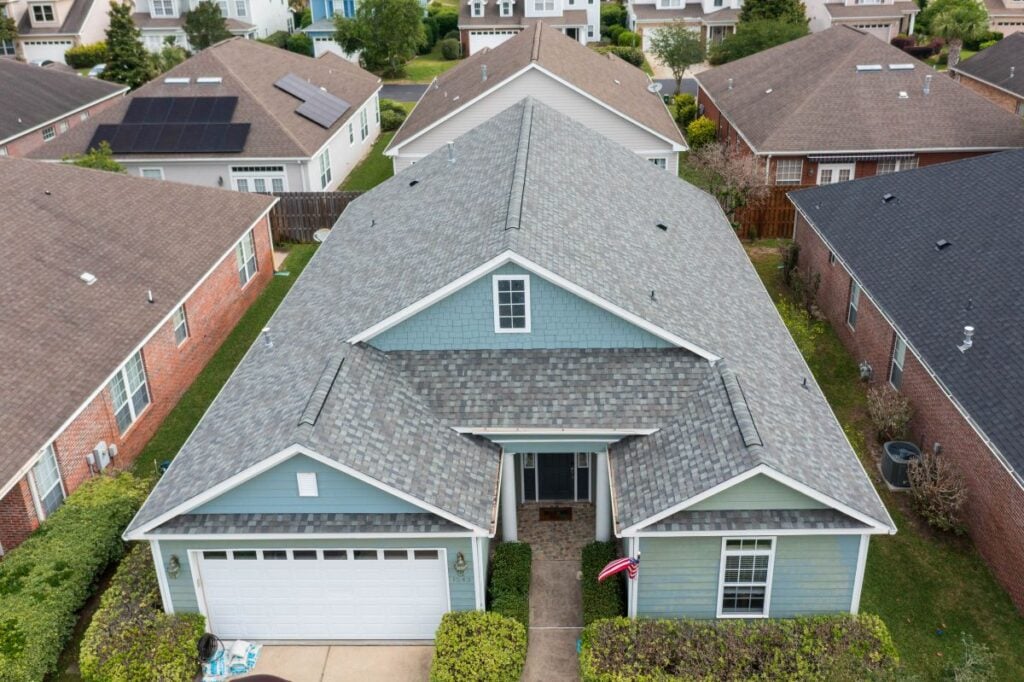
Why Safe Roof Washing Matters
Roofs are designed to withstand weather, not aggressive cleaning methods. High pressure, harsh chemicals, and improper tools can loosen shingles, strip protective granules, or damage flashing and sealants. Once that protective layer is compromised, the roof becomes more vulnerable to leaks and accelerated aging.
For homeowners in Cantonment and surrounding areas, humidity and frequent rainfall often lead to algae growth and staining. While cleaning may be necessary for maintenance and appearance, using safe methods is critical to avoid turning a cosmetic task into a structural problem.
Common Risks of Improper Roof Washing
Before cleaning a roof, it’s important to understand what can go wrong. Many forms of roof damage occur during cleaning rather than from weather alone.
Improper washing can force water beneath shingles, erode protective coatings, and weaken roof components that are not easily visible. These issues often don’t appear immediately, which is why roof washing mistakes can be costly over time.
6 Roof Washing Tips to Avoid Damage
The following tips help homeowners clean their roofs while minimizing the risk of damage. Knowing these best practices allows you to make safer decisions before starting any cleaning process.
1. Avoid High-Pressure Washing
Pressure washers are one of the most common causes of roof damage. While they may remove stains quickly, they can do more harm than good.
- Granule loss: Strips protective granules from asphalt shingles.
- Water intrusion: Forces water under shingles and flashing.
- Material damage: Can crack or dislodge roofing components.
Low-pressure methods are always safer for roof surfaces.
2. Use Roof-Safe Cleaning Solutions
Not all cleaning products are suitable for roofing materials. Harsh chemicals can weaken shingles and corrode metal components.
- Mild solutions: Designed specifically for roofing surfaces.
- Algae control: Targets organic growth without damaging materials.
- Material compatibility: Safe for shingles, metal, and tile.
Using roof-safe cleaners helps preserve the integrity of your roof while improving appearance.
3. Never Scrub or Abrade Roofing Materials
Scrubbing may seem harmless, but it can severely damage roofing surfaces. Shingles and tiles are not designed to withstand abrasion.
- Surface erosion: Removes protective coatings.
- Cracked materials: Increases the risk of breakage.
- Reduced lifespan: Accelerates wear and aging.
Gentle application and rinsing are far safer than manual scrubbing.
4. Protect Surrounding Areas
Roof washing runoff can affect landscaping, siding, and gutters. Taking precautions helps prevent secondary damage.
- Cover plants: Shields vegetation from cleaning solutions.
- Control runoff: Prevents chemical buildup around foundations.
- Check gutters: Ensures proper drainage during cleaning.
Protecting surrounding areas makes the entire process safer and cleaner.
5. Choose the Right Weather Conditions
Weather plays a major role in safe roof washing. Poor timing can increase risks for both the roof and the person cleaning it.
- Dry conditions: Prevent slipping and water intrusion.
- Mild temperatures: Reduce rapid chemical evaporation.
- Low wind: Keeps cleaning solution contained.
Planning around weather conditions improves safety and effectiveness.
6. Prioritize Safety at All Times
Roof washing involves working at heights, which always carries risk. Personal safety should never be overlooked.
- Avoid climbing wet roofs: Slippery surfaces increase fall risk.
- Use proper equipment: Ladders and safety gear are essential.
- Know your limits: Some roofs are unsafe to access without training.
When safety is uncertain, it’s better to pause and reassess the approach.

Roof Types and Washing Considerations
Different roofing materials respond differently to cleaning. Understanding your roof type helps guide safer methods.
Asphalt shingles are especially sensitive to pressure and abrasion, while metal and tile roofs require careful chemical selection. Flat roofs also need controlled water use to avoid ponding and membrane damage. Tailoring the approach to the roof type helps prevent unintended harm.
How Often Roof Washing Should Be Done
Roof washing does not need to be frequent to be effective. Overcleaning can be just as damaging as improper cleaning methods.
Most homeowners benefit from occasional cleaning based on visible buildup rather than a fixed schedule. In humid regions like Cantonment and surrounding areas, algae growth may appear more quickly, but safe methods should always take priority over frequency.
Warning Signs of Roof Washing Damage
Damage caused during cleaning may not be immediately obvious. Knowing the warning signs helps homeowners catch issues early.
- Loose or missing shingles: May indicate pressure damage.
- Excessive granules in gutters: Suggests surface erosion.
- New leaks: Often appear after improper washing.
If these signs appear after cleaning, further inspection may be necessary.
When Roof Washing Should Be Avoided
There are situations where roof washing may do more harm than good. Recognizing these scenarios helps homeowners avoid unnecessary risks.
Older roofs nearing the end of their lifespan may be too fragile for cleaning. Roofs with existing leaks, loose materials, or structural concerns should not be washed until those issues are addressed.
Maintaining Your Roof Without Damage
Safe roof washing is about balance. Removing buildup while preserving materials requires careful planning and the right techniques.
Routine inspections, gentle cleaning methods, and avoiding aggressive tools help maintain roof appearance without compromising performance. A cautious approach supports both curb appeal and long-term protection.
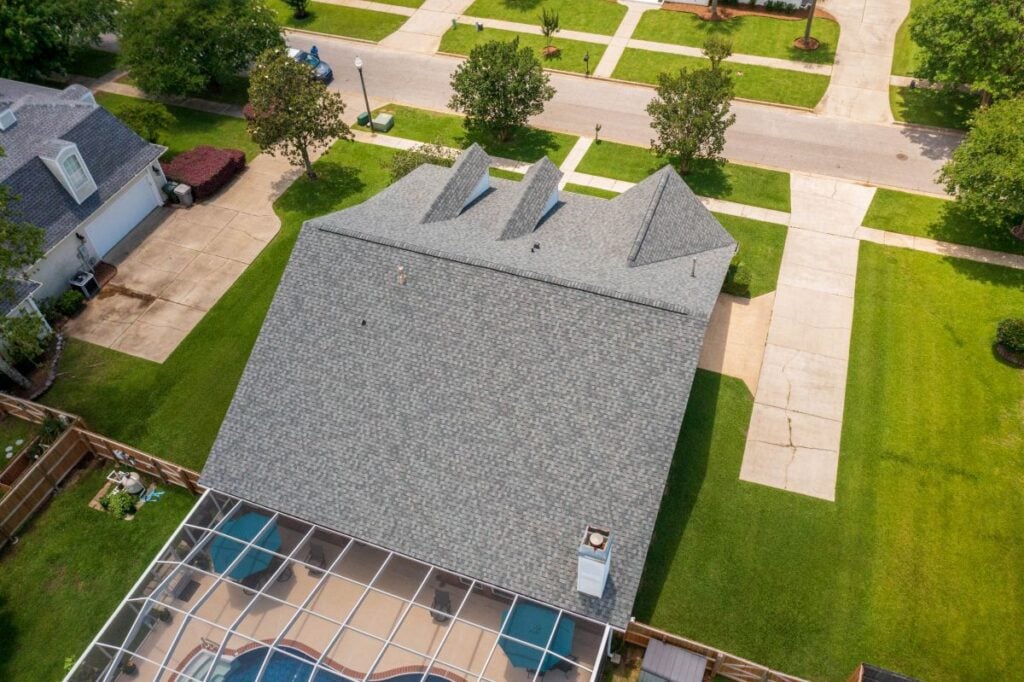
Clean Smarter, Not Harder
Roof washing can improve the look of your home, but only when done correctly. Understanding what to avoid is just as important as knowing what to do.
If you have questions about safe roof cleaning methods or concerns about your roof’s condition, reach out to Quality Roofing for expert advice and solutions tailored to your specific needs.