 (850) 753-0041


Roof Vent Options: 4 Types That Improve Ventilation
November 26, 2025
6 minutes Read
Installing the right roof vent is one of the most effective ways to improve airflow and extend your roof’s lifespan. Proper ventilation prevents heat buildup, reduces moisture, and helps your HVAC system work more efficiently. With several styles to choose from, understanding the main types of vents will help you select the one that best suits your home.
- Energy efficiency: Balanced airflow lowers cooling costs year-round.
- Moisture prevention: Keeps your attic dry and mold-free.
- Roof protection: Reduces stress on shingles and underlayment.
Why Roof Ventilation Matters
Your attic plays a major role in regulating your home’s temperature. Without proper ventilation, trapped hot air during summer can bake your shingles, while excess moisture in winter can cause rot and mold. For homeowners in Pensacola Beach and surrounding areas, where humidity and heat are common, roof ventilation is especially important to maintain energy efficiency and comfort.
A well-ventilated attic also helps protect your insulation, preventing it from becoming damp or compressed. The right roof vent setup allows fresh air to enter through intake vents and push hot, moist air out through exhaust vents—creating a balanced system that benefits your entire home.
4 Roof Vent Types That Improve Ventilation
Here are the most commonroof vent options that can improve your home’s air circulation and protect your roofing system.
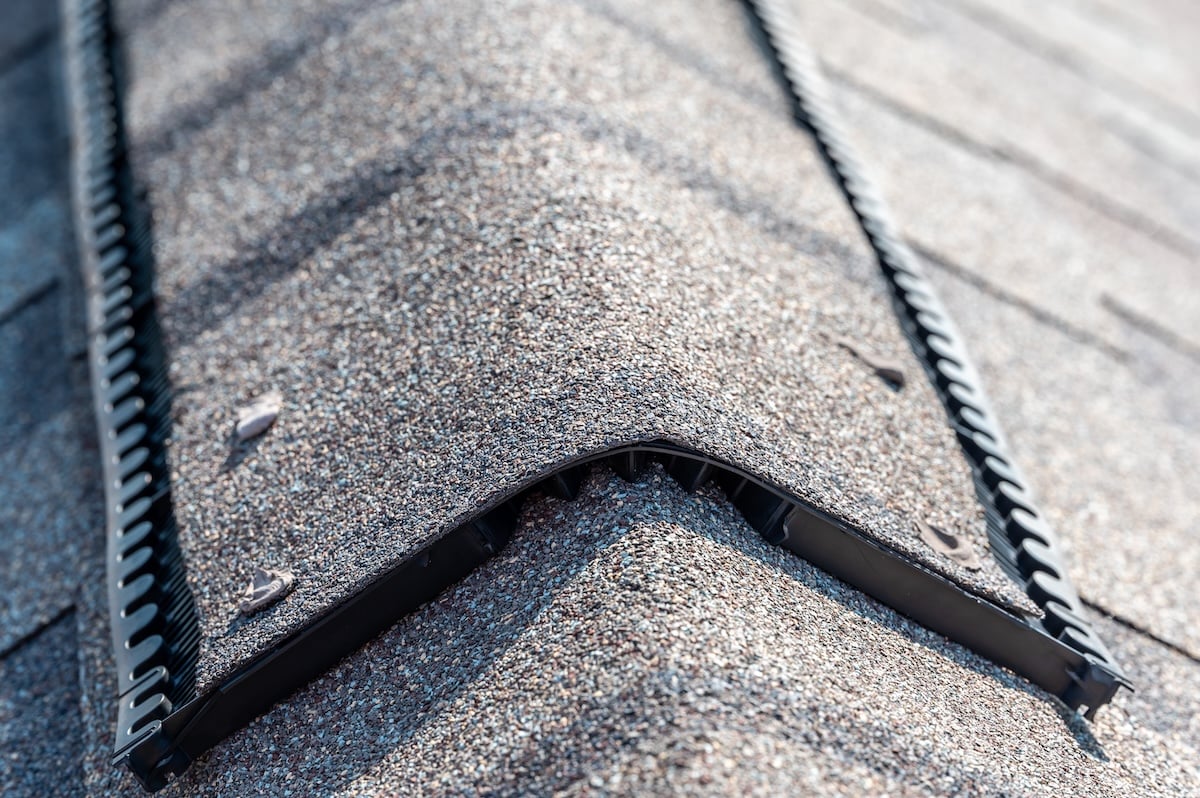
1. Ridge Vents
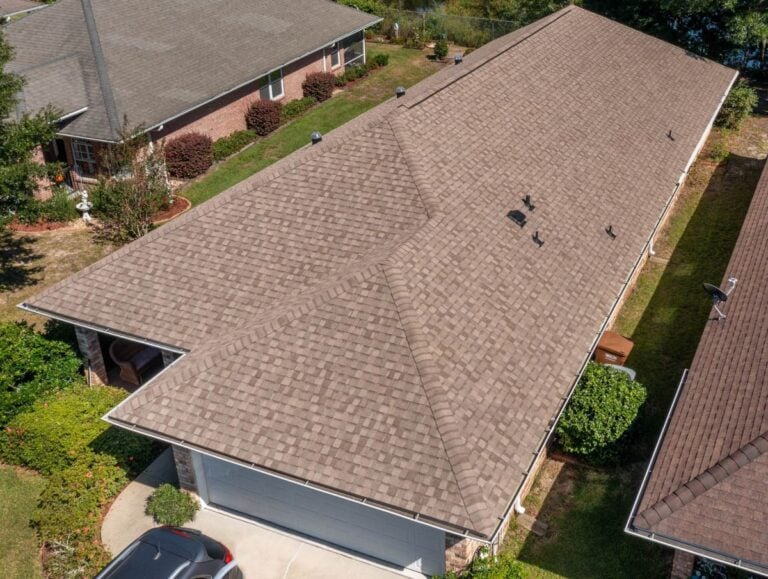
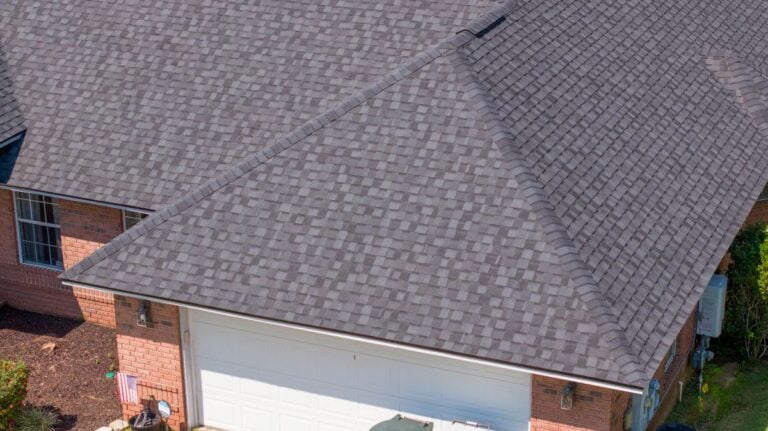
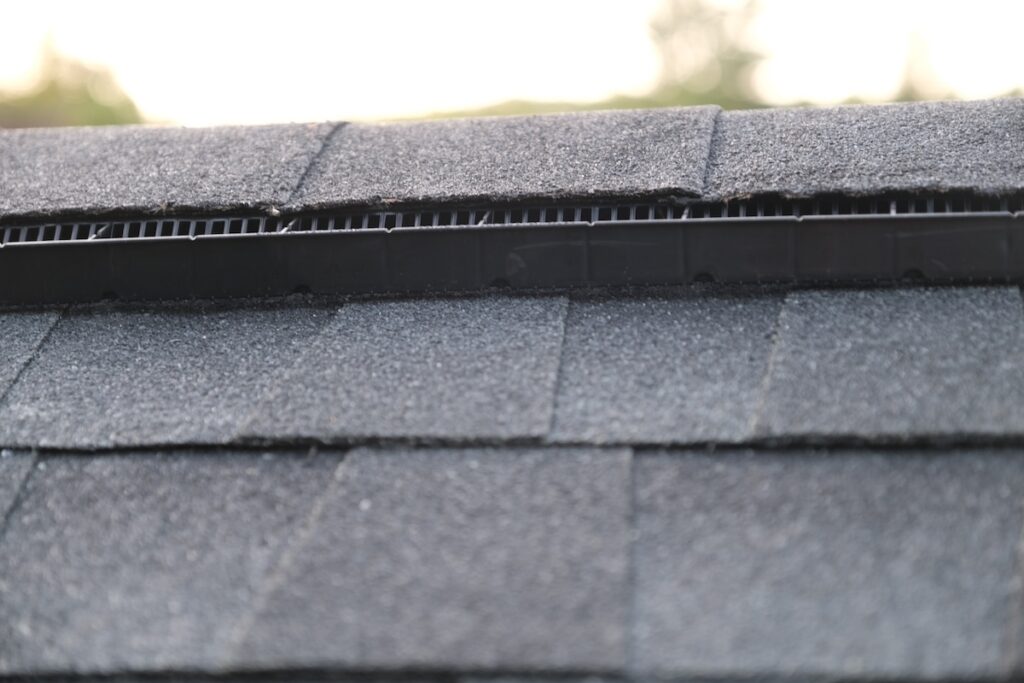
Ridge vents are installed along the peak (ridge) of your roof, allowing warm air to escape evenly across the entire length of the attic.
- Seamless design: Blends into the roofline for a clean, finished look.
- Consistent airflow: Provides even ventilation from end to end.
- Low maintenance: No moving parts to service or replace.
Ridge vents work best when paired with continuous soffit vents to allow proper air intake. This combination is popular in modern roofing systems for its efficiency and subtle appearance.
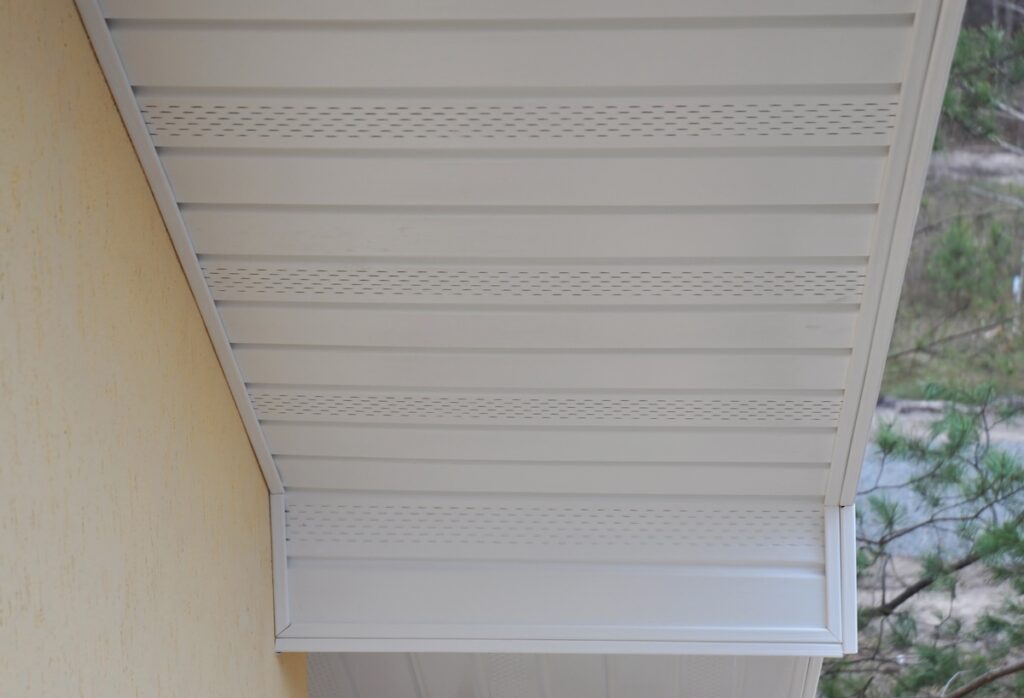
2. Soffit Vents
Soffit vents are installed underneath the roof’s overhang, allowing cool, fresh air to enter the attic. They serve as the intake portion of the ventilation system.
- Improved airflow: Feeds cool air into the attic as warm air escapes above.
- Moisture control: Reduces condensation that leads to mold and wood rot.
- Versatility: Available in aluminum, vinyl, and continuous strip styles.
For homes in Pensacola Beach and surrounding areas, soffit vents are essential due to high humidity. Proper intake ensures the attic stays balanced and helps prevent heat buildup in the summer.
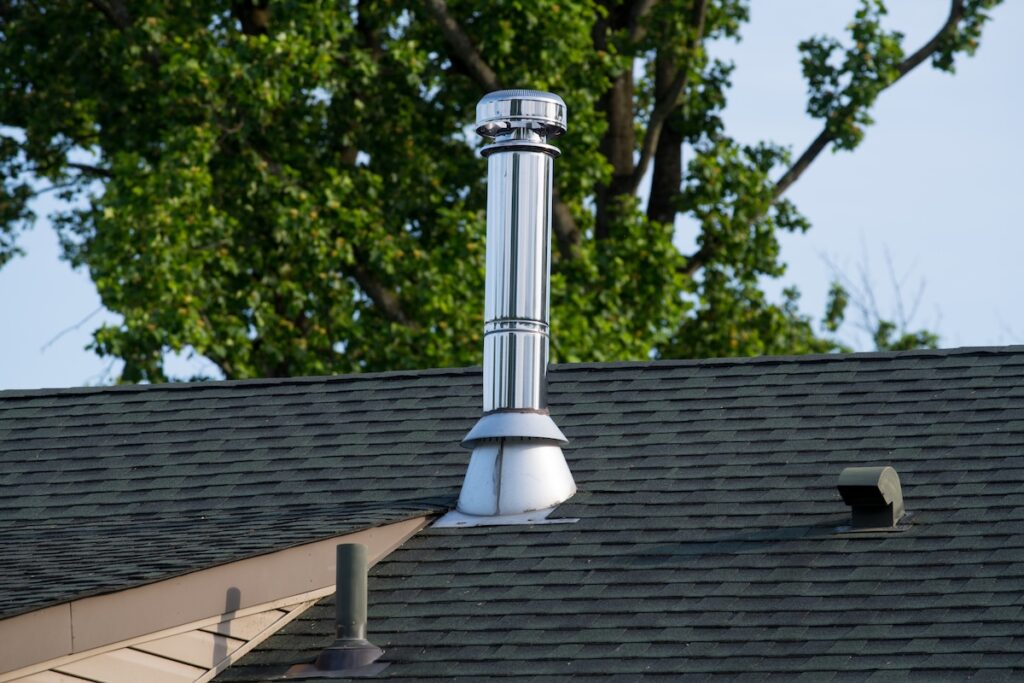
3. Box Vents (Static Vents)
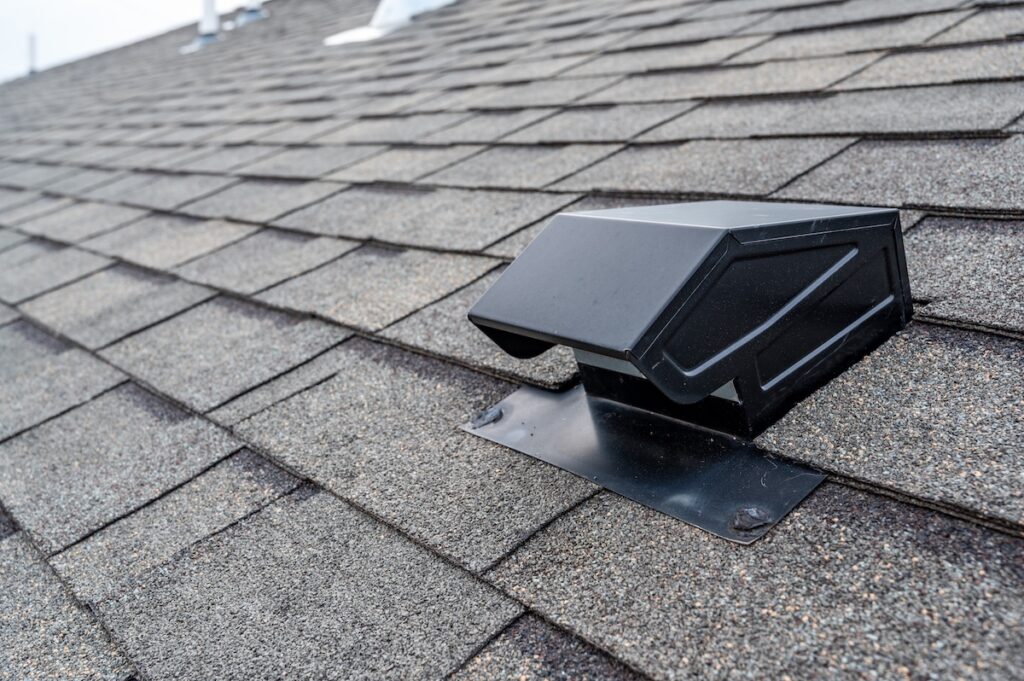
Box vents—also called louver vents or static vents—are simple openings placed near the roof ridge to let hot air escape naturally.
- Low-cost solution: Affordable and easy to install.
- No electricity needed: Uses natural convection to move air.
- Ideal for small roofs: Works well on homes without long ridgelines.
While they may not provide as much airflow as ridge vents, box vents can be effective when spaced evenly across the roof. They’re a reliable option for simple roof designs or budget-conscious homeowners.
4. Powered Attic Vents
Powered attic vents, or attic fans, use electric or solar-powered motors to pull hot air out of the attic. They’re especially useful for homes in very hot climates.
- Active ventilation: Quickly removes heat and moisture buildup.
- Energy options: Available in both solar and hardwired versions.
- Custom control: Can be set on timers or thermostats for efficiency.
However, it’s important that powered vents are installed carefully to avoid disrupting natural airflow. A professional roofer ensures these systems work in harmony with intake vents rather than against them.
How to Choose the Right Roof Vent
Selecting the right ventilation system depends on your roof’s design, size, and local climate.
Consider Roof Shape and Size
Gable, hip, and flat roofs each have different ventilation needs. Ridge vents work well on long rooflines, while box vents are better suited for smaller or irregular layouts.
Evaluate Attic Space
A large attic may require multiple exhaust vents or a combination of systems. Professionals calculate the correct ratio of intake to exhaust to keep airflow balanced.
Think About Energy Efficiency
In Florida’s heat, vents that improve air circulation can lower attic temperatures by up to 30 degrees, reducing strain on your HVAC system. Solar-powered fans are also a great energy-saving option for eco-conscious homeowners.
Choose the Right Materials
Metal vents hold up best in coastal areas like Pensacola Beach and surrounding areas because they resist rust and withstand wind-driven rain. Vinyl is a more affordable option but may warp in extreme heat.
Common Roof Vent Mistakes
Even the best vents won’t work properly if installed incorrectly. Avoid these common ventilation mistakes:
Blocking Airflow
Never cover soffit vents with insulation or paint. Obstructed vents trap moisture and cause attic mold or wood rot.
Mixing Vent Types Improperly
Combining incompatible systems, such as ridge vents with box vents, can disrupt airflow. Stick to one primary exhaust type and balance it with adequate intake vents.
Ignoring Intake
Homeowners often focus on exhaust vents but forget intake. Without sufficient intake through soffits or gable vents, air can’t circulate properly, making the ventilation system ineffective.
Neglecting Maintenance
Leaves, nests, and debris can block vents over time. Annual cleaning helps maintain efficiency and prevents airflow restriction.
Professional Roof Vent Installation
Proper ventilation requires precise calculations and expert installation. Roofing professionals measure attic size, calculate vent area, and ensure intake and exhaust are balanced. This ensures the system performs efficiently year-round.
- Accurate placement: Ensures vents are installed for maximum airflow.
- Weatherproof sealing: Prevents leaks and moisture intrusion.
- Code compliance: Meets Florida building standards for ventilation and energy efficiency.
A local roofer familiar with Pensacola Beach’s climate can also recommend the best materials and designs to resist corrosion and withstand high winds.
Benefits of a Well-Ventilated Roof
A balanced roof ventilation system offers multiple long-term advantages:
- Extended roof life: Prevents shingle warping, cracking, and blistering.
- Improved indoor comfort: Reduces attic heat transfer into living spaces.
- Energy savings: Lowers HVAC usage and utility bills.
- Moisture control: Stops mold and mildew from forming in insulation and rafters.
For homeowners in coastal Florida, proper ventilation also protects against the high humidity that often leads to premature roof aging.
Breathe Easy With Quality Roofing Solutions
Your attic and roofing system rely on effective ventilation to perform at their best. Whether you’re upgrading an older system or planning a new installation, choosing the right roof vent can make a major difference in comfort, energy efficiency, and roof longevity.
At Quality Roofing Solutions, we help homeowners in Pensacola Beach and surrounding areas find the best ventilation setup for their homes. Our experienced team installs all types of roof vents, ensuring balance, durability, and performance you can rely on.Contact us today for a free estimate and start improving your home’s airflow with expert guidance.