 (850) 753-0041


Why New Roof Shingles Are Not Laying Flat (Fixes & Tips)
March 5, 2026
6 minutes Read
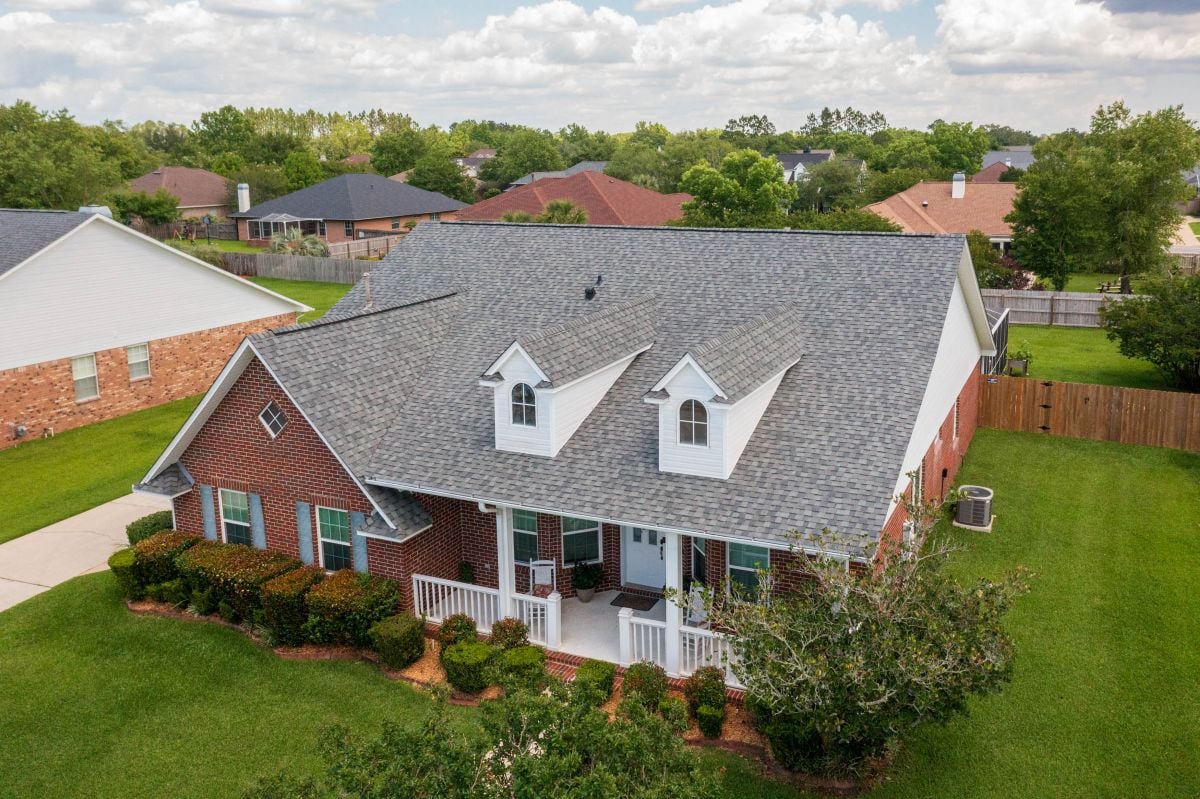
New roof shingles not laying flat is a common concern for homeowners after a roof installation or replacement. Seeing shingles appear raised, uneven, or slightly lifted can be unsettling, especially when the roof is brand new. Understanding why this happens and when it is normal versus when it signals a problem helps homeowners protect their investment and avoid unnecessary stress.
- Installation timing: Some shingle lifting is expected early on.
- Material behavior: Shingles respond to temperature and sunlight.
- Early identification: Knowing the cause helps prevent long term issues.
Why New Shingles Don’t Always Lay Flat Right Away
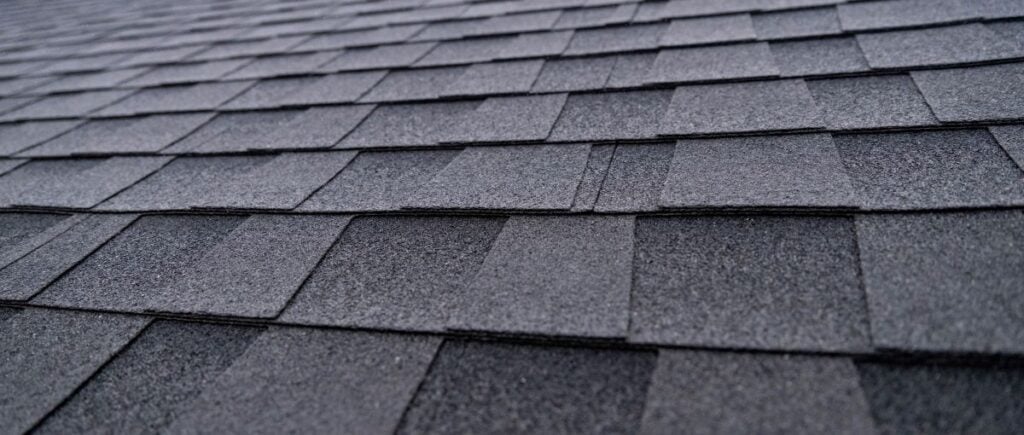
Shingles are manufactured and packaged in bundles, which means they are not always perfectly flat when first installed. Once placed on the roof, they need time and environmental exposure to settle into position.
In many cases, sunlight and warmer temperatures activate the self sealing adhesive strips on the shingles. As this happens, the shingles gradually adhere to the roof surface and flatten naturally over time. This process can take several days or even a few weeks depending on weather conditions.
When Shingle Lifting Is Considered Normal
Not all raised shingles indicate a problem. There are several situations where temporary lifting is expected and resolves on its own.
Shingles installed during cooler weather may take longer to seal because heat is required to activate the adhesive. Additionally, thicker architectural shingles often take more time to relax and settle compared to thinner three tab shingles.
- Cool weather installations: Slower adhesive activation.
- Recent installation: Shingles may need time to settle.
- Thicker shingle design: Requires more heat to flatten fully.
Monitoring the shingles over time helps determine whether the issue is temporary or ongoing.
3 Signs That New Shingles Not Laying Flat Is a Problem
While some lifting is normal, certain warning signs suggest a deeper issue that should not be ignored. Persistent lifting can lead to leaks, wind damage, and premature roof wear.
If shingles remain raised long after installation or appear uneven across large sections of the roof, further evaluation may be necessary. These issues often point to installation errors or material problems.
- Persistent lifting: Shingles remain raised after several weeks.
- Uneven patterns: Irregular alignment across the roof.
- Loose edges: Shingles move easily when touched.
Recognizing these signs early helps prevent more serious damage.
Common Causes of New Shingles Not Laying Flat
Several factors can contribute to shingles failing to settle properly. Understanding these causes makes it easier to identify appropriate fixes.
Installation errors are among the most common reasons shingles do not lay flat. Environmental conditions and roof structure can also play a role.
Improper Nailing Techniques
Correct nail placement is essential for shingles to lay flat and seal properly. Nails that are overdriven, underdriven, or misplaced can prevent shingles from seating correctly.
Improper nailing and installation often leads to raised shingle edges or uneven courses. Over time, these issues can worsen as wind and weather apply pressure.
- Overdriven nails: Damage shingle material and reduce hold.
- Underdriven nails: Prevent shingles from lying flat.
- Incorrect nail placement: Interferes with sealing strips.
Proper fastening is critical for long term performance.
Poor Shingle Alignment
Architectural shingles require precise alignment during installation. If shingles are installed out of pattern or spacing guidelines are ignored, they may not lay flat.
Misalignment creates uneven pressure points that prevent shingles from settling. This can also affect the overall appearance of the roof.
- Incorrect offsets: Causes uneven layering.
- Inconsistent exposure: Creates visible ridges.
- Pattern errors: Disrupt shingle sealing.
Alignment issues are often visible from the ground.
Temperature and Weather Conditions
Weather during installation has a major impact on how shingles behave afterward. Cold temperatures slow the activation of adhesive strips, while moisture can interfere with sealing.
Shingles installed in cold or overcast conditions may require extended time to flatten fully. In some cases, manual sealing may be necessary.
- Cold temperatures: Delay adhesive bonding.
- Limited sun exposure: Slows natural sealing.
- High humidity: Can affect adhesion.
Seasonal timing plays a role in shingle behavior.
Roofing Deck Issues
The surface beneath the shingles must be flat and secure. Any irregularities in the roof deck can transfer to the shingles above.
Warped decking, uneven sheathing, or leftover debris can prevent shingles from lying flat. These issues typically require corrective work beneath the shingles.
- Uneven decking: Causes visible shingle distortion.
- Loose sheathing: Allows movement under shingles.
- Deck damage: Prevents proper shingle seating.
Deck issues often require professional attention.
Manufacturing Defects
Although less common, manufacturing defects can cause shingles to curl or resist flattening. This may affect multiple shingles across the roof.
Defective shingles often show consistent curling patterns rather than isolated issues. Manufacturer warranties may apply in these situations.
- Curling edges: Consistent across multiple shingles.
- Material stiffness: Prevents settling.
- Batch defects: Affect entire sections of the roof.
Identifying defects early helps determine next steps.
How to Fix New Shingles That Aren’t Laying Flat
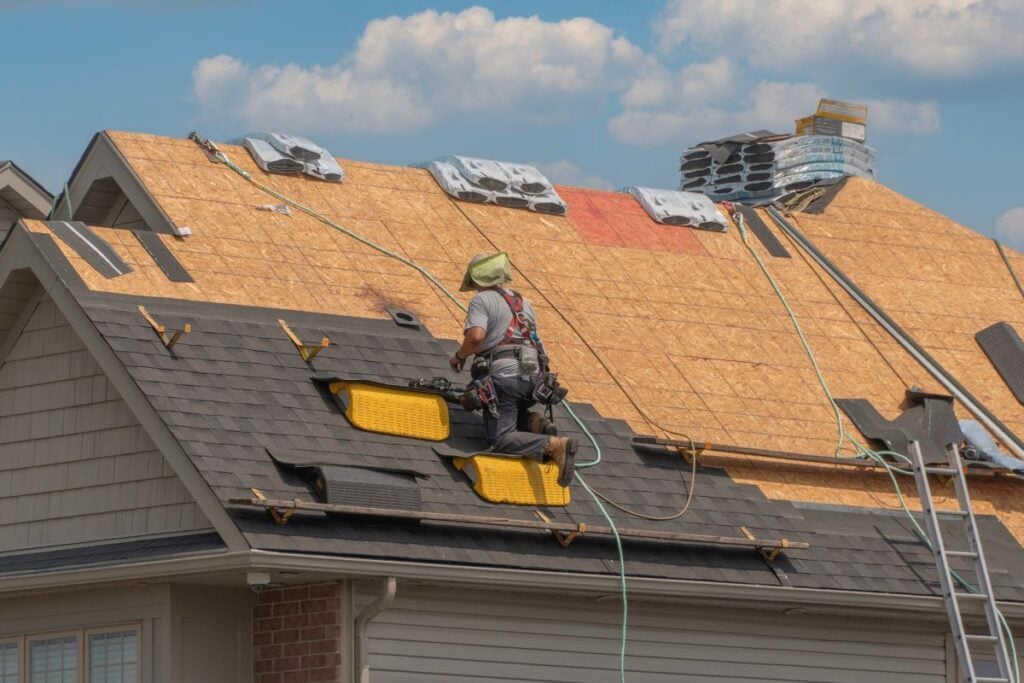
The appropriate fix depends on the underlying cause. Some solutions are simple, while others require corrective installation work.
In many cases, allowing time for the shingles to seal naturally is sufficient. Other situations require targeted intervention.
Allow Time for Natural Sealing
Sun exposure is often enough to activate shingle adhesives. As temperatures rise, shingles flatten and bond to the roof surface.
Homeowners should monitor the roof over several weeks before assuming a problem exists, especially if installation occurred during cooler weather.
Manual Sealing When Necessary
In certain cases, shingles may need manual sealing using approved roofing adhesive. This helps activate the seal when weather conditions are not ideal.
Manual sealing should be done carefully to avoid damaging shingles or voiding warranties.
- Targeted adhesive use: Applies only where needed.
- Manufacturer approved products: Maintains warranty coverage.
- Controlled application: Prevents over bonding.
This approach is typically used sparingly.
Correcting Installation Errors
If improper installation is the cause, corrective work may be required. This can include re nailing, realigning shingles, or replacing affected sections.
Fixing these issues early helps prevent wind damage and leaks later.
Preventing Shingle Lifting in the Future
Understanding proper installation practices helps reduce the risk of shingle lifting on future projects.
- Correct installation timing: Avoid extreme cold when possible.
- Proper fastening: Follow manufacturer guidelines.
- Deck preparation: Ensure flat, secure surfaces.
Prevention begins with attention to detail.
When to Be Concerned and Take Action
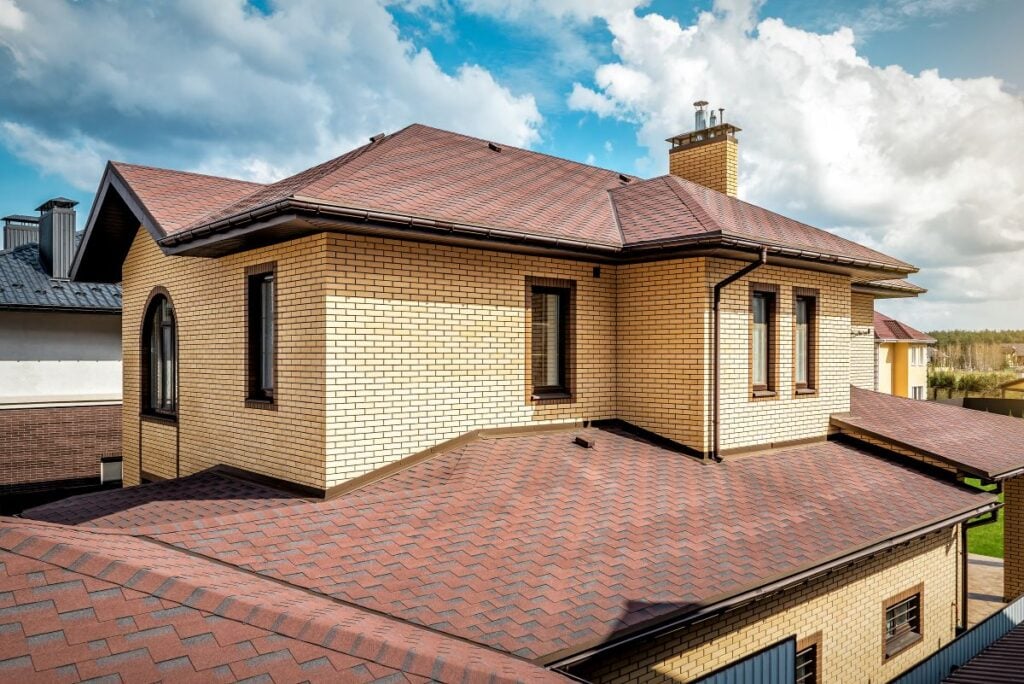
Homeowners should take action if shingles remain raised after sufficient time and favorable weather conditions. Persistent issues can compromise roof performance.
Ignoring the problem increases the risk of water intrusion and wind damage. Early evaluation helps protect the roof investment.
How Long It Takes for Shingles to Lay Flat
Most new shingles lay flat within a few weeks of installation under normal weather conditions. Thicker shingles or cooler climates may extend this timeframe.
Monitoring progress over time helps determine whether additional steps are needed.
Protecting Your Roofing Investment
A new roof represents a significant investment, and understanding how shingles behave after installation helps homeowners feel confident in their decision. Most cases of shingles not laying flat resolve naturally with time and proper conditions.
If you are concerned about new roof shingles not laying flat or want guidance on next steps, reach out to Quality Roofing for expert advice and solutions tailored to you.