 (850) 753-0041


How to Get Insurance to Pay for Roof Replacement (5 Tips)
December 5, 2025
7 minutes Read
Understanding how to get insurance to pay for roof replacement can be confusing, especially after storm damage or years of natural wear. While coverage varies widely based on your policy, roof age, and the type of damage, homeowners can take a few general steps to navigate the process more smoothly. The goal is to document damage accurately, follow procedures carefully, and communicate clearly with your insurance company.
- Documentation: Keep records and photos of your roof’s condition.
- Communication: Notify your insurer promptly after damage.
- Preparation: Review your policy before filing a claim.
Understanding How Roof Insurance Works
Roof insurance coverage depends on several key factors, including the cause of the damage and the age of your roof. Most homeowners’ policies cover sudden events like wind, hail, or falling debris but may exclude wear-and-tear or maintenance-related issues.
For residents in Gulf Breeze and surrounding areas, where storms and hurricanes are common, it’s important to know what your policy includes. Some policies distinguish between “actual cash value” and “replacement cost value”—a difference that can significantly affect your payout.
Understanding your coverage type before damage occurs can prevent surprises later.
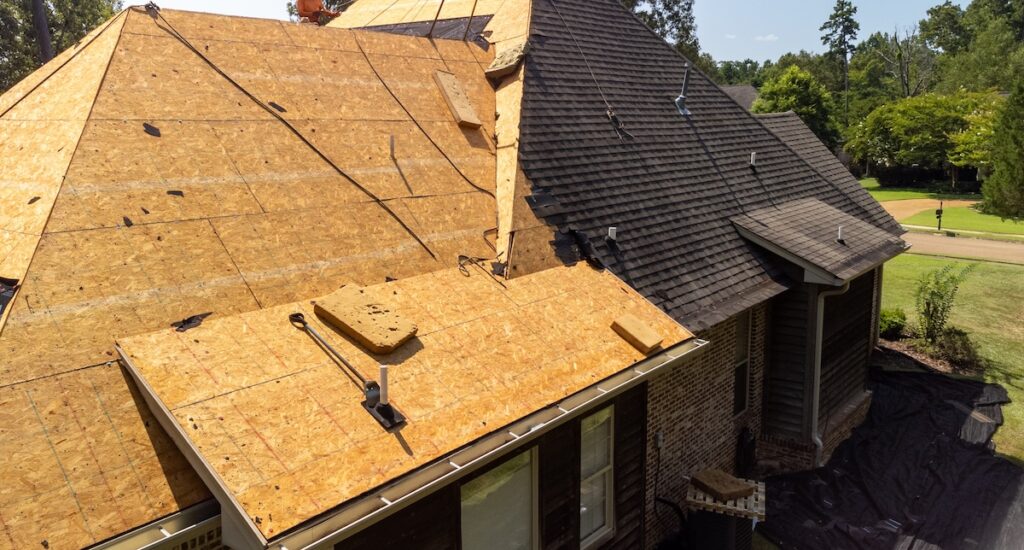
5 Tips to Help You Navigate a Roof Insurance Claim
While every insurance policy and situation is unique, these general tips can help guide homeowners through the typical process of filing a roof claim.
1. Review Your Policy in Advance
Before damage occurs, review your insurance policy carefully.
Check whether your policy covers roof replacement for storm or wind damage, and note any exclusions or deductibles that may apply. Understanding the terms upfront will make it easier to respond quickly and appropriately if damage happens later.
If you live in coastal areas like Gulf Breeze and surrounding areas, your policy may have separate hurricane or windstorm deductibles. Knowing these details ahead of time helps you prepare financially for potential out-of-pocket expenses.
2. Document Roof Condition and Damage
Thorough documentation is one of the most important parts of the claims process.
Take clear photos or videos of your roof before and after any major weather event. Capture multiple angles, including areas around vents, flashing, and gutters. If possible, date your photos or store them digitally with timestamps for verification.
Documentation helps provide evidence that damage was caused by a specific event rather than gradual wear. Keep repair receipts and previous inspection reports in case your insurer requests proof of maintenance.
3. Notify Your Insurance Company Promptly
Most insurance policies require you to report damage within a certain timeframe. Prompt reporting helps ensure your claim isn’t delayed or denied due to late notification.
When contacting your insurer, provide clear information about the type of event (for example, windstorm or hail) and the approximate date it occurred. Avoid making temporary repairs until after an adjuster has inspected the property, unless the damage poses immediate safety risks.
In Florida’s storm-prone regions, quick reporting is especially important because many insurers receive a high volume of claims after severe weather events. Acting early helps secure a faster inspection and claim review.
4. Prepare for the Insurance Adjuster’s Visit
Once your claim is filed, your insurance company will typically send an adjuster to assess the damage.
Be ready to point out visible problem areas such as missing shingles, dents, or leaks. Having your own photos and notes on hand can make the discussion more accurate and transparent. Adjusters evaluate whether the roof damage qualifies for coverage and estimate repair or replacement costs based on policy guidelines.
It’s a good idea to be present during the inspection if possible. This ensures you understand the findings and can clarify any details about your roof’s condition or maintenance history.
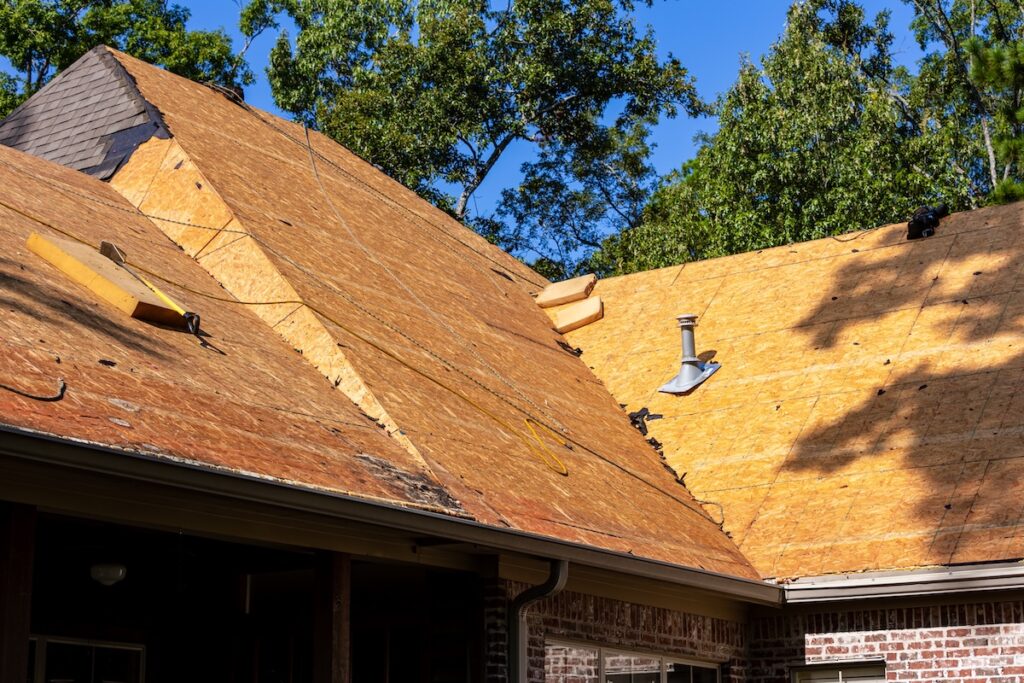
5. Keep Organized Records Throughout the Process
Maintaining detailed records helps you stay organized and ensures smoother communication.
Keep a file with all claim-related documents, including your policy, inspection reports, adjuster notes, and correspondence with your insurance company. Save digital copies of photos, estimates, and claim forms.
If your claim is delayed or requires clarification, having organized records makes it easier to track updates and respond efficiently. Staying proactive and keeping clear records can also help if you ever need to reference the claim in the future.
Common Factors That Affect Roof Insurance Claims
Even when following the right steps, certain factors can influence the outcome of a roof replacement claim.
Roof Age
Many insurers reduce coverage as roofs age. For example, a 20-year-old roof may receive a smaller payout compared to a newer one. Some policies cover full replacement for newer roofs but only partial reimbursement for older systems.
Type of Damage
Damage caused by storms or falling debris is more likely to be covered than issues resulting from neglect or poor maintenance. Routine upkeep, such as cleaning gutters and inspecting shingles, demonstrates responsible ownership that insurers often expect.
Policy Deductibles and Limits
Every policy includes deductibles—the amount you pay before coverage begins—and limits on how much can be reimbursed. Understanding these numbers helps you estimate your potential out-of-pocket costs.
Local Building Codes
In areas like Gulf Breeze and surrounding communities, updated building codes may require stronger materials or additional features during replacement. Some policies include code upgrade coverage, while others do not. Always check your policy details.
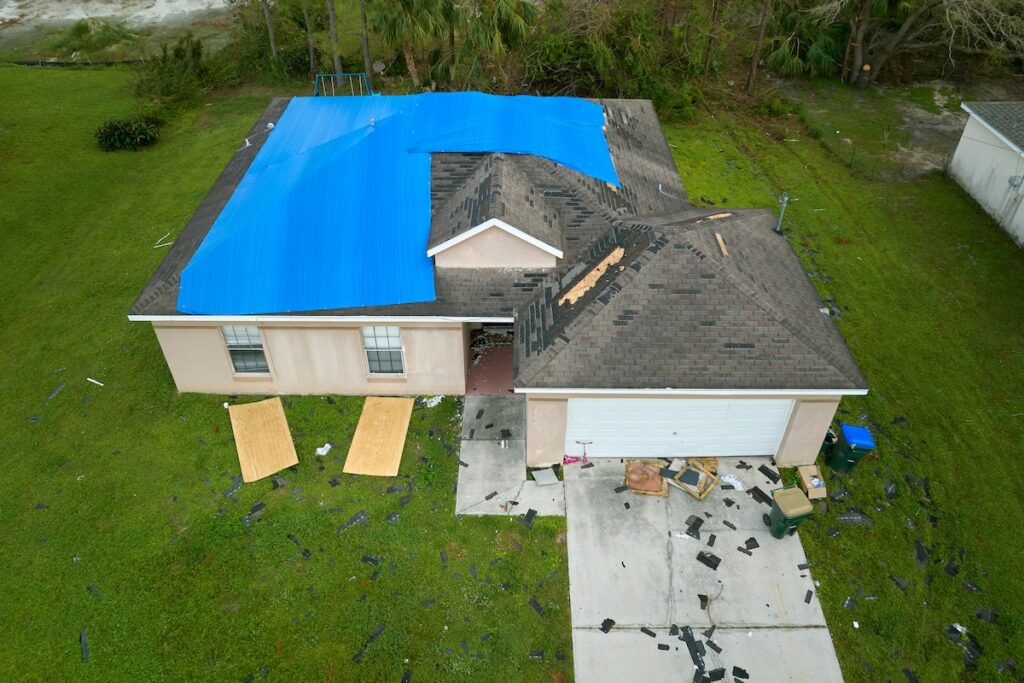
How Weather Events Impact Florida Homeowners
Florida homeowners face unique challenges when it comes to roof insurance claims. Frequent hurricanes, tropical storms, and high humidity accelerate roof wear, making insurance documentation especially important.
After major weather events, insurers often experience claim surges, leading to inspection delays. Having your documentation ready can help streamline this process. It also helps to schedule regular roof inspections between storm seasons to keep maintenance records current.
Avoiding Common Mistakes During a Claim
Filing an insurance claim can be stressful, but avoiding a few common errors can make the experience smoother.
- Waiting too long to report damage: Late claims may not qualify for coverage.
- Making permanent repairs too early: Repairs before inspection can complicate claim validation.
- Not understanding exclusions: Knowing what’s covered and what’s not helps prevent surprises later.
- Poor documentation: Lack of evidence may delay or reduce claim approval.
By taking careful, well-documented steps, homeowners can reduce the likelihood of claim disputes and ensure the process goes as smoothly as possible.
Understanding Your Role in the Process
Insurance claims are ultimately handled between the homeowner and the insurance company. Your role is to provide accurate information, maintain communication, and follow the steps outlined in your policy.
Every insurer has its own procedures, and rules can vary depending on your provider and policy type. Being informed, organized, and proactive helps you navigate the process with confidence.
Navigating Payouts and Depreciation
As you finalize your claim, it is important to understand how your insurance company calculates the actual check you receive. For many homeowners, the total payout is split into multiple payments; learning how to handle roof insurance recoverable depreciation ensures you know how to claim the remaining funds held back by your insurer once the replacement is successfully completed.

Staying Prepared for the Future
Even if your roof is currently in good condition,staying prepared for potential weather events is key to protecting your home and finances.
Keep your insurance documents in a safe, accessible place. Schedule periodic roof inspections to catch early signs of wear. And after any major storm, perform a quick visual check of your property from the ground for missing shingles or visible damage.
For homeowners in Gulf Breeze and surrounding areas, preparation, documentation, and awareness are the best tools for handling roof insurance matters effectively.