 (850) 753-0041


How to Clean a Metal Roof (6 Tools & Safety Tips)
February 12, 2026
5 minutes Read
Learning how to clean a metal roof properly helps homeowners protect their investment while maintaining curb appeal and long-term performance. Metal roofs are durable, but improper cleaning methods can scratch finishes, loosen fasteners, or create safety hazards. Understanding the right tools and safety practices ensures cleaning is effective without causing unnecessary damage.
- Surface protection: Preserves protective coatings and finishes.
- Visual improvement: Removes dirt, algae, and buildup safely.
- Longevity support: Reduces premature wear and corrosion risks.
Why Proper Metal Roof Cleaning Matters
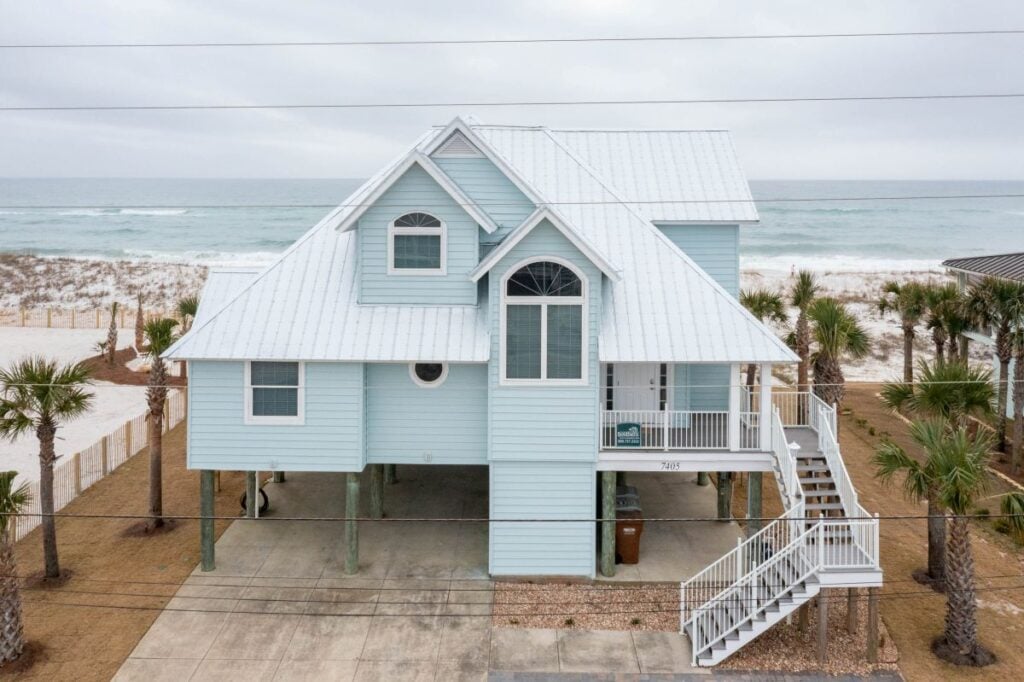
Metal roofs are designed to withstand harsh weather, but they still require occasional cleaning to perform at their best. Dirt, pollen, salt residue, and organic growth can accumulate over time, especially in humid or coastal environments. If left untreated, buildup can trap moisture and affect the roof’s protective coating.
For homeowners in Gulf Breeze and surrounding areas, salt air and frequent rain make gentle, informed cleaning especially important. Using the right approach helps maintain appearance and prevents avoidable surface damage.
Common Mistakes to Avoid When Cleaning a Metal Roof
Many metal roof issues occur during cleaning rather than from weather exposure. High pressure, abrasive tools, and harsh chemicals can all shorten the lifespan of a metal roof.
Scrubbing aggressively or using improper equipment can scratch finishes and expose bare metal. Once protective coatings are compromised, corrosion becomes more likely, making correct cleaning methods essential.
6 Tools and Safety Tips for Cleaning a Metal Roof
The following tools and safety practices help homeowners clean metal roofs effectively while minimizing risk to both the roof and personal safety.
1. Soft-Bristle Brush or Non-Abrasive Pad
Metal roof finishes are durable but not scratch-proof. Using gentle tools helps protect the surface.
- Non-abrasive design: Prevents scratching or coating damage.
- Controlled cleaning: Removes dirt without excessive pressure.
- Finish protection: Preserves factory-applied coatings.
Avoid wire brushes or stiff bristles, which can permanently damage the roof surface.
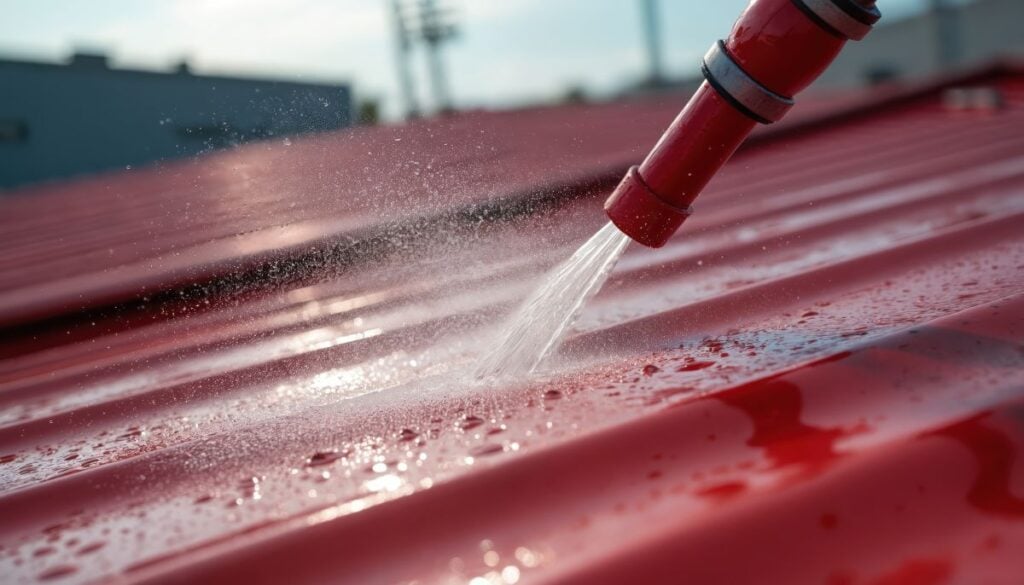
2. Low-Pressure Garden Hose
Water pressure should always be controlled when cleaning a metal roof. High pressure can force water into seams or under panels.
- Gentle rinsing: Safely removes loosened debris.
- Seam protection: Reduces risk of water intrusion.
- Controlled flow: Maintains safe cleaning conditions.
Low pressure is sufficient for most routine metal roof cleaning tasks.
3. Roof-Safe Cleaning Solution
Not all cleaners are suitable for metal roofing. Harsh chemicals can corrode metal or degrade protective finishes.
- pH-balanced formulas: Safe for coated metal surfaces.
- Residue control: Cleans without leaving damaging buildup.
- Material compatibility: Designed specifically for roofing applications.
Always check product labels to ensure compatibility with metal roofing.
4. Proper Ladder and Access Equipment
Safe access is critical when working on or near the roof. Improper ladder placement increases fall risk.
- Stable ladder placement: Prevents shifting during use.
- Correct ladder height: Allows safe access without overreaching.
- Secure footing: Reduces slip hazards.
Access equipment should always be positioned on level, stable ground.
5. Non-Slip Footwear and Safety Gear
Metal roofs can become slippery when wet. Proper footwear and safety gear reduce the risk of falls.
- Non-slip shoes: Improve traction on smooth metal surfaces.
- Safety gloves: Protect hands from sharp edges.
- Harness use: Adds protection on steeper slopes.
Safety gear is essential regardless of roof height or project size.
6. Proper Weather Planning
Weather conditions play a major role in safe roof cleaning. Poor timing increases risks.
- Dry conditions: Reduce slipping hazards.
- Mild temperatures: Prevent rapid evaporation or streaking.
- Low wind: Keeps cleaning solutions controlled.
Planning around weather improves both safety and cleaning effectiveness.
Step-By-Step Overview of the Cleaning Process
While methods vary slightly based on roof design, most metal roof cleaning follows a similar process. Understanding the sequence helps homeowners avoid unnecessary risks.
Cleaning typically begins by rinsing loose debris, followed by applying a roof-safe cleaning solution. Gentle agitation with soft tools removes buildup, and a final rinse clears residue. Working in small sections helps maintain control and consistency.
How Often a Metal Roof Should Be Cleaned
Metal roofs do not require frequent cleaning to remain functional. Overcleaning can be just as harmful as neglect.
Most homeowners clean their metal roof only when visible buildup appears. In areas like Gulf Breeze and surrounding areas, salt residue or algae growth may require occasional attention, but gentle methods should always be prioritized over frequency.
Warning Signs of Improper Cleaning Damage
Damage caused during cleaning may not be obvious right away. Knowing what to look for helps homeowners catch issues early.
- Scratched finishes: Indicates abrasive tools were used.
- Loose fasteners: May result from excessive pressure.
- New leaks: Suggest water intrusion during cleaning.
If these signs appear, further evaluation may be needed.
When Metal Roof Cleaning Should Be Avoided
There are times when cleaning a metal roof is not advisable. Attempting to clean during unsafe conditions can create more problems than it solves.
Roofs with loose panels, damaged seams, or active leaks should not be cleaned until repairs are addressed. Similarly, very old or weathered coatings may be too fragile for cleaning without professional guidance.
Maintaining Your Metal Roof the Smart Way
Proper cleaning is just one part of metal roof care. Routine inspections, debris removal, and avoiding unnecessary foot traffic all support long-term performance.
A careful, informed approach helps preserve both appearance and function. Understanding what tools to use and what to avoid makes a significant difference in roof lifespan.
Clean Safely and Protect Your Roof Investment
Knowing how to clean a metal roof safely helps homeowners maintain their roof without causing accidental damage. The right tools and safety practices protect both the roof and the person performing the work.
If you have questions about metal roof care or want guidance on safe maintenance practices, reach out to Quality Roofing for expert advice and solutions tailored to your specific needs.