 (850) 753-0041


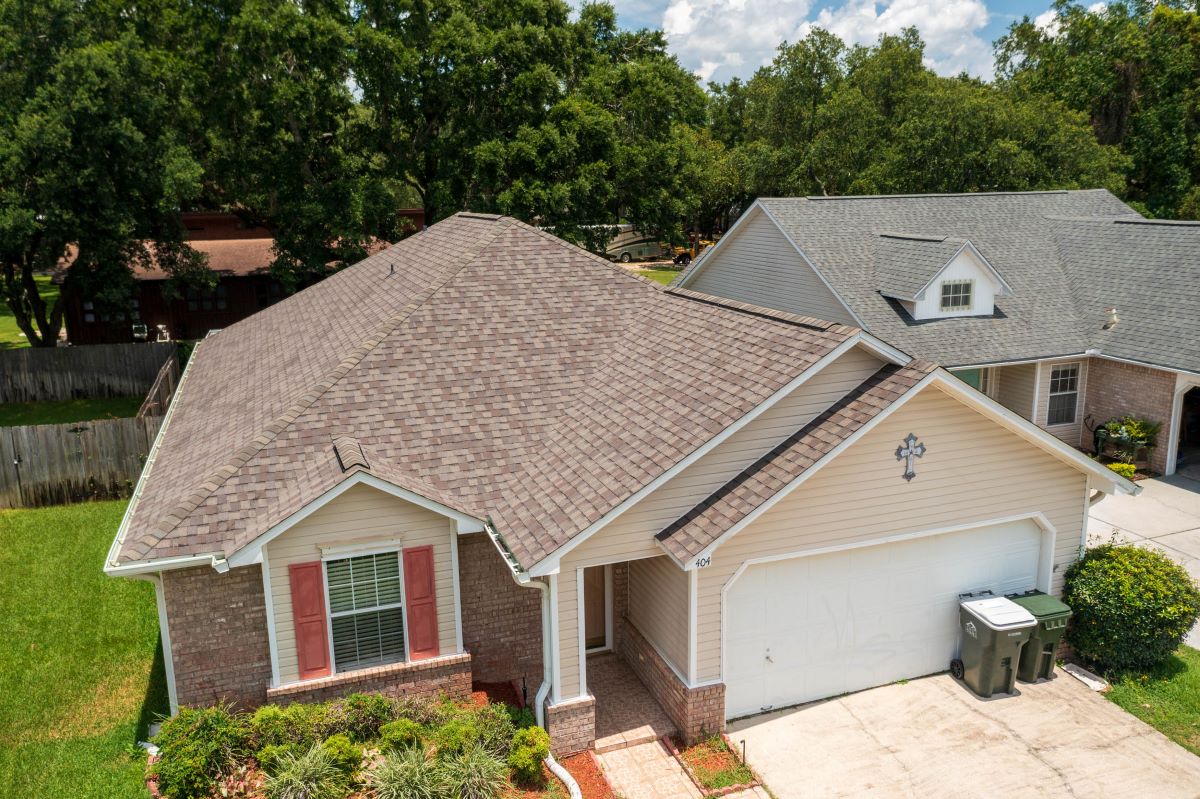
Hip vs Gable Roof: Which One Is Right For You?
January 7, 2026
5 minutes Read
When comparing roof designs, many homeowners ask whether a hip vs gable roof is the better choice for durability, appearance, and long-term performance. Both roof styles are common in residential construction and each offers distinct advantages depending on climate, home design, and personal preference. Understanding how these roof types differ helps homeowners make a confident decision that aligns with their needs and local conditions.
- Design impact: Roof shape affects appearance, drainage, and stability.
- Weather performance: Some styles handle wind and rain better than others.
- Cost considerations: Construction complexity influences overall expense.
Understanding Roof Design Basics
Roof shape plays a critical role in how a home handles weather, ventilation, and structural loads. While roofing materials get much of the attention, the design itself can influence maintenance needs, energy efficiency, and long-term durability. Choosing the right roof style means balancing appearance with performance.
For homeowners in Winter Garden and surrounding areas, roof design is especially important due to Florida’s wind, rain, and seasonal storm activity. Hip and gable roofs are both proven designs, but they behave differently under these conditions.

What Is a Gable Roof?
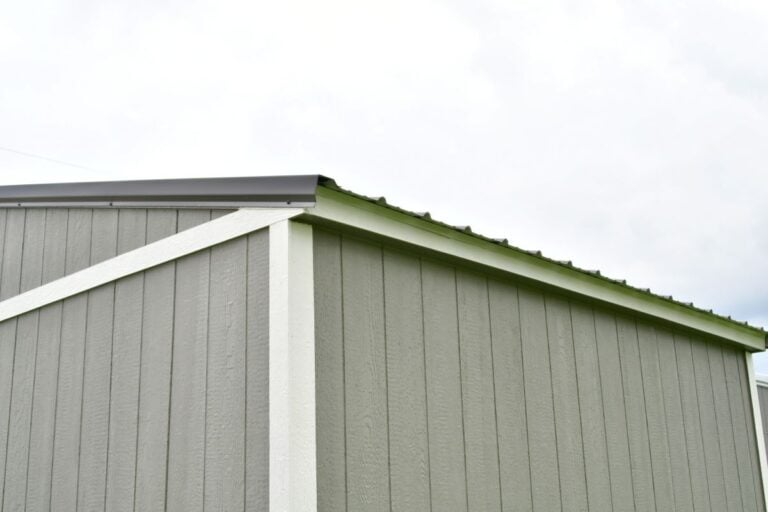
A gable roof is one of the most recognizable and traditional roof styles. It features two sloping sides that meet at a central ridge, forming a triangular shape at each end of the home.
Gable roofs are popular for their simplicity and classic appearance. Their design allows for efficient water runoff and provides ample attic space, which can improve ventilation and insulation options.
Advantages of a Gable Roof
Gable roofs offer several benefits that make them a popular choice for many homeowners.
- Simple construction: Straightforward design often results in lower building costs.
- Effective drainage: Steep slopes allow rainwater to shed quickly.
- Increased attic space: Creates room for storage or ventilation.
- Design flexibility: Works well with many architectural styles.
Because of their simplicity, gable roofs are often easier to repair and modify compared to more complex roof designs.
Potential Drawbacks of a Gable Roof
While gable roofs perform well in many situations, they do have limitations that homeowners should consider.
- Wind exposure: Large gable ends can catch strong winds.
- Structural stress: Poor bracing may lead to damage during storms.
- Overhang vulnerability: Extended eaves can be susceptible to uplift.
In high-wind regions, additional reinforcement may be required to improve performance.

What Is a Hip Roof?
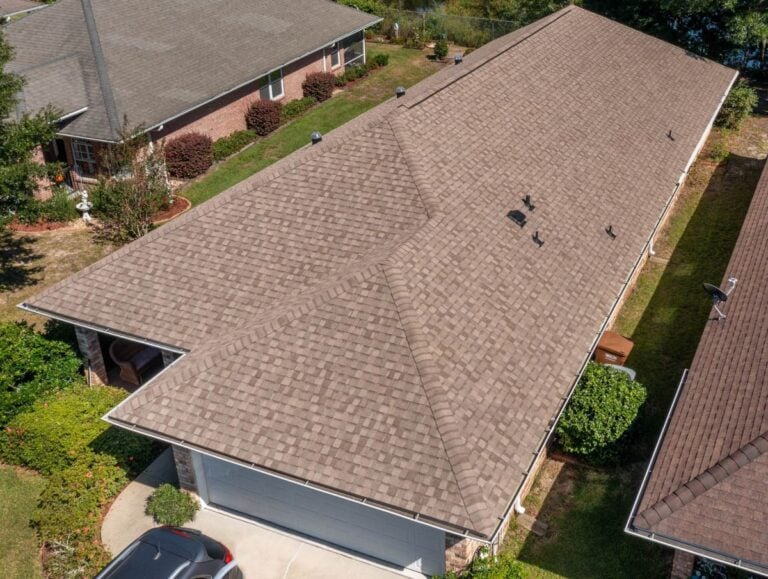
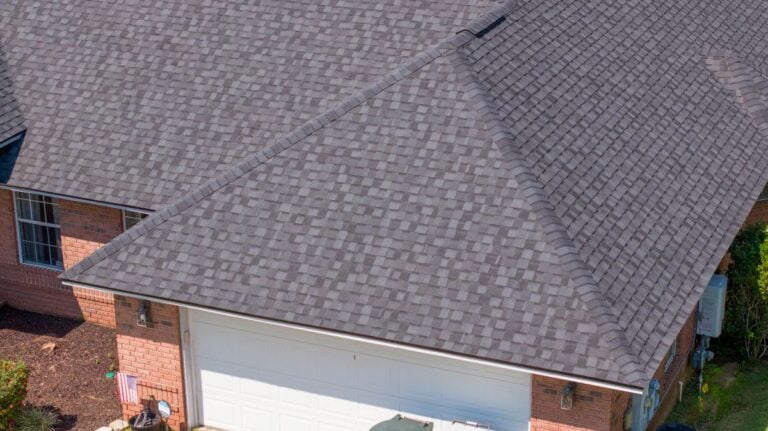
A hip roof slopes downward on all four sides, meeting at a ridge or a single point at the top. This design creates a more compact and aerodynamic roof shape.
Hip roofs are often chosen for their stability and uniform appearance. Because all sides slope inward, they distribute weight and wind pressure more evenly across the structure.
Advantages of a Hip Roof
Hip roofs offer several structural and performance-related benefits.
- Wind resistance: Sloped sides reduce wind uplift.
- Structural stability: Even weight distribution enhances strength.
- Improved durability: Performs well during storms and hurricanes.
- Consistent appearance: Creates a balanced, polished look.
In areas like Winter Garden and surrounding areas, hip roofs are often favored for their ability to handle strong winds and heavy rain.
Potential Drawbacks of a Hip Roof
Despite their strength, hip roofs also come with some trade-offs.
- Higher construction cost: More materials and labor are required.
- Reduced attic space: Sloping sides limit usable interior volume.
- Complex repairs: Additional seams and angles increase repair complexity.
These factors can influence both upfront costs and long-term maintenance planning.
Hip vs Gable Roof: Key Differences
Comparing hip and gable roofs side by side helps highlight how each design performs in real-world conditions. While both styles are effective, their differences matter depending on your priorities.
| Feature | Gable Roof | Hip Roof |
| Roof shape | Two sloping sides | Four sloping sides |
| Wind performance | Moderate | Strong |
| Construction cost | Lower | Higher |
| Attic space | More | Less |
| Drainage efficiency | Very good | Very good |
| Architectural style | Traditional | Balanced and modern |
These distinctions can help homeowners narrow down which option better suits their home and location.
How Climate Influences Roof Choice
Climate plays a major role in determining which roof style performs best over time. In regions with heavy snowfall, steep gable roofs help shed snow more easily. In contrast, areas prone to high winds often benefit from hip roof designs.
For Florida homeowners, wind resistance is a major consideration. Hip roofs generally perform better in storm conditions, while gable roofs may require additional bracing to meet local building standards.
Cost Considerations for Homeowners
Roof design impacts more than just appearance. It also affects construction time, material usage, and long-term maintenance costs.
Gable roofs typically cost less to build due to their simple framing. Hip roofs, while more expensive upfront, may offer long-term value through improved wind resistance and reduced storm-related damage.

Which Roof Style Fits Your Home?
Choosing between a hip and gable roof depends on several factors beyond personal preference. Home layout, neighborhood style, budget, and climate all play a role.
- Home design: Some architectural styles naturally favor one roof type.
- Budget: Gable roofs are generally more cost-effective initially.
- Weather exposure: Hip roofs offer added protection in windy areas.
- Future plans: Attic use or expansion may influence your choice.
Evaluating these elements together helps homeowners make a balanced decision.
Common Myths About Hip and Gable Roofs
Some homeowners believe one roof style is always superior to the other. In reality, both designs perform well when properly built and maintained.
Another misconception is that roof shape alone determines durability. Installation quality, materials, and maintenance practices often matter just as much as design choice.
Making a Confident Roofing Decision
Understanding the differences between hip and gable roofs allows homeowners to move forward with clarity and confidence. Each style offers proven benefits, and the right choice depends on how those benefits align with your priorities and local conditions.
If you’re deciding between roof styles or want guidance on what works best for your home, reach out to Quality Roofing for expert advice and solutions tailored to your specific needs.