 (850) 753-0041


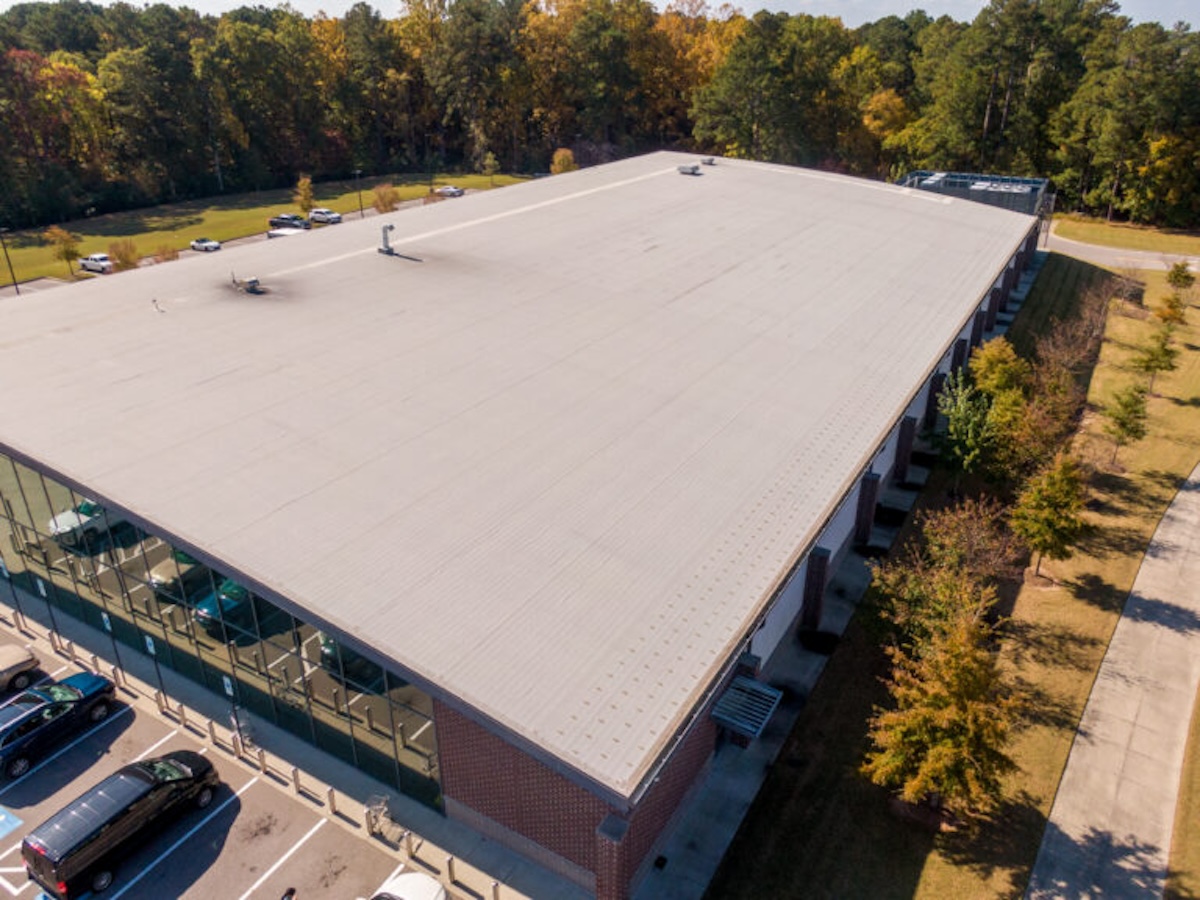
6 Flat Roof Replacement Steps for an Easy Installation
September 26, 2025
6 minutes Read
A flat roof replacement is one of the most important projects a commercial property owner may face. Flat roofing systems are common on office buildings, warehouses, and retail centers across Florida, but they require careful installation to ensure long-term performance. Knowing the process step-by-step helps you prepare for the project and minimize business disruption.
- Preparation: Proper planning prevents costly mistakes.
- Installation process: Step-by-step replacement ensures durability.
- Professional expertise: A skilled roofing contractor makes all the difference.
Why Flat Roof Replacement Matters for Businesses
Flat roofs play a crucial role in protecting commercial properties. They support HVAC systems, manage drainage, and guard against water intrusion. Over time, sun exposure, ponding water, and storm damage can cause deterioration. For business owners in Lake Mary and surrounding areas, a roof failure can mean more than just repairs—it can interrupt daily operations, damage inventory, and create safety hazards.
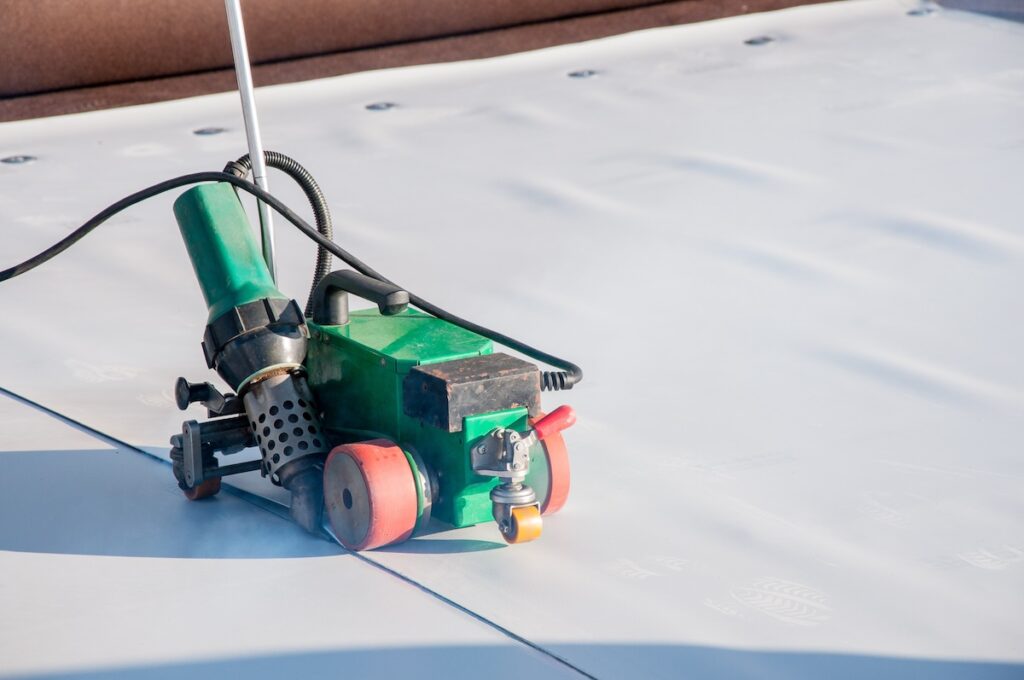
Replacing a flat roof at the right time not only restores protection but also improves energy efficiency and lowers long-term maintenance costs. In some cases, upgrading to a new roofing system can also help meet stricter building codes, reduce insurance premiums, and enhance the overall value of your property.
6 Steps to Flat Roof Replacement
Here’s what commercial property owners can expect when replacing a flat roof.
1. Inspection and Assessment
A professional roofer begins with a detailed inspection to evaluate the condition of the existing roof. This includes checking for leaks, water damage, insulation issues, and structural integrity.
- Comprehensive evaluation: Identifies weak spots and areas of concern.
- Moisture detection: Ensures hidden leaks are addressed.
- Replacement planning: Helps determine the best materials and methods.
A thorough inspection is especially important for older commercial buildings. Many flat roofs hide problems beneath the surface, such as trapped moisture or deteriorating decking. Without addressing these issues first, a new roof could fail prematurely.
2. Removal of Old Roofing
The old roofing system must be stripped away to create a clean foundation. This step includes removing membranes, insulation, and flashing.
- Safe removal: Protects the building and occupants.
- Waste disposal: Proper handling of old roofing materials.
- Preparation: Creates a stable surface for the new installation.
Commercial roofing tear-offs can be more complicated than residential projects, often requiring heavy equipment and specialized crews. Proper disposal of materials is also critical to meet environmental regulations.
3. Repairing the Substrate
Once the old materials are removed, the roof deck and substrate are inspected. Any damaged areas are repaired before new materials are applied.
- Deck repairs: Fixes rotted wood, rusted steel, or damaged concrete.
- Leveling: Ensures the surface is even to prevent ponding water.
- Moisture protection: Reinforces areas vulnerable to leaks.
For business owners, this step provides peace of mind that the new roof is being installed on a solid foundation rather than covering up hidden weaknesses.
4. Installing New Insulation
Insulation is critical for energy efficiency in commercial buildings. New boards are installed to meet code requirements and reduce heating and cooling costs.
- Energy savings: Better insulation lowers utility expenses.
- Building comfort: Regulates indoor temperature.
- Code compliance: Meets Florida building standards.
Modern insulation products also provide better fire resistance and long-term durability than older materials, helping property owners lower operational risks.
5. Applying the New Roofing System
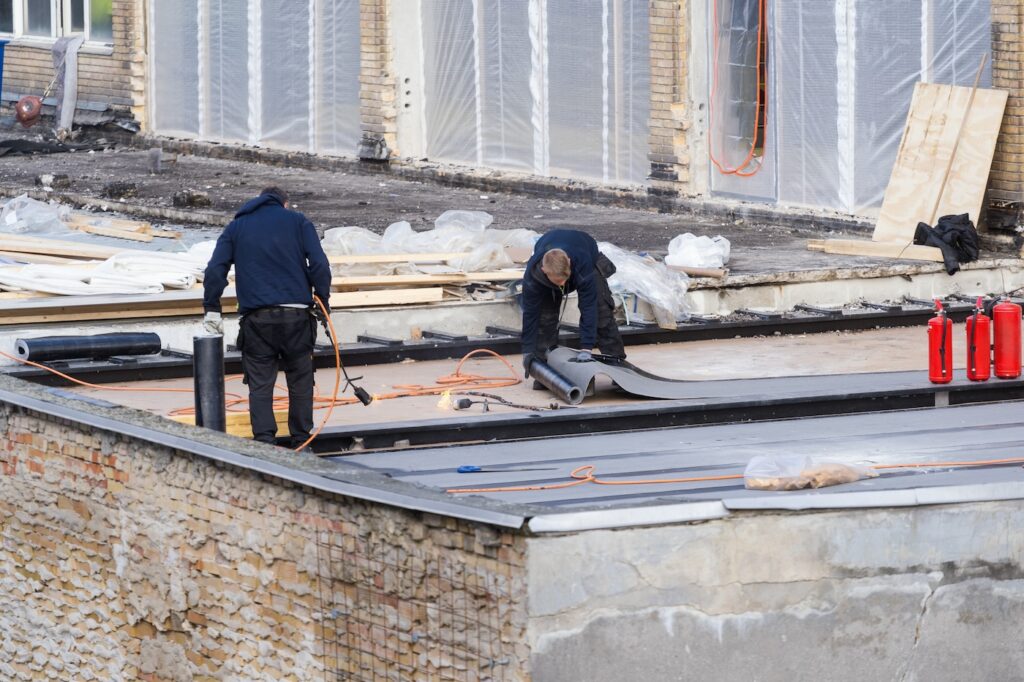
The roofing membrane or system is then installed. Common flat roof materials include TPO, PVC, EPDM, and modified bitumen. The choice depends on budget, durability, and performance needs.
- Material selection: Each option offers unique advantages.
- Proper installation: Ensures seams, edges, and penetrations are sealed.
- Durability: Designed to withstand Florida’s storms and heat.
For example, TPO and PVC offer strong energy efficiency and reflectivity, while EPDM provides flexibility and long-lasting performance. Modified bitumen is often chosen for its layered strength and affordability. A knowledgeable contractor will recommend the system best suited for your building type.
6. Final Inspection and Cleanup
Once the installation is complete, the roofing team performs a final inspection. This ensures the new system is watertight and meets warranty standards.
- Quality check: Confirms installation follows manufacturer guidelines.
- Debris removal: Keeps the property safe and clean.
- Documentation: Provides warranties and inspection reports.
This stage is especially valuable for commercial property owners who need documentation for insurance purposes or to satisfy tenant agreements.
Mistakes to Avoid During Flat Roof Replacement
Even with a professional contractor, property owners should be aware of common mistakes that can compromise the project.
- Ignoring drainage issues: Flat roofs rely on proper drainage to prevent ponding water. Failing to address slope or drain blockages during replacement can shorten the roof’s lifespan.
- Choosing low-quality materials: Cutting corners may save upfront costs but leads to more repairs and replacements in the future. High-quality membranes are worth the investment, especially in storm-prone areas like Lake Mary.
- Overlooking business disruption: Commercial roof projects can affect parking, entrances, and interior comfort. Always ask your contractor how they plan to minimize interruptions.
- Skipping regular maintenance: Even after replacement, flat roofs require periodic inspections. Neglecting upkeep can cause small problems to grow into major issues.
Benefits of Professional Flat Roof Replacement
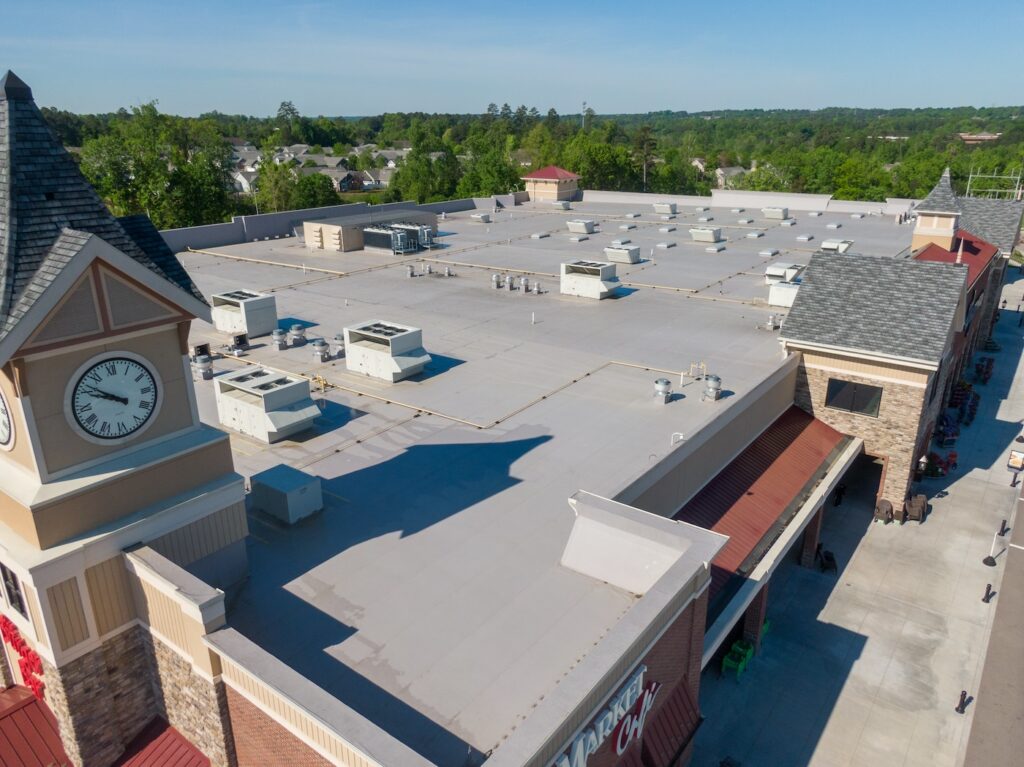
For business owners in Lake Mary and surrounding areas, hiring a professional roofing contractor is the best way to protect your investment. Benefits include:
- Expert installation: Ensures the roof system is properly installed and sealed.
- Warranty protection: Many manufacturers require certified installers.
- Reduced downtime: A skilled crew minimizes business interruptions.
- Long-term savings: Proper replacement lowers repair costs over time.
- Compliance assurance: Professionals follow up-to-date building codes.
- Peace of mind: You’ll know your roof is built to withstand Florida’s demanding climate.
Protecting Your Business With Quality Roofing
A flat roof replacement is more than just an upgrade—it’s a safeguard for your property, employees, and operations. By understanding the steps involved, commercial property owners can better plan for the process and avoid costly surprises.
At Quality Roofing, we specialize in flat roofing systems for businesses in Lake Mary and surrounding areas. Our team combines expert installation, top-quality materials, and a commitment to minimizing disruption for your business. Contact us today for a free estimate and ensure your new flat roof is built to perform for decades.