 (850) 753-0041


Flat Roof Materials Compared (EPDM, TPO, & More)
January 9, 2026
6 minutes Read
Choosing the right flat roof materials is one of the most important decisions a commercial property owner can make when planning a replacement or evaluating long-term maintenance costs.Flat roofing systems differ significantly in durability, energy performance, installation complexity, and lifespan. Understanding how each option performs helps property owners make informed decisions that align with their building use, budget, and operational priorities.
- Performance differences: Each material responds differently to weather and wear.
- Cost implications: Upfront price and long-term value can vary widely.
- Building suitability: Not every material fits every commercial application.
Why Flat Roof Material Selection Matters for Commercial Buildings
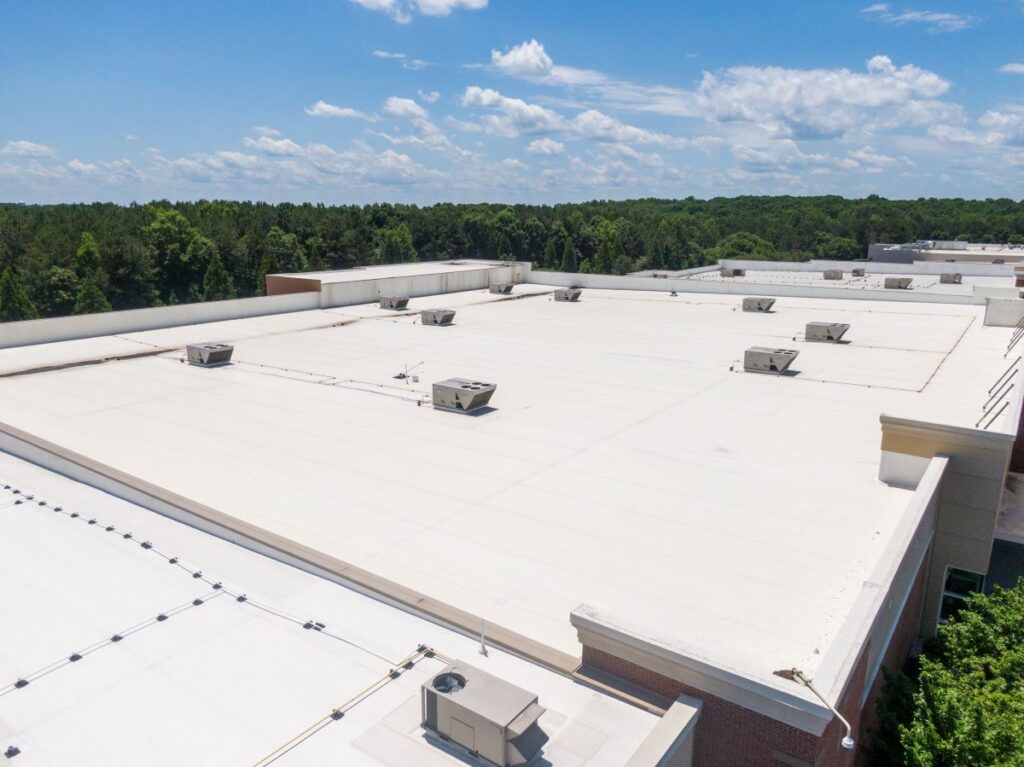
Flat roofs are common on commercial buildings because they maximize usable space and simplify construction. However, flat roofs are also more susceptible to water pooling, membrane stress, and UV exposure compared to steep-slope systems. Choosing the right material plays a major role in preventing leaks, minimizing disruptions, and controlling long-term ownership costs.
For commercial properties in Pensacola and surrounding areas, heat, humidity, and heavy rain place consistent stress on roofing systems. Selecting a flat roof material designed to handle these conditions helps protect the building envelope, interior assets, and day-to-day operations.
Overview of Common Flat Roof Materials
There are several flat roofing systems commonly used in commercial construction and replacement projects. Each material offers specific strengths and limitations depending on building type, foot traffic, and environmental exposure.
Understanding these options allows property owners to compare performance rather than relying solely on cost or familiarity.
EPDM Roofing (Rubber Membrane)
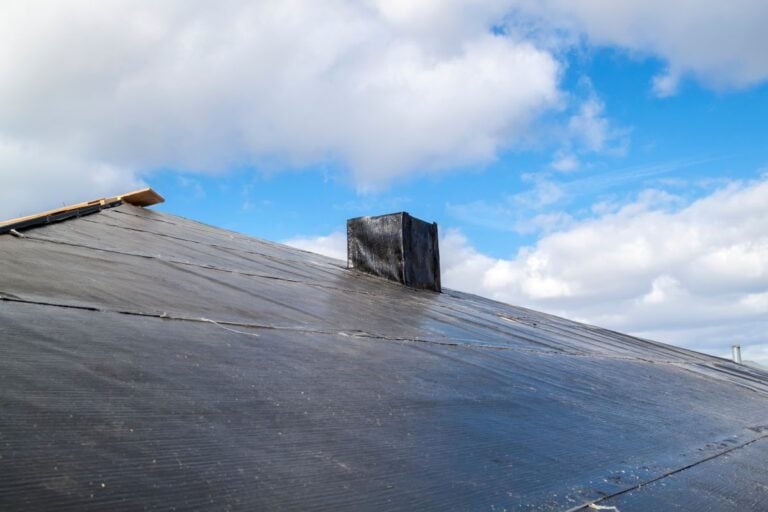
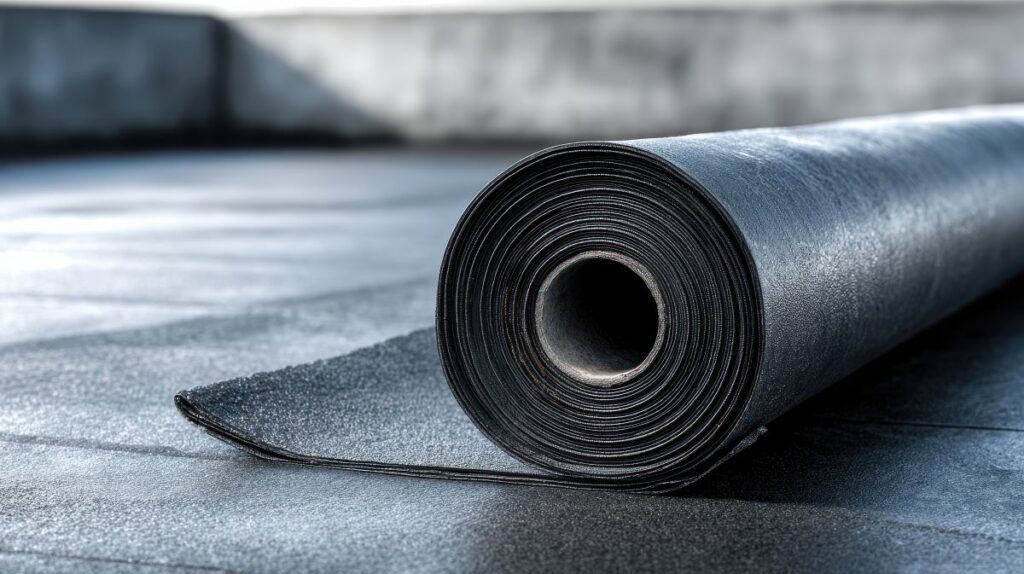
EPDM is a single-ply rubber membrane widely used on commercial flat roofs. It is known for flexibility and long-term durability.
EPDM performs well in varying temperatures and is resistant to UV exposure, making it a reliable option for many commercial buildings.
- Long lifespan: Often lasts 25 to 30 years or more.
- UV resistance: Handles prolonged sun exposure well.
- Flexibility: Accommodates building movement and temperature changes.
- Simple repairs: Punctures are relatively easy to address.
EPDM is commonly used on warehouses, office buildings, and low-traffic commercial roofs.
TPO Roofing
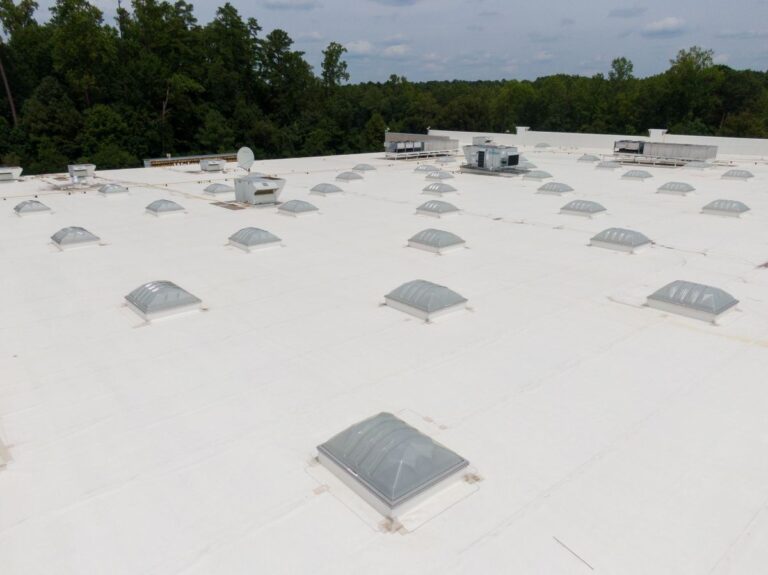
TPO is a single-ply thermoplastic membrane that has become increasingly popular in commercial applications. It is valued for its reflective properties and modern performance characteristics.
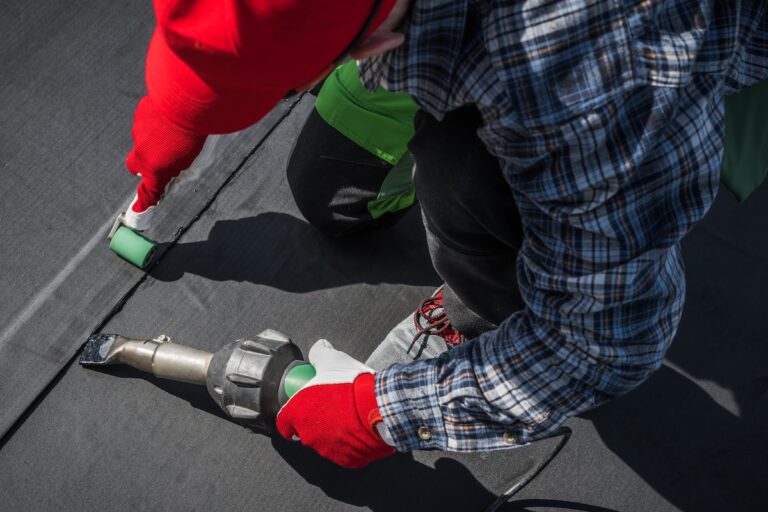
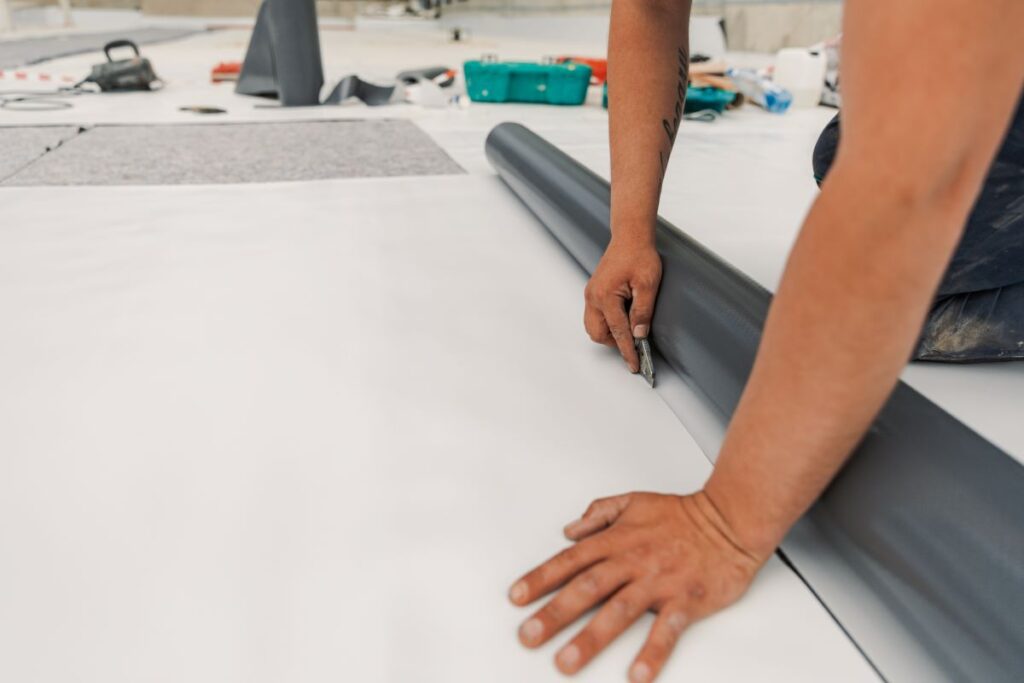
This material is heat-welded at the seams, creating a strong, watertight bond that improves leak resistance.
- Energy efficiency: Reflects sunlight and reduces heat absorption.
- Strong seams: Heat-welded joints improve durability.
- Lightweight system: Places minimal stress on the structure.
- Cost balance: Often more affordable than some premium systems.
TPO is frequently chosen for retail buildings, medical facilities, and office complexes seeking energy efficiency.
PVC Roofing
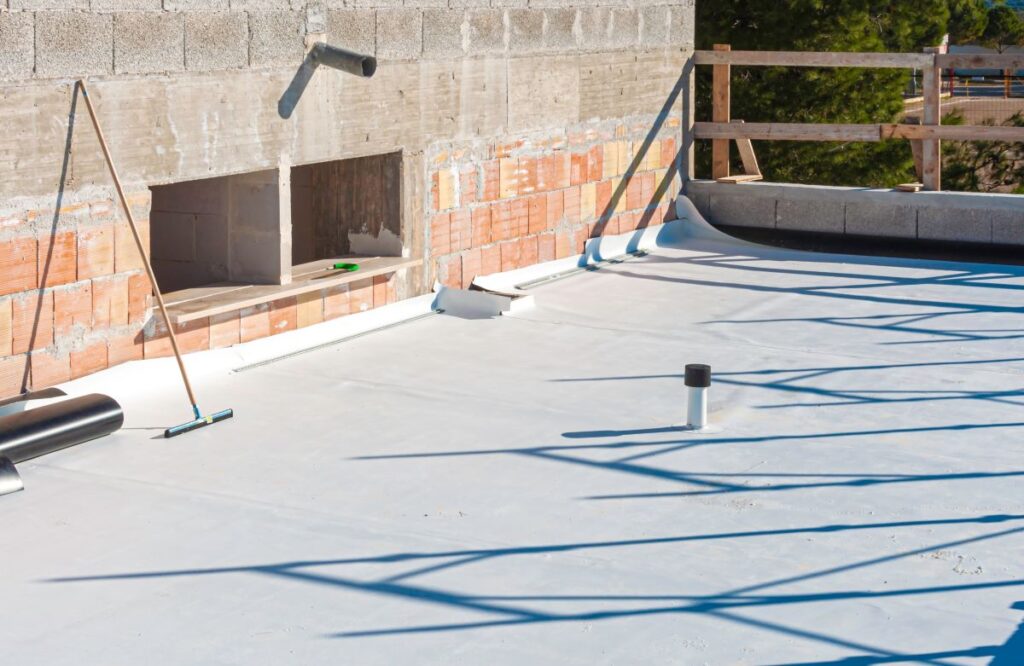
PVC is another single-ply membrane known for chemical resistance and strength. It shares similarities with TPO but offers additional performance advantages in certain environments.
PVC is especially useful for buildings exposed to grease, oils, or industrial byproducts.
- Chemical resistance: Performs well in restaurant and industrial settings.
- Durable seams: Heat-welded for strong waterproofing.
- Fire resistance: Offers added safety benefits.
- Long service life: Designed for demanding applications.
PVC is often used on restaurants, manufacturing facilities, and buildings with rooftop equipment exposure.
Modified Bitumen Roofing
Modified bitumen is an asphalt-based roofing system installed in multiple layers. It combines traditional roofing methods with modern reinforcement materials.
This system is valued for toughness and resistance to foot traffic.
- Multi-layer protection: Adds redundancy against leaks.
- Impact resistance: Handles regular rooftop access well.
- Proven technology: Long history in commercial roofing.
- Cold and heat adaptability: Performs in varying climates.
Modified bitumen is commonly used on buildings that require frequent rooftop maintenance.
Built-Up Roofing (BUR)
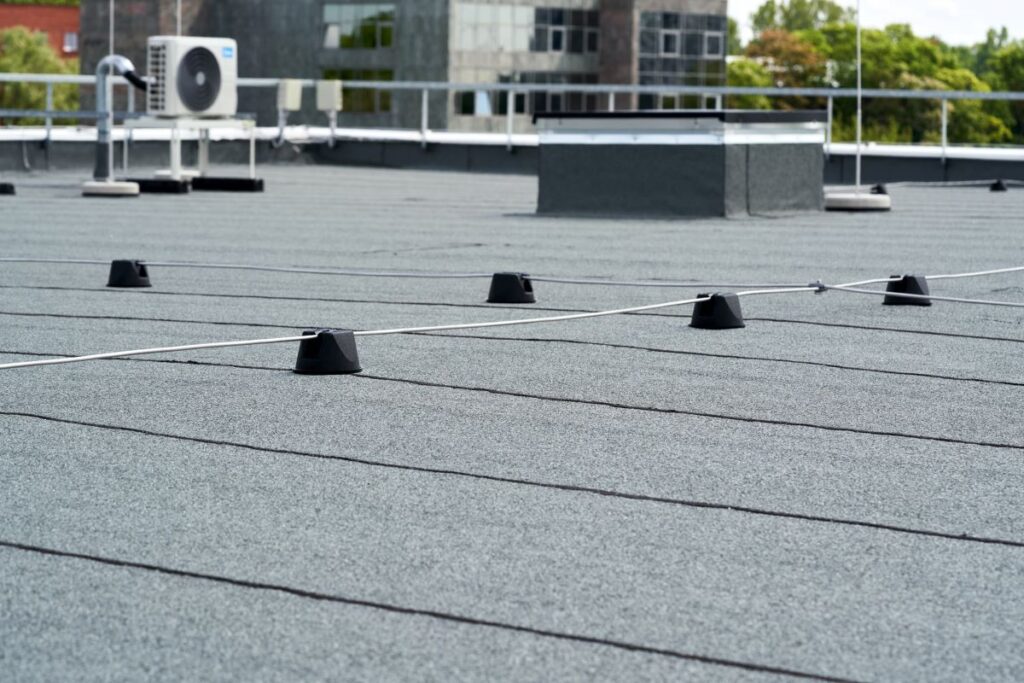
Built-up roofing consists of multiple layers of asphalt and reinforcing fabric topped with gravel or a protective coating. It is one of the oldest flat roofing systems still in use.
BUR systems are known for durability but require more labor during installation.
- Multiple layers: Provides strong waterproofing.
- Excellent durability: Withstands long-term exposure.
- UV protection: Gravel surfacing shields from sunlight.
- Heavy system: Adds significant weight to the roof structure.
BUR is often found on older commercial buildings and large facilities.
Flat Roof Materials Compared at a Glance
Understanding key differences side by side helps commercial property owners narrow down options based on priorities.
| Feature | EPDM | TPO | PVC | Modified Bitumen | BUR |
| Lifespan | Long | Moderate to long | Long | Moderate | Long |
| Energy efficiency | Moderate | High | High | Low | Low |
| Chemical resistance | Low | Moderate | High | Low | Low |
| Foot traffic tolerance | Moderate | Moderate | Moderate | High | High |
| Installation complexity | Low | Moderate | Moderate | High | High |
This comparison highlights how different materials align with specific building needs.
How Climate Impacts Flat Roof Performance
Climate plays a critical role in flat roof performance. Heat, moisture, and UV exposure all affect how materials age and perform over time.
In Pensacola and surrounding areas, reflective membranes like TPO and PVC can help reduce heat buildup, while durable systems like EPDM and modified bitumen handle weather fluctuations effectively. Selecting a material suited to local conditions helps reduce premature wear.
Cost Considerations for Property Owners
Cost is often a major factor, but it should be evaluated beyond initial installation price. Long-term maintenance, repair frequency, and replacement timelines all affect total ownership cost.
Lower upfront systems may require more frequent repairs, while higher-quality materials often deliver better long-term value. Understanding these tradeoffs helps property owners budget more effectively.
Beyond the material and maintenance costs, the specific details of your policy can significantly impact your financial planning. Understanding is a flat roof covered by homeowners insurance is essential for determining how much you might be responsible for if a storm or sudden leak occurs, helping you manage potential out-of-pocket expenses more effectively.
3 Maintenance and Repair Expectations
Each flat roof material has different maintenance requirements. Knowing what to expect helps property owners plan inspections and reduce unexpected expenses.
- Single-ply membranes: Require regular seam and penetration checks.
- Asphalt-based systems: Benefit from periodic surface inspections.
- High-traffic roofs: Need more frequent monitoring.
Routine inspections help extend the life of any flat roofing system.
Choosing the Right Flat Roof Material
The best flat roof material depends on how the building is used, environmental exposure, and long-term plans for the property.
- Energy-focused buildings: Often benefit from TPO or PVC.
- Industrial environments: Typically require PVC or modified bitumen.
- Budget-driven projects: May favor EPDM or modified bitumen.
- High-traffic roofs: Need reinforced, multi-layer systems.
Evaluating these factors together leads to better decision-making.
Avoiding Common Flat Roofing Mistakes
Selecting materials based on cost alone is a common mistake. Another issue is choosing systems unsuited for the building’s use or maintenance demands.
Ignoring drainage, ventilation, and roof access requirements can shorten lifespan regardless of material choice. Proper planning is essential for long-term success.
Making Confident Roofing Decisions
Flat roofing systems protect valuable assets, tenants, and operations. Understanding flat roof materials allows commercial property owners to make informed decisions rather than reacting to failures.
If you’re evaluating flat roofing options or planning a future project, reach out to Quality Roofing for expert advice and solutions tailored to your specific needs.