 (850) 753-0041


Emergency Roof Leak Repair: 6 Steps to Stop Water Fast
December 31, 2025
6 minutes Read
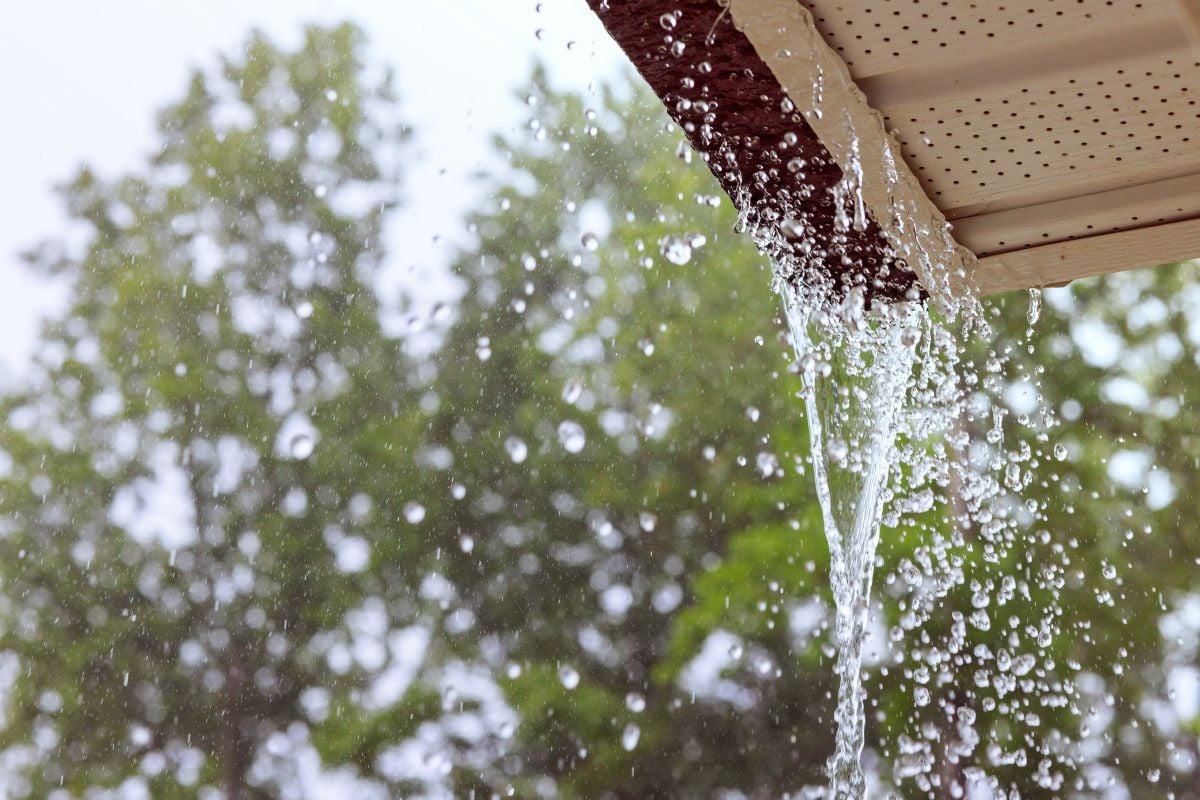
When water starts entering your home, knowing how emergency roof leak repair works can helpminimize damage and protect your property. Roof leaks can escalate quickly, leading to interior water damage, mold growth, and compromised structural materials. Acting fast and understanding the proper response steps makes a significant difference in limiting costly repairs.
- Immediate response: Quick action helps reduce interior damage.
- Damage control: Temporary measures can prevent leaks from spreading.
- Prepared homeowners: Understanding the process improves outcomes during emergencies.
Why Roof Leaks Require Immediate Action
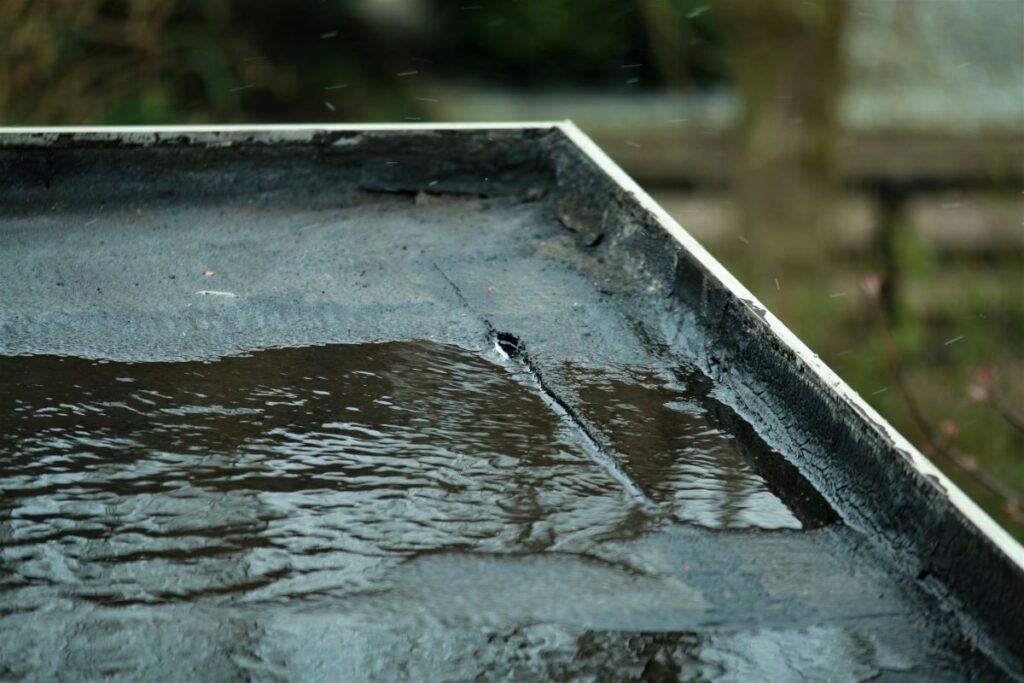
Roof leaks rarely fix themselves and often worsen when left unaddressed. Even a small leak can allow water to seep into insulation, drywall, and framing, causing hidden damage that grows over time. Moisture trapped inside building materials also creates an environment where mold and mildew can develop rapidly.
For homeowners in Pace and surrounding areas, sudden storms, wind-driven rain, and aging roofing systems are common causes of emergency leaks. Taking immediate steps to control water intrusion protects your home while you assess next steps and plan permanent repairs.
6 Emergency Roof Leak Repair Steps to Stop Water Fast
During a roofing emergency, the priority is to limit water intrusion and prevent additional damage. The following steps outline what homeowners can safely do while waiting for professional repairs.
1. Protect Interior Spaces
The first step is to limit damage inside the home. Water dripping through the ceiling can quickly ruin floors, furniture, and personal belongings.
- Move valuables: Relocate furniture and electronics away from the leak.
- Contain water: Place buckets or containers to catch dripping water.
- Relieve pressure: Puncture bulging ceiling drywall to prevent collapse.
This step helps prevent secondary damage while buying time to address the source of the leak.
2. Locate the Source of the Leak
Finding the source of the leak helps determine the severity of the issue. Water often travels along rafters or insulation before dripping inside, so the visible leak may not be directly below the damage.
- Check the attic: Look for wet insulation or stained wood.
- Follow water trails: Trace moisture paths back toward the roof deck.
- Note weather conditions: Wind-driven rain may shift leak locations.
Identifying the source allows for more effective temporary repairs.
3. Apply a Temporary Interior Patch
If water is actively entering the home, temporary interior measures can help slow it down. These steps are not permanent solutions but can reduce damage until proper repairs are made.
- Use plastic sheeting: Staple or tape plastic to guide water into a container.
- Seal small gaps: Apply roofing or waterproof sealant from inside if accessible.
- Dry affected areas: Use fans to reduce moisture buildup.
These measures help control the situation while avoiding further interior damage.
4. Inspect the Roof From the Ground
Safety should always come first during an emergency. Homeowners should avoid climbing onto wet or storm-damaged roofs.
- Use binoculars: Look for missing shingles, lifted flashing, or debris.
- Check roof edges: Leaks often start near valleys, vents, or chimneys.
- Look for visible damage: Displaced materials are common after storms.
Ground-level inspections provide valuable information without putting you at risk.
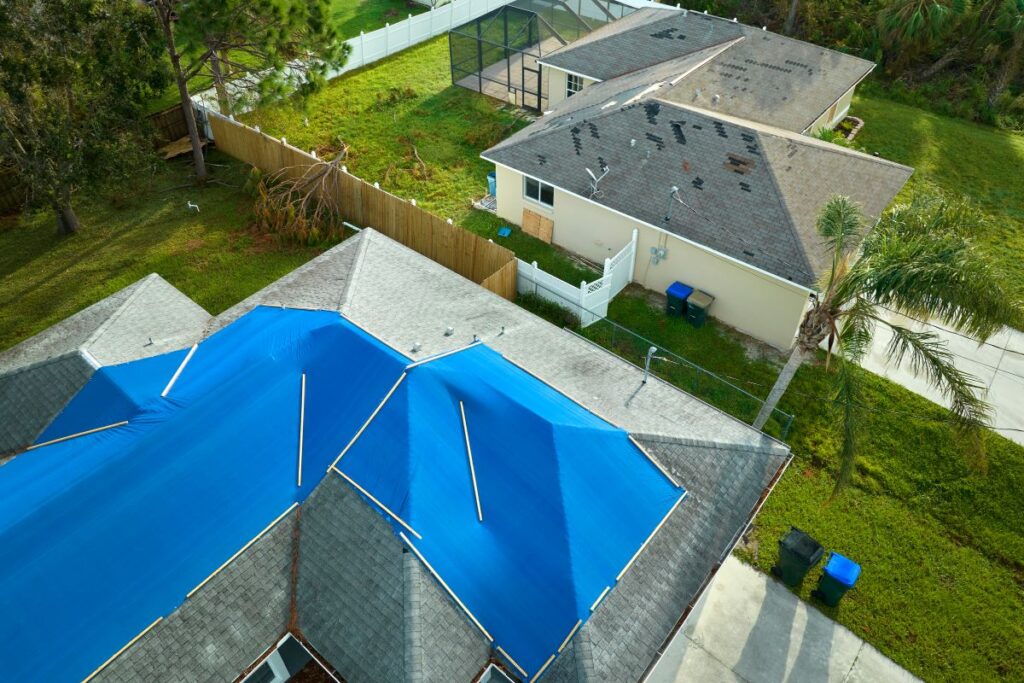
5. Apply a Temporary Exterior Cover
If conditions are safe and damage is visible, a temporary exterior cover may help reduce water intrusion. This step should only be attempted if it can be done safely.
- Use a tarp: Secure it over the damaged area using weighted edges.
- Extend coverage: Ensure the tarp runs past the damaged section.
- Avoid nails when possible: Fasteners can cause additional damage.
Temporary covers are effective short-term solutions but must be replaced with proper repairs as soon as possible.
6. Schedule a Professional Roof Inspection
Temporary fixes are only meant to stabilize the situation. A professional inspection is necessary to identify underlying issues and recommend permanent repairs.
- Assess hidden damage: Professionals check decking, underlayment, and flashing.
- Confirm repair scope: Determines whether repair or replacement is needed.
- Prevent repeat leaks: Identifies vulnerabilities before future storms.
Professional evaluations ensure the leak is fully resolved rather than temporarily masked.
Common Causes of Emergency Roof Leaks
Understanding what typically causes roof leaks can help homeowners stay alert after storms or heavy rainfall. Leaks often develop at weak points rather than across the entire roof surface.
Damaged shingles, cracked flashing, clogged gutters, and deteriorated sealants are frequent culprits. In Pace and surrounding areas, strong winds and heavy rain can accelerate wear on these vulnerable areas, increasing the likelihood of sudden leaks.
Mistakes to Avoid During a Roof Leak Emergency
During stressful situations, homeowners may unintentionally make decisions that worsen the problem. Avoiding these common mistakes helps protect both your safety and your roof.
Climbing Onto a Wet Roof
Wet surfaces dramatically increase the risk of slipping and injury. Roof access should always be left to trained professionals during emergencies.
Relying on Sealant Alone
Sealant may slow a leak temporarily but does not address underlying structural damage or failed materials.
Ignoring Minor Leaks
Small leaks often indicate larger problems beneath the surface. Delaying repairs allows moisture to spread and increases long-term repair costs.
Preventing Future Emergency Roof Leaks
While not every roof leak can be prevented, consistent maintenance significantly reduces the risk of sudden water intrusion. Proactive care helps identify weak points before storms exploit them, especially in areas with frequent heavy rain and wind.
- Schedule routine inspections: Regular roof checks help catch loose shingles, worn sealant, or damaged flashing early.
- Maintain flashing and seals: Keeping flashing tight and sealant intact prevents water from entering around penetrations.
- Clean gutters and downspouts: Proper drainage prevents water from backing up under roof edges.
- Trim overhanging branches: Reduces the risk of impact damage during storms.
- Address small issues promptly: Minor repairs completed early can prevent emergency situations later.
Staying ahead of maintenance needs is one of the most effective ways to avoid unexpected roof leaks.
What to Expect After Emergency Roof Leak Repairs
Once emergency measures are taken, homeowners should understand that follow-up steps are often required to fully restore the roof and interior spaces. Emergency fixes stabilize the situation but do not always resolve all underlying issues.
- Post-repair monitoring: Watch the repaired area during the next few rain events to confirm the leak has stopped.
- Interior drying: Wet insulation, drywall, or framing may need time and ventilation to fully dry.
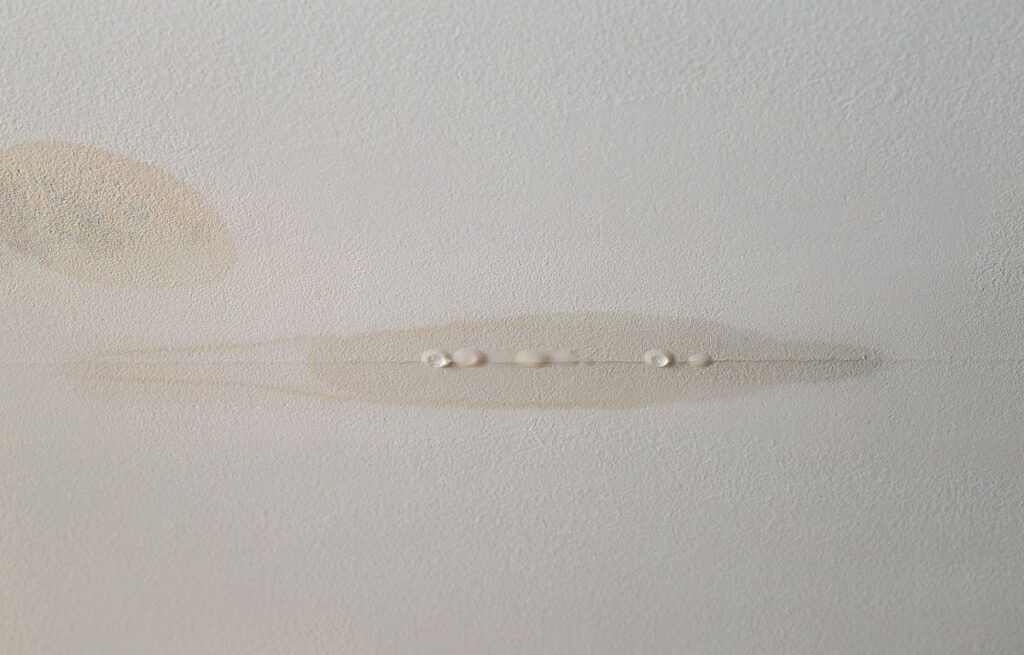
- Secondary repairs: Ceiling stains, damaged drywall, or flooring may require additional restoration.
- Roof reevaluation: A follow-up inspection helps confirm no related damage was missed.
- Documentation: Keeping records of the incident and repairs can be useful for future reference.
Understanding these steps helps homeowners plan appropriately after an emergency situation.
Stay Prepared for Roofing Emergencies
Roof leaks are stressful, but preparation gives homeowners greater control during unexpected events. Knowing what to do before and after a leak occurs helps reduce panic and limit damage.If you’re dealing with a roof leak or want to better understand how to protect your home, reach out to Quality Roofing for expert advice and solutions tailored to your specific needs.