 (850) 753-0041


4 Common Commercial Roof Types & How to Choose
October 22, 2025
5 minutes Read
When researching commercial roof types, many property owners want to know which system will offer the best combination of durability, cost-effectiveness, and performance. The right choice depends on building use, climate, and long-term maintenance expectations. By understanding the most common options, you can make an informed decision that protects your investment.
- Variety of systems: Commercial roofing comes in several proven designs.
- Performance differences: Each type has strengths and limitations.
- Decision-making: Knowing your priorities helps you choose wisely.
Why Choosing the Right Roof Matters
Commercial roofs do more than keep the rain out. They insulate buildings, support equipment like HVAC units, and protect businesses from costly disruptions. For property owners in Milton and surrounding areas, choosing the right system is especially important due to Florida’s high heat, heavy rain, and frequent storms. The wrong choice can lead to premature failure, higher utility bills, and unnecessary repairs.
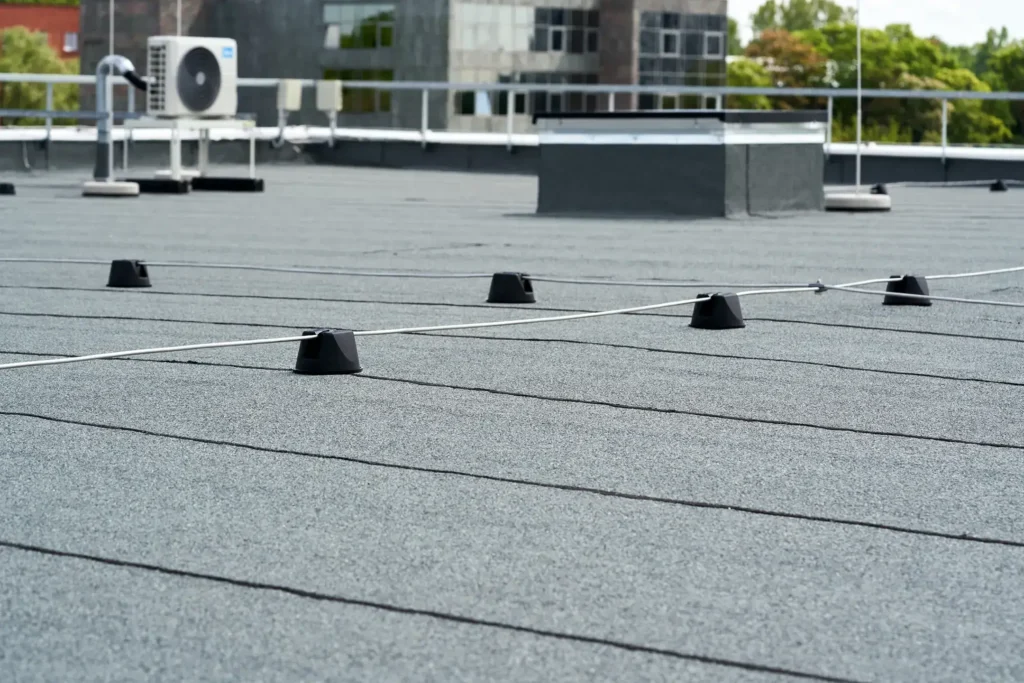
The right roof, on the other hand, offers more than durability — it contributes to lower energy costs, safer working conditions, and even increased property value. This makes roofing not just a maintenance decision but also a long-term business investment.
4 Common Commercial Roof Types
Here are the four systems most commonly used on commercial properties today.
1. TPO (Thermoplastic Polyolefin) Roofing
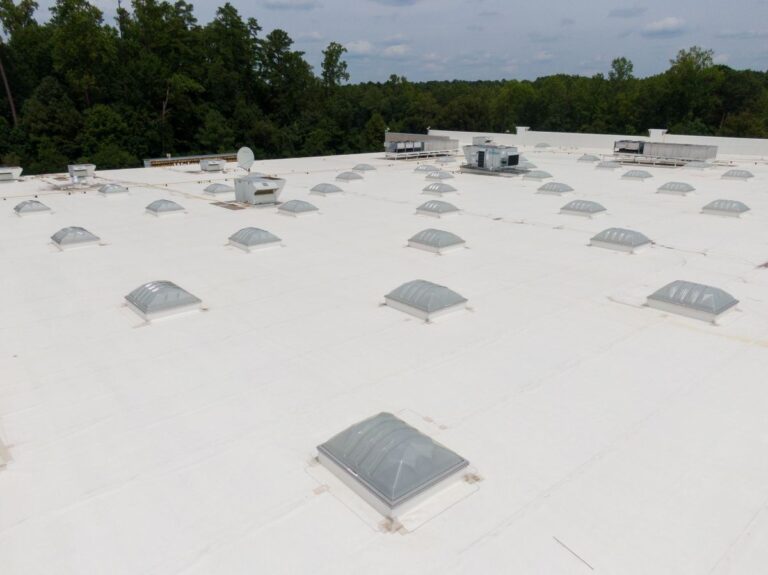
TPO is one of the fastest-growing commercial roofing systems. It’s a single-ply membrane known for its bright white color and energy efficiency.
- Pros: Reflects sunlight to reduce cooling costs, resistant to UV damage, cost-effective.
- Cons: Vulnerable to punctures, requires professional installation for proper sealing.
- Best for: Property owners who want a balance of affordability and energy efficiency.
2. PVC (Polyvinyl Chloride) Roofing
PVC roofing is another single-ply option, offering excellent resistance to chemicals and moisture. It’s commonly used on restaurants, warehouses, and buildings where chemical exposure is a concern.
- Pros: Highly durable, fire-resistant, excellent waterproofing.
- Cons: Higher upfront cost compared to TPO, can shrink over time if not properly installed.
- Best for: Businesses that need a durable, chemical-resistant roof.
3. EPDM (Ethylene Propylene Diene Monomer) Roofing
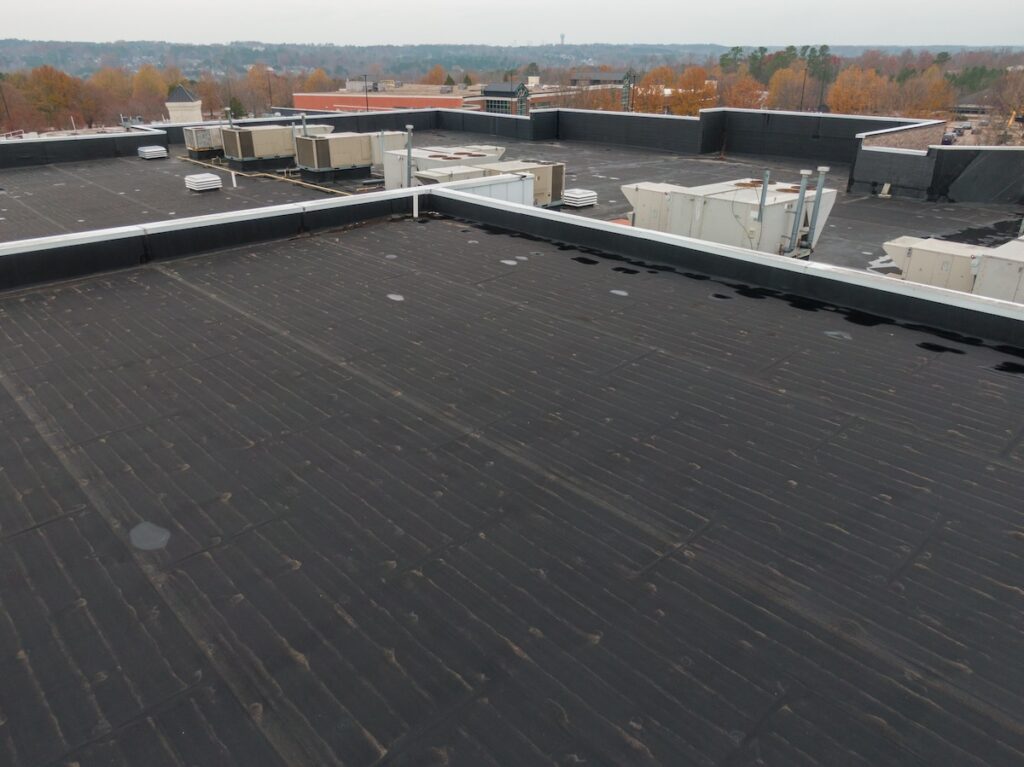
EPDM is a synthetic rubber roofing membrane that has been used for decades. Its dark color absorbs heat, which can be beneficial in cooler climates but may require extra insulation in Florida.
- Pros: Extremely durable, long lifespan (up to 40 years), easy to repair.
- Cons: Absorbs heat unless coated, may not be as energy efficient in hot climates.
- Best for: Commercial properties needing a proven, long-lasting roofing solution.
4. Modified Bitumen Roofing
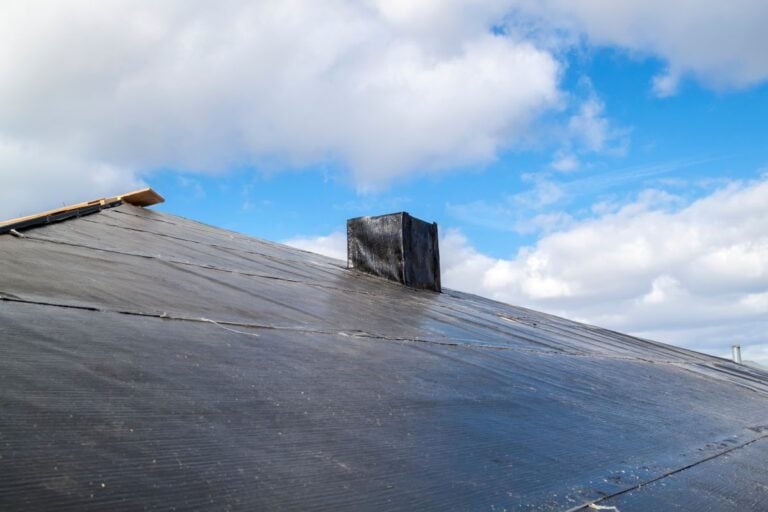
Modified bitumen is an evolution of traditional asphalt roofing, reinforced with fiberglass or polyester for strength. It’s installed in multiple layers for added durability.
- Pros: Strong resistance to foot traffic, excellent waterproofing, cost-effective.
- Cons: Shorter lifespan than single-ply systems, seams may require maintenance.
- Best for: Properties that need a durable, budget-friendly solution with regular maintenance.
Quick Comparison of Commercial Roof Types
| Roof Type | Lifespan | Energy Efficiency | Cost Range | Best Suited For |
|---|---|---|---|---|
| TPO | 20–30 years | High (reflective surface) | Moderate | Cost-conscious owners focused on efficiency |
| PVC | 25–30 years | High | Higher upfront | Restaurants, chemical-heavy businesses |
| EPDM | 30–40 years | Moderate (dark color unless coated) | Moderate | Long-term durability and easy repairs |
| Modified Bitumen | 15–25 years | Moderate | Lower upfront | Budget-friendly projects, foot-traffic areas |
This side-by-side comparison helps business owners quickly identify which system aligns with their needs.
Factors to Consider When Choosing a Commercial Roof
While all four systems are reliable, the best choice depends on your specific property.
Building Use
Warehouses may prioritize durability, while offices may need energy-efficient roofing that reduces utility costs. Restaurants may need PVC for chemical resistance. Retail centers often prefer a roofing system that balances appearance with affordability.
Climate Considerations
Florida’s heat and humidity make reflective roofing systems like TPO and PVC strong choices. Storm resistance is also critical for long-term performance in Milton and surrounding areas. Roofs that perform well under ponding water are especially important in flat roof designs.
Budget and Longevity
Some systems cost more upfront but last decades longer. For example, EPDM has higher longevity, while modified bitumen is more affordable initially but may require earlier replacement. Consider whether you want the lowest upfront investment or the best long-term value.
Maintenance Needs
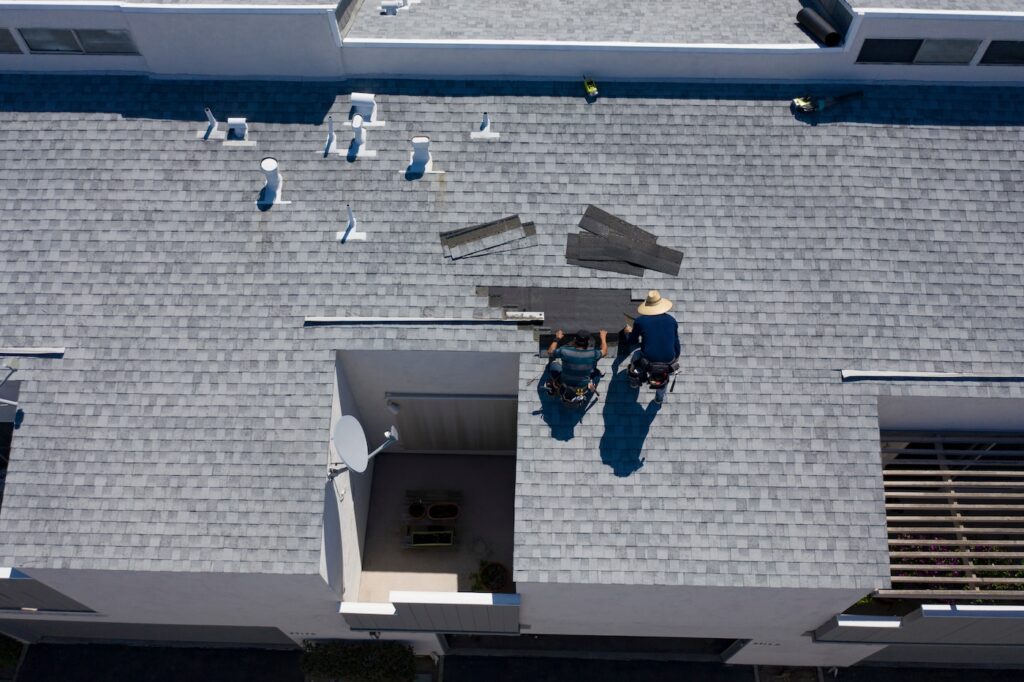
Modified bitumen may require more frequent inspections, while EPDM and PVC can often go longer between service calls. Property managers should think about whether their maintenance teams are equipped to handle certain roof types or if long-term service contracts make more sense.
Mistakes to Avoid When Choosing a Commercial Roof
Commercial property owners sometimes make decisions that hurt long-term performance.
- Only Considering Price: The cheapest roof is rarely the best long-term solution. Factoring in lifespan and maintenance costs gives a clearer picture of total value.
- Ignoring Energy Efficiency: In Florida, a roof that reduces cooling costs can save thousands over the years. Overlooking this factor could increase operational expenses and lower tenant satisfaction.
- Overlooking Installation Quality: Even the best materials fail if improperly installed. Always work with experienced commercial roofing contractors who understand flat and low-slope systems. Poor workmanship can void warranties and lead to early failure.
Why Professional Guidance Matters
Choosing between commercial roof types isn’t just about selecting a material — it’s about evaluating your entire building’s needs. Professional roofing contractors can:
- Assess building requirements: Match the right roofing system to your structure and usage.
- Recommend materials: Based on Florida’s climate and your property’s goals.
- Ensure code compliance: Install systems that meet state and local regulations.
- Protect warranties: Provide certified installation required by manufacturers.
Choosing the Right Roof With Quality Roofing
Understanding the differences between commercial roof types gives property owners the confidence to make informed decisions. Whether you’re focused on energy efficiency, chemical resistance, or budget-friendly performance, there’s a roofing system designed for your needs in Milton and surrounding areas.
At Quality Roofing, we specialize in installing, maintaining, and repairing all major commercial roofing systems. Our team provides expert recommendations tailored to your property and ensures flawless installation for maximum protection. Contact us today for a free estimate and discover which roofing type is the best fit for your business.