 (850) 753-0041


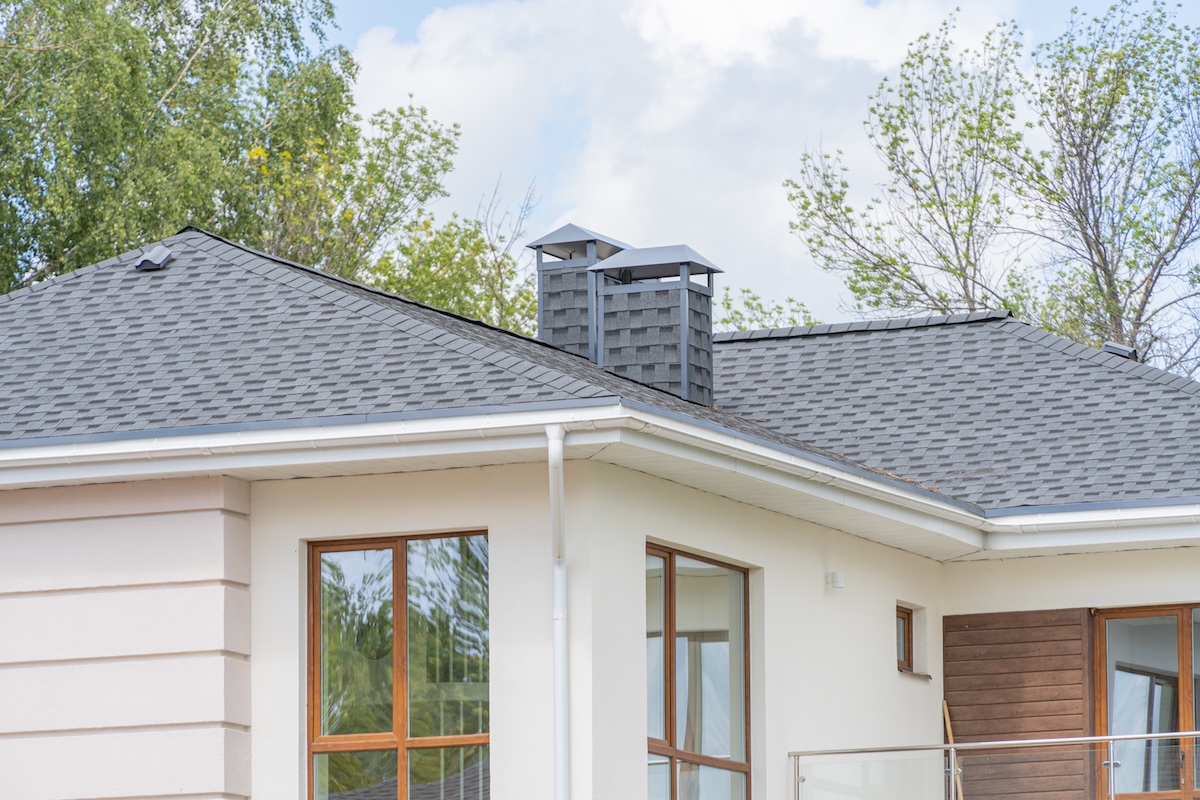
How To Choose The Best Roofing Shingles For Your Home
October 3, 2025
6 minutes Read
Selecting the best roofing shingles for your home is a decision that affects not only your curb appeal but also your property’s protection, energy efficiency, and long-term value. With so many materials, styles, and features available, understanding your options is the key to making a smart choice. This guide will walk you through the essentials so you can choose shingles that match your home’s style, climate, and budget.
- Enhanced curb appeal: The right shingles can transform your home’s appearance and boost its value.
- Improved durability: High-quality shingles offer better resistance to weather and wear.
- Energy efficiency: Some shingles can reduce heat transfer, lowering cooling costs.
Why Your Roofing Shingle Choice Matters
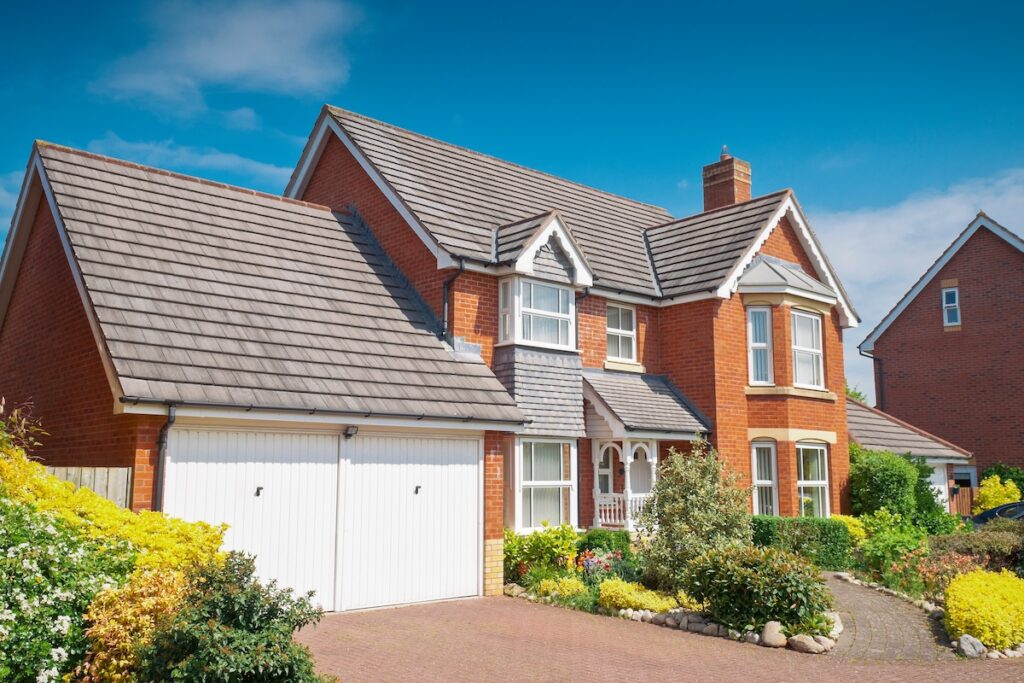
Your roof is one of your home’s most visible and protective features. Choosing the wrong shingles could mean frequent repairs, higher energy bills, and a shorter roof lifespan. On the other hand, selecting the right shingles ensures better weather resistance, a longer service life, and an overall more attractive home. Beyond aesthetics, shingle choice affects how your roof handles heat, wind, rain, and even noise.
Factors To Consider Before Buying Shingles
Before deciding on a type of shingle, you should take into account several important factors that will influence your choice.
- Climate And Weather Conditions: Florida’s climate poses unique challenges for roofing materials. Intense sun, heavy rain, high humidity, and hurricane-force winds mean that shingles must be durable and weather-resistant. Opt for shingles with high wind ratings and excellent UV protection to ensure they can withstand the local environment.
- Budget And Long-Term Value: While budget often plays a major role in choosing shingles, the cheapest option may not be the most cost-effective over time. Higher-quality shingles may come with a larger upfront cost but can save you money by lasting longer and requiring fewer repairs.
- Architectural Style Of Your Home: The look of your shingles should complement your home’s design. For example, traditional asphalt shingles suit many architectural styles, while wood shakes or designer shingles may enhance a rustic or upscale home.
Popular Types Of Roofing Shingles
Shingles come in many varieties, each with its own advantages and considerations. Knowing the main options will help you narrow down your choice.
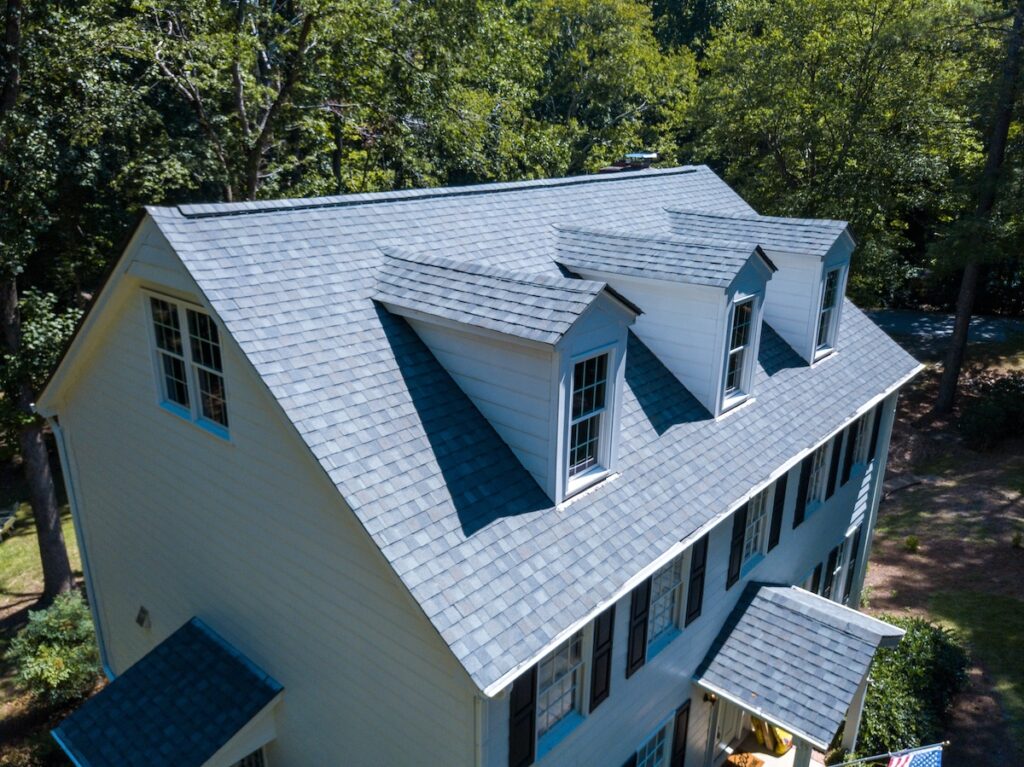
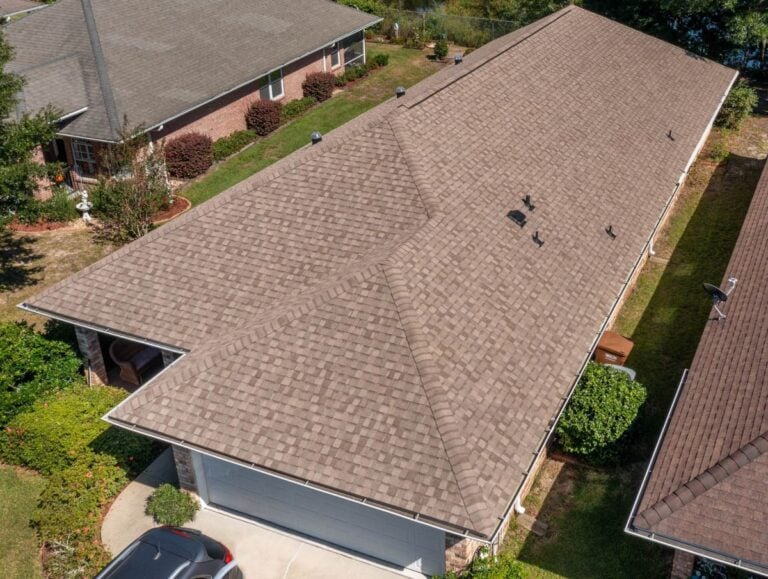
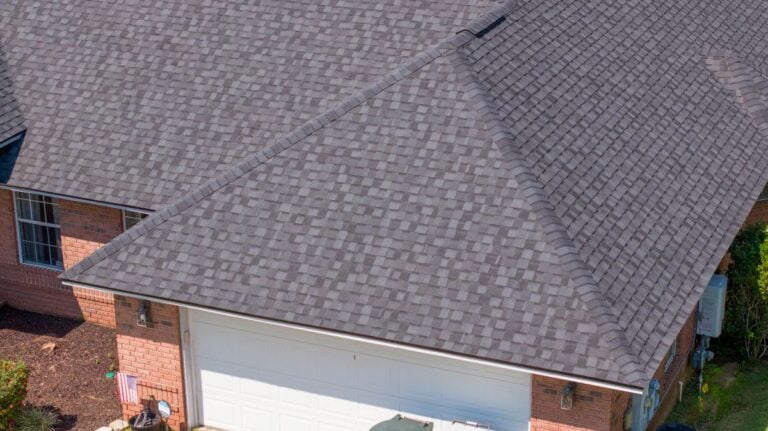
- Asphalt Shingles: Asphalt shingles are the most popular choice for homeowners due to their affordability, ease of installation, and variety of styles and colors. They are available in both three-tab and architectural designs. Architectural shingles offer greater durability and a more dimensional look.
- Metal Shingles: Metal shingles combine the durability of metal roofing with the appearance of traditional shingles. They are lightweight, fire-resistant, and excellent at reflecting heat, which can be beneficial in warm climates.
- Wood Shingles And Shakes: Wood shingles and shakes provide a natural, timeless look. While they can be more expensive and require more maintenance, they offer excellent insulation and a unique aesthetic. Cedar is the most common wood used for shingles due to its natural resistance to insects and decay.
- Slate Shingles: Slate shingles are extremely durable and can last over 100 years with proper maintenance. They offer a distinctive, upscale appearance but are among the most expensive and heaviest shingle types, requiring a strong roof structure.
- Synthetic Shingles: Synthetic shingles mimic the appearance of slate, wood, or other premium materials while being lighter and often more affordable. They are designed for durability and low maintenance.
6 Key Steps To Choosing The Right Shingles
There are many options, but following a clear process can make the decision less overwhelming.
- Assess your needs: Consider your home’s style, local climate, and your long-term plans for the property.
- Set your budget: Determine how much you can spend, factoring in both upfront and lifetime costs.
- Research materials: Compare the pros and cons of asphalt, metal, wood, slate, and synthetic shingles.
- Check warranties: Look for products with strong manufacturer warranties for added peace of mind.
- Choose a trusted contractor: The best shingles will underperform if installed poorly, so hire a skilled professional.
- Review samples in person: Seeing the shingles in natural light will help you visualize how they’ll look on your home.
Color And Style Considerations
The color of your shingles can dramatically impact your home’s curb appeal and even its temperature. Lighter-colored shingles reflect sunlight, which can help keep your home cooler, while darker shades may absorb heat and add warmth in cooler months. Consider your home’s exterior color scheme and the surrounding landscape when making a selection.
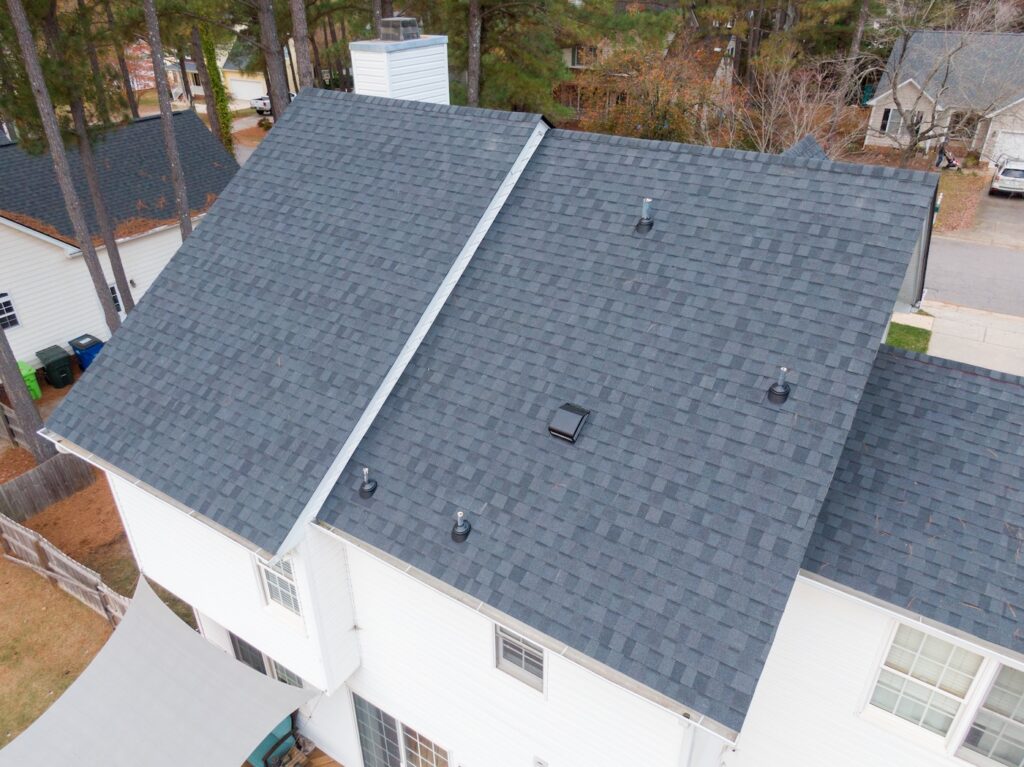
- Matching Neighborhood Aesthetics: While you want your home to stand out, choosing shingles that blend with the neighborhood style can boost resale value. Some homeowner associations may also have rules about acceptable roof colors and materials.
- Texture And Dimension: Architectural shingles create a multi-dimensional look that adds depth and interest to your roof. This style can elevate your home’s appearance and make it look more upscale.
Durability And Performance Features
Not all shingles are created equal when it comes to performance. Look for features that match your local conditions.
- Wind Resistance: For hurricane-prone areas, wind resistance is critical. Many premium shingles are rated to withstand winds of 110 to 130 mph, and some specialty products can endure even stronger gusts.
- Impact Resistance: If you live in an area prone to hail or falling debris, impact-resistant shingles can reduce the likelihood of cracks and punctures.
- Algae Resistance: Algae can cause unsightly dark streaks on your roof. Many shingles now come with algae-resistant coatings to maintain their appearance over time.
Maintenance And Longevity
Different shingles have varying maintenance needs. While asphalt shingles require minimal upkeep, wood shingles need periodic treatment to resist rot and insect damage. Regular inspections and prompt repairs can significantly extend the lifespan of any shingle type.
Maintenance Tips
- Clean debris: Remove leaves and branches to prevent moisture buildup.
- Inspect regularly: Check for missing or damaged shingles after storms.
- Address moss and algae: Treat growth promptly to prevent long-term damage.
Maintaining these habits will keep your exterior in top shape, but older homes may require a more specialized approach to care. If your property features original materials, you might wonder is it safe to paint over asbestos shingles as a way to refresh your curb appeal without the high cost and risk of a full removal.
Hiring The Right Roofing Contractor
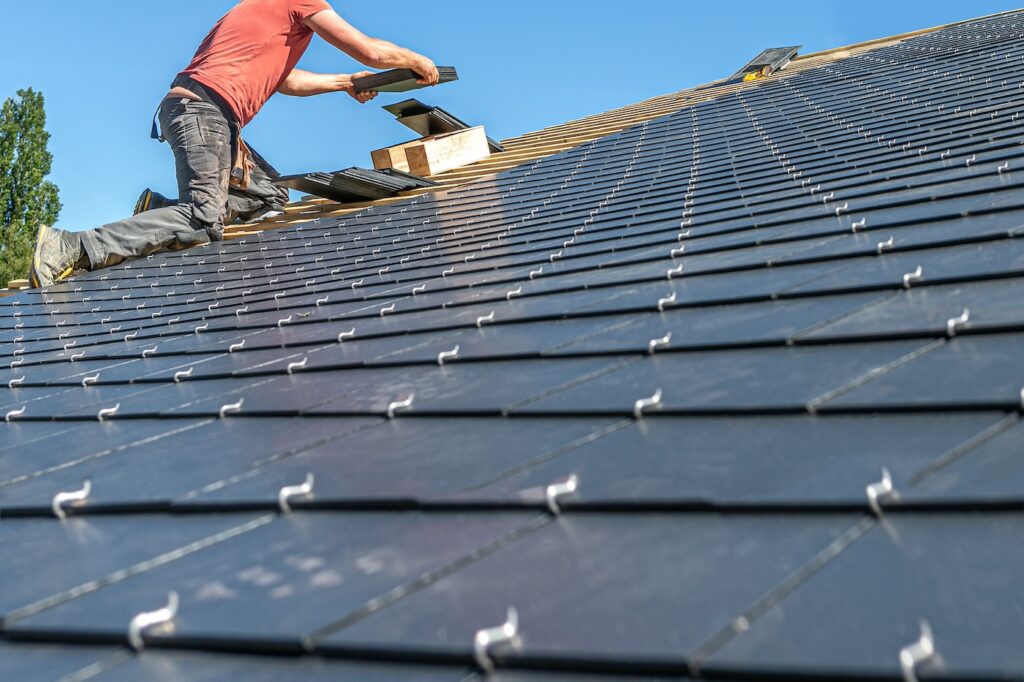
Even the best roofing shingles will not perform well if they are poorly installed. A reliable roofing contractor will ensure proper installation, follow local building codes, and offer a workmanship warranty.
Qualities To Look For
- Experience: Choose a contractor with a proven track record in your area.
- Licensing and insurance: Ensure they are fully certified and covered.
- References and reviews: Check testimonials and online ratings to verify quality work.
Upgrade Your Roof With Confidence
Choosing the best roofing shingles for your home means balancing style, durability, cost, and performance. By considering your local climate, budget, and design preferences—and working with a trusted roofing contractor—you can select shingles that protect your home and enhance its beauty for decades. At Quality Roofing Solutions, we help Florida homeowners make informed choices by offering expert guidance, premium materials, and professional installation. Contact us today for a free estimate and let us help you find the perfect shingles for your home.