 (850) 753-0041


EPDM vs TPO: What Are 4 Main Differences?
March 31, 2026
6 minutes Read
EPDM vs TPO comparisons are common among commercial property owners evaluating flat roofing systems for durability, efficiency, and long-term performance. Both materials are widely used on low-slope commercial roofs, but they differ in composition, installation methods, energy behavior, and maintenance considerations. Understanding these differences helps property owners select a roofing system that aligns with building use, climate exposure, and ownership goals.
- Commercial suitability: Both systems are designed for low-slope roofs.
- Performance focus: Material behavior affects longevity and maintenance.
- Decision impact: The right choice supports long-term asset protection.
Why EPDM and TPO Are Common Commercial Roofing Choices
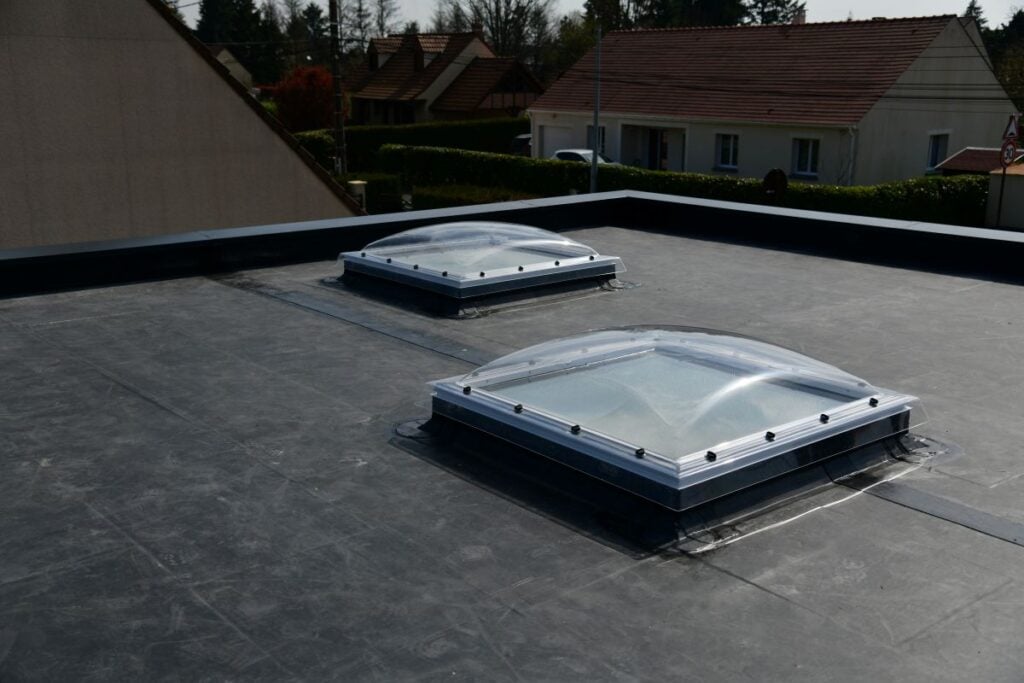
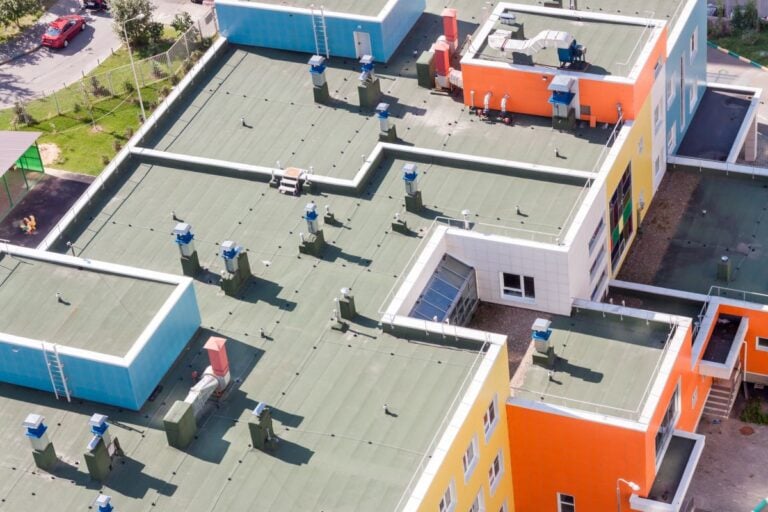
EPDM and TPO are popular because they are flexible membrane systems designed to handle large roof surfaces efficiently. Commercial buildings often have flat or low-slope roofs, making traditional shingles impractical.
Both systems offer proven performance when installed correctly, but they achieve that performance in different ways. EPDM relies on material elasticity and seam integrity, while TPO emphasizes heat reflectivity and welded seams. These differences influence how each system performs over time.
Overview of EPDM Roofing
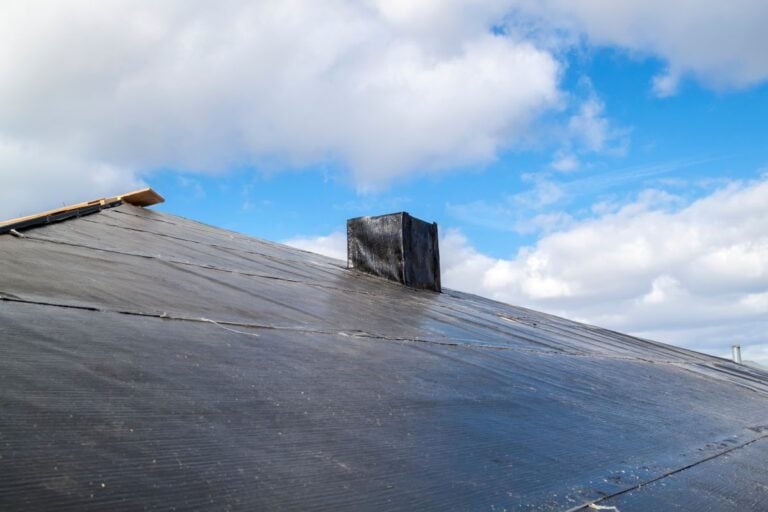
EPDM, often referred to as rubber roofing, is a synthetic membrane known for flexibility and durability. It has been used on commercial roofs for decades and is valued for its ability to handle temperature fluctuations.
EPDM membranes are typically black, although lighter options exist. The material resists cracking and remains flexible even in colder conditions, which helps it accommodate building movement.
- Material composition: Synthetic rubber membrane.
- Flexibility: Adapts well to expansion and contraction.
- Track record: Long history in commercial roofing.
EPDM prioritizes durability through elasticity.
Overview of TPO Roofing
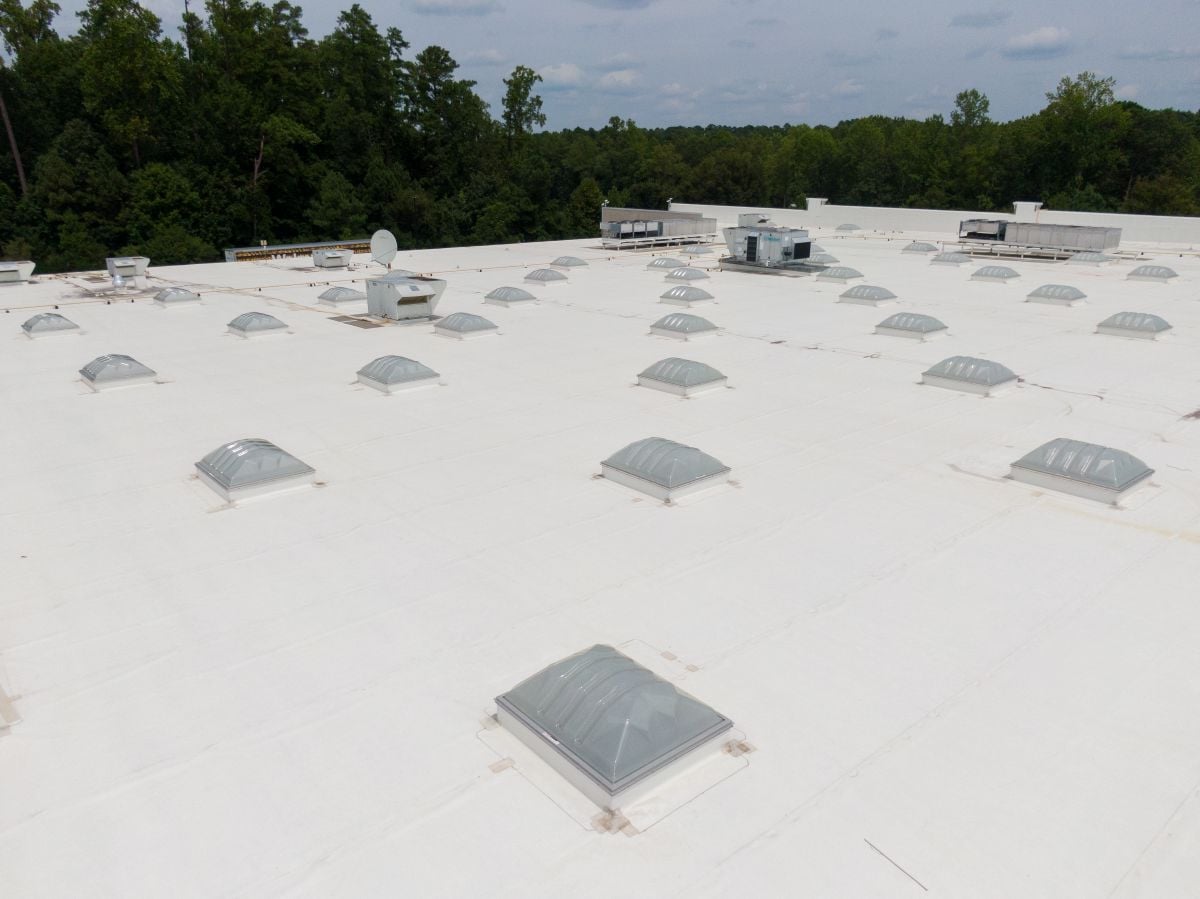
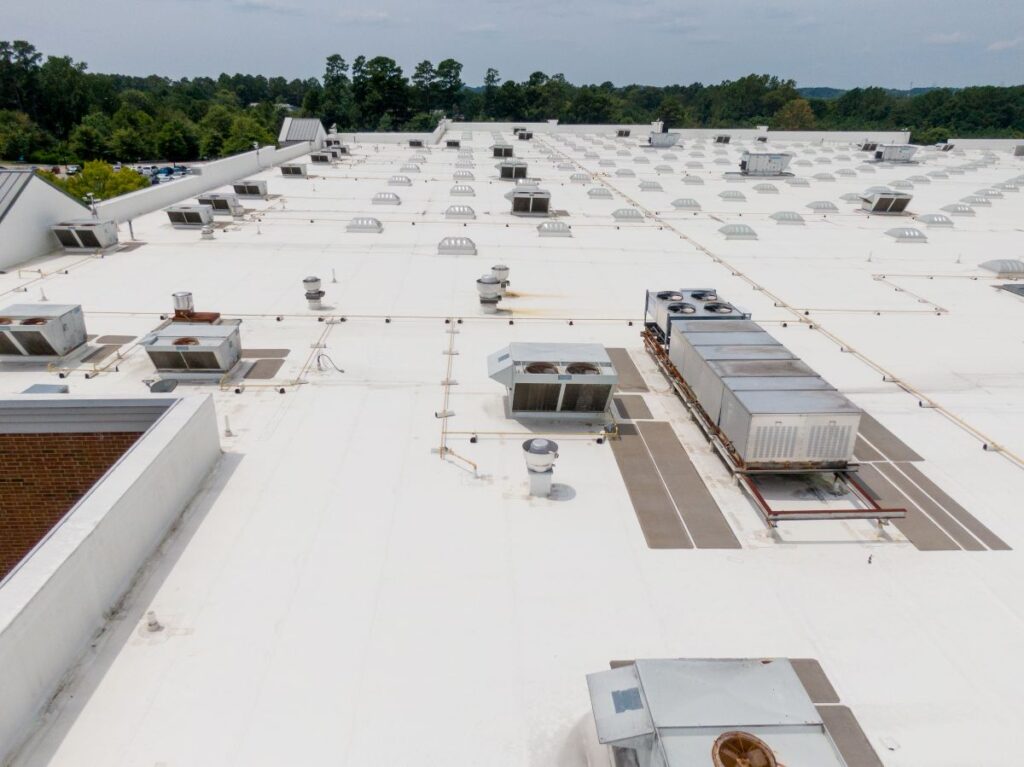
TPO is a single-ply membrane designed with energy efficiency in mind. It is typically white or light-colored to reflect sunlight and reduce heat absorption.
TPO membranes use heat-welded seams that create strong bonds between sheets. This welded seam approach is a defining characteristic of the system and plays a key role in water resistance.
- Material composition: Thermoplastic membrane.
- Reflective surface: Supports energy efficiency.
- Seam welding: Creates uniform seam strength.
TPO emphasizes reflectivity and seam consistency.
4 Main Differences Between EPDM and TPO
While EPDM and TPO share similarities, their differences become more apparent when evaluated side by side. The following sections highlight the most important distinctions for commercial property owners.
1. Material Composition and Flexibility
EPDM is a rubber-based material that remains flexible across a wide temperature range. This flexibility allows it to absorb building movement without stressing seams.
TPO is a thermoplastic material that becomes rigid when cooled and softens when heated. While durable, it does not offer the same level of elasticity as EPDM.
- EPDM flexibility: Accommodates expansion and contraction well.
- TPO rigidity: Maintains shape but flexes less.
- Movement tolerance: EPDM handles structural movement more easily.
Material behavior affects long-term performance.
2. Seam Installation and Strength
Seams are critical points on any flat roof. EPDM seams are typically adhered or taped together using specialized adhesives.
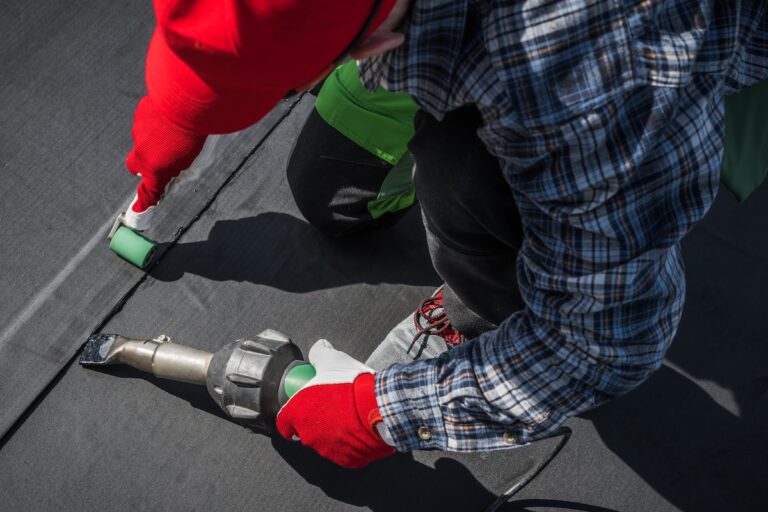
TPO seams are heat welded, which fuses the membrane sheets together. This creates a continuous bond that is often stronger than adhesive seams.
- EPDM seams: Depend on adhesives and tapes.
- TPO seams: Heat welded for uniform bonding.
- Failure risk: Seam quality impacts leak resistance.
Installation quality is essential for both systems.
3. Energy Efficiency and Heat Management
Energy performance is a major consideration for commercial buildings. TPO membranes are typically white and designed to reflect sunlight, reducing roof surface temperatures.
EPDM membranes are commonly black, which absorbs heat. While this can increase cooling loads in warm climates, it may reduce heating needs in cooler conditions.
- TPO reflectivity: Helps lower cooling demands.
- EPDM absorption: Retains heat more readily.
- Climate impact: Location influences performance benefits.
Energy goals often guide material choice.
4. Maintenance and Longevity Considerations
Both EPDM and TPO can provide long service life when properly maintained. However, maintenance needs differ based on material behavior and seam design.
EPDM roofs may require periodic seam inspections and adhesive maintenance. TPO roofs rely on seam weld integrity and surface condition to maintain performance.
- EPDM upkeep: Focuses on seam adhesion.
- TPO upkeep: Emphasizes weld inspection.
- Repair approach: Methods differ by material type.
Maintenance planning supports longevity.
Cost Factors for EPDM vs TPO
Cost considerations extend beyond initial installation. While pricing varies by project size and region, both systems are generally considered cost effective for commercial roofing.
EPDM may offer lower upfront material costs in some cases, while TPO can provide operational savings through energy efficiency. Long-term cost evaluation should include maintenance and energy use.
- Initial pricing: Varies by membrane thickness and installation.
- Operational impact: Energy savings affect total cost.
- Lifecycle value: Depends on maintenance and performance.
Cost analysis should be long-term.
Climate Performance for Commercial Buildings
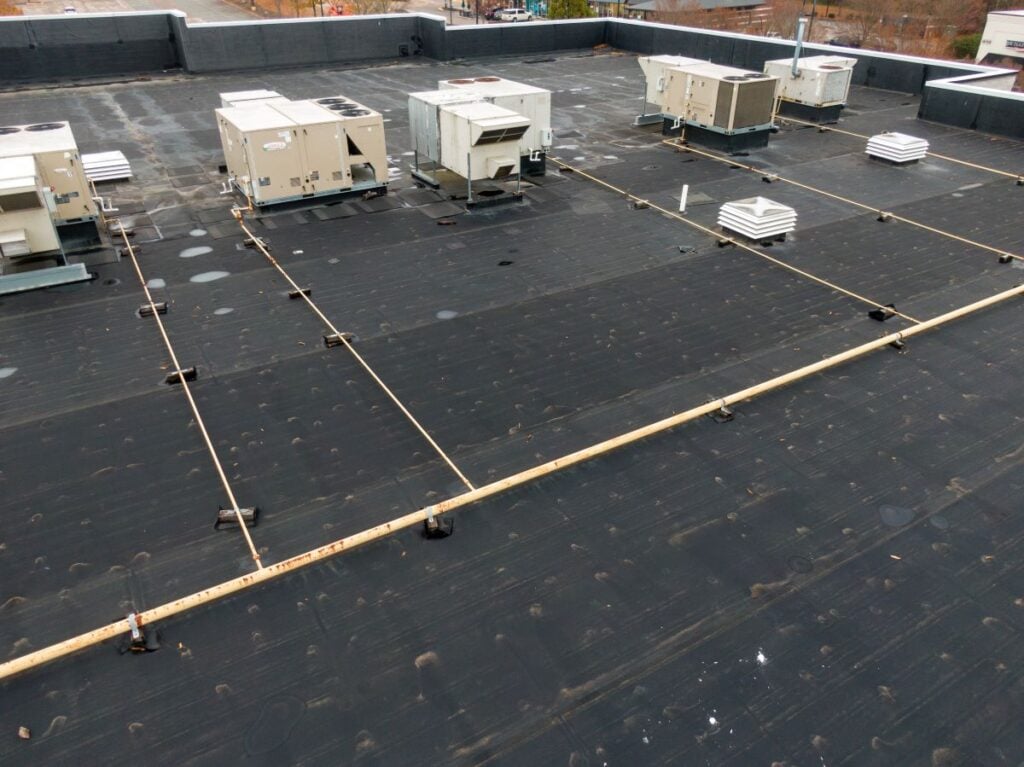
Climate conditions influence how EPDM and TPO perform. EPDM handles cold temperatures well due to its flexibility, making it suitable for areas with freeze-thaw cycles.
TPO performs well in hot, sunny environments where reflectivity reduces heat buildup. Wind exposure and weather patterns also affect system performance.
- Cold climates: EPDM maintains flexibility.
- Hot climates: TPO reduces heat absorption.
- Storm exposure: Installation quality matters.
Matching material to climate improves outcomes.
Installation Considerations for Commercial Properties
Installation methods differ between EPDM and TPO, affecting timelines and labor requirements. EPDM installation involves adhesives and careful seam preparation.
TPO installation requires specialized welding equipment and trained installers to ensure proper seam fusion.
- EPDM installation: Adhesive-based seam work.
- TPO installation: Heat welding process.
- Crew expertise: Impacts system reliability.
Installation quality is a deciding factor.
Common Misconceptions About EPDM and TPO
Some property owners assume one system is universally better than the other. In reality, performance depends on building design, usage, and environmental exposure.
Both EPDM and TPO have strengths and limitations. Understanding realistic expectations helps prevent dissatisfaction after installation.
- Not interchangeable: Each system has specific advantages.
- Performance depends on context: Building use matters.
- Installation matters most: Quality affects outcomes.
Informed decisions reduce risk.
Choosing Between EPDM and TPO
The choice between EPDM and TPO should be based on building needs rather than trends. Property owners should consider roof size, energy goals, climate exposure, and maintenance expectations.
Evaluating these factors together leads to better long-term performance and fewer surprises.
Get Clear Guidance for Your Commercial Roof
Understanding EPDM vs TPO differences allows commercial property owners to make informed decisions about flat roofing systems. Evaluating material behavior, energy performance, and maintenance needs supports long-term planning.
If you are assessing flat roofing options for a commercial property and want experienced perspective before moving forward, Quality Roofing can provide clear guidance to help you evaluate the best path forward.