 (850) 753-0041


DIY Roof Replacement: 7 Things to Know Before Starting
March 12, 2026
5 minutes Read
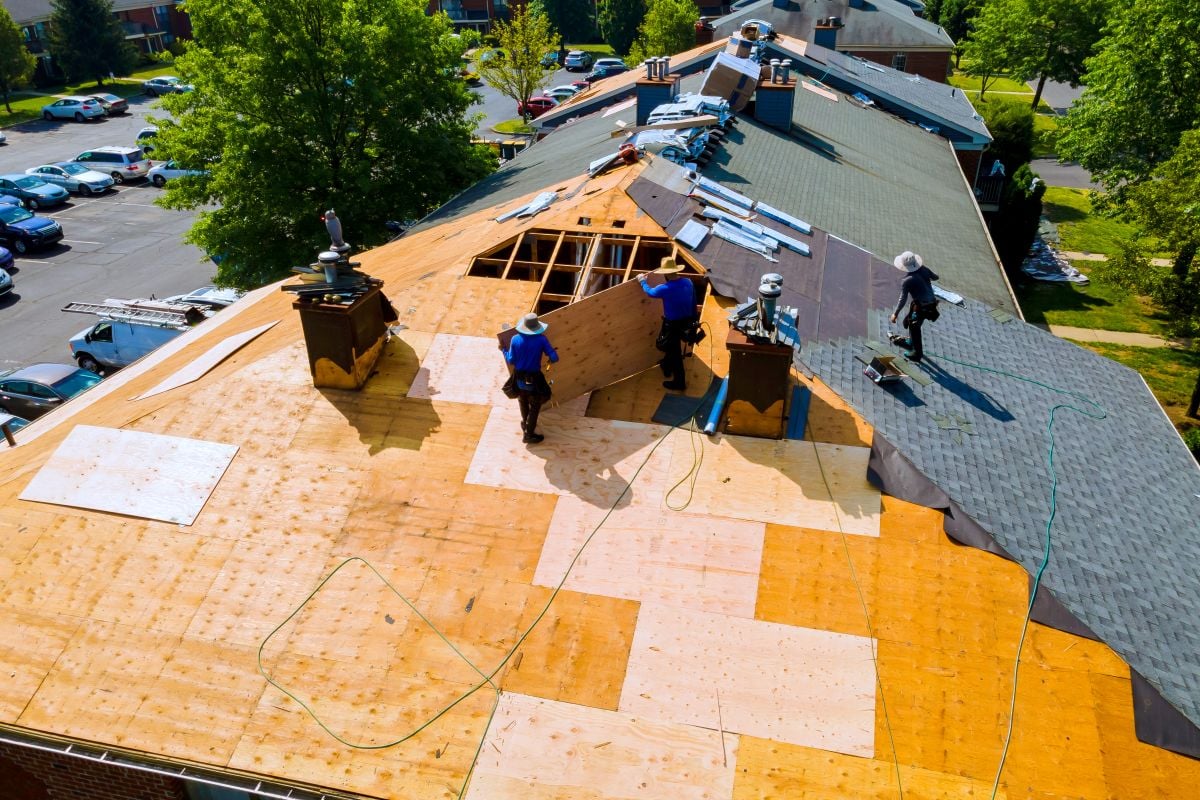
DIY roof replacement is something many homeowners consider when facing the cost and scale of a full roof replacement. While the idea of handling the project yourself may seem appealing, roofing is one of the most complex and risk-heavy home improvement tasks. Understanding what is truly involved before starting helps homeowners avoid mistakes that can compromise safety, performance, and long-term value.
- High responsibility: Roofing errors affect the entire home envelope.
- Technical precision: Small mistakes create long-term issues.
- Safety exposure: Falls and weather present serious risks.
Why Homeowners Consider DIY Roof Replacement
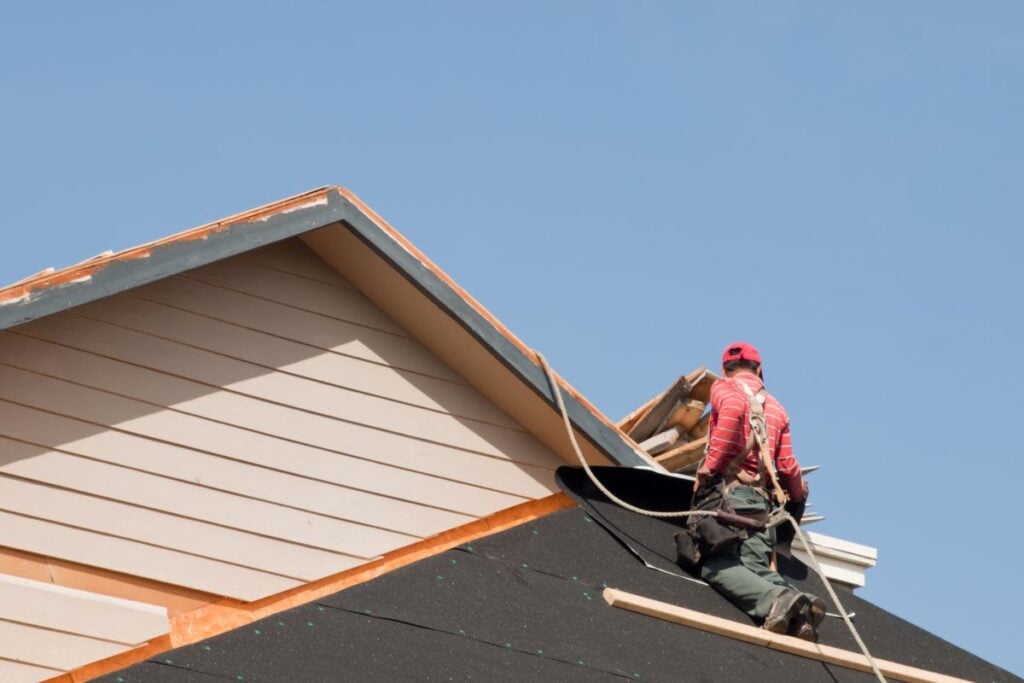
The primary motivation behind DIY roof replacement is cost savings. Labor makes up a large portion of roofing expenses, which leads many homeowners to believe they can significantly reduce the total price by doing the work themselves.
Another factor is accessibility to information. Online videos and guides can make roofing appear manageable, but these resources often oversimplify the process. Roofing systems rely on precise sequencing and material compatibility, which is not always obvious until problems occur.
- Labor cost avoidance: Appears to lower upfront expense.
- Schedule flexibility: Work can be done on your own timeline.
- Perceived simplicity: Online tutorials make roofing look easy.
What a Roof Replacement Actually Includes
Replacing a roof is not a single task but a series of dependent steps that must be executed correctly. Each phase builds on the previous one, and skipping or rushing any part increases the risk of failure.
Beyond installing shingles, a proper roof replacement involves assessing the structure beneath, managing water flow, and ensuring the system works as a whole. This complexity is often underestimated at the planning stage.
- Material removal: Shingles, underlayment, and fasteners.
- Deck evaluation: Identifying rot or moisture damage.
- Moisture barriers: Underlayment and flashing installation.
- Surface installation: Correct shingle layout and fastening.
- Ventilation planning: Managing heat and moisture movement.
7 Things to Know Before Attempting a DIY Roof Replacement
These seven considerations represent the most common challenges homeowners face when attempting a DIY roof replacement.
1. Roofing Is Physically Demanding
Roof replacement requires sustained physical effort. Carrying materials, bending repeatedly, and maintaining balance on sloped surfaces takes a toll even on experienced DIYers.
Fatigue increases the likelihood of mistakes and injuries, especially as projects stretch across multiple days.
- Heavy materials: Shingles and supplies add up quickly.
- Extended work time: Projects rarely finish in one day.
- Reduced focus: Fatigue affects precision and safety.
2. Fall Risk Is One of the Biggest Hazards
Working at height introduces serious safety risks. Roof edges, slopes, and debris create constant exposure to falls.
Even with safety equipment, roofing remains one of the most dangerous home improvement activities.
- Roof edges: Minimal margin for error.
- Surface instability: Loose materials increase slip risk.
- Tool handling: Nail guns and blades require control.
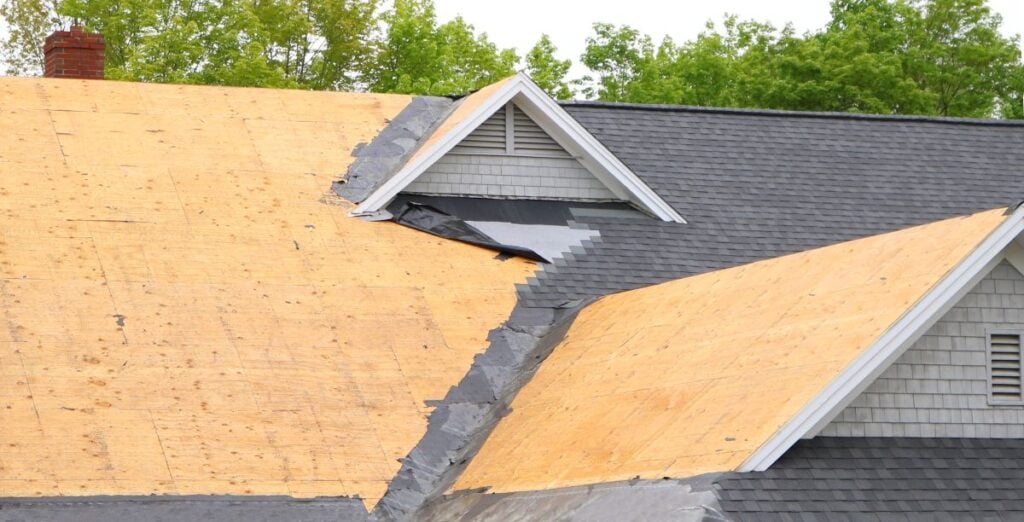
3. Tear-Off Often Reveals Hidden Damage
Removing old roofing materials frequently uncovers issues that were not visible beforehand. These problems must be addressed before new materials are installed.
Unexpected damage can significantly increase project scope and cost.
- Deck rot: Weakens structural support.
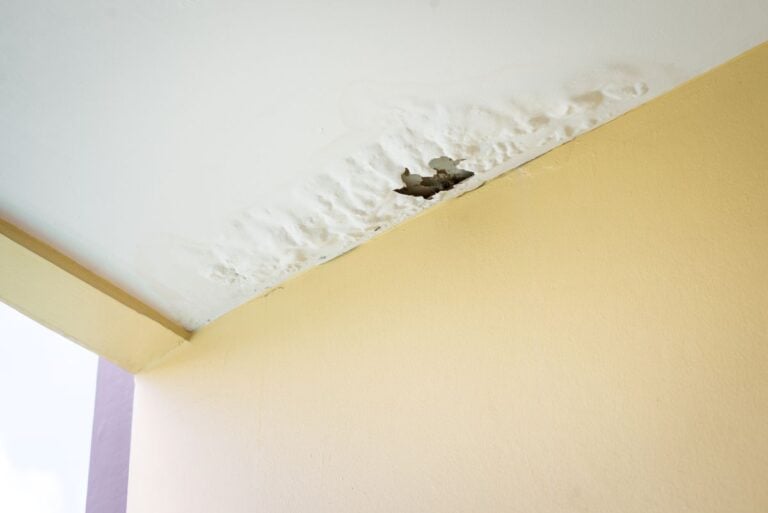
- Moisture staining: Indicates past leaks.
- Loose sheathing: Requires refastening or replacement.
4. Installation Errors Are Easy to Make
Roofing systems depend on precise installation methods. Small errors may not be visible from the ground but can lead to leaks or wind damage.
Many premature roof failures are traced back to minor installation mistakes.
- Incorrect nailing: Leads to shingle movement.
- Improper spacing: Prevents sealing strips from bonding.
- Flashing mistakes: Create direct leak paths.
5. Specialized Tools Are Required
Roof replacement requires more than basic household tools. Specialized equipment improves consistency and safety.
Without the proper tools, installation quality often suffers.
- Roofing nailers: Control nail placement and depth.
- Safety harnesses: Reduce fall risk.
- Cutting tools: Ensure clean material edges.
6. Weather Timing Can Disrupt Everything
Roof replacement exposes your home during the process. Weather changes can quickly turn a planned project into an emergency.
Timing mistakes often lead to interior damage.
- Rain exposure: Can soak insulation and drywall.
- Cold conditions: Delay shingle sealing.
- Extreme heat: Increases exhaustion and injury risk.
7. Warranty Coverage May Be Lost
Most roofing manufacturers require strict installation guidelines for warranties to remain valid. DIY installations often fail to meet these requirements.
Losing warranty protection increases long-term risk.
- Improper fasteners: Can void coverage.
- Incorrect underlayment: Violates warranty terms.
- Non-compliant methods: Remove manufacturer protection.
Tools Commonly Needed for DIY Roof Replacement
Preparation is often underestimated when planning a DIY roof replacement. Having the correct tools directly impacts both safety and results.
- Chalk line: Keeps shingle rows straight.
- Utility knives: Cut shingles and underlayment cleanly.
- Roof jacks: Provide stable working platforms.
- Protective gear: Harnesses, gloves, and eye protection.
Common DIY Roofing Mistakes to Avoid
DIY roofing projects often fail for predictable reasons. Recognizing these patterns helps homeowners assess readiness.
- Skipping deck inspection: Allows hidden damage to remain.
- Improper flashing installation: Creates leak-prone areas.
- Ignoring ventilation needs: Leads to moisture buildup.
When DIY Roof Replacement Is Not the Right Choice
Certain roof designs significantly increase risk. Steep slopes, multi-story homes, and complex rooflines reduce margin for error.
Structural issues or specialty materials also demand professional experience.
- Steep roof pitches: Increase fall severity.
- Complex layouts: Require advanced flashing skills.
- Structural concerns: Need professional evaluation.
Alternatives to Full DIY Roof Replacement
Some homeowners choose to stay involved without taking on full responsibility. Partial involvement can still add value.
- Education-focused approach: Learn to evaluate workmanship.
- Preparation tasks: Assist with cleanup or staging.
- Decision support: Understand systems before committing.
Making a Smarter Roofing Decision
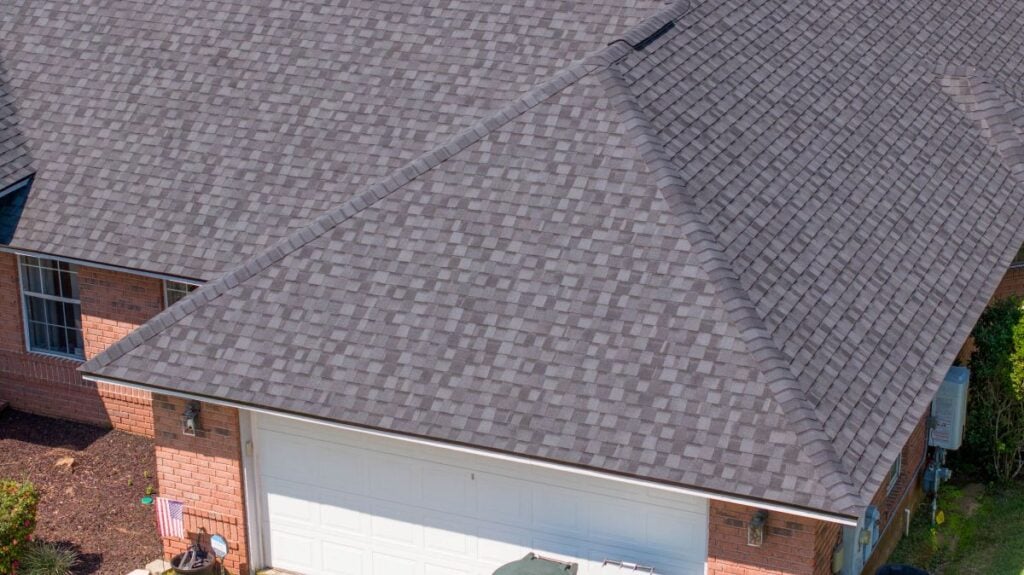
DIY roof replacement is a serious undertaking that affects your home’s safety, efficiency, and value. Understanding the real demands helps homeowners avoid costly surprises.
Roofing mistakes are difficult and expensive to reverse, which makes informed decision-making essential.
Get Perspective Before You Commit
Roof replacement decisions should be made with accurate expectations and a clear understanding of risks. Knowing what you are taking on helps prevent regret later.
If you are considering a DIY roof replacement and want experienced perspective before starting, Quality Roofing can provide clear guidance to help you make a confident decision.