
 (850) 753-0041


How to Find a Roof Leak (8 Common Places & Tools)
March 10, 2026
6 minutes Read
How to find a roof leak is one of the most common questions homeowners ask after noticing water stains, damp insulation, or unexplained moisture inside their home. Roof leaks are not always obvious and often travel far from the point of entry before becoming visible indoors. Understanding where leaks typically occur and what tools help locate them allows homeowners to act quickly and limit damage.
- Early detection: Helps prevent structural and interior damage.
- Cost control: Smaller repairs are easier and less expensive.
- Peace of mind: Knowing what to check reduces uncertainty.
Why Roof Leaks Can Be Hard to Locate
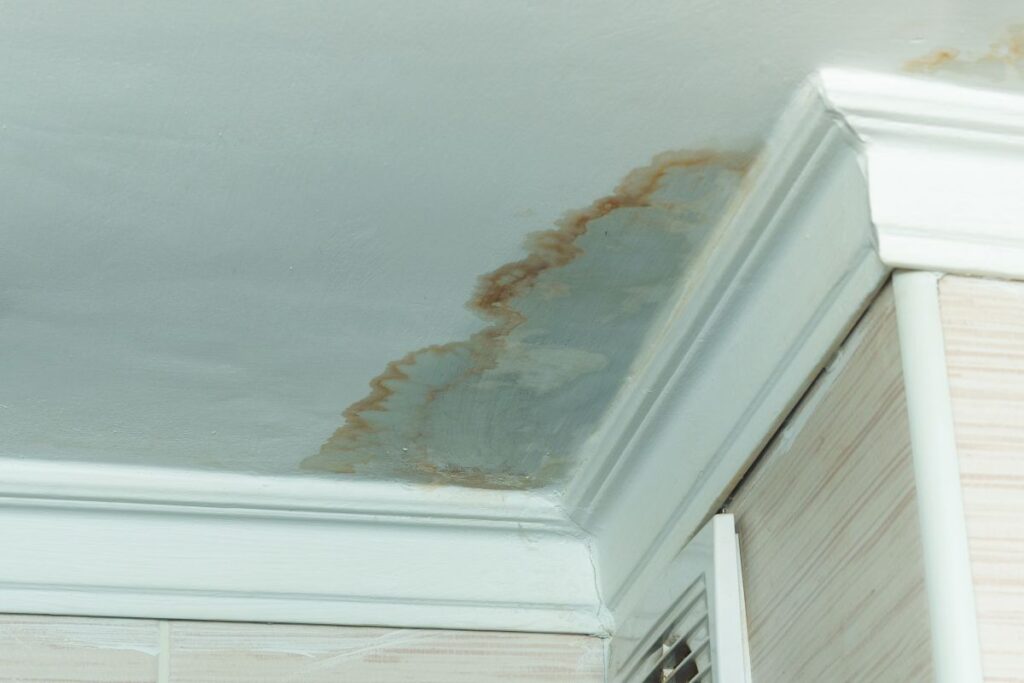
Roof leaks rarely appear directly beneath the point where water enters the roof. Water can travel along rafters, decking, and insulation before dripping into living spaces. This makes identifying the true source challenging without a systematic approach.
Additionally, some leaks only occur during specific conditions such as heavy rain or wind driven storms. Small openings may go unnoticed until moisture builds up over time, making careful inspection essential.
Signs You May Have a Roof Leak
Before searching for the source, it helps to recognize common warning signs. These indicators often appear inside the home first.
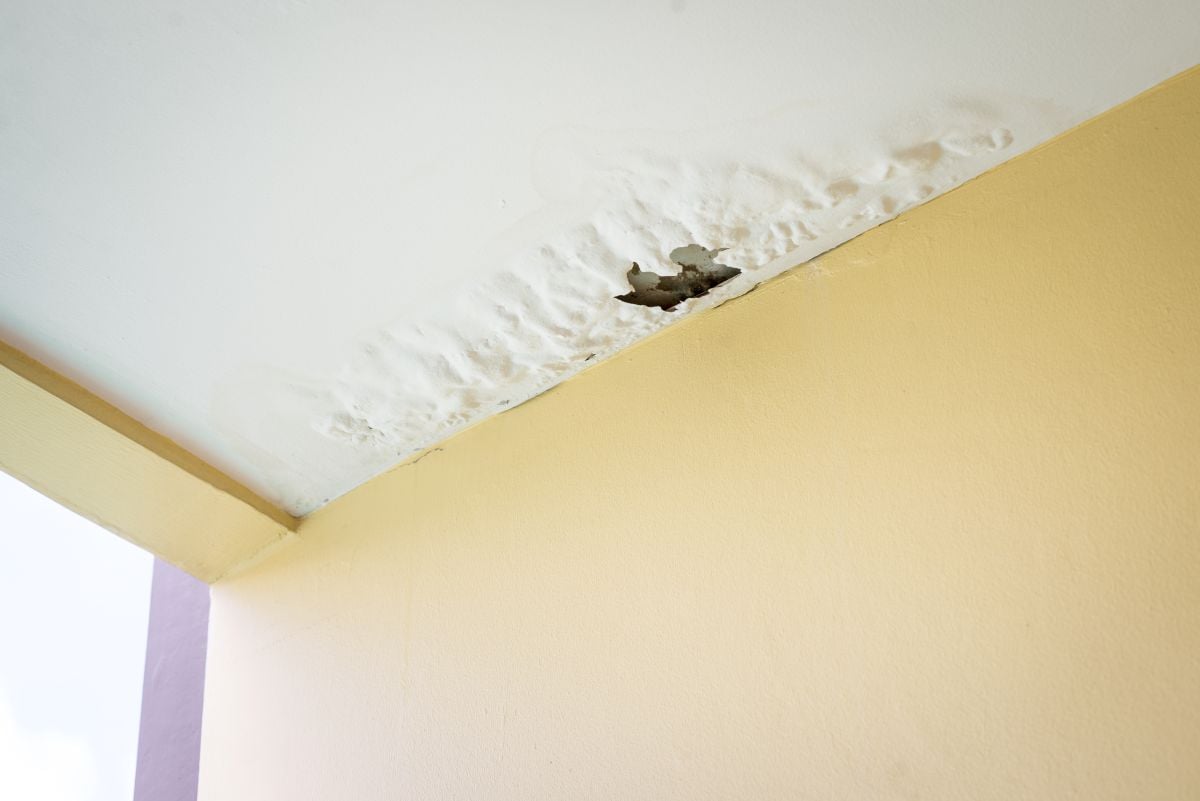
- Ceiling stains: Brown or yellow discoloration on ceilings or walls.
- Dripping water: Active leaks during rainfall.
- Musty odors: Moisture trapped in insulation or framing.
- Peeling paint: Indicates prolonged moisture exposure.
These signs signal the need to investigate further.
Tools That Help Locate a Roof Leak
Finding a roof leak is easier with the right tools. Homeowners do not need professional equipment, but basic tools improve accuracy and safety.
- Flashlight: Helps inspect dark attic spaces.
- Moisture meter: Detects damp areas behind surfaces.
- Garden hose: Simulates rainfall during testing.
- Chalk or marker: Marks suspected leak paths.
- Protective gear: Gloves and eye protection improve safety.
Using these tools together allows for a more controlled inspection.
8 Common Places to Check When Finding a Roof Leak
The following areas are the most frequent sources of roof leaks. Inspecting them methodically increases the chance of locating the problem.
1. Around Chimney Flashing
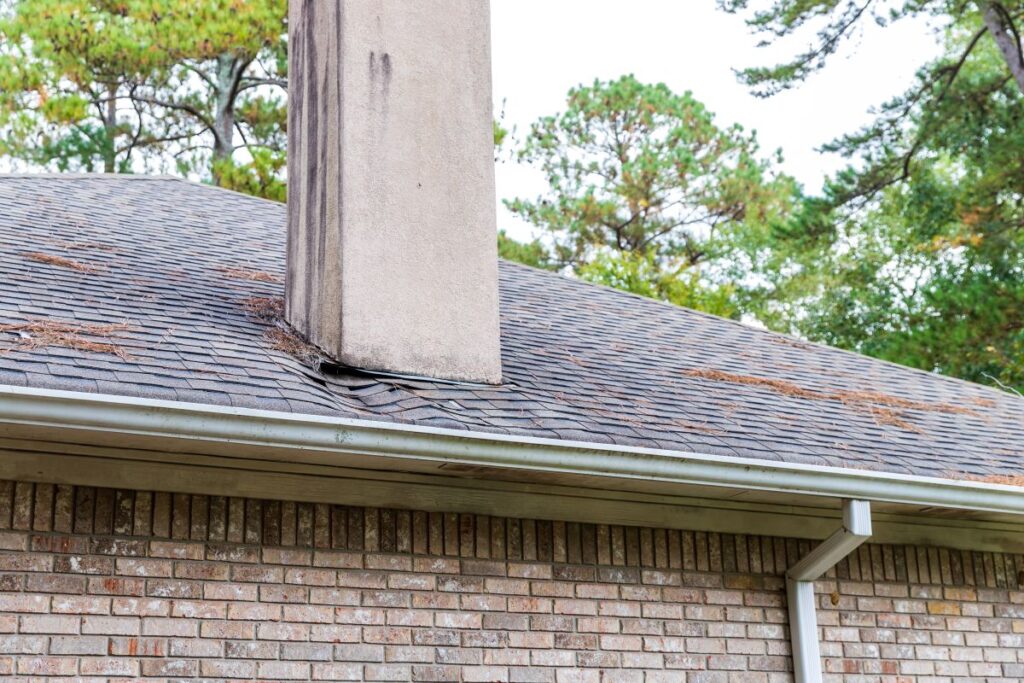
Chimneys are one of the most common leak locations because they interrupt the roof surface. Flashing seals the joint between the chimney and roofing materials.
- Cracked flashing: Allows water entry during rain.
- Loose metal edges: Creates gaps over time.
- Deteriorated sealant: Loses effectiveness as it ages.
Even small flashing failures can cause significant leaks.
2. Roof Valleys
Roof valleys handle large volumes of water because they channel runoff from multiple roof sections. Any obstruction or damage here increases leak risk.
- Debris buildup: Traps moisture against shingles.
- Worn underlayment: Allows water penetration.
- Improper installation: Creates weak drainage points.
Valleys require clear drainage to function properly.
3. Skylights and Roof Windows
Skylights introduce additional seams and flashing details. Poor installation or aging components often cause leaks.
- Failed seals: Allow water around the frame.
- Cracked glazing: Lets moisture inside.
- Improper flashing: Causes leaks during storms.
Leaks here often show up as ceiling stains near skylights.
4. Roof Vents and Pipe Boots
Plumbing vents and exhaust pipes penetrate the roof surface. The rubber or metal boots sealing these penetrations degrade over time.
- Cracked rubber boots: Allow direct water entry.
- Loose fasteners: Create small gaps.
- Corrosion: Weakens metal components.
These areas are easy to overlook but commonly fail.
5. Damaged or Missing Shingles
Shingles protect the roof deck from direct water exposure. When shingles are damaged or missing, leaks can occur quickly.
- Cracked shingles: Allow water through.
- Lifted edges: Let wind driven rain enter.
- Missing shingles: Expose underlayment and decking.
Even minor shingle damage can lead to leaks.
6. Roof Deck and Attic Areas
Sometimes the leak source is visible from inside the attic. Inspecting the underside of the roof deck can reveal moisture trails.
- Water stains: Show the path of leaking water.
- Darkened wood: Indicates prolonged moisture.
- Wet insulation: Signals active leaks above.
Attic inspections often provide critical clues.
7. Gutters and Roof Edges
Poor drainage can cause water to back up under shingles. Gutters and roof edges play a key role in water management.
- Clogged gutters: Force water under roof edges.
- Missing drip edge: Allows water to wick back.
- Sagging gutters: Disrupt proper drainage.
Edge related leaks often affect fascia and soffits.
8. Previous Repair Areas
Areas that have been repaired before are more likely to leak again if repairs were not done correctly.
- Temporary patches: Break down over time.
- Mismatched materials: Create sealing issues.
- Improper flashing repairs: Fail during heavy rain.
Repaired sections should always be inspected closely.
How to Use a Hose Test to Find a Leak
A controlled hose test can help pinpoint leaks when visual inspection is inconclusive. This method simulates rainfall while someone observes from inside the attic.
Start at the lowest point of the roof and gradually move upward. Spraying too much water at once can make it harder to identify the exact entry point.
What Not to Do When Searching for a Roof Leak
Certain actions can make the problem worse or create safety risks. Homeowners should avoid climbing on wet roofs or removing large sections of shingles.
- Avoid walking on steep roofs: Reduces fall risk.
- Do not remove shingles unnecessarily: Can cause more damage.
- Avoid guessing: Misdiagnosis leads to ineffective repairs.
Safety and accuracy should always come first.
Temporary Steps to Limit Damage
If a leak is active, temporary measures can reduce interior damage until repairs are made.
- Catch dripping water: Use buckets or containers.
- Relieve ceiling pressure: Puncture bulging drywall carefully.
- Protect belongings: Move furniture and valuables away.
These steps help control damage but do not replace proper repairs.
When Finding the Leak Requires Professional Help
Some leaks are difficult to locate due to roof complexity or hidden damage. Persistent leaks often require advanced inspection methods.
Multiple leaks, flat roof systems, or leaks tied to structural issues may need professional evaluation. Early assistance helps prevent extensive damage.
Preventing Future Roof Leaks
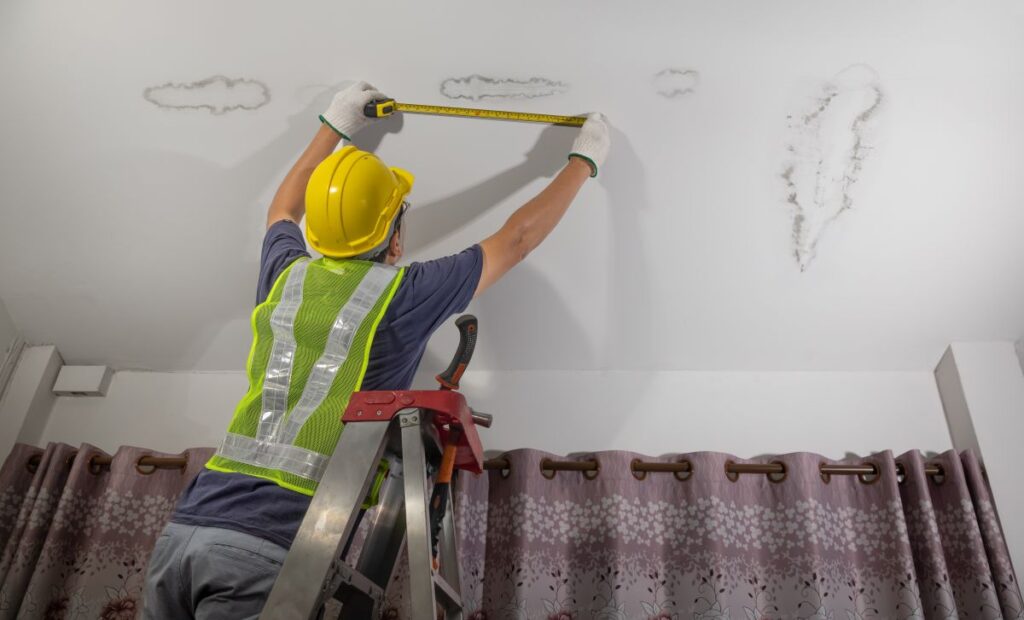
Once a leak is located and repaired, prevention becomes the priority. Regular inspections and maintenance reduce the likelihood of future issues.
- Routine roof inspections: Identify early warning signs.
- Gutter maintenance: Keeps water flowing properly.
- Prompt repairs: Address small issues before they worsen.
Proactive care supports long term roof performance.
Take Control of Roof Leak Issues Early
Knowing how to find a roof leak helps homeowners respond quickly and avoid unnecessary damage. A methodical inspection of common problem areas often reveals the source.
If you are dealing with a roof leak or want expert guidance on identifying the cause, reach out to Quality Roofing for expert advice and solutions.