 (850) 753-0041


5 Best Attic Insulation Options & Their Benefits
March 3, 2026
6 minutes Read
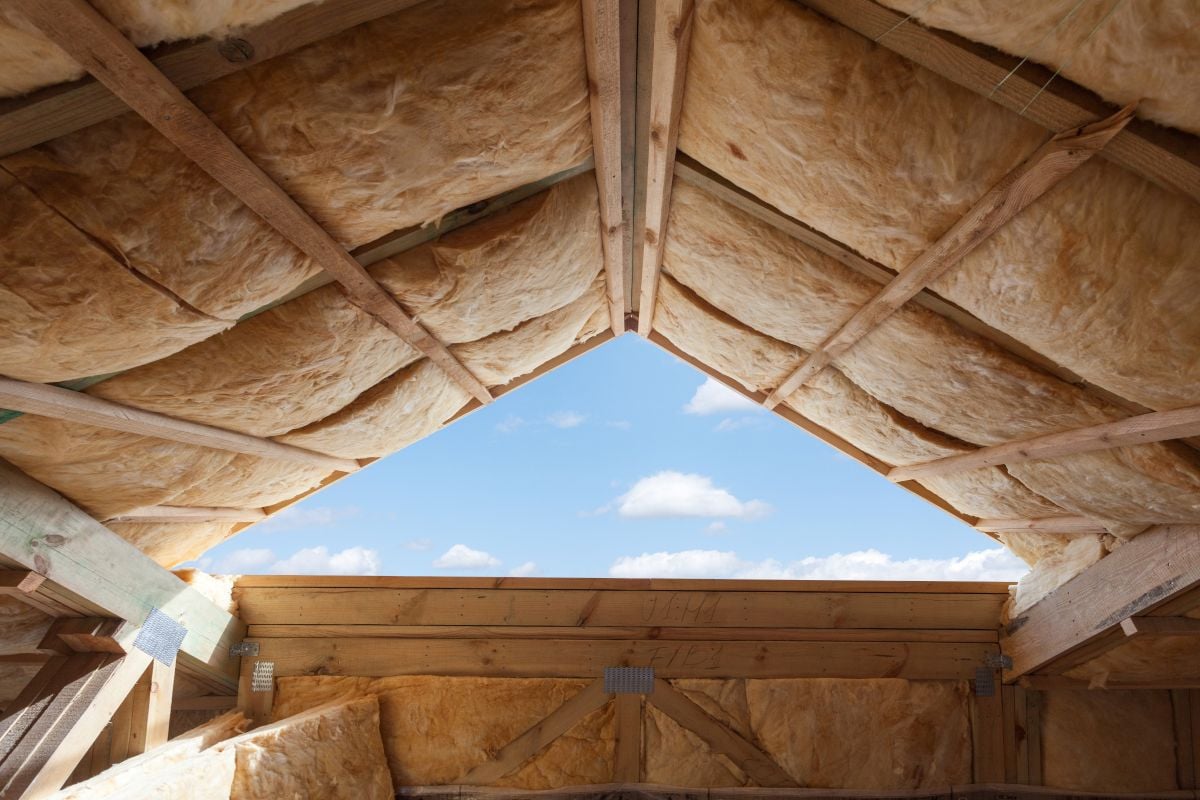
Choosing the best attic insulation is one of the most effective ways homeowners can improve comfort, energy efficiency, and long term home performance. Attic insulation plays a major role in regulating indoor temperatures, reducing energy loss, and protecting roofing systems from moisture related issues. Understanding the different insulation options available helps homeowners select a solution that fits their home, climate, and budget.
- Energy efficiency: Reduces heat transfer and HVAC workload.
- Indoor comfort: Maintains more consistent temperatures year round.
- Moisture control: Helps prevent condensation and mold risks.
Why Attic Insulation Matters for Your Home
The attic is one of the largest sources of energy loss in most homes. Without proper insulation, heat escapes during cooler months and enters during warmer months, forcing HVAC systems to work harder than necessary. This inefficiency often leads to higher energy bills and uneven indoor temperatures.
For homeowners, attic insulation also protects the roofing system itself. Proper insulation helps regulate attic temperatures, which reduces stress on roofing materials and limits moisture buildup that can damage decking and structural components over time.
How Attic Insulation Works
Attic insulation slows the movement of heat between your living space and the outside environment. It creates a thermal barrier that reduces conductive and radiant heat transfer.
Different insulation materials achieve this goal using different methods. Some trap air pockets to slow heat flow, while others reflect radiant heat away from the home. Understanding these differences makes it easier to choose the right insulation type.
5 Best Attic Insulation Options for Homeowners
The following attic insulation options are commonly used in residential homes. Each has unique benefits depending on attic design, climate conditions, and homeowner priorities.
1. Fiberglass Batt Insulation
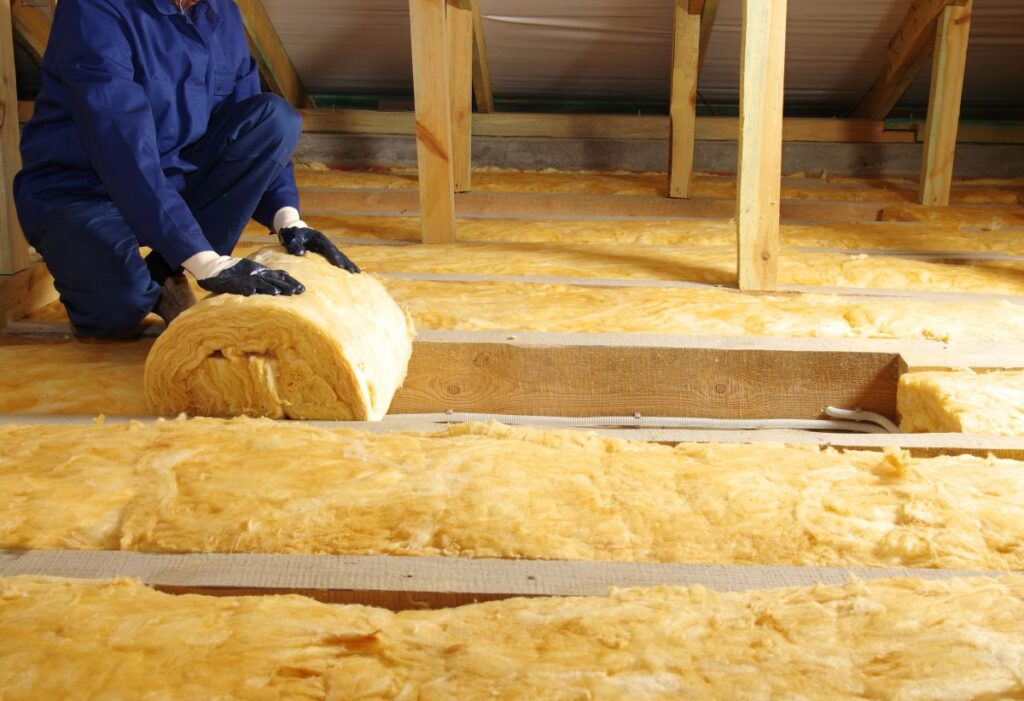
Fiberglass batt insulation is one of the most widely used attic insulation materials. It is typically installed in pre cut sections that fit between attic joists.
Fiberglass batts are popular due to their availability and affordability. They work best in attics with standard framing and minimal obstructions.
- Cost effective: Often one of the most affordable options.
- Easy installation: Fits standard joist spacing.
- Fire resistance: Non combustible material.
Proper installation is critical to avoid gaps that reduce performance.
2. Blown In Fiberglass Insulation
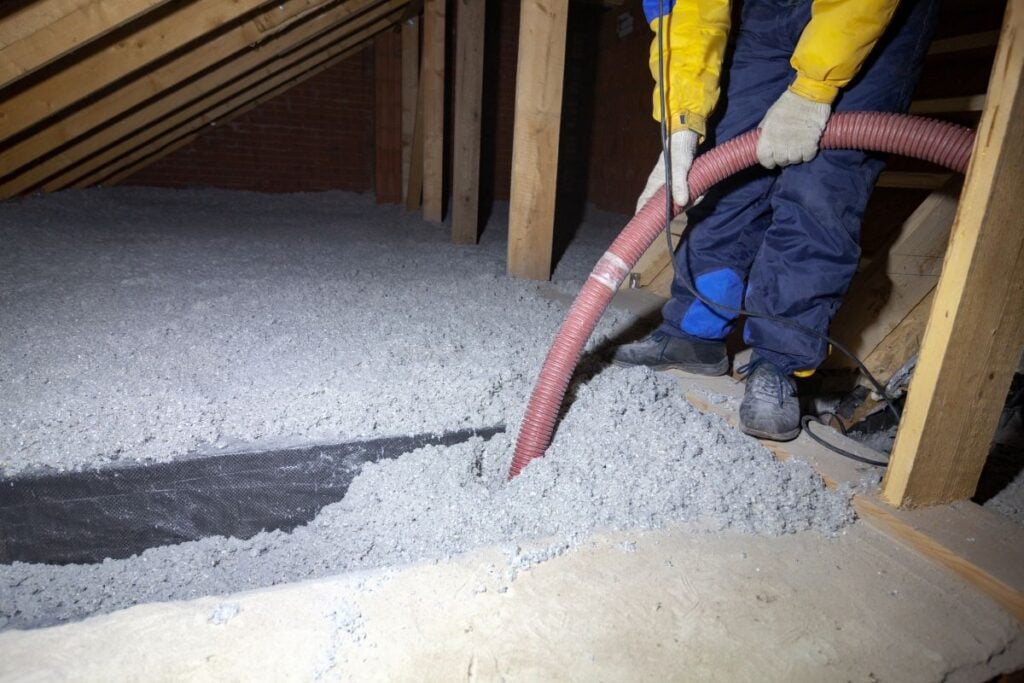
Blown in fiberglass insulation consists of loose fiberglass particles that are evenly distributed across the attic floor. This method allows insulation to fill irregular spaces more effectively.
Blown in insulation is ideal for attics with obstructions, uneven framing, or existing insulation that needs reinforcement.
- Full coverage: Fills gaps and hard to reach areas.
- Improved thermal barrier: Reduces air pockets.
- Upgrade friendly: Can be added over existing insulation.
This option is commonly chosen for attic insulation upgrades.
3. Cellulose Insulation
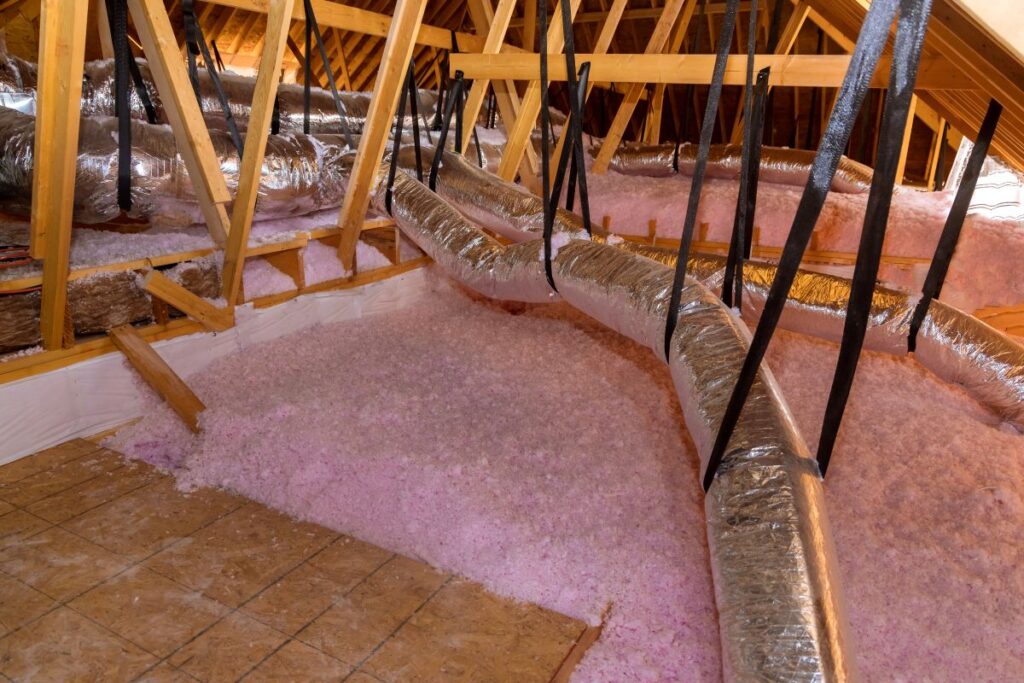
Cellulose insulation is made from recycled paper products treated with fire resistant additives. It is typically installed as blown in insulation.
Homeowners often choose cellulose for its eco friendly composition and strong thermal performance. It provides dense coverage that limits air movement.
- High density: Reduces air leakage effectively.
- Eco conscious: Made from recycled materials.
- Sound reduction: Helps dampen noise transmission.
Cellulose requires proper moisture control to maintain performance.
4. Spray Foam Insulation
Spray foam insulation expands after application, sealing gaps and creating an air tight barrier. It is available in open cell and closed cell varieties.
Spray foam is often used in attics where air sealing is a top priority. It can be applied directly to roof decking or attic walls depending on design.
- Air sealing: Blocks drafts and air leakage.
- Moisture resistance: Helps control condensation.
- Structural support: Adds rigidity in some applications.
This option typically has a higher upfront cost but delivers strong performance.
5. Radiant Barrier Insulation
Radiant barrier insulation works differently than traditional insulation. Instead of slowing heat transfer through materials, it reflects radiant heat away from the home.
Radiant barriers are commonly installed along the underside of the roof deck and are most effective in warm climates.
- Heat reflection: Reduces attic heat gain.
- Cooling support: Helps lower summer energy use.
- Supplemental use: Often paired with other insulation types.
Radiant barriers are not a standalone solution in most homes.
Comparing Attic Insulation Performance
Each insulation type offers different performance benefits. Some prioritize affordability, while others focus on air sealing or long term efficiency.
Homeowners should consider factors such as attic accessibility, climate, existing insulation, and energy goals when comparing options. No single insulation type is ideal for every home.
How Climate Influences Attic Insulation Choice
Climate plays a major role in determining which attic insulation performs best. Homes in warm climates often benefit from insulation that reduces heat gain, while cooler climates require insulation that prevents heat loss.
In regions with high humidity, moisture control becomes equally important. Insulation choices should support ventilation and prevent condensation buildup that can damage roofing materials.
Common Attic Insulation Mistakes to Avoid
Even high quality insulation can underperform if installed incorrectly. Homeowners should be aware of common mistakes that reduce effectiveness.
- Insufficient thickness: Reduces thermal resistance.
- Gaps and compression: Allows heat transfer.
- Blocked ventilation: Traps moisture and heat.
- Improper material selection: Limits performance.
Proper planning and installation prevent these issues.
Signs Your Attic Insulation May Need Improvement
Many homes have insulation that no longer meets current efficiency standards. Recognizing warning signs helps homeowners address issues early.
- Uneven indoor temperatures: Indicates heat loss or gain.
- High energy bills: Suggests poor insulation performance.
- Ice dams or condensation: Signal temperature imbalance.
- Drafts: Point to air leakage from the attic.
Upgrading insulation can resolve these issues.
How Attic Insulation Supports Roof Performance
Attic insulation does more than improve indoor comfort. It helps protect the roofing system by reducing extreme temperature swings in the attic.
Consistent attic temperatures reduce stress on roofing materials, minimize moisture buildup, and support longer roof lifespan. This makes insulation an important part of overall roof health.
Choosing the Best Attic Insulation for Your Home
The best attic insulation depends on your home’s design, climate exposure, and energy efficiency goals. Some homeowners prioritize upfront cost, while others focus on long term savings and comfort.
Evaluating insulation performance, installation requirements, and maintenance considerations helps homeowners make confident decisions that align with their needs.
Make Smarter Choices for Your Home
Attic insulation plays a critical role in home efficiency, comfort, and roof performance. Understanding the benefits of each insulation option helps homeowners select solutions that support long term value.
If you have questions about attic insulation options or want guidance on improving your home’s energy efficiency, reach out to Quality Roofing for expert advice and solutions tailored to your specific needs.