 (850) 753-0041


Why You Need Drip Edge Flashing & Installation
February 24, 2026
6 minutes Read
Drip edge flashing is a small but critical roofing component that plays a major role in protecting your roof, fascia, and home exterior from water damage. While it’s often overlooked, drip edge helps control how water leaves the roof and prevents moisture from reaching vulnerable areas. Understanding why drip edge flashing matters and how it’s installed can help homeowners avoid preventable damage and extend the life of theirroofing system.
- Water control: Directs runoff away from roof edges and trim.
- Damage prevention: Protects decking, fascia, and soffits from rot.
- Code compliance: Required by most modern building codes.
What Is Drip Edge Flashing?
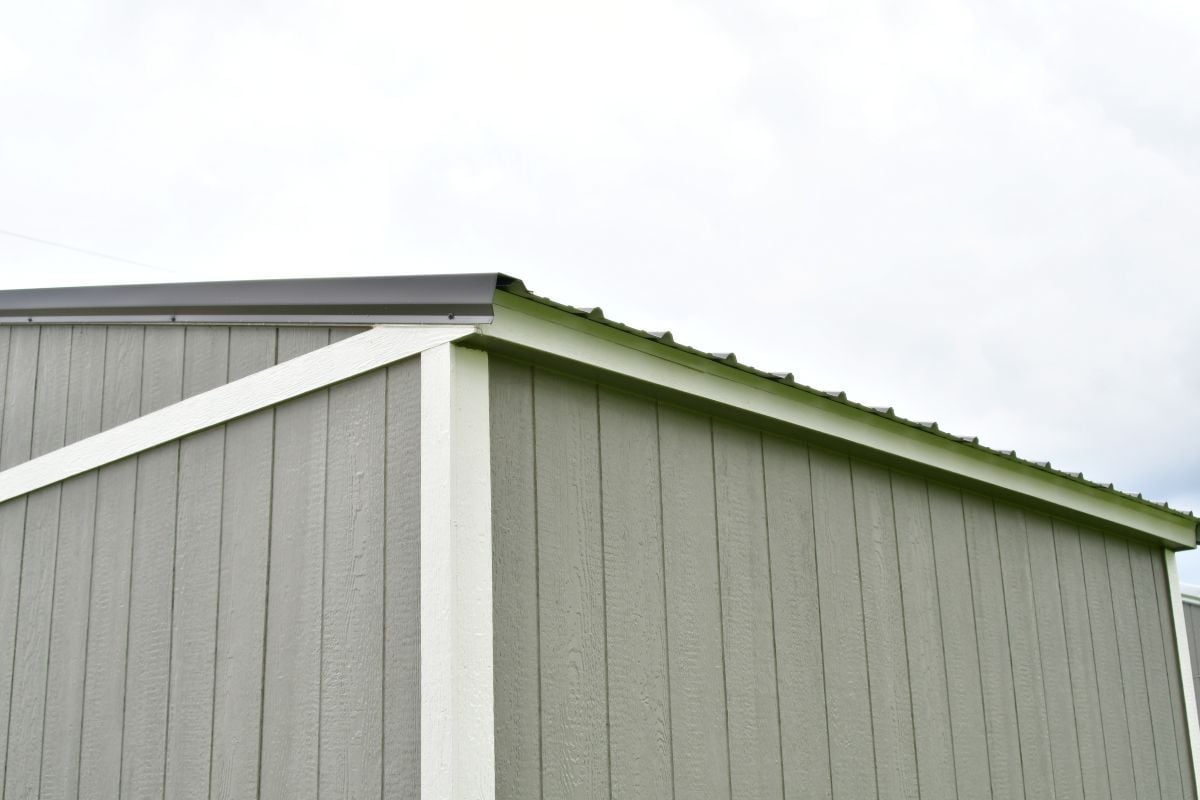
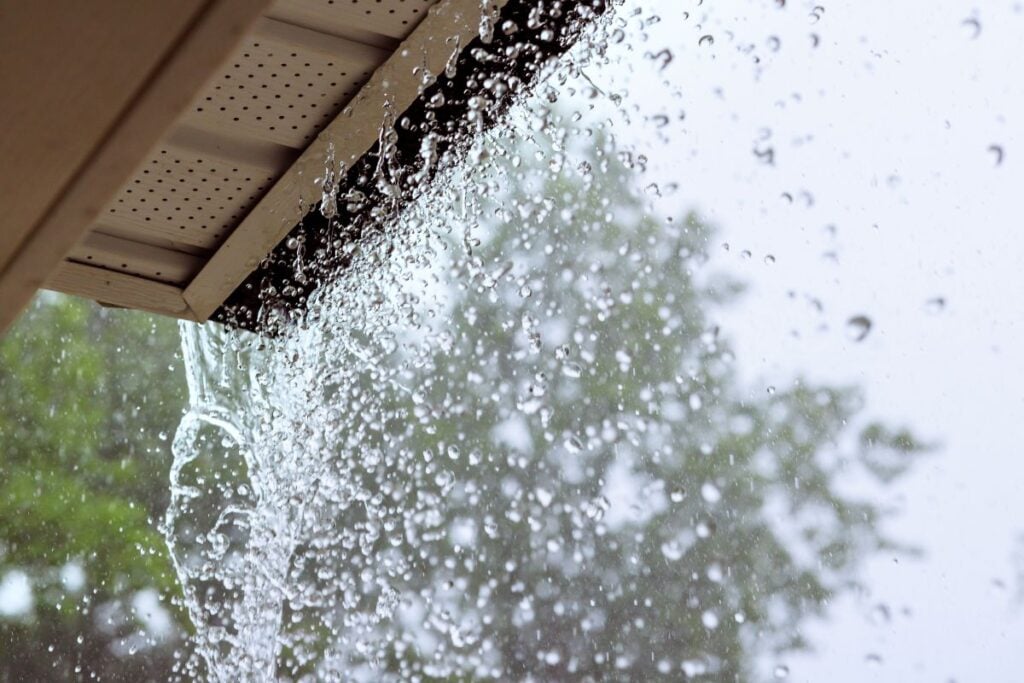
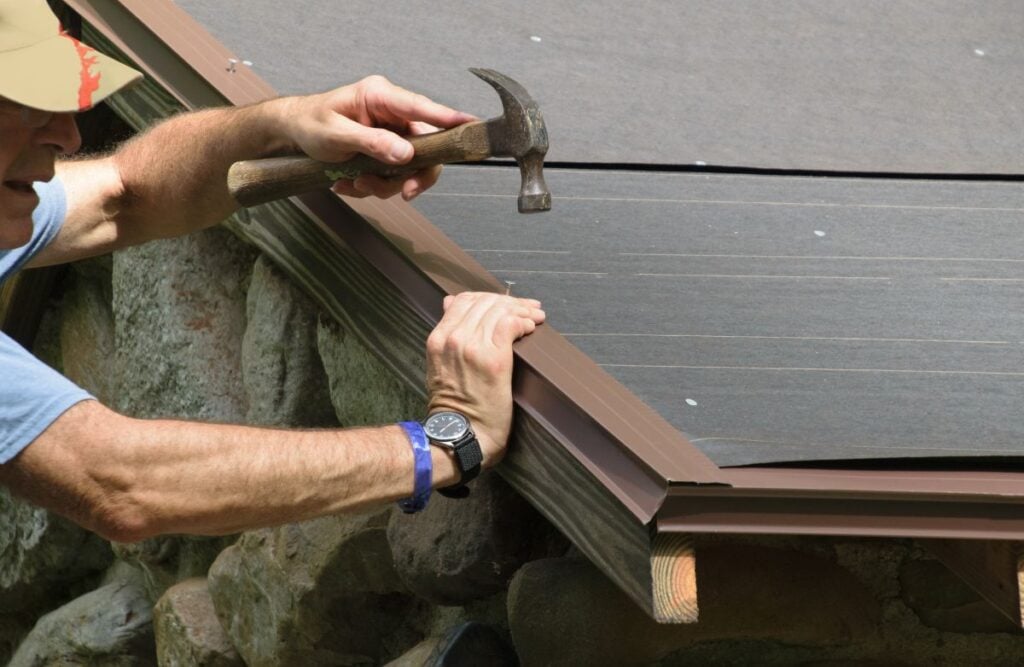
Drip edge flashing is a metal strip installed along the edges of a roof, including the eaves and rakes. Its purpose is to guide water away from the roof deck and into the gutter system instead of allowing it to wick back under shingles. Drip edge is typically made from aluminum or galvanized steel and is shaped to encourage controlled water runoff.
For homeowners in Sanford and surrounding areas, drip edge flashing is especially important due to frequent rain and high humidity. Without it, water can soak into wood components, leading to rot, staining, and structural deterioration over time.
Why Drip Edge Flashing Is So Important
Roof edges are one of the most vulnerable areas of any roofing system. Water naturally concentrates at these points, making protection essential.
Drip edge flashing creates a physical barrier that prevents water from curling back toward the roof deck. It also helps support shingles at the edge, reducing sagging and improving overall roof performance.
Problems That Occur Without Drip Edge Flashing
Homes without drip edge flashing often experience premature roof edge damage. These issues may not be visible immediately but tend to worsen over time.
- Fascia rot: Prolonged moisture exposure weakens wood trim.
- Decking damage: Water intrusion causes soft spots and decay.
- Siding stains: Runoff leaves visible streaks and discoloration.
- Foundation concerns: Poor drainage allows water to pool near the home.
These problems are far more expensive to repair than installing drip edge correctly.
Drip Edge Flashing and Building Code Requirements
Modern building codes require drip edge flashing on most residential roofs. These requirements are based on long-term performance data and water management standards.
Code-compliant installation ensures drip edge is placed correctly at both the eaves and rakes. Homes without drip edge may not meet current standards, especially during roof replacement projects.
How Drip Edge Flashing Works With Other Roof Components
Drip edge flashing does not work alone. It functions as part of a complete roofing system that includes underlayment, shingles, and gutters.
At the eaves, drip edge is installed beneath the underlayment so water flows onto the metal and into the gutter. Along the rakes, it is installed over the underlayment to block wind-driven rain. This layering ensures proper water direction at all roof edges.
Drip Edge Flashing Installation Overview
Drip edge installation follows a specific sequence to ensure proper performance. Each step plays a role in protecting the roof structure.
Roof Edge Preparation
Before installation, roof edges and fascia are inspected for damage. Any rot or loose boards must be repaired to provide a solid attachment surface.
- Deck inspection: Ensures structural integrity.
- Fascia condition: Identifies moisture-related damage.
- Edge alignment: Confirms straight installation lines.
Preparation prevents future issues after installation.
Drip Edge Placement at the Eaves
The eaves handle the highest volume of water runoff. Drip edge flashing is installed directly on the roof deck at these locations.
- Underlayment layering: Installed beneath the underlayment.
- Proper angle: Directs water into gutters.
- Secure fastening: Prevents movement during storms.
Correct placement at the eaves is essential for effective drainage.
Drip Edge Placement at the Rakes
Rake edges run along the sloped sides of the roof. Installation order differs slightly here.
- Over-under placement: Installed over the underlayment.
- Wind protection: Blocks wind-driven rain.
- Edge coverage: Shields exposed decking.
This step improves wind resistance and moisture control.
Joint Overlap and Sealing
Where drip edge sections meet, proper overlap is required to maintain continuous protection.
- Seam overlap: Prevents water intrusion at joints.
- Consistent fastening: Keeps metal securely in place.
- Smooth transitions: Reduces debris catch points.
Proper joint handling supports long-term durability.
Common Drip Edge Installation Mistakes
Even when drip edge is present, incorrect installation can limit its effectiveness. Homeowners should be aware of these common errors.
- Incorrect layering: Allows water to flow behind the metal.
- Insufficient overlap: Creates weak points at seams.
- Missing sections: Leaves parts of the roof edge exposed.
- Improper fastening: Causes movement and noise.
Quality installation matters just as much as having drip edge installed.
4 Benefits of Proper Drip Edge Flashing Installation
When installed correctly, drip edge flashing provides long-term protection for multiple parts of the home.
- Extended roof life: Protects decking and edge materials.
- Improved drainage: Directs water into gutters efficiently.
- Pest deterrence: Blocks entry points at roof edges.
- Clean roofline: Creates a finished, professional appearance.
These benefits make drip edge one of the most cost-effective roofing components.
When Drip Edge Flashing Should Be Replaced
Drip edge flashing is usually replaced during a full roof replacement. However, damage or corrosion may require earlier attention.
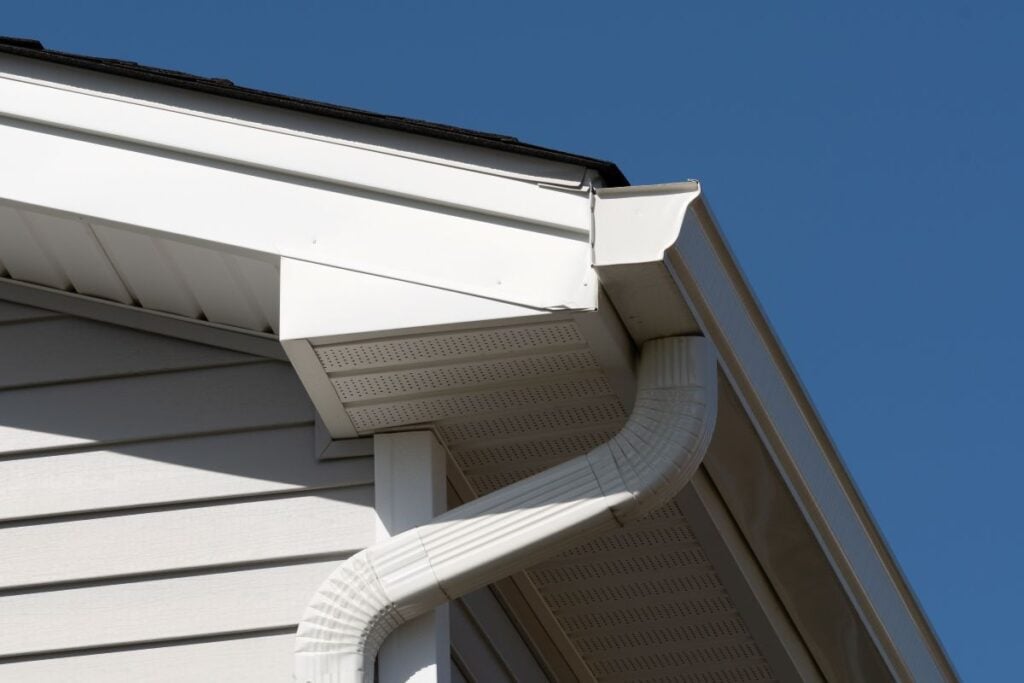
Bent metal, rust, or gaps along the roof edge are signs replacement may be needed. Addressing these issues early helps prevent moisture-related damage from spreading.
Why Drip Edge Flashing Should Never Be Skipped
Because drip edge flashing protects some of the most vulnerable parts of the roof, skipping it often leads to premature failure. Water damage at roof edges can compromise the entire roofing system if ignored.
Understanding the role of drip edge flashing helps homeowners recognize its importance and avoid cutting corners that lead to costly repairs.
Protect Your Roof From the Edge Down
Roof performance starts at the edges. Proper water management at these points prevents damage from spreading to structural components and interior spaces.
If you have questions about drip edge flashing or want guidance on proper installation and roof edge protection, reach out to Quality Roofing for expert advice and solutions tailored to your specific needs.