
 (850) 753-0041


Tile Roof Repair: 10 Common Issues and How to Fix Them
February 3, 2026
5 minutes Read
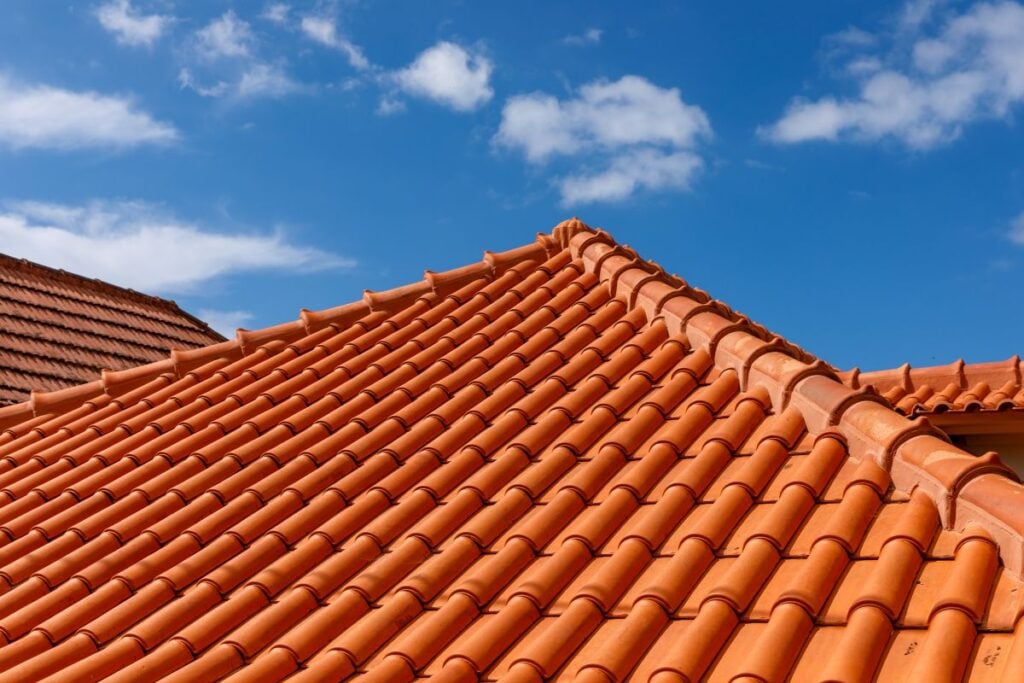
Tile roof repair is an important topic for homeowners because tile roofing systems are durable but not immune to damage over time. While tile roofs are known for their longevity and resistance to harsh weather, issues can still develop due to age, impact, or improper installation. Understanding the most common tile roof problems helps homeowners recognize early warning signs and take action before minor issues become costly repairs.
- Long lifespan: Tile roofs can last decades with proper care.
- Targeted repairs: Most issues are localized rather than widespread.
- Early detection: Addressing problems early prevents structural damage.
Why Tile Roofs Require Specialized Repairs
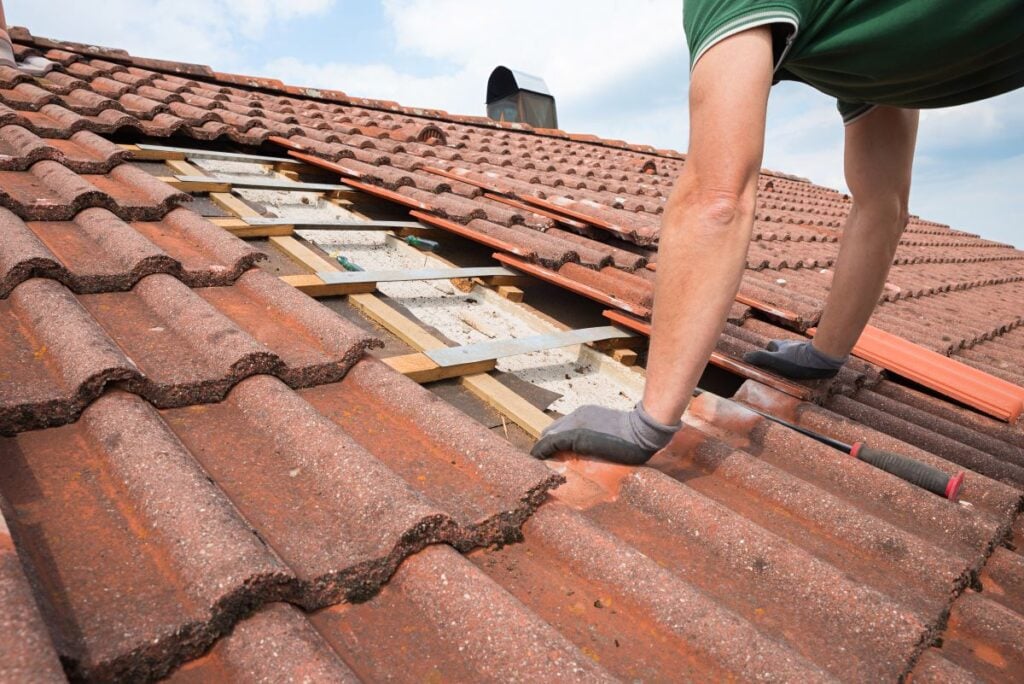
Tile roofs differ significantly from asphalt and metal roofing systems. Individual tiles protect the roof surface, but the waterproofing system underneath does most of the moisture protection. Because of this layered design, damage is not always immediately visible.
For homeowners in Miramar Beach and surrounding areas, high winds, salt air, and heavy rain can accelerate wear on tile roofs. Repairs must be handled carefully to avoid breaking surrounding tiles or compromising the underlayment beneath them.
How Tile Roof Damage Typically Occurs
Tile roof damage often develops gradually rather than all at once. Environmental exposure, foot traffic, and natural aging all contribute to common issues.
Tiles themselves are strong but brittle. Improper walking paths, fallen debris, or shifting fasteners can crack or dislodge tiles, allowing water to reach the underlayment and roof deck below.
10 Common Tile Roof Issues and How to Fix Them
The following are the most common problems homeowners encounter with tile roofs, along with general repair approaches used to address them.
1. Cracked or Broken Tiles
Cracked tiles are one of the most frequent tile roof repair issues. Impact from debris or improper foot traffic often causes this damage.
- Cause: Falling branches or walking directly on tiles.
- Risk: Exposes underlayment to moisture.
- Fix: Replace individual damaged tiles carefully.
Prompt replacement prevents water intrusion beneath the roof surface.
2. Slipped or Dislodged Tiles
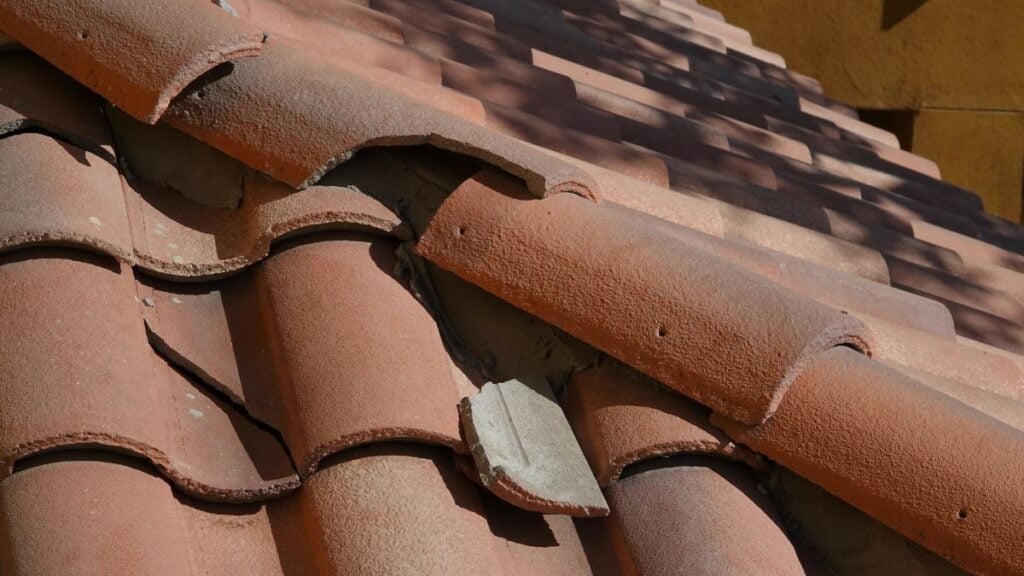
Tiles can shift out of place due to wind or aging fasteners. Even small movement can create gaps.
- Cause: High winds or deteriorated fasteners.
- Risk: Allows water penetration during rain.
- Fix: Reposition and secure tiles properly.
Securing loose tiles helps restore full roof coverage.
3. Underlayment Deterioration
The underlayment beneath tiles is critical for waterproofing. Over time, it can dry out or degrade.
- Cause: Age and prolonged moisture exposure.
- Risk: Leaks even when tiles appear intact.
- Fix: Remove tiles and replace damaged underlayment sections.
Underlayment issues often require partial roof disassembly.
4. Broken Ridge or Hip Tiles
Ridge and hip tiles cap key roof intersections and are highly exposed to weather.
- Cause: Wind stress or mortar failure.
- Risk: Water entry at roof peaks.
- Fix: Reset or replace ridge tiles with proper bonding.
These areas are especially vulnerable during storms.
5. Mortar or Adhesive Failure
Many tile roofs rely on mortar or adhesives to secure certain tiles. These materials can weaken over time.
- Cause: Weather exposure and aging materials.
- Risk: Tile movement or detachment.
- Fix: Remove failed material and apply new bonding compounds.
Modern adhesives often outperform older mortar methods.
6. Flashing Damage Around Penetrations
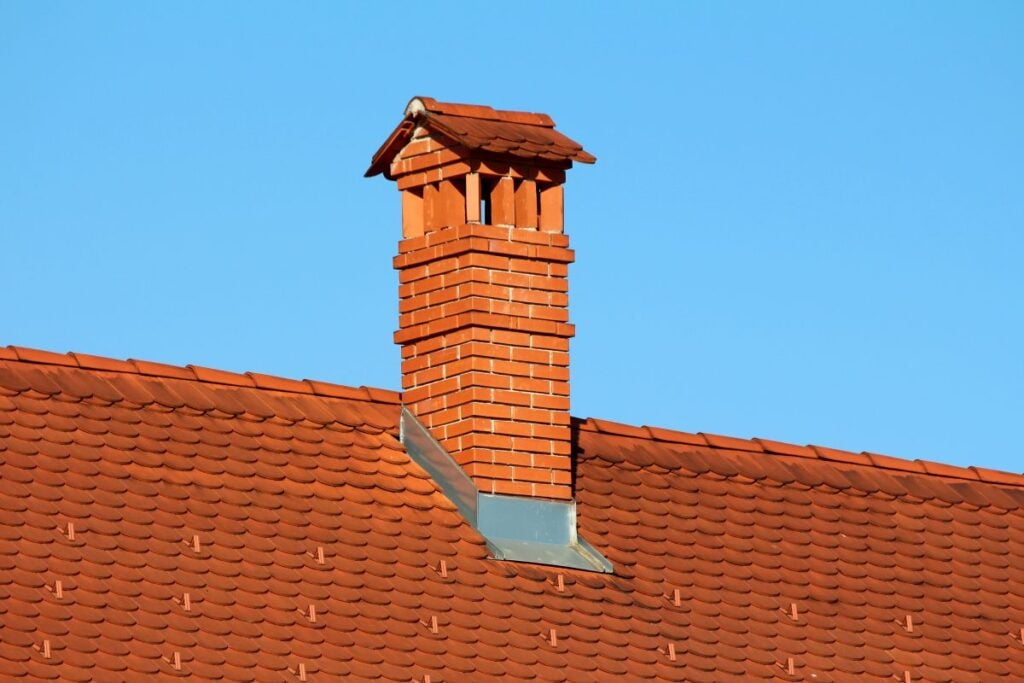
Flashing seals areas where the roof meets chimneys, vents, or skylights. Flashing failure is a common leak source.
- Cause: Corrosion or poor installation.
- Risk: Water intrusion around roof penetrations.
- Fix: Repair or replace damaged flashing components.
Flashing issues can mimic tile problems but require different solutions.
7. Debris Buildup in Valleys
Roof valleys collect water and debris, placing extra stress on tiles and underlayment.
- Cause: Leaves and debris accumulation.
- Risk: Trapped moisture and leaks.
- Fix: Clear debris and inspect valley components.
Regular maintenance reduces valley-related issues.
8. Cracked Tile Coatings or Glaze
Some tiles feature protective coatings or glaze that can wear down over time.
- Cause: UV exposure and aging.
- Risk: Increased moisture absorption.
- Fix: Replace tiles with compromised coatings.
Surface deterioration can lead to deeper problems if ignored.
9. Structural Movement Beneath Tiles
Shifting roof decking or framing can cause tiles to crack or separate.
- Cause: Structural settling or moisture damage.
- Risk: Widespread tile damage.
- Fix: Address structural issues before replacing tiles.
Tile repairs are ineffective if underlying movement continues.
10. Improper Past Repairs
Previous repairs done incorrectly can create new problems.
- Cause: Inexperienced handling or wrong materials.
- Risk: Repeated leaks and tile damage.
- Fix: Remove improper repairs and correct installation.
Quality repairs restore long-term performance.
Signs You May Need Tile Roof Repair
Tile roof issues are not always obvious from the ground. Homeowners should watch for subtle warning signs.
- Ceiling stains: Indicates moisture penetration.
- Loose tiles: Suggests fastener or adhesive failure.
- Debris under tiles: Signals movement or breakage.
- Water leaks after storms: Often tied to flashing or underlayment.
Early attention limits repair scope and cost.
Why DIY Tile Roof Repair Is Risky
Tile roofs are fragile and easy to damage when walked on incorrectly. Attempting repairs without proper training often leads to additional breakage.
Improper handling can crack surrounding tiles, worsen leaks, and create safety hazards. Tile roof repair typically requires specialized techniques to avoid collateral damage.
Preventing Future Tile Roof Problems
While not all issues are avoidable, routine care helps reduce repair needs.
- Regular inspections: Identify loose or damaged tiles early.
- Debris removal: Keeps valleys and drainage paths clear.
- Avoid foot traffic: Limits accidental tile breakage.
- Address small issues promptly: Prevents larger failures.
Preventive maintenance extends roof lifespan.
Understanding Tile Roof Repair Costs
Tile roof repair costs vary based on issue severity and roof accessibility. Minor tile replacements are usually affordable, while underlayment repairs involve more labor.
Because tile systems are designed for long service life, investing in proper repairs helps preserve long-term value rather than delaying inevitable issues.
Protecting the Value of Your Tile Roof
Tile roofs are a significant investment and require informed care to perform as intended. Knowing common problems helps homeowners recognize when repairs are needed and what questions to ask.
If you’re dealing with tile roof concerns or want guidance on repair options, reach out to Quality Roofing for expert advice and solutions tailored to your specific needs.