 (850) 753-0041


8 Roof Inspection Checklist for Homeowners (2026 Update)
January 23, 2026
5 minutes Read
Using a roof inspection checklist is one of the easiest ways homeowners can stay ahead of costly repairs and unexpected roof failures. Regular inspections help identify small issues before they turn into leaks, structural damage, or interior water problems. With changing weather patterns and updated building standards in 2026, knowing what to look for is more important than ever.
- Early detection: Identifies minor issues before they worsen.
- Cost control: Prevents expensive emergency repairs.
- Roof longevity: Helps extend the life of your roofing system.

Why Regular Roof Inspections Matter in 2026
Roofing systems are constantly exposed to sun, wind, rain, and temperature changes. Over time, these elements cause materials to deteriorate, even if damage is not immediately visible from the ground. Regular inspections help homeowners monitor wear and plan maintenance instead of reacting to sudden problems.
For homeowners in Lake Mary and surrounding areas, seasonal storms, humidity, and intense sunlight make routine roof inspections especially important. A consistent inspection schedule improves roof performance and reduces the likelihood of unexpected leaks during heavy rain events.
When Homeowners Should Inspect Their Roof
Roof inspections should not be limited to times when a problem is obvious. Proactive inspections help catch early warning signs and prevent damage from spreading.
Homeowners should inspect their roofs at least twice per year, ideally in the spring and fall. Additional inspections are recommended after severe weather events, such as strong windstorms or heavy rainfall, which can loosen materials or damage flashing.
8 Roof Inspection Checklist Items for Homeowners
The following checklist outlines key areas homeowners should review during routine inspections. While ground-level inspections are safest, knowing these focus areas helps you understand roof condition and recognize when professional evaluation may be needed.
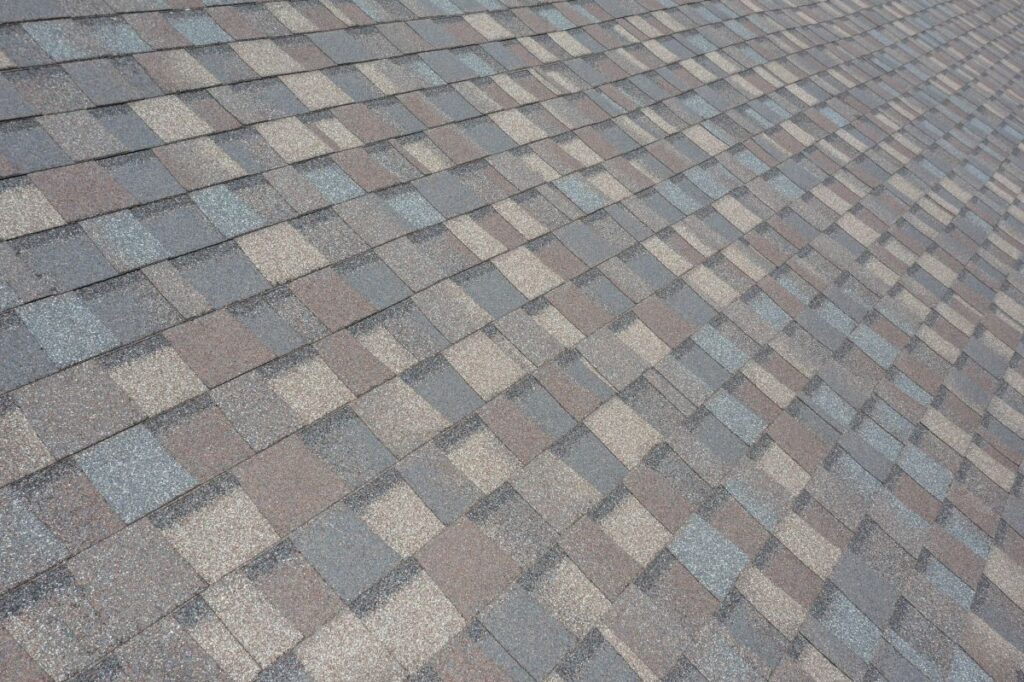
1. Shingles or Roofing Surface Condition
The roof surface is the first line of defense against weather. Inspecting the condition of shingles or roofing panels helps identify visible wear.
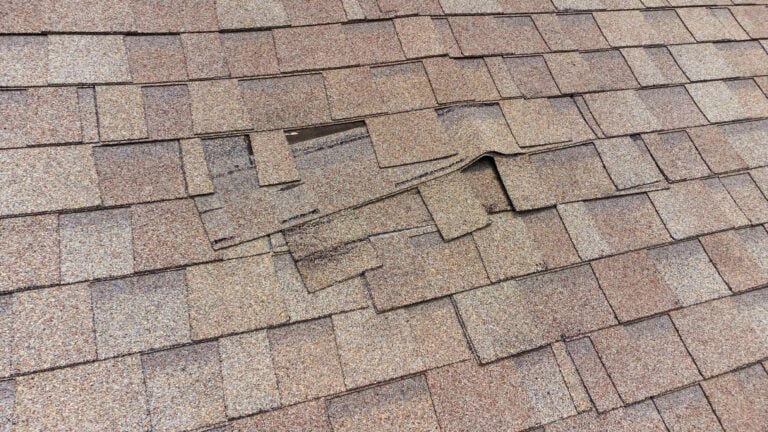
- Missing materials: Indicates exposure to water intrusion.
- Cracked or curled shingles: Suggest aging or heat damage.
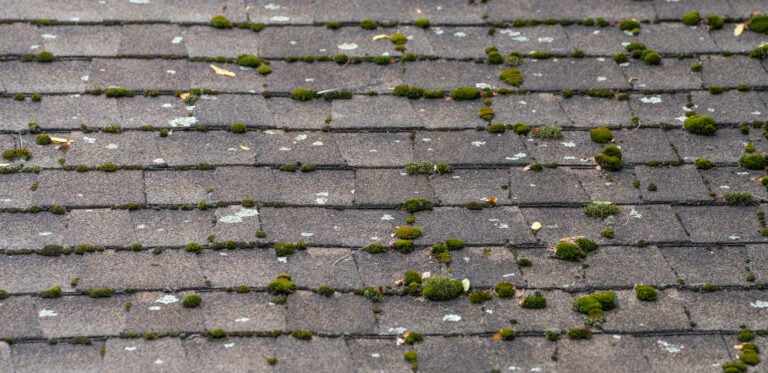
- Discoloration: May signal moisture issues or granule loss.
Changes in roof surface appearance often indicate deeper problems developing underneath.
2. Flashing Around Roof Penetrations
Flashing seals vulnerable areas where the roof meets chimneys, vents, skylights, and walls. These areas are common sources of leaks.
- Loose flashing: Allows water to enter during storms.
- Cracked sealant: Fails to protect joints over time.
- Rust or corrosion: Weakens metal flashing components.
Even minor flashing damage can result in significant interior water damage if ignored.
3. Roof Valleys and Low Points
Roof valleys and low-slope areas channel large volumes of water. These sections experience more wear than other roof areas.
- Debris buildup: Prevents proper drainage.
- Worn materials: Indicates water concentration stress.
- Visible gaps: Increase the risk of leaks.
Keeping valleys clear and intact is critical for proper water flow.
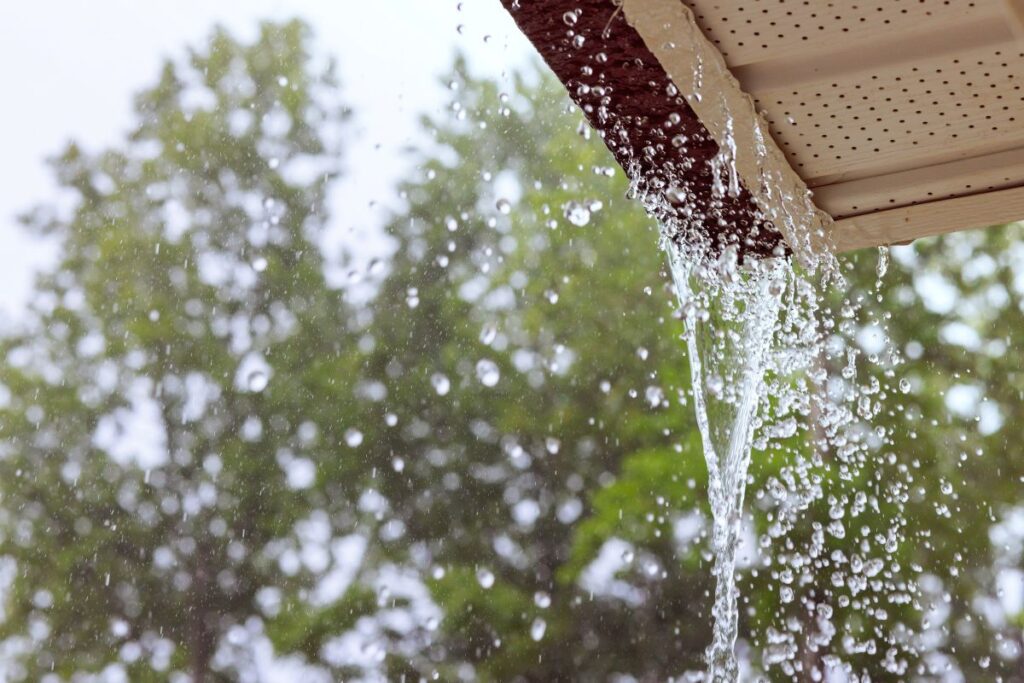
4. Gutters and Downspouts
Gutters work alongside the roof to manage water runoff. Blocked or damaged gutters can cause water to back up under the roof edge.
- Clogged gutters: Trap water and debris.
- Loose attachments: Allow water to spill behind fascia.
- Improper drainage: Causes pooling near foundations.
Routine gutter checks protect both the roof and the home’s exterior.
5. Roof Edges and Drip Edge
Roof edges are especially vulnerable to water damage if protective components fail. Drip edge helps guide water away from decking and fascia.
- Missing drip edge: Leaves roof edges exposed.
- Rotting fascia: Indicates prolonged moisture exposure.
- Uneven edges: May suggest structural issues.
Damage along roof edges often signals hidden moisture problems.
6. Attic Signs of Moisture or Leaks
Interior inspections are just as important as exterior checks. The attic often reveals problems before they become visible inside the home.
- Water stains: Indicate active or past leaks.
- Wet insulation: Reduces energy efficiency.
- Mold or odors: Suggest trapped moisture.
Attic inspections provide valuable insight into roof performance.
7. Ventilation and Airflow
Proper attic ventilation helps regulate temperature and moisture levels. Poor ventilation can shorten roof lifespan.
- Blocked vents: Trap heat and humidity.
- Improper airflow: Increases risk of condensation.
- Damaged vent covers: Allow water entry.
Balanced ventilation protects roofing materials and improves indoor comfort.
8. Signs of Structural Changes
Structural issues often appear gradually. Catching them early helps avoid major repairs.
- Sagging rooflines: Suggest weakened decking or framing.
- Uneven surfaces: May indicate moisture damage.
- Cracked interior ceilings: Can reflect roof movement.
Structural warning signs should always be taken seriously.
Common Roof Inspection Mistakes to Avoid
Homeowners sometimes overlook important details during inspections. Avoiding these mistakes improves inspection accuracy.
- Only checking from the ground: Some issues require attic inspection.
- Ignoring small changes: Minor damage can escalate quickly.
- Skipping post-storm checks: Storm damage is not always obvious.
Being thorough helps prevent missed warning signs.
How Often Roof Inspections Should Be Done
Most homeowners benefit from inspecting their roof twice per year. However, older roofs or homes in storm-prone areas may require more frequent checks.
After major weather events, quick inspections help catch wind-lifted materials, flashing issues, or debris damage before leaks develop.
When to Seek Professional Evaluation
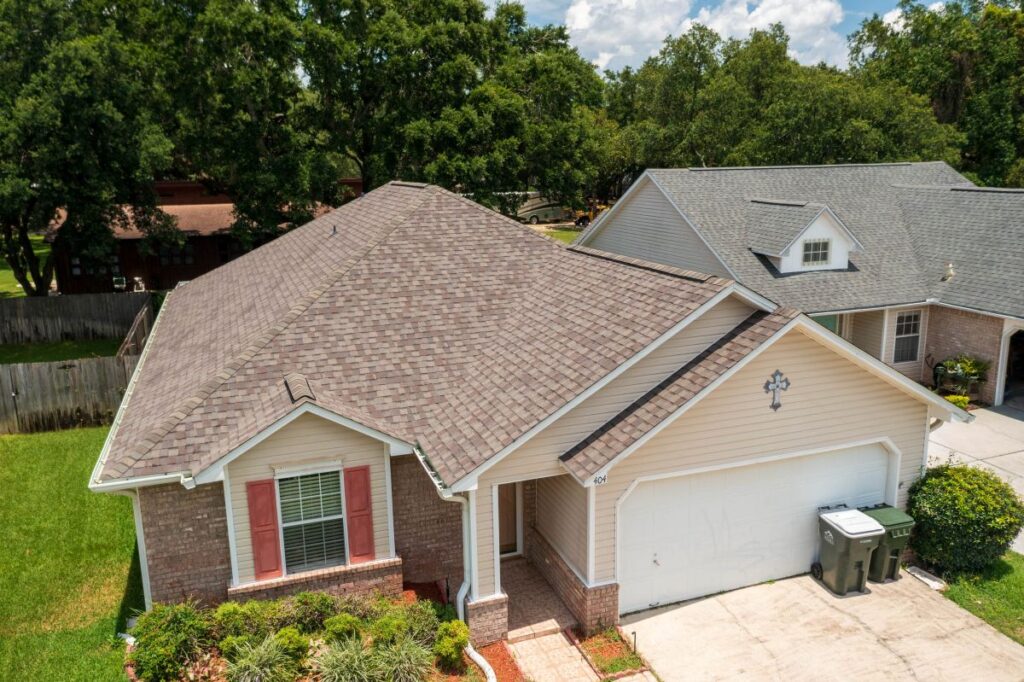
While homeowner inspections are helpful, they do not replace professional assessments. Professionals can safely access the roof and identify issues that are not visible from inside or the ground.
Professional inspections are especially valuable before buying or selling a home, after severe storms, or when the roof is nearing the end of its lifespan.
Staying Proactive With Roof Care
Using a roof inspection checklist empowers homeowners to stay proactive rather than reactive. Routine checks support better planning and reduce the risk of emergency repairs.
In 2026, proactive roof care remains one of the smartest ways to protect your home’s value, comfort, and structural integrity—especially in climates with frequent weather changes like Lake Mary and surrounding areas.
Stay Ahead of Roofing Issues
Roof problems rarely happen overnight. They develop gradually, often unnoticed, until damage becomes severe. Regular inspections help homeowners stay informed and prepared.
If you’re reviewing your roof condition or want guidance on what to watch for, reach out to Quality Roofing for expert advice and solutions tailored to your specific needs.