 (850) 753-0041


Chimney Flashing: What It Is & 3 Common Leak Areas
January 14, 2026
6 minutes Read
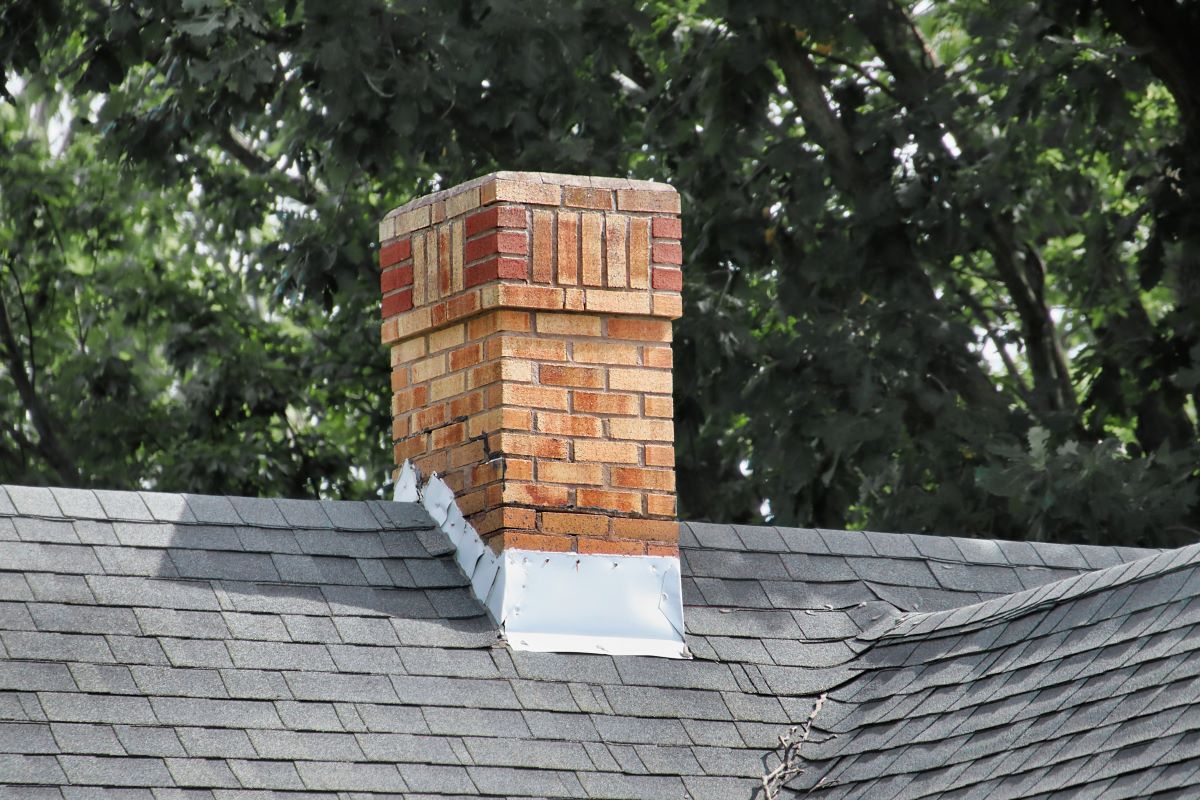
Chimney flashing is one of the most critical components forpreventing roof leaks around your chimney. Because chimneys penetrate the roof surface, they create natural weak points where water can enter if flashing fails or is installed incorrectly. Understanding how chimney flashing works and where leaks commonly occur helps homeowners recognize problems early and avoid costly water damage.
- Leak prevention: Proper flashing directs water away from chimney joints.
- Roof protection: Prevents moisture from reaching decking and framing.
- Early awareness: Knowing common failure points helps homeowners act faster.

What Is Chimney Flashing?
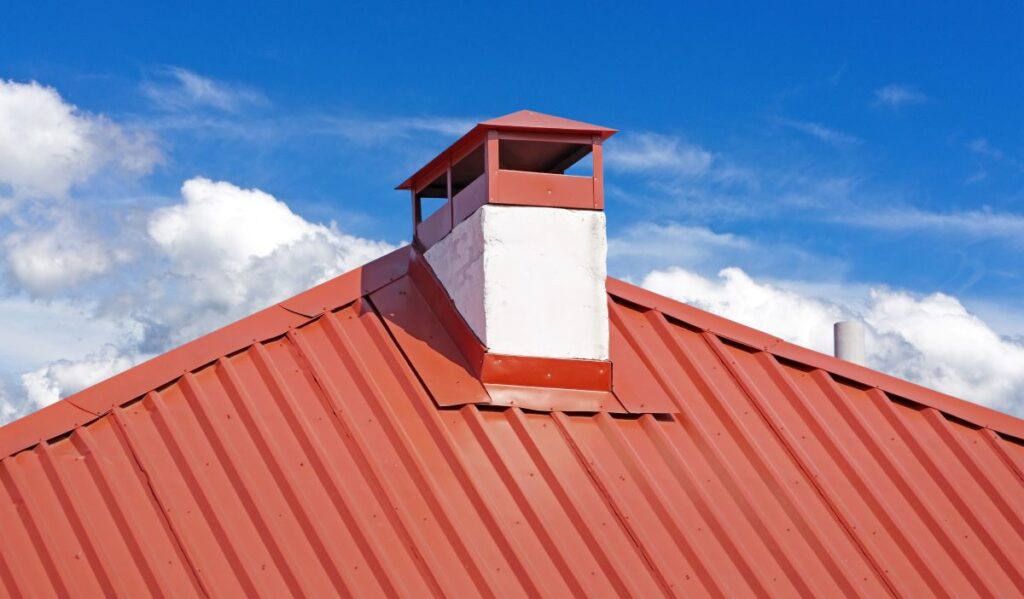
Chimney flashing is a system of metal pieces installed where the chimney meets the roof. Its purpose is to create a waterproof seal that directs rainwater away from the chimney and safely down the roof surface. Flashing is typically made from aluminum, galvanized steel, or copper, depending on the roof material and design.
For homes in Destin and surrounding areas, chimney flashing is especially important due to frequent rain, wind-driven storms, and humidity. Even small gaps or improperly sealed joints can allow water to penetrate beneath shingles, leading to rot, mold, and interior leaks.
How Chimney Flashing Works
Chimney flashing is not a single piece of metal but a layered system designed to move with the roof while remaining watertight. Each component plays a specific role in managing water flow and accommodating expansion and contraction.
Most chimney flashing systems include step flashing woven into the shingles, counter flashing attached to the chimney itself, and base flashing at the lower edge. Together, these elements create overlapping barriers that guide water away rather than allowing it to pool or seep into joints.
Types of Chimney Flashing Components
Understanding the individual components of chimney flashing helps homeowners better identify where failures may occur.
Step Flashing
Step flashing consists of small metal pieces installed in layers with shingles along the sides of the chimney. Each piece overlaps the one below it, creating a stepped path for water to flow downward.
- Layered design: Directs water down the roof surface.
- Shingle integration: Installed between each course of shingles.
- Flexibility: Allows movement between roof and chimney.
When step flashing is missing or improperly overlapped, water can slip behind shingles and enter the roof structure.
Counter Flashing
Counter flashing is installed into the chimney masonry and overlaps the step flashing. Its role is to protect the top edges of the step flashing from direct water exposure.
- Secondary barrier: Covers step flashing seams.
- Masonry attachment: Set into mortar joints or reglets.
- Leak resistance: Prevents water from running behind flashing.
Counter flashing failures are a common cause of chimney leaks, especially on older homes.
Base Flashing
Base flashing is located at the bottom edge of the chimney, where water naturally collects and flows downward.
- Water redirection: Channels runoff away from the chimney base.
- High-exposure area: Handles large volumes of water during storms.
- Seal protection: Prevents pooling at the chimney’s lowest point.
If base flashing is damaged or improperly angled, leaks can occur quickly during heavy rain.
3 Common Chimney Flashing Leak Areas
Chimney leaks rarely occur randomly. They usually develop in predictable locations where flashing is stressed, deteriorated, or improperly installed.
1. Cracked or Missing Counter Flashing
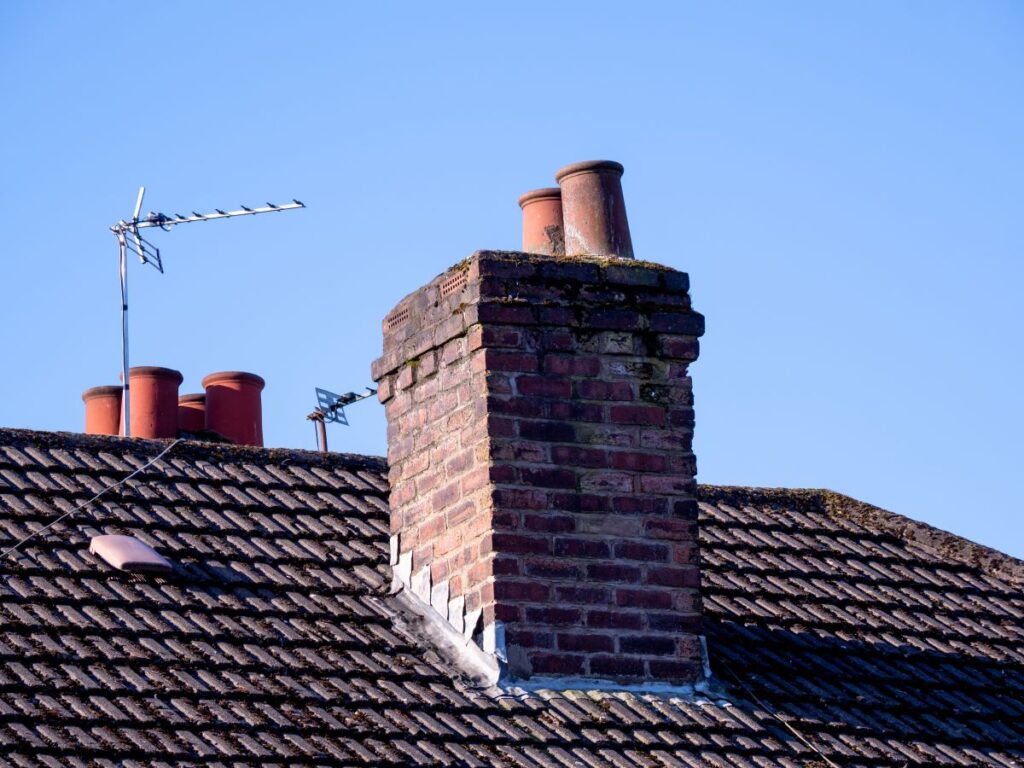
Counter flashing is one of the most frequent failure points in chimney flashing systems. Over time, mortar joints can crack, allowing flashing to loosen or pull away from the chimney.
- Mortar deterioration: Aging mortar allows gaps to form.
- Loose metal edges: Wind and expansion can pull flashing free.
- Direct water entry: Rain runs behind flashing instead of over it.
When counter flashing fails, water can bypass the entire flashing system and enter directly into the roof structure.
2. Improper Step Flashing Installation
Step flashing must be installed in precise layers to work correctly. If pieces are skipped, overlapped incorrectly, or reused from an old roof, leaks are likely to develop.
- Incorrect overlap: Allows water to move sideways instead of downward.
- Reused materials: Old flashing may not seal properly with new shingles.
- Fastener issues: Nails placed too close to edges create entry points.
Improper step flashing installation often causes slow leaks that worsen over time.
3. Deteriorated Sealant or Caulking
While flashing systems should not rely solely on sealant, caulking is often used to reinforce joints and edges. Over time, sealant can dry out, crack, or separate from metal and masonry.
- UV exposure: Sunlight breaks down sealant over time.
- Temperature movement: Expansion and contraction cause cracking.
- False security: Sealant alone cannot compensate for poor flashing design.
Once sealant fails, water can easily penetrate even if flashing appears intact from the ground.
Signs of Chimney Flashing Problems
Homeowners often notice interior symptoms before seeing exterior damage. Recognizing these warning signs helps catch flashing issues early.
- Ceiling stains: Yellow or brown discoloration near the chimney.
- Water dripping: Active leaks during or after rainfall.
- Musty odors: Indicates moisture buildup inside walls or attic.
- Cracked mortar: Visible deterioration around chimney joints.
In Destin and surrounding areas, wind-driven rain can make chimney leaks more noticeable during storms.
Why Chimney Flashing Fails Over Time
Even properly installed chimney flashing does not last forever. Natural wear, weather exposure, and roof movement all contribute to eventual failure.
Metal flashing expands and contracts with temperature changes, while masonry chimneys remain relatively rigid. This constant movement stresses joints, fasteners, and sealants, gradually creating gaps. Salt air, humidity, and heavy rain further accelerate deterioration in coastal environments.
Chimney Flashing Repair vs Replacement
Minor flashing issues can sometimes be repaired, but extensive damage often requires full replacement. Determining the right approach depends on the age of the flashing and the extent of deterioration.
- Minor repairs: Re-securing loose flashing or replacing small sections.
- Sealant renewal: Addressing cracked or failed caulking.
- Full replacement: Required when flashing is rusted, improperly installed, or outdated.
Addressing flashing problems early helps prevent more serious roof and interior damage.
Preventing Chimney Flashing Leaks
Preventive maintenance plays a major role in extending the life of chimney flashing. Routine inspections help identify small issues before they turn into active leaks.
- Regular roof inspections: Especially after storms or heavy rain.
- Masonry maintenance: Repair cracked mortar joints promptly.
- Avoid patch-only fixes: Proper flashing design matters more than sealant alone.
Staying proactive reduces the risk of sudden chimney-related leaks.
Why Chimney Flashing Deserves Attention
Because chimney flashing sits at the intersection of roofing and masonry, it’s exposed to more stress than many other roof components. Small failures can quickly lead to widespread water damage if ignored.
Understanding how chimney flashing works and where leaks commonly occur allows homeowners to take a more informed approach to roof care. Early awareness often makes the difference between a simple repair and extensive interior restoration.
Get Guidance Before Leaks Get Worse
Chimney flashing problems rarely improve on their own, and delays often lead to greater damage. Knowing what to look for helps homeowners respond quickly and protect their investment.If you have concerns about chimney flashing or want help understanding potential leak risks,reach out to Quality Roofing for expert advice and solutions tailored to your specific needs.