 (850) 753-0041


What Is Drone Roof Inspection? (5 Benefits)
December 17, 2025
5 minutes Read
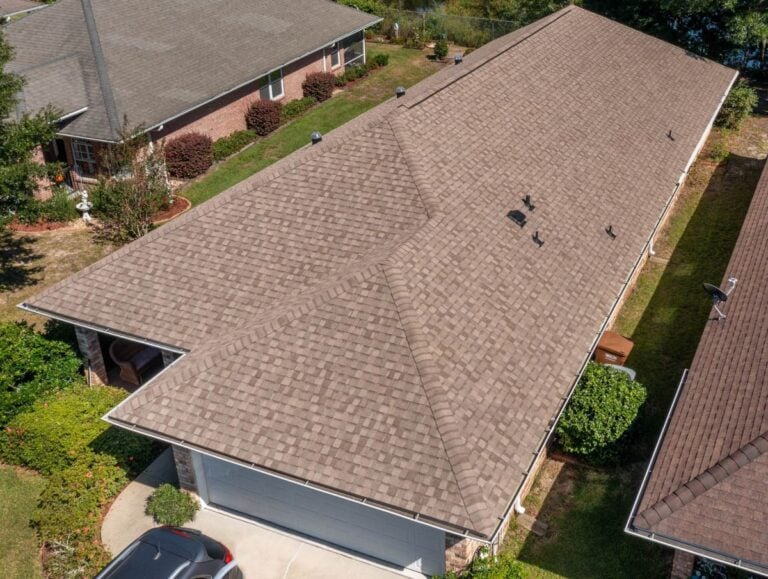
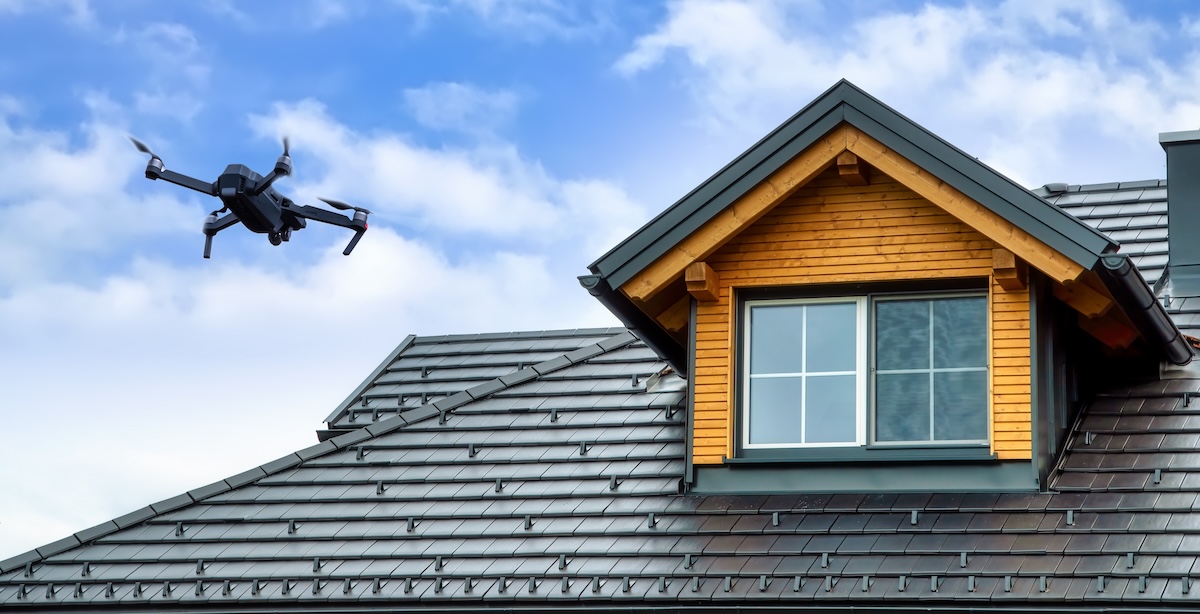
Adrone roof inspection uses advanced aerial technology to capture high-resolution images and videos of a roof without the need for manual climbing or scaffolding. Drones equipped with cameras and sensors can assess roof conditions, detect damage, and provide detailed data in a fraction of the time a traditional inspection takes. As roofing technology evolves, drones are becoming a valuable tool for safer, faster, and more accurate evaluations.
- Efficiency: Drones can inspect large areas quickly.
- Safety: Eliminates the need for roof access.
- Accuracy: Captures precise data for condition assessment.
Understanding Drone Roof Inspections
Traditional roof inspections require technicians to physically access the roof, which can be time-consuming and risky—especially on steep or damaged structures. Drone technology changes that process by allowing inspectors to conduct evaluations from the ground using unmanned aerial vehicles (UAVs).
For homeowners in Crestview and surrounding areas, where storms and heat often cause roof wear, drone inspections provide a safer and more efficient way to assess potential issues. Drones use cameras, sometimes equipped with infrared sensors, to identify leaks, loose shingles, or structural weaknesses that may not be visible from the ground.
How Drone Roof Inspections Work
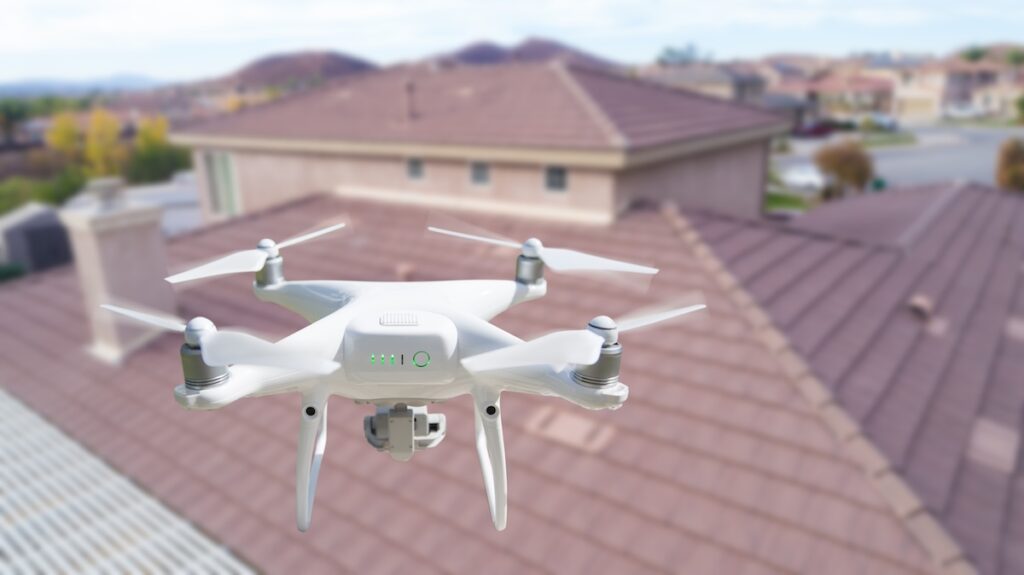
Drone inspections combine imaging technology and flight control systems to gather detailed roof data.
The process typically begins with a pre-flight check to ensure weather conditions are safe and that the drone’s sensors and GPS systems are functioning properly. The operator then flies the drone over the property, capturing images or video from multiple angles. Once the footage is collected, software tools analyze the data to create 3D models, identify potential damage, and generate a comprehensive report.
These inspections are particularly effective after storms or as part of preventive maintenance programs, offering a clearer overview of roof health without invasive procedures.
5 Benefits of Drone Roof Inspections
Drone-based inspections offer a range of practical advantages for both residential and commercial properties.
1. Enhanced Safety
By removing the need for ladders or walking on steep roofs, drone technology significantly reduces the risk of accidents.
Roof inspections often involve slippery surfaces or fragile materials. Drones allow assessments to take place entirely from the ground, protecting inspectors from potential falls and damage to roofing materials.
2. Time Efficiency
Drone inspections can cover an entire property in minutes rather than hours.
Traditional inspections require setting up ladders or scaffolding and physically accessing multiple roof sections. Drones capture detailed images quickly, enabling faster data collection and quicker turnaround for reports. This is especially valuable for large or complex roof designs.
3. High-Resolution Imaging
Modern drones capture high-definition photos and videos, making it easier to identify small defects or wear.
These images can reveal cracked shingles, lifted flashing, pooling water, or punctures in flat roofing systems. Some drones also use thermal imaging to detect temperature differences that suggest moisture intrusion beneath the surface. This level of precision allows for better documentation and analysis of roof conditions.
4. Comprehensive Data Collection
Drone inspections don’t just provide pictures—they generate measurable data about roof structure, slope, and condition.
Advanced software can stitch together images to create 3D models or digital surface maps. These detailed visualizations allow inspectors to calculate roof dimensions, estimate materials for maintenance, or track deterioration over time. For homeowners in Crestview and surrounding areas, such data supports better planning and informed decisions about upkeep.
5. Accessibility for Hard-to-Reach Areas
Drones can easily access areas that are difficult or unsafe to inspect manually.
Roofs with steep pitches, multiple levels, or obstructed sections can be evaluated thoroughly without additional equipment. This is especially useful for tall homes, metal roofing systems, or structures surrounded by trees or landscaping that would otherwise limit visibility.
Limitations of Drone Roof Inspections
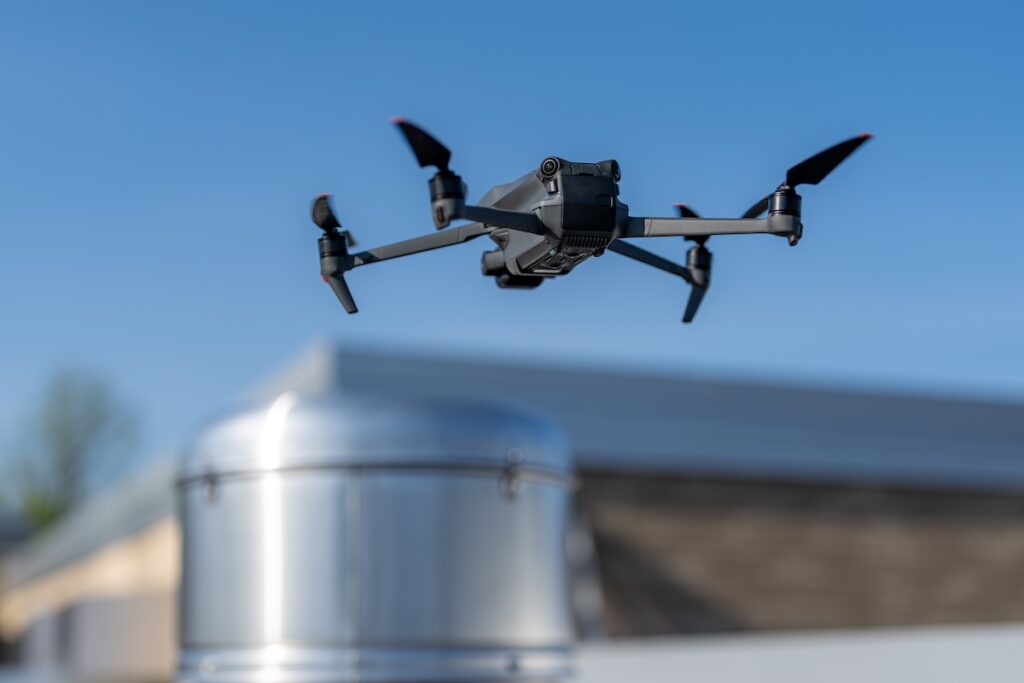
Although drones provide valuable insights, they aren’t a complete replacement for traditional inspections in every scenario.
Some issues—like moisture inside roofing layers or hidden structural damage—may still require physical assessment or infrared scanning from ground-based equipment. Weather can also impact flight performance; high winds, rain, or glare from bright sunlight can reduce data accuracy.
Additionally, drone operation is subject to FAA regulations. Licensed pilots must follow flight restrictions, including altitude limits and no-fly zones near airports or government facilities.
How Drone Data Is Used
Once a drone roof inspection is complete, the collected data is reviewed and interpreted using specialized software.
Inspectors analyze the images for damage, surface wear, or material deterioration. The visual evidence helps confirm whether repairs, cleaning, or further testing are necessary. Many professionals use this data to compare roof conditions over time, allowing for predictive maintenance rather than reactive repairs.
For homeowners in Crestview and surrounding areas, this means they can better understand their roof’s overall condition and schedule upkeep based on accurate, visual data instead of assumptions.
Comparing Drone and Traditional Roof Inspections
Both inspection methods have their place, and understanding their differences helps homeowners choose the right approach.
| Feature | Drone Inspection | Traditional Inspection |
| Safety | No climbing required | Requires roof access |
| Speed | Fast data collection | Slower and manual |
| Detail Level | High-resolution visuals | Physical, hands-on analysis |
| Best For | Large, complex, or steep roofs | Small roofs or detailed repairs |
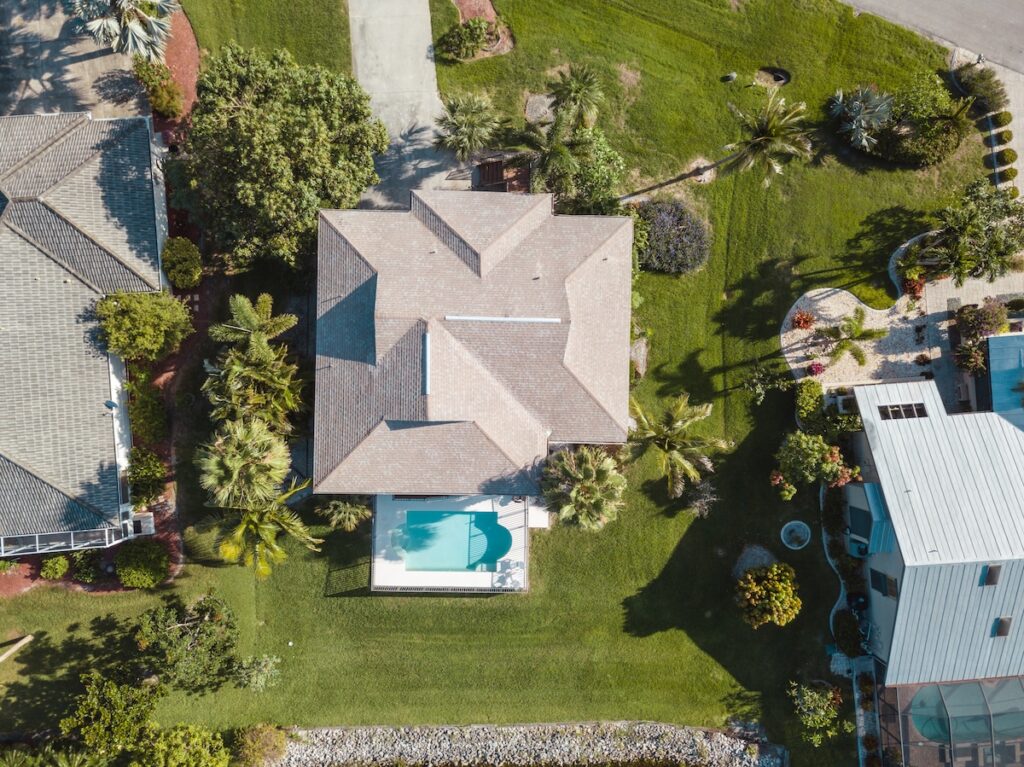
While drones excel at broad overviews, traditional inspections may still be necessary for tactile assessments—such as checking material flexibility, testing seals, or verifying internal damage.
The Growing Role of Technology in Roofing
Drone technology is part of a broader trend toward digital tools in the roofing industry. Artificial intelligence and imaging software now play an increasing role in monitoring roof health, documenting storm damage, and improving accuracy in assessments.
For areas like Crestview and surrounding regions, where weather events frequently stress roofing systems, these innovations provide a safer, faster, and more reliable way to track roof performance over time. Drone roof inspection continues to evolve as sensors and analytics become even more advanced, offering homeowners unprecedented insight into their property’s condition. Reach out today to learn more!