 (850) 753-0041


5 Commercial Flat Roofing Systems For Your Business
October 15, 2025
7 minutes Read
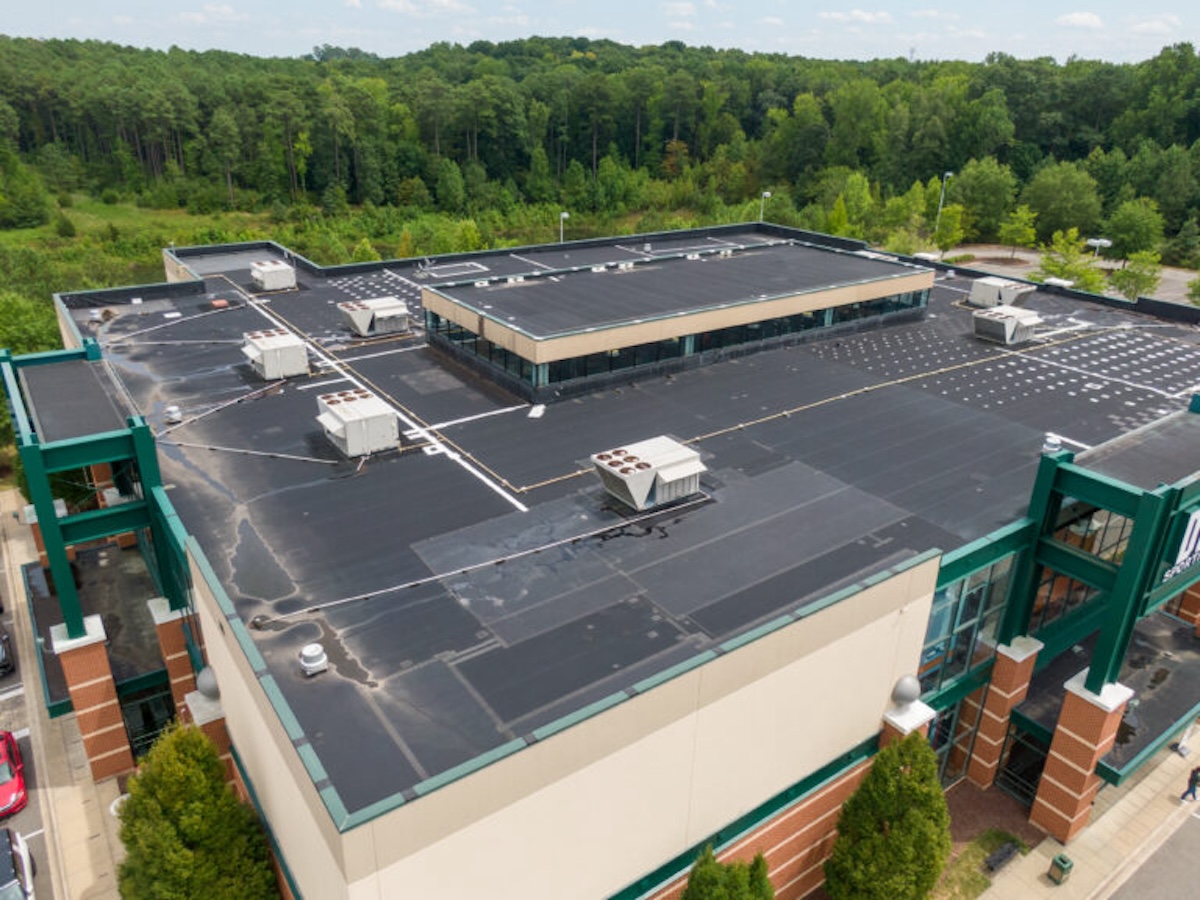
When considering commercial flat roofing for your property, choosing the right system is essential for protecting your investment and ensuring long-term performance. Flat roofs are common in commercial buildings because of their cost-effectiveness, ease of installation, and ability to accommodate equipment such as HVAC units. Still, not all flat roofing systems are the same, and each has unique advantages depending on your building’s needs.
- Long-term protection: The right flat roof system helps prevent costly leaks and structural damage.
- Energy efficiency: Many modern systems improve insulation and reduce cooling costs.
- Business value: A durable, well-maintained roof increases property value and reduces disruptions.
Why Commercial Flat Roofing Matters
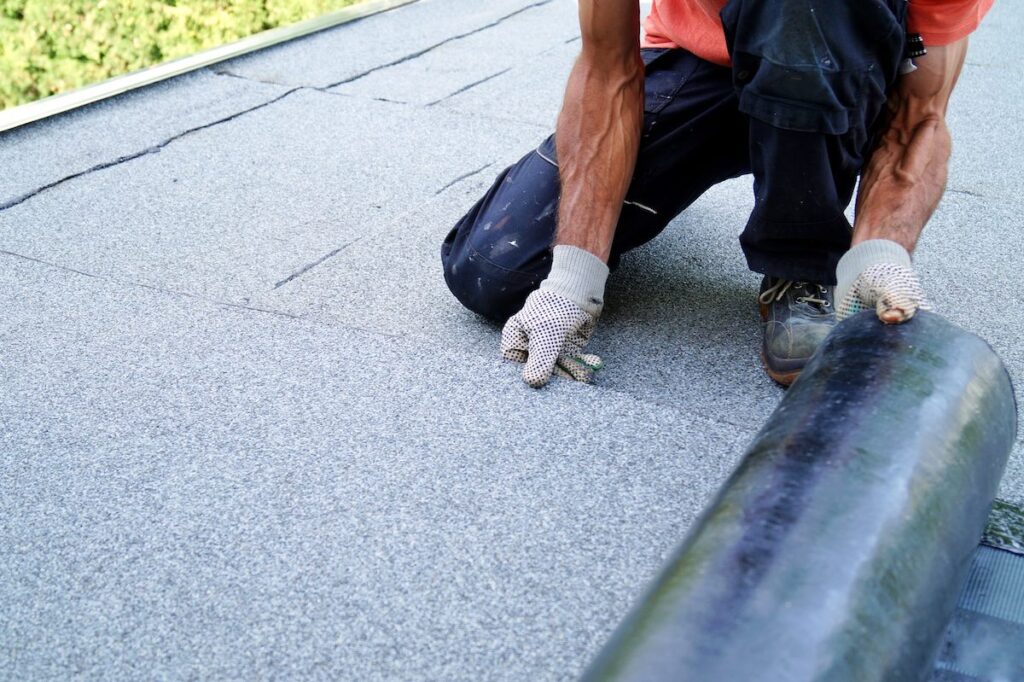
Flat roofs require specialized materials and installation techniques to ensure they remain watertight and efficient. Unlike sloped roofs, flat roofing systems face challenges with drainage and heat exposure, making material choice critical. Understanding your options allows you to make an informed decision that supports your building’s needs, budget, and long-term goals.
5 Commercial Flat Roofing Systems To Consider
Each system offers distinct advantages for businesses. The right choice will depend on factors like building size, climate, and maintenance expectations.
- Built-Up Roofing (BUR): Built-up roofing, often called “tar and gravel,” is one of the oldest flat roofing systems. It consists of multiple layers of asphalt or tar alternated with reinforcing fabrics, finished with a layer of gravel or mineral coating. BUR is known for its durability and affordability, making it a solid choice for large commercial roofs.
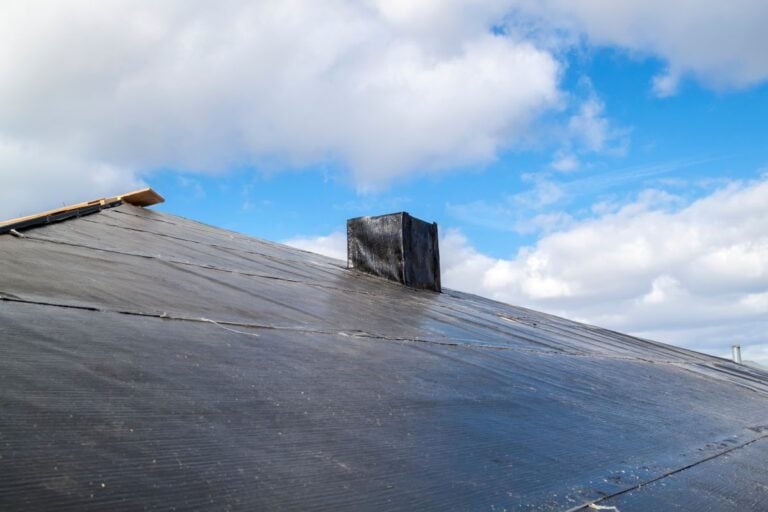
- Modified Bitumen Roofing: Modified bitumen is an evolution of BUR that incorporates asphalt with added polymers for greater flexibility and strength. Installed in layers, modified bitumen can be applied using heat, adhesives, or peel-and-stick sheets. It provides excellent waterproofing and is resistant to tearing, making it a reliable option for high-traffic commercial roofs.
- EPDM Roofing: EPDM (ethylene propylene diene monomer) is a synthetic rubber membrane widely used in commercial flat roofing. Known for its durability and cost-effectiveness, EPDM is highly resistant to UV rays, weathering, and ozone. Its black surface absorbs heat, which can be beneficial in colder climates, though reflective coatings are available for warmer areas.
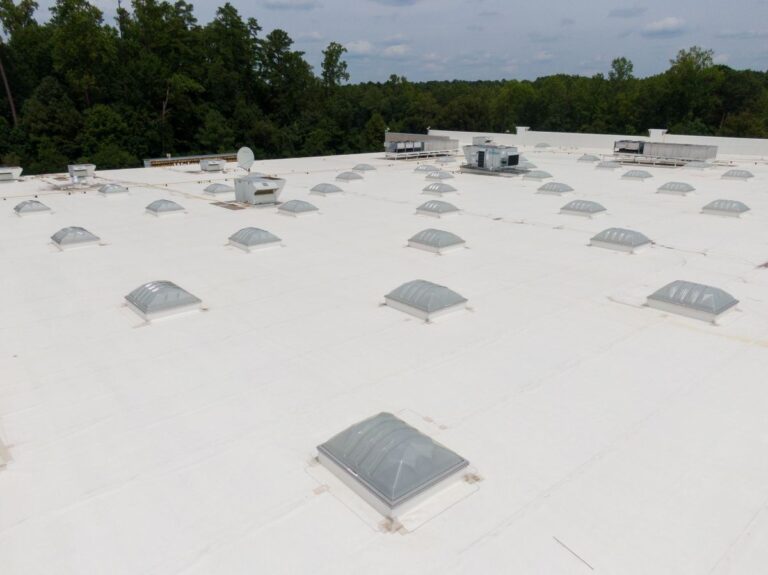
- TPO Roofing: Thermoplastic polyolefin (TPO) roofing has become increasingly popular due to its energy-efficient, reflective white surface. TPO membranes are heat-welded at the seams, creating a watertight bond that resists leaks. It is lightweight, durable, and offers excellent resistance to chemicals and UV damage.
- PVC Roofing: PVC (polyvinyl chloride) roofing is another single-ply membrane known for its strength and flexibility. It resists water, fire, chemicals, and punctures, making it ideal for restaurants, factories, and other buildings where exposure to grease or harsh substances is a concern. PVC roofing is also highly reflective, which can reduce cooling costs in hot climates.
Comparing Commercial Flat Roofing Systems
When choosing a system, it is helpful to compare the key differences between each material to determine which aligns with your building’s needs. A commercial roof is a major investment, and the right decision can reduce operating costs, extend lifespan, and prevent disruptions to your business. Below are four critical factors to weigh before making your choice.
Cost
BUR and modified bitumen are generally more affordable upfront because they use traditional installation methods and widely available materials. However, they may require more frequent repairs and replacements over the years, which can increase long-term expenses. TPO, EPDM, and PVC typically have higher initial costs, but their extended lifespans and lower maintenance needs can make them more cost-effective in the long run. Businesses that plan to own their property for decades often find value in investing in premium systems.
Durability
PVC and EPDM are well-regarded for their durability, with lifespans that can exceed 25 years when properly installed and maintained. BUR and modified bitumen, while sturdy, tend to last around 15–20 years before showing significant wear. TPO falls in the middle, generally lasting 20–30 years. If your business operates in an area prone to harsh weather or heavy rooftop traffic, durability should be a top priority.
Energy Efficiency
TPO and PVC are the clear leaders in energy efficiency because of their reflective, white membranes that bounce sunlight away from the building. This feature helps lower cooling costs in hot climates like Florida. EPDM, with its darker surface, tends to absorb heat, though reflective coatings are available to offset this drawback. BUR and modified bitumen provide moderate efficiency but lack the reflective properties of newer materials.
Maintenance
BUR may require more frequent inspections due to its layered construction, which can be vulnerable to cracking or blistering. Modified bitumen has similar maintenance needs, especially in high-traffic areas. Single-ply systems like TPO, EPDM, and PVC generally require less maintenance because they consist of large, uniform sheets with heat-welded or adhesive seams. Regular inspections are still necessary, but overall upkeep is simpler and often less costly.
Commercial Flat Roofing System Comparison Table
| Roofing System | Average Cost (per sq. ft.) | Typical Lifespan | Energy Efficiency | Maintenance Needs |
|---|---|---|---|---|
| Built-Up Roofing (BUR) | $4 – $10 | 15–20 years | Moderate | Frequent inspections; watch for cracks or blisters |
| Modified Bitumen | $4 – $8 | 15–20 years | Moderate | Similar to BUR; may need sealing or patching |
| EPDM (Rubber) | $5 – $12 | 20–30 years | Low (unless coated) | Low maintenance; occasional seam checks |
| TPO | $5 – $11 | 20–30 years | High (reflective) | Low maintenance; welded seams are durable |
| PVC | $6 – $12 | 25–30+ years | High (reflective) | Low maintenance; highly resistant to chemicals |
Benefits Of Commercial Flat Roofing
Flat roofing systems offer many advantages that make them especially appealing for businesses.
- Space efficiency: Flat roofs can house HVAC units, solar panels, or even rooftop gardens.
- Accessibility: Flat roofs are easier to access for inspections, repairs, and maintenance.
- Cost savings: Flat roofing systems often cost less to install than pitched alternatives.
Challenges Of Flat Roofs And How To Address Them
Despite their advantages, flat roofs have unique challenges that require proactive care.
- Drainage Issues: Flat roofs do not shed water as effectively as pitched roofs, making drainage systems essential. Installing proper slope design and maintaining drains and gutters reduces pooling water risks.
- Heat Exposure: Flat roofs absorb significant sunlight. Choosing reflective materials such as TPO or PVC can reduce heat absorption and extend roof life.
- Maintenance Needs: Flat roofs must be inspected regularly for punctures, membrane damage, or standing water. Preventive maintenance helps avoid unexpected repairs.
How To Choose The Right Roofing Contractor
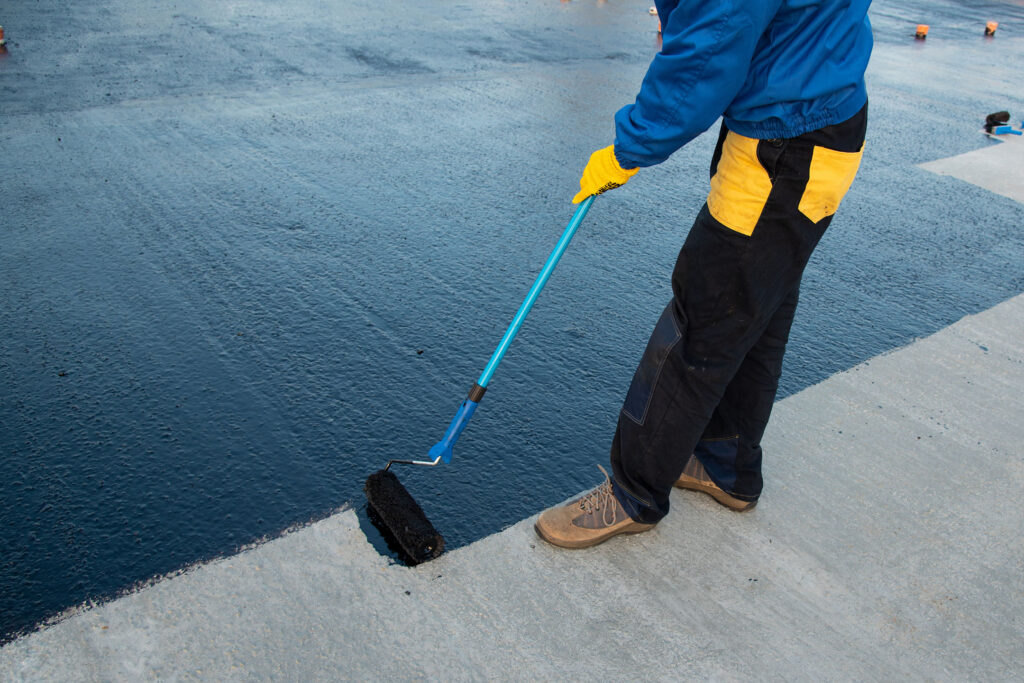
Even the best commercial flat roofing system will underperform if installed poorly. Working with a qualified contractor ensures proper installation and long-term reliability.
- Experience with commercial projects: Verify that the contractor has completed similar projects successfully.
- Licensing and insurance: Ensure compliance with state regulations and full liability coverage.
- Product knowledge: A good contractor can explain the pros and cons of each system for your specific business.
Extending The Lifespan Of Your Flat Roof
Once installed, regular maintenance can add years to your roof’s life.
- Schedule inspections: Have your roof inspected at least twice a year and after major storms.
- Clean debris: Keep drains, gutters, and roof surfaces free of leaves, dirt, and trash.
- Address repairs quickly: Small issues such as punctures or cracks can quickly escalate into major leaks if left untreated.
Planning For The Future
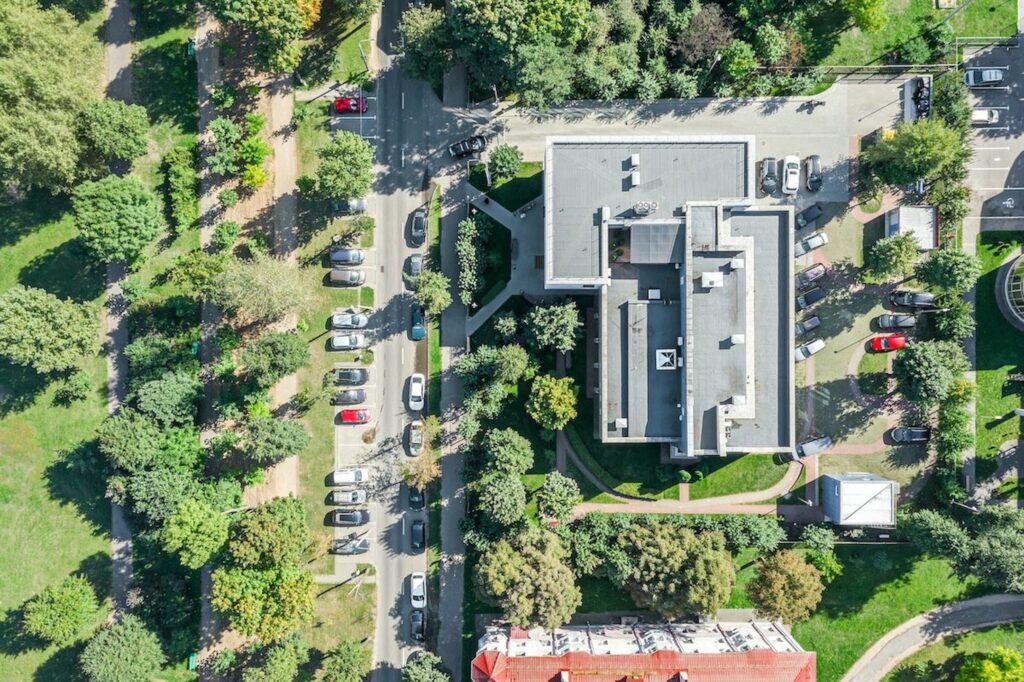
Choosing the right flat roofing system today means fewer disruptions and lower costs tomorrow. Whether you are building a new commercial property or replacing an existing roof, evaluating your long-term needs will help you select a system that provides maximum value.
Choosing the right flat roofing system today means fewer disruptions and lower costs tomorrow. Whether you are building a new commercial property or replacing an existing roof, evaluating your long-term needs will help you select a system that provides maximum value. To ensure you are getting the best service and transparent pricing, knowing what to look for in a roofing estimate allows you to compare proposals accurately and select a partner who understands your building’s specific requirements.
Upgrade Your Business Roof With Confidence
When it comes to commercial flat roofing, the system you choose impacts your building’s safety, efficiency, and overall success. At Quality Roofing Solutions, we specialize in helping businesses find the perfect roofing system to fit their needs and budget. From installation to ongoing maintenance, our team provides expert guidance and premium workmanship you can trust. Contact us today for a free estimate and protect your business with a roof built to last.